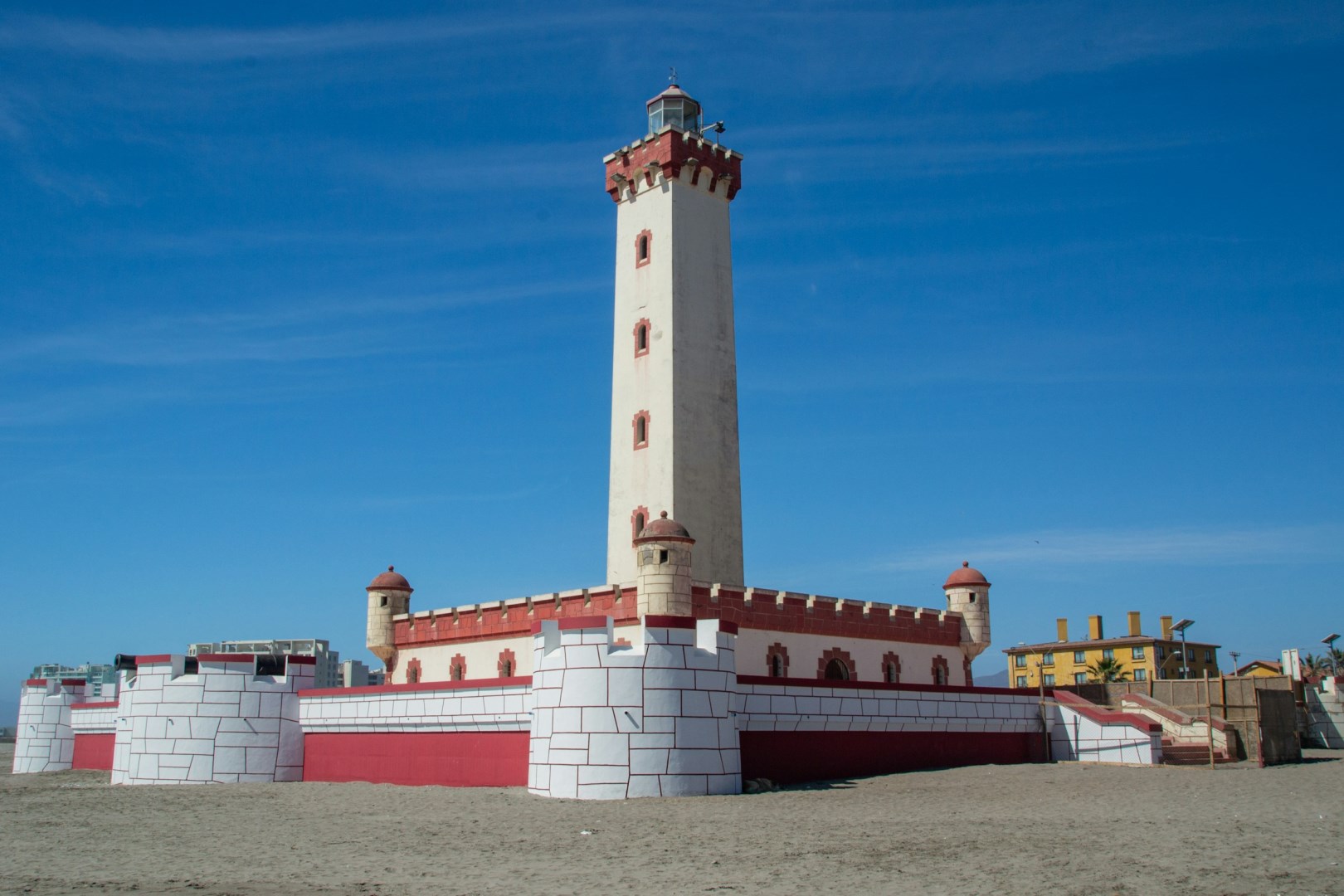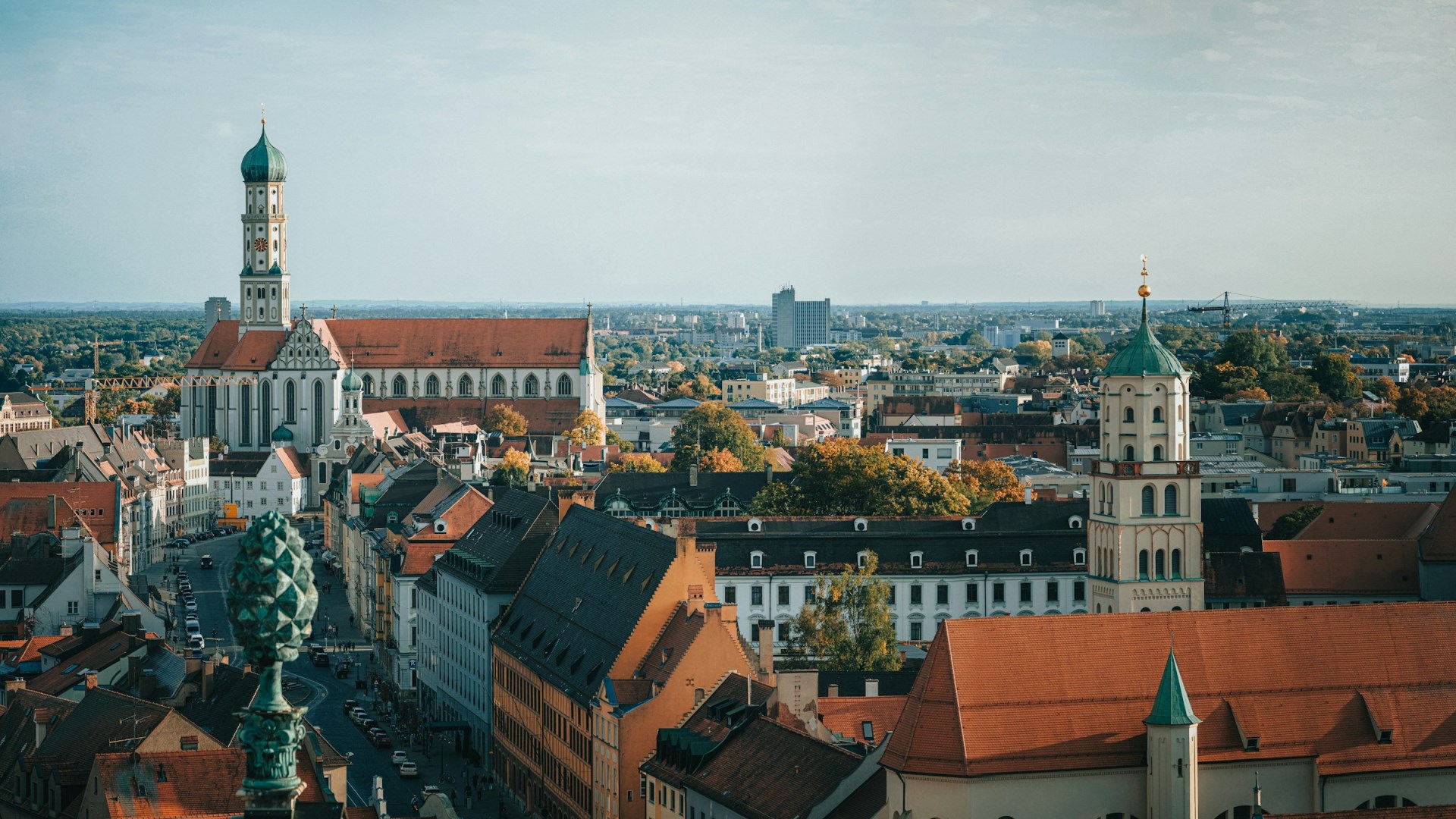
Augsburg
Augsburg was founded in 15 BC under the rule of the Roman emperor Augustus. For 400 years the city was the seat of a provincial government of the Roman empire. Its ideal location made it a crossroad of all important routes to the south. An advantage from which the powerful merchants and bankers, the Fugger family and the seafaring Welsers, likewise profited. They elevated Augsburg to rank among the world's most powerful cities. Kings and emperors were frequent guests here.

Shanghai
Shanghai is a city where contrasting timelines meet at every corner. Once a small fishing village along the Huangpu River, it grew rapidly during the 19th century into a major trading port. Today, its skyline tells a story of that transformation. On one side, the Bund’s colonial-era buildings stand tall in limestone and granite; on the other, the futuristic towers of Pudong, like the Shanghai Tower and Jin Mao, stretch into the clouds.

Rapid City
Rapid City is the gateway to iconic Mount Rushmore National Memorial and a delightful stop for your next trip to South Dakota.
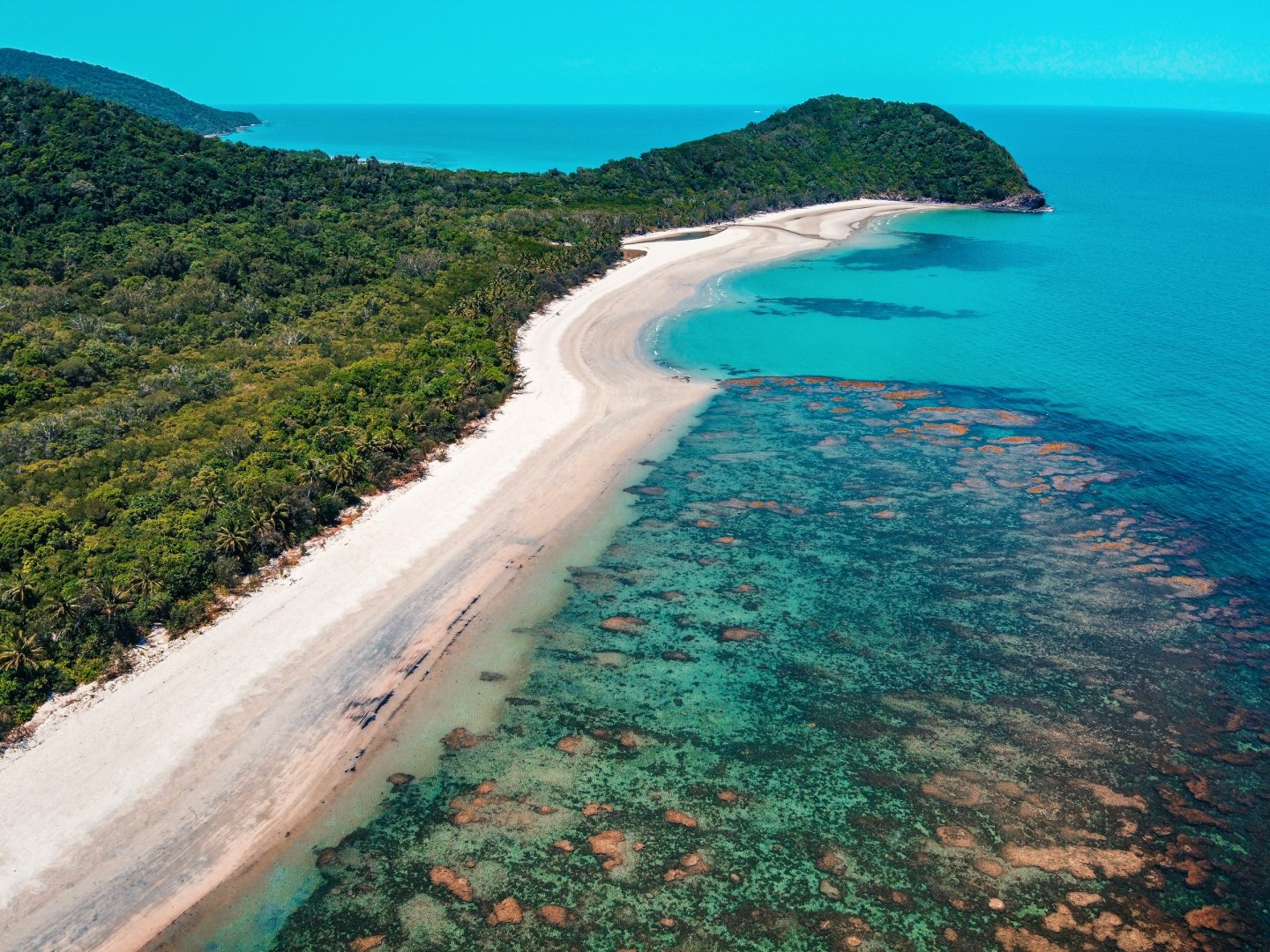
Daintree National Park
Journey through ancient tropical rainforest, rugged gorges and sandy coastlines where the forest meets the sea in Far North Queensland.
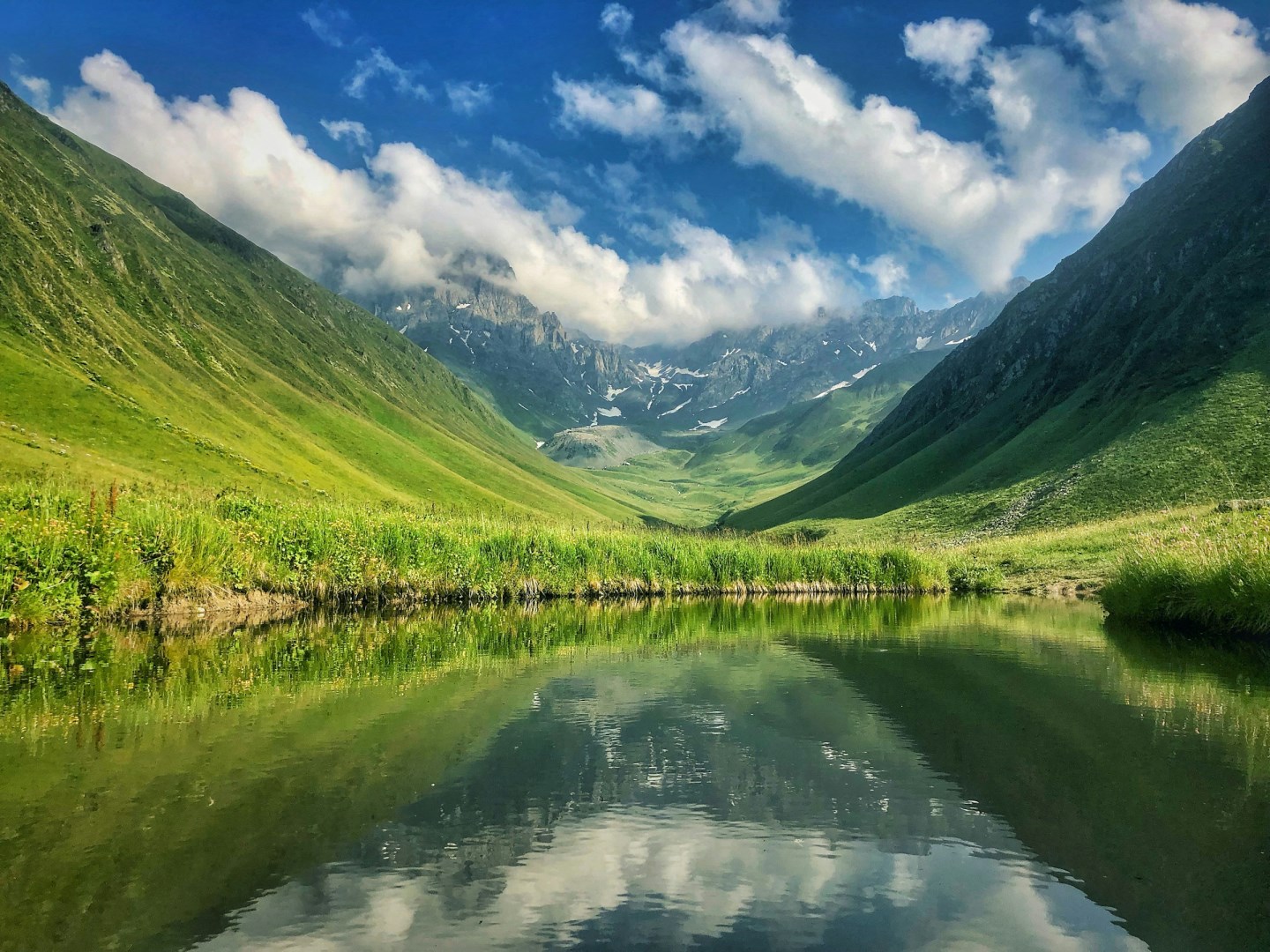
Juta
Juta is a small mountain village in northern Georgia's Kazbegi Municipality, set at roughly 2,150 meters above sea level in the Greater Caucasus. The settlement lies in the Sno Valley beneath the Chaukhi Massif, a group of steep, jagged peaks that form one of the area's defining landscapes. Juta is reached by a mountain road from the village of Sno and is surrounded by alpine meadows, rocky slopes, streams, and high peaks.