Recife
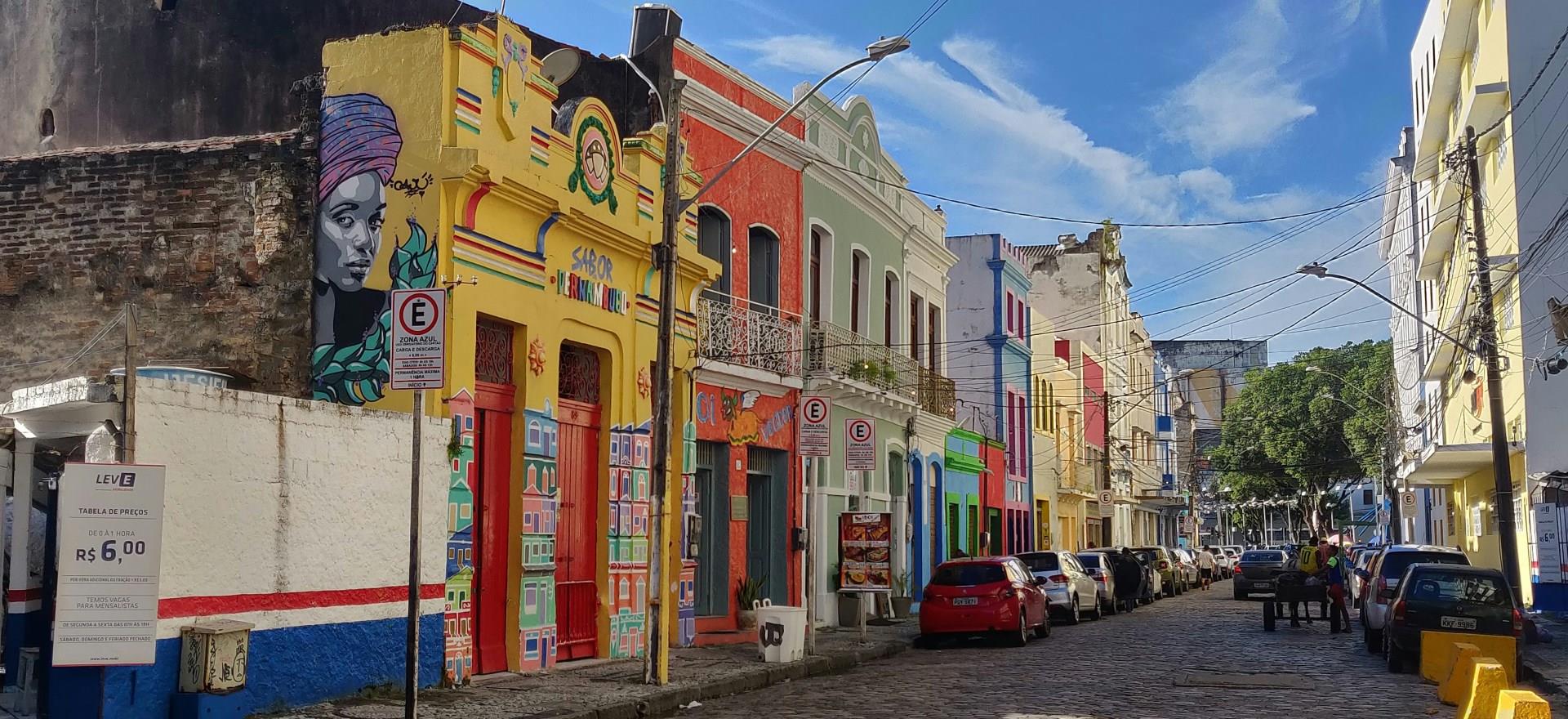
Recife, the vibrant capital of Pernambuco in northeastern Brazil, is a city where history, culture, and natural beauty intertwine to create an unforgettable destination. Known as the "Venice of Brazil" due to its many waterways, bridges, and islands, Recife offers visitors a unique blend of colonial architecture, modern urban life, and stunning coastal landscapes.
Wicklow
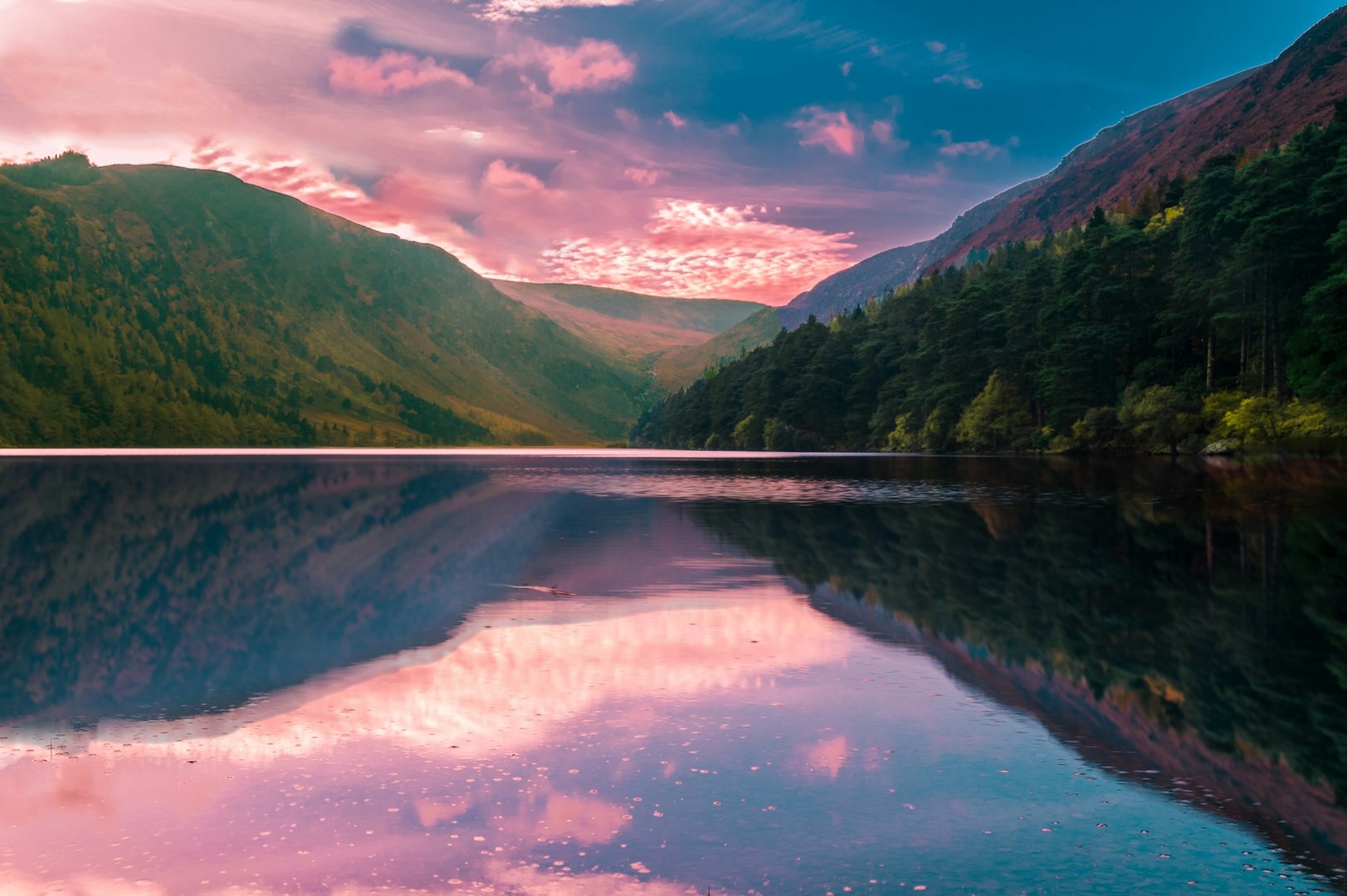
Wicklow is a coastal town in County Wicklow on Ireland’s east coast, positioned around a sheltered harbor where the Vartry River meets the Irish Sea. Known locally as the county town, it combines a working harbor, historic streets, coastal walks, and access to the wider landscapes of the Garden County. The ruins of Black Castle stand on a rocky headland above the harbor, while the Murrough provides a broad coastal wetland for walking and wildlife observation.
Te Anau
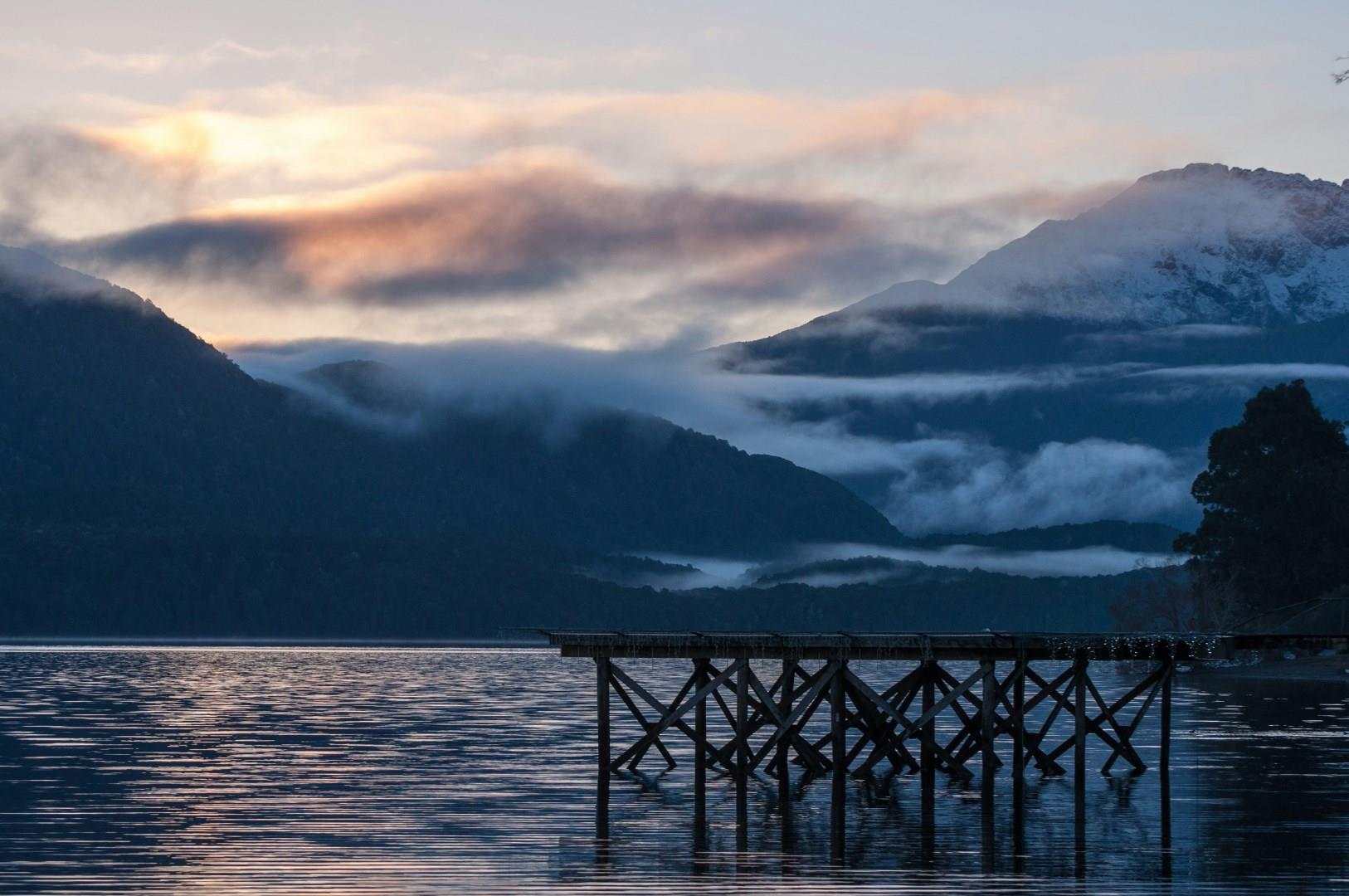
Te Anau sits on the edge of New Zealand’s second-largest lake, acting as the unofficial gateway to Fiordland National Park. While it’s often viewed as a starting point for trips to Milford Sound, the town itself offers a slower, more scenic way to experience the South Island’s dramatic landscapes. Te Anau’s lakefront is a mix of walking paths, local birdlife, and wide-open views across snow-dusted peaks.
Oruro
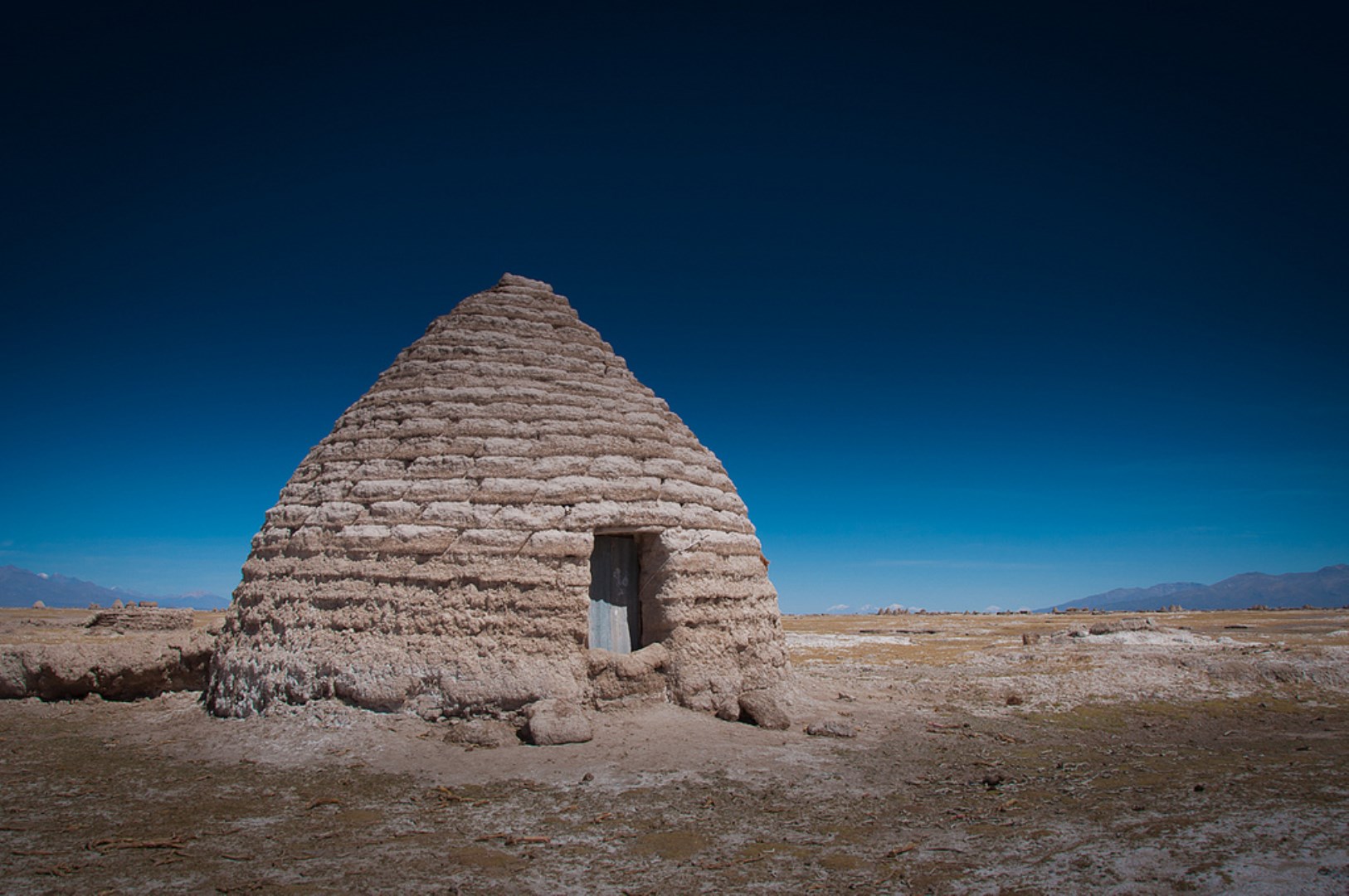
Oruro, city in western Bolivia, capital of Oruro Department, located on a plateau about 3700 m (about 12,140 ft) above sea level. Oruro is a major railroad junction and an important commercial and processing center in a mineral, especially tin, mining area. Industries in the city include tin smelting and shoe and clothing manufacture. The Technical University of Oruro (1892) is here. Oruro was settled about 1595 by Spaniards interested in its silver deposits.
Northwest Territories
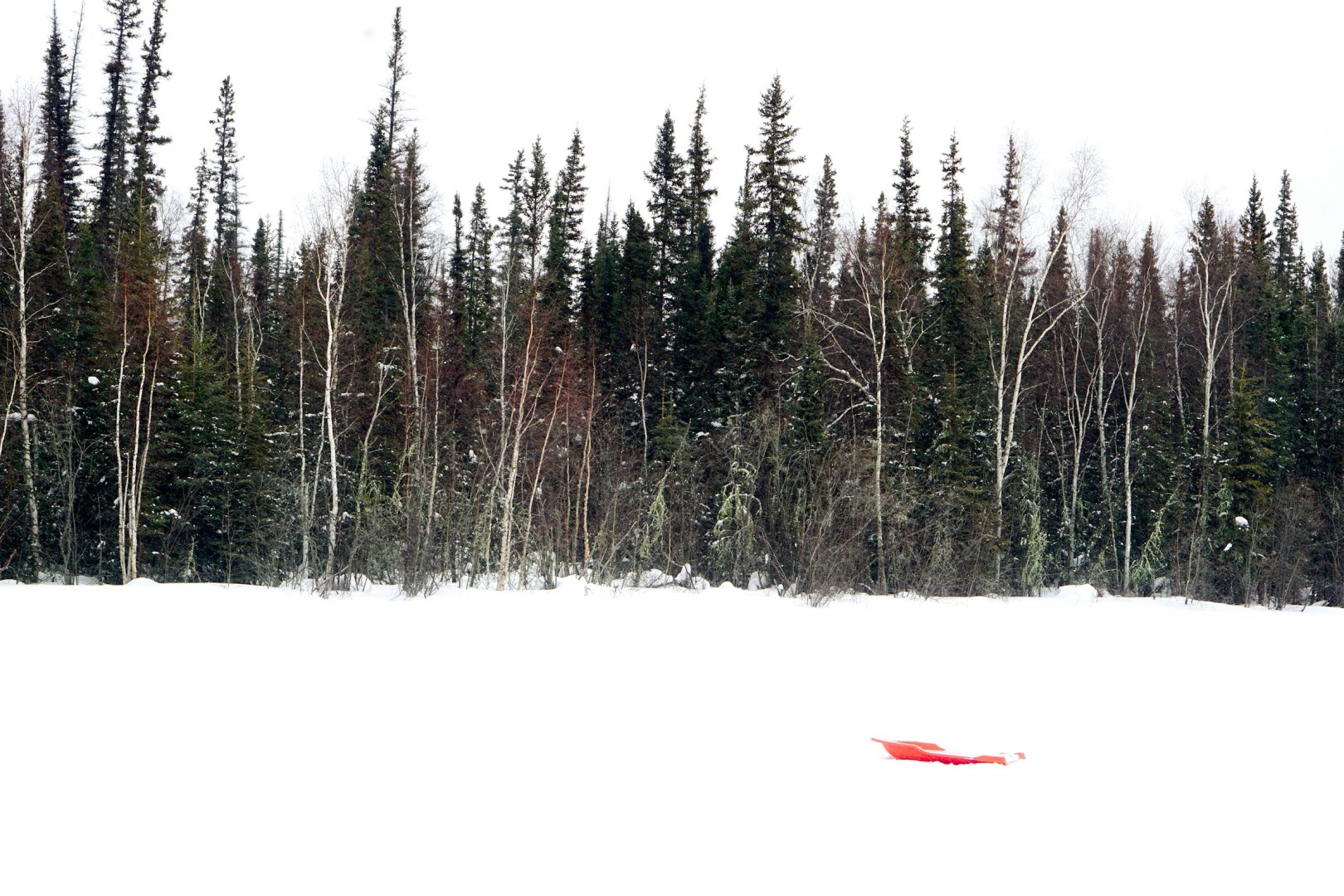
The Northwest Territories is a vast northern region of Canada defined by open tundra, boreal forests, major rivers, and some of the country’s largest lakes. Yellowknife, the territorial capital, sits on the northern shore of Great Slave Lake and serves as a central hub for travel, government, arts, and northern commerce. Farther north, communities such as Inuvik and Tuktoyaktuk provide access to the Arctic landscape and coastal regions. T