Las Vegas
Las Vegas, Nevada, is an electrifying city where glitz and glamour meet entertainment and excitement. Known as "The Entertainment Capital of the World," Las Vegas offers an unparalleled array of attractions, from its iconic casinos and luxurious hotels to its world-class dining and live shows. The city's entertainment scene is second to none, featuring legendary headliners, cutting-edge performances, and an array of themed attractions.

Guinea-Bissau
With its untouched natural wonders, rich cultural traditions, and welcoming people, Guinea-Bissau offers an off-the-beaten-path experience for those seeking something truly unique.
Paramaribo
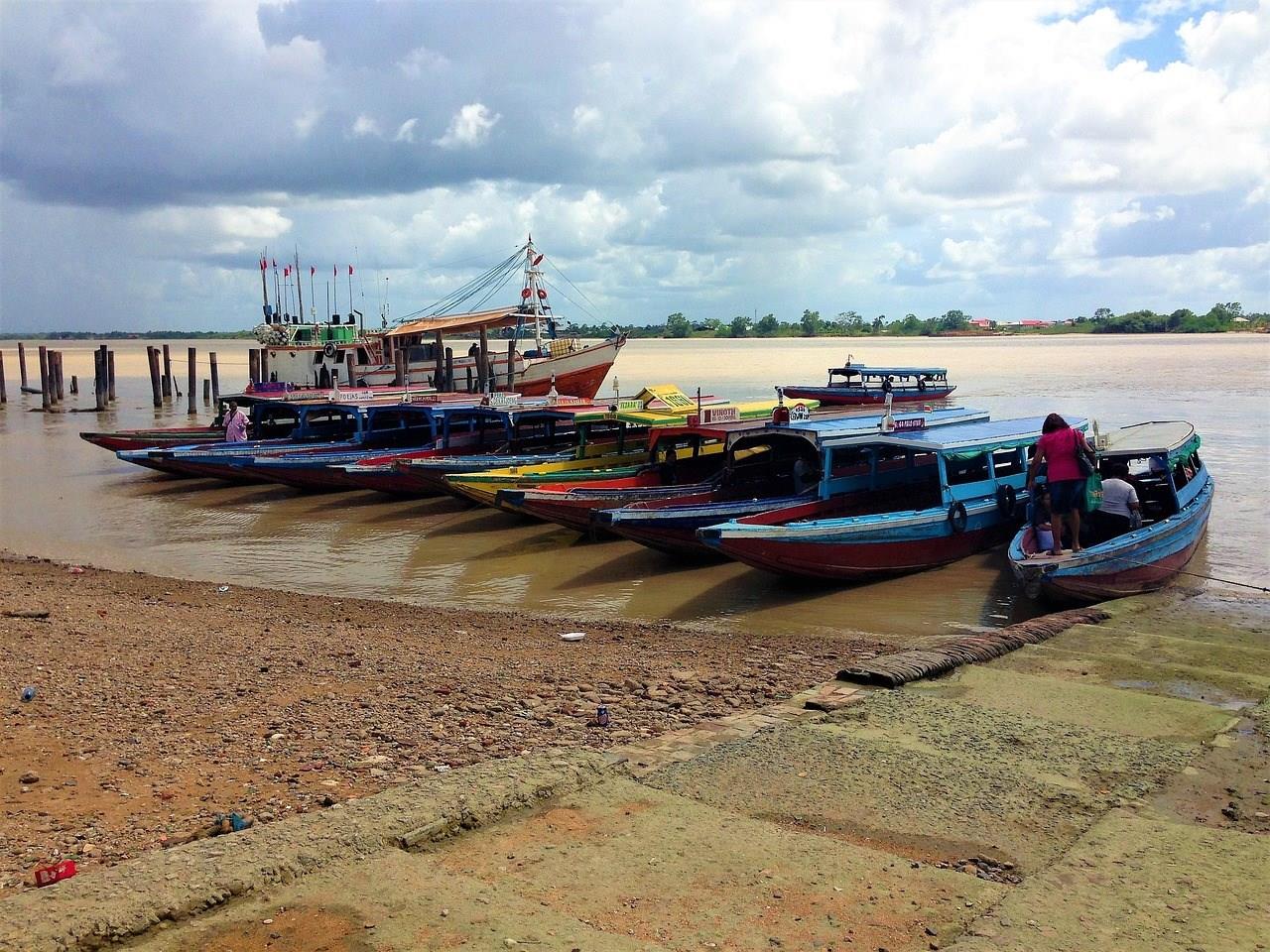
Paramaribo, Suriname’s capital, unfolds like a living storybook along the Suriname River, where wooden structures from the 17th and 18th centuries still stand today. This historic heart reveals a rare fusion of Dutch design and local craftsmanship. Visitors can stroll the Waterkant, a riverside avenue, and take in landmarks such as Fort Zeelandia, the neoclassical Reformed Church, and the lofty wooden Cathedral of St. Peter and Paul.
Olbia
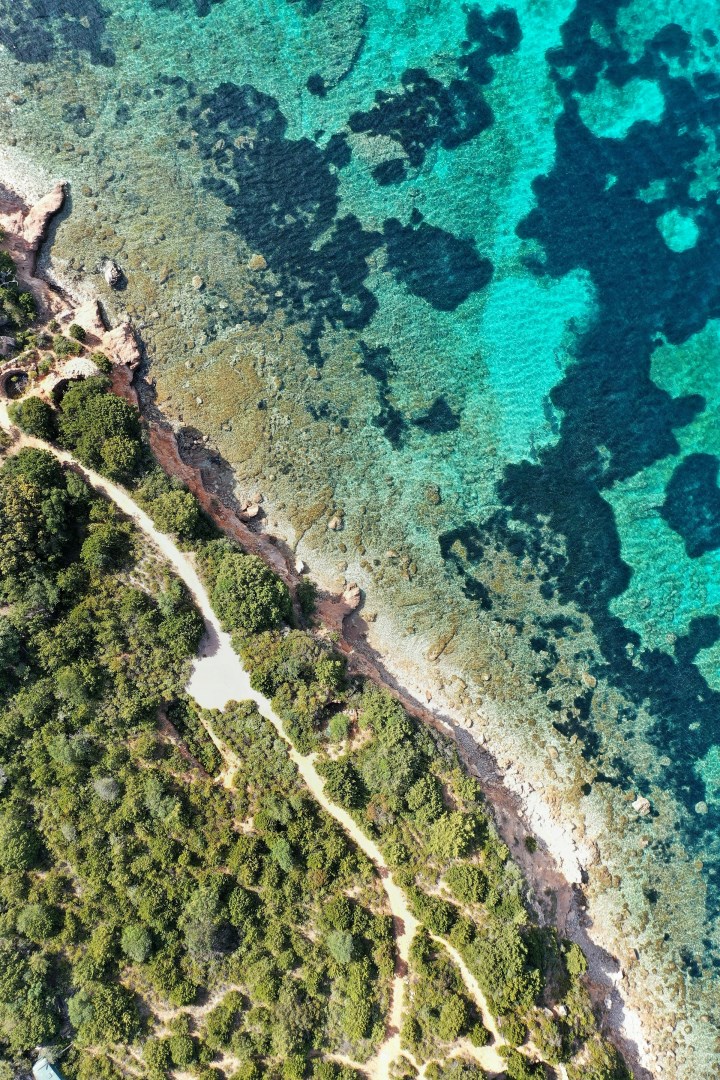
Olbia, located on the northeast coast of Sardinia, offers a blend of history and modernity. The city is known for its well-preserved ruins and historical sites, such as the Basilica di San Simplicio, an 11th-century Romanesque church built from local granite.
Sunset Key
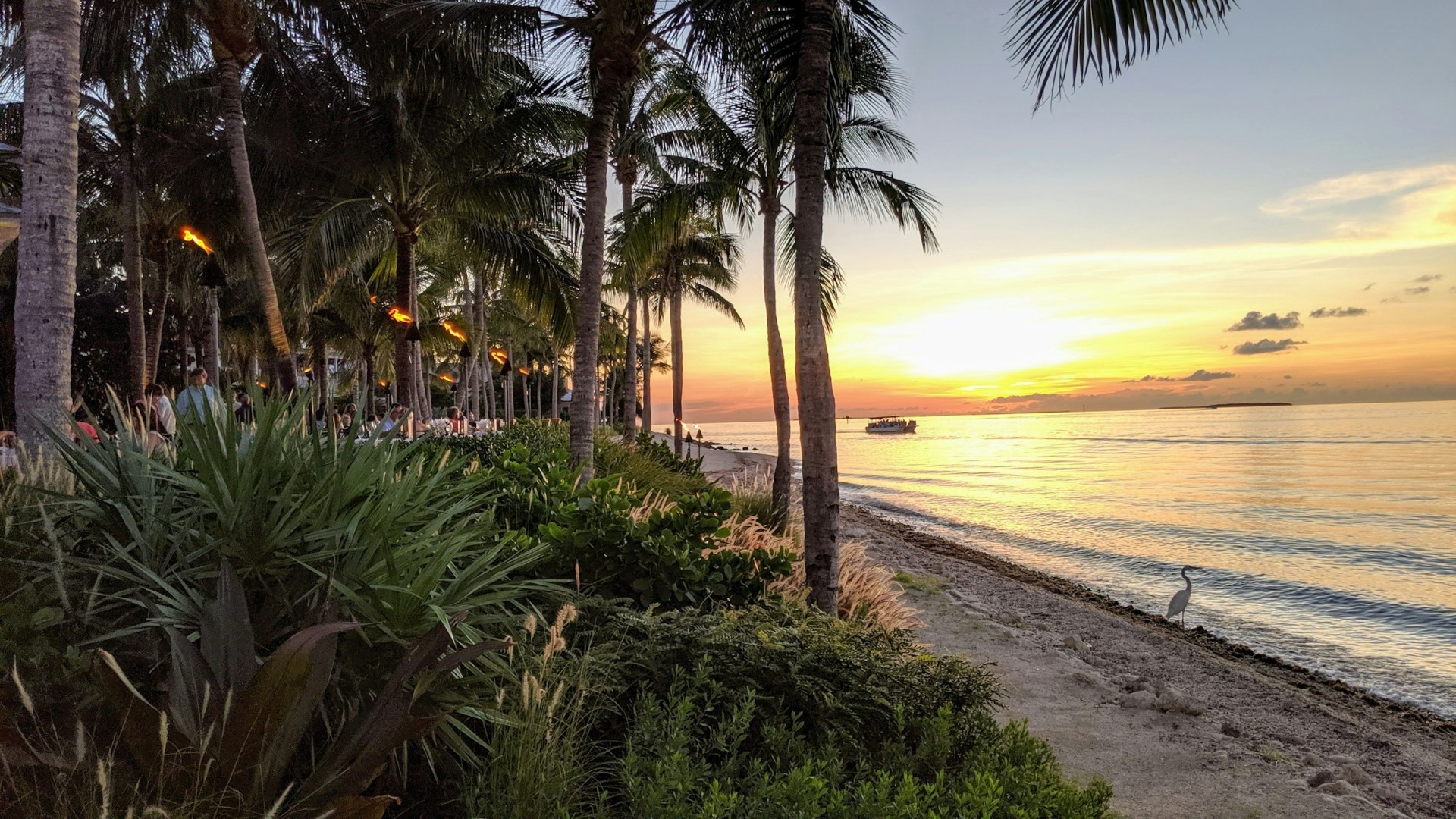
Sunset Key is a small private island just offshore from Key West in the Florida Keys, offering a quieter setting surrounded by the Gulf of Mexico. The island is centered on residential properties and the Sunset Key Cottages resort, with white-sand beaches, palm trees and low-rise buildings arranged along brick-paved paths. Access is by boat from Key West, giving the island a distinct separation from the busy streets of the city. Its compact size and waterfront setting make Sunset Key notably dif