Speyer
Speyer, located in the Rhineland-Palatinate region of Germany, is a city rich in history and culture. One of its most notable landmarks is the Speyer Cathedral, a UNESCO World Heritage Site and one of the largest Romanesque churches in the world.
Manama
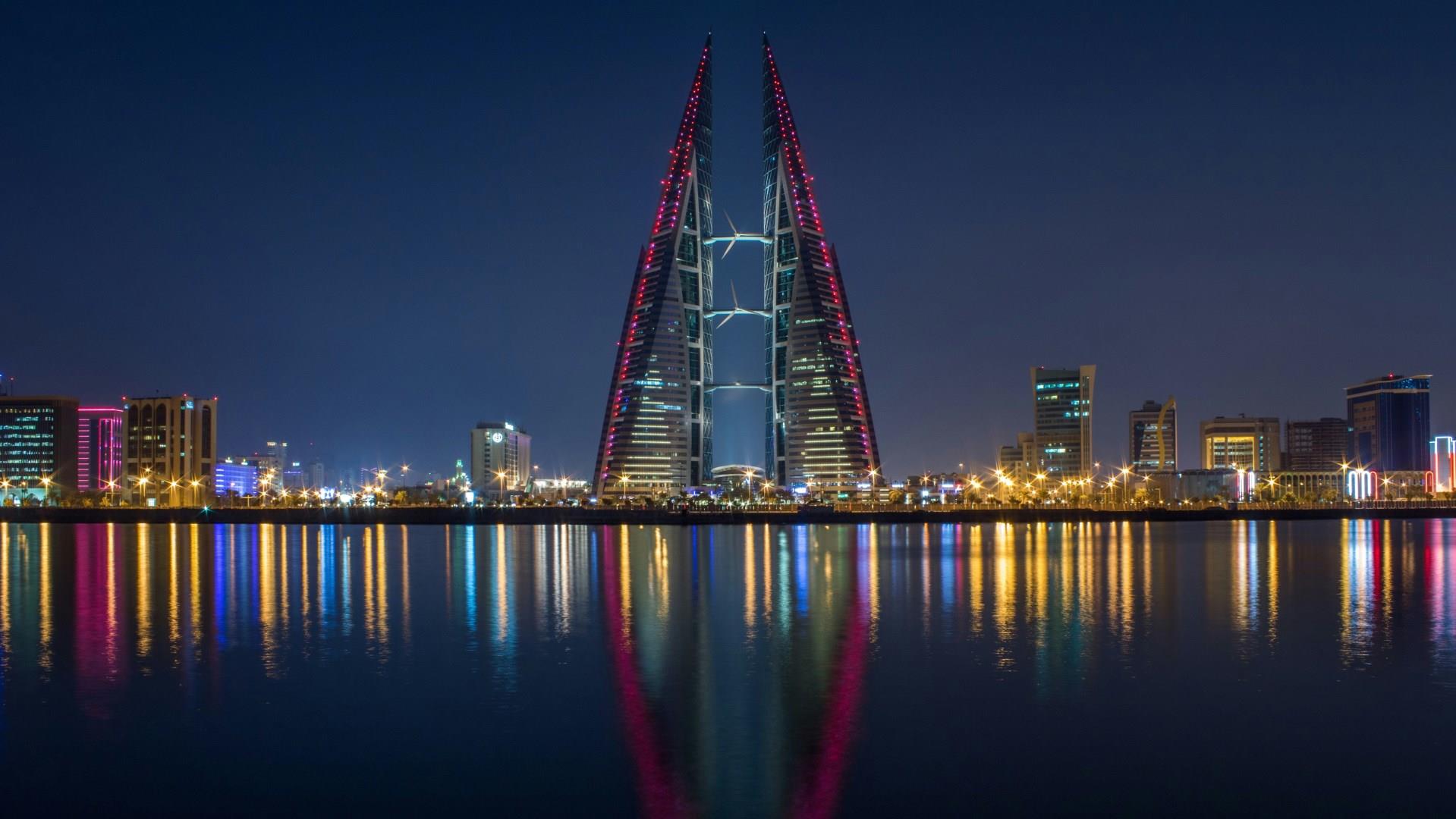
Manama pulses with stories from long ago and today. Just beyond the modern skyline lies Qal’at al‑Bahrain, a layered mound once the capital of Dilmun, used by societies from the Kassites to the Portuguese. Visitors can climb its crumbling stairways and imagine life across centuries there. Nearby, the Bahrain National Museum, opened in 1988 in a stately waterside building, displays archaeological finds from ancient Dilmun to modern-day artifacts and is one of the Gulf's first modern museums.
Kigali
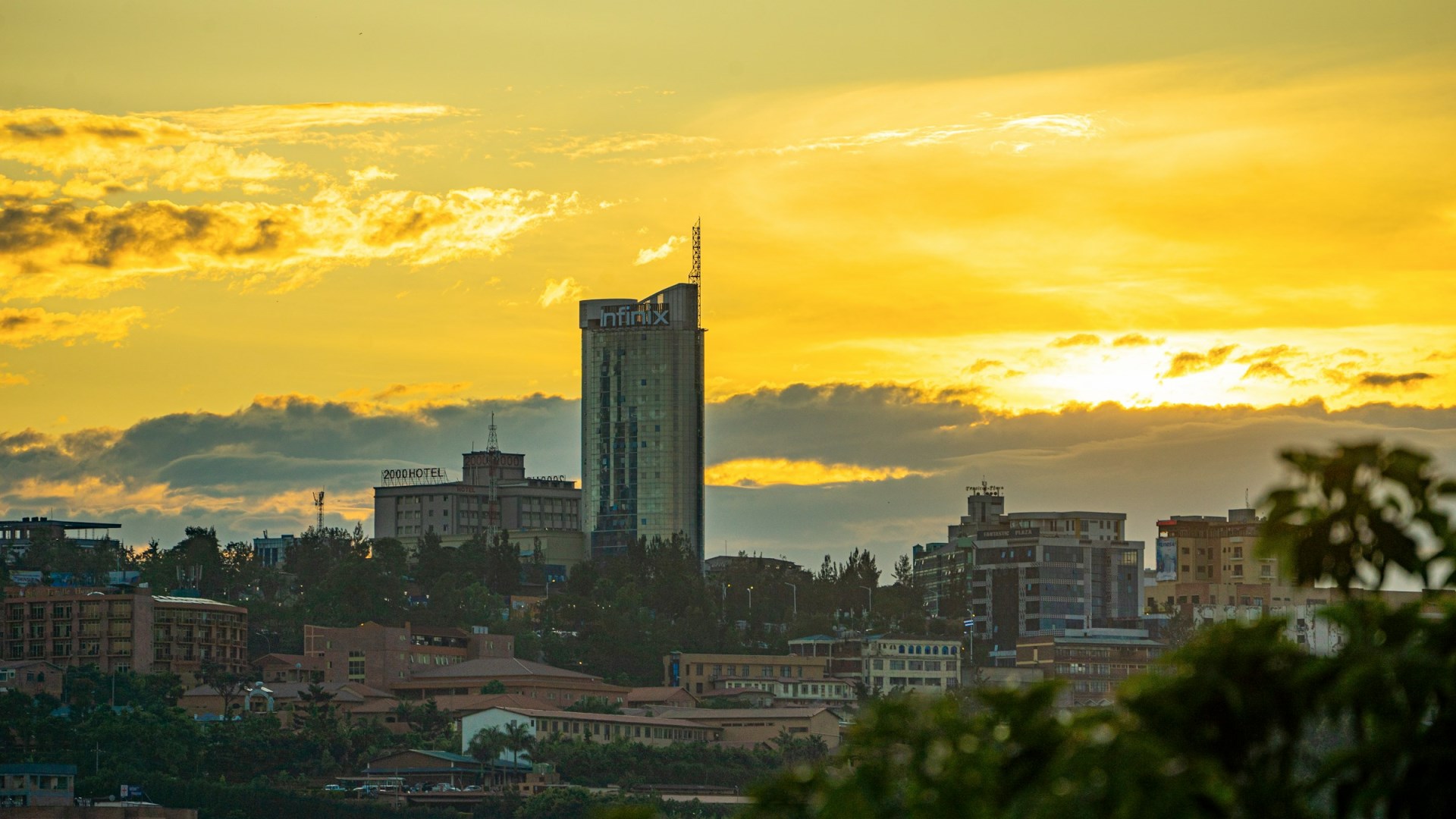
Kigali, the capital of Rwanda, is a city that blends modern energy with deep cultural roots. Set among rolling hills, it offers striking views at nearly every turn.
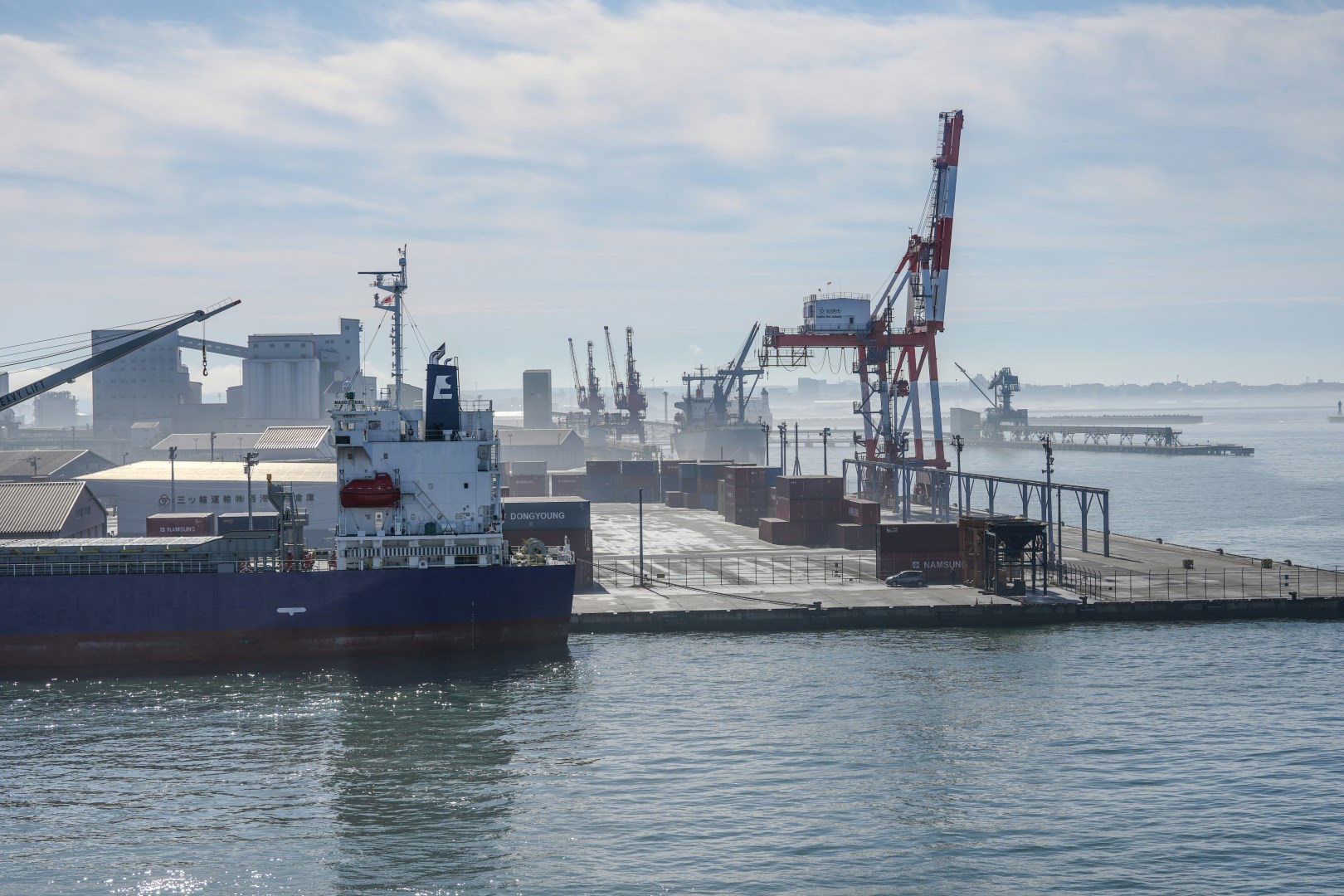
Kushiro
Kushiro is a port city on the eastern coast of Hokkaido, Japan’s northernmost main island. The city faces the Pacific Ocean and is known for its fishing industry, wetlands, and cool maritime climate. Fog drifting in from the sea is common during warmer months and has become one of Kushiro’s defining natural features.

Aberdeen
ABERDEEN -- Scotland's third-largest city (pop. 187,000) is characterized by buildings of beautiful white granite. Set beside the North Sea, Aberdeen is both a university town and the capital of the Scottish oil boom. It is also one of Scotland's largest seaside resorts (though its appeal is confined to those who like their water well-chilled).