Spitzkoppe
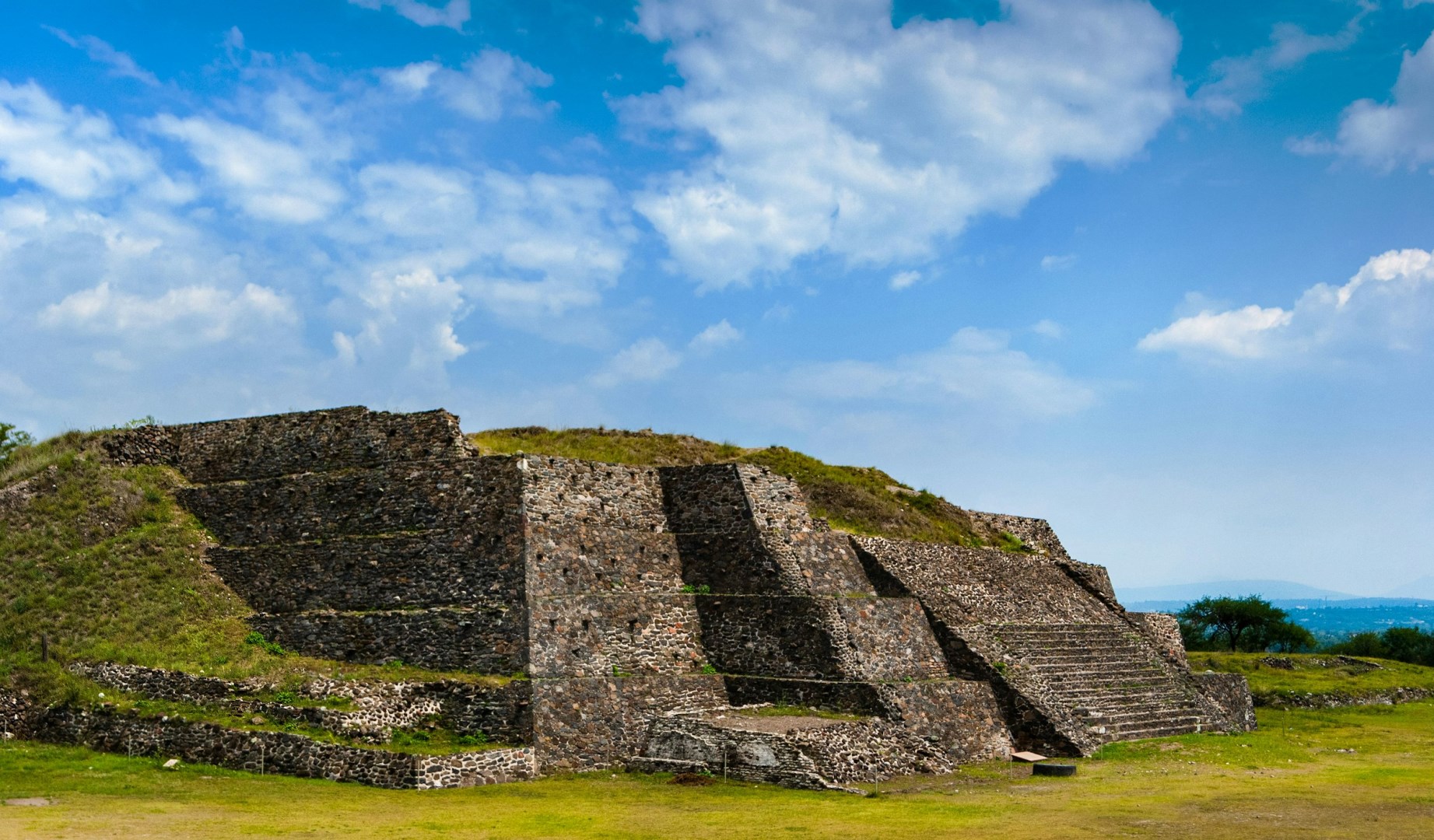
Spitzkoppe, often referred to as the "Matterhorn of Namibia," is a stunning granite peak rising majestically from the desert floor, offering some of the most dramatic landscapes in the country. Located between Usakos and Swakopmund, this isolated mountain range, with its highest point standing at 1,728 meters, is a paradise for hikers, climbers, and nature lovers. The area is also rich in ancient San rock art, providing visitors with a glimpse into Namibia's prehistoric past.

Dominica
Dominica, known as the “Nature Island of the Caribbean,” is a haven for eco-tourists and adventure seekers. Nestled between the French islands of Guadeloupe and Martinique, this lush island boasts a remarkable landscape of volcanic mountains, dense rainforests, and stunning waterfalls. Dominica’s most iconic natural wonder is the Boiling Lake, the second-largest hot spring in the world.

Phillip Island
Phillip Island, a serene escape located just 90 minutes from Melbourne, Australia, is a natural wonderland that entices visitors with its stunning coastal landscapes and unique wildlife experiences. The island is most famous for its Penguin Parade, where every evening at sunset, hundreds of little penguins—the smallest penguin species in the world—waddle ashore to their burrows on Summerland Beach.
Norfolk
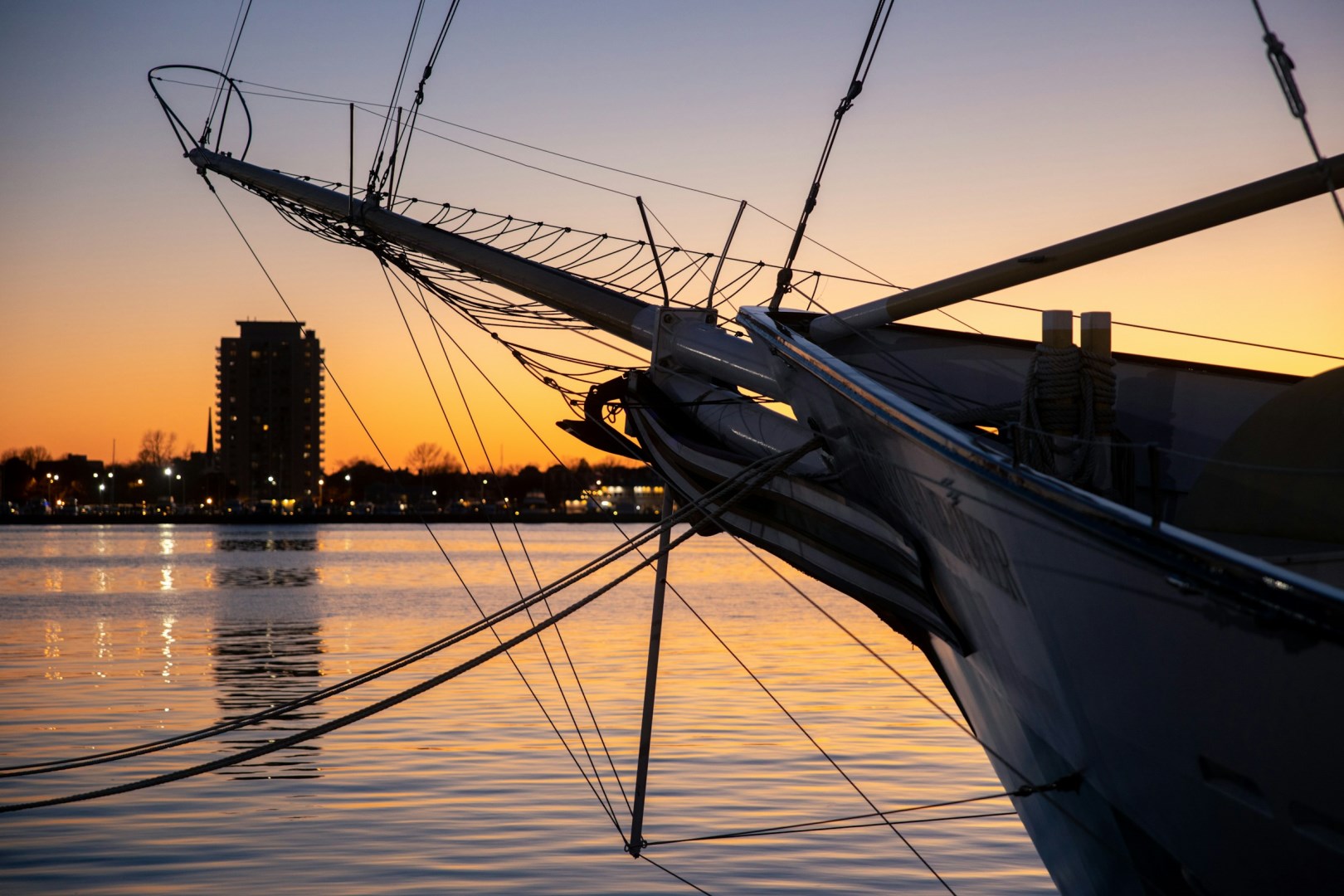
Norfolk, the second largest city in Virginia (after Virginia Beach) is located at the mouth of the James, Elizabeth, and Nansemond rivers, near the outlet of Chesapeake Bay on the Atlantic Ocean. With the cities of Hampton, Portsmouth, and Newport News, Norfolk forms the port of Hampton Roads, one of the greatest natural harbors in the world.
Killington
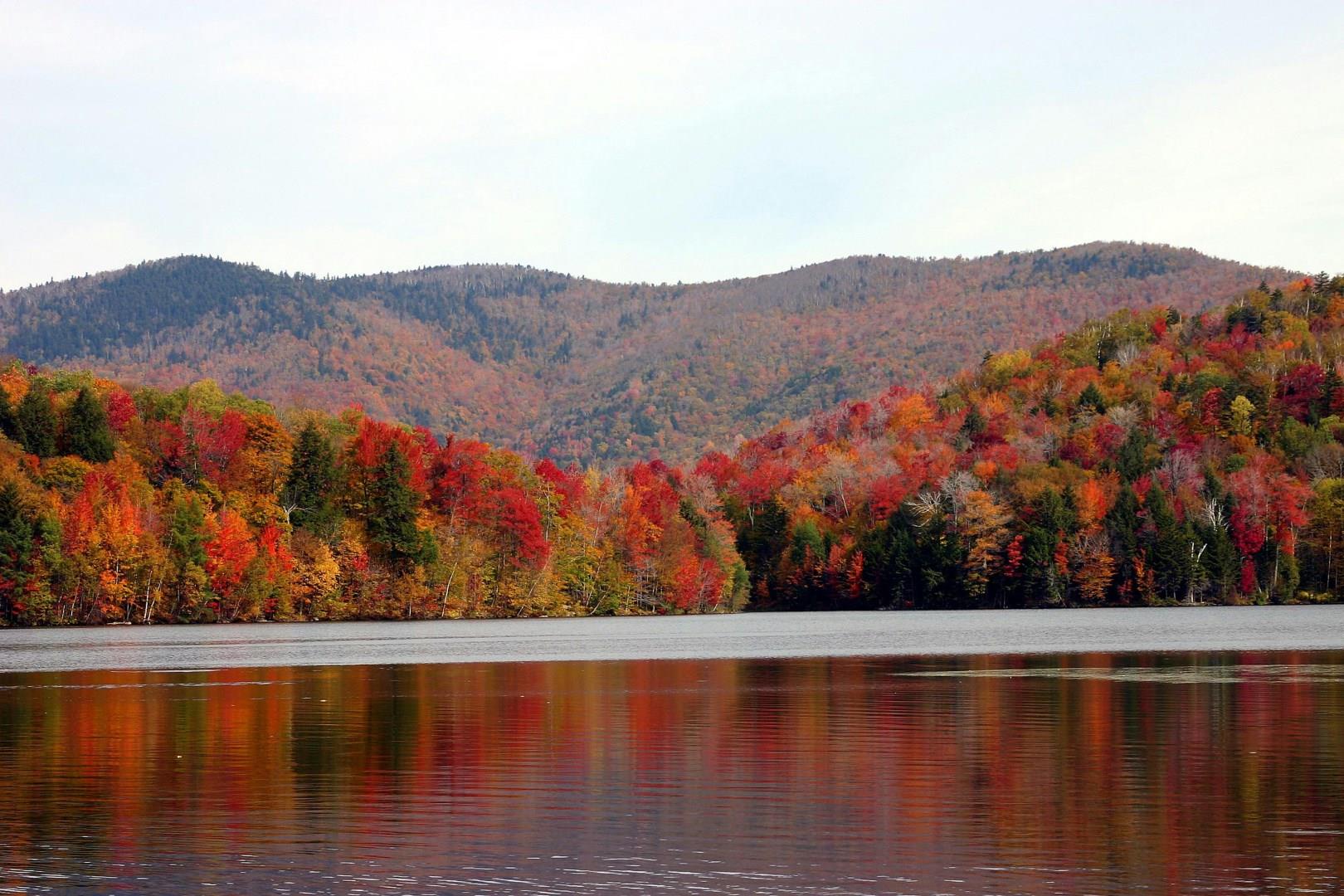
Killington, Vermont is best known for its ski resort, the largest in the eastern United States, but the town offers more than just winter slopes. Nicknamed “The Beast of the East,” Killington Resort spans six mountain peaks and includes over 1,500 acres of terrain. It was one of the first ski areas in the country to adopt snowmaking technology in the 1960s, and it continues to operate one of the longest ski seasons in North America, sometimes stretching from October into May.