Copper Canyon
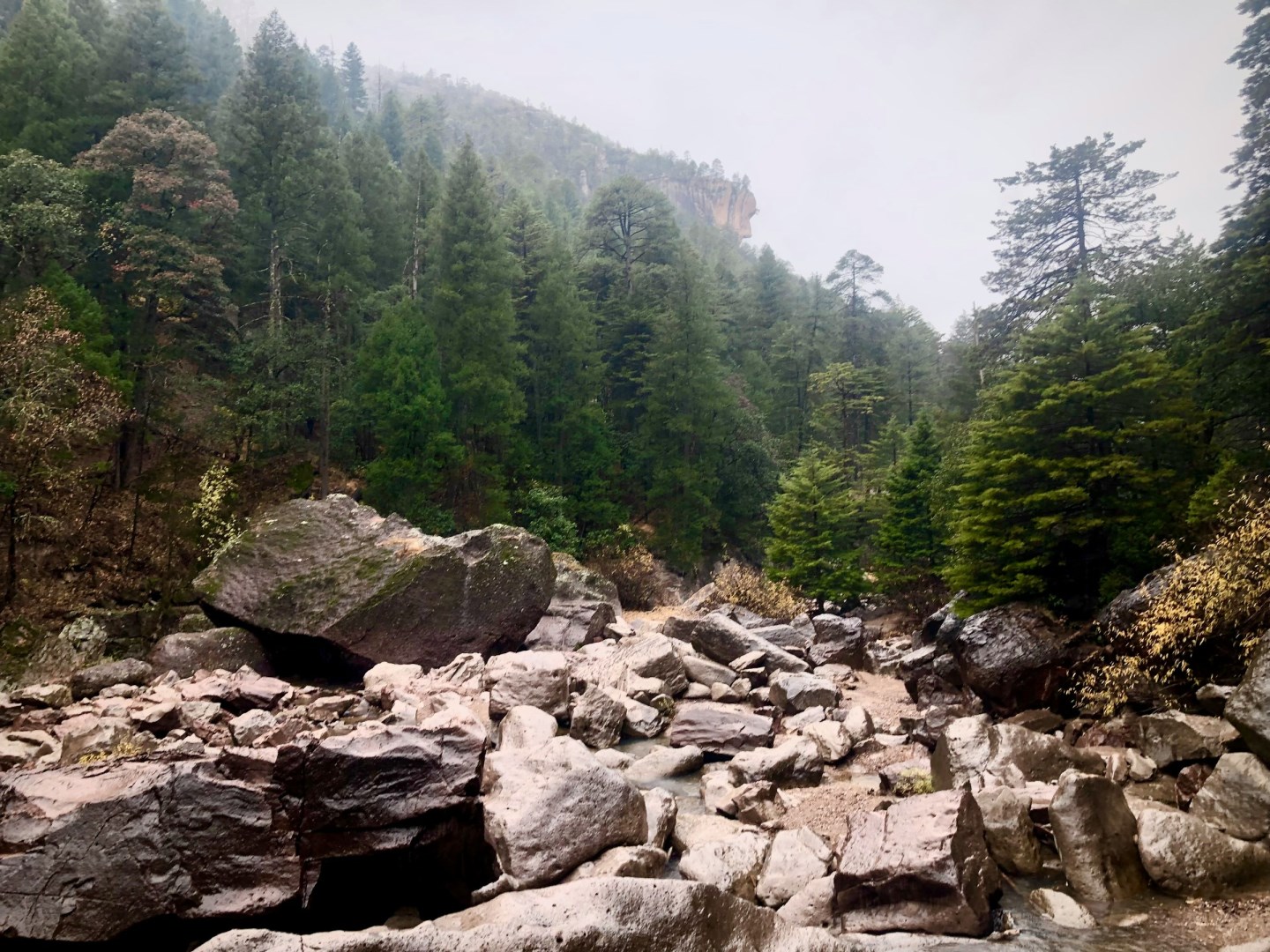
Copper Canyon is actually not a single canyon, but rather a series of more than 20 canyons running through the northern region of Mexico. The canyon covers over 20,000 square miles and is four times larger than the Grand Canyon in the United States.

Avignon
Located on the Rhône River, Avignon is the city to which the Popes fled when leaving the corruption of Rome in the 14th century. The palace they built, 'Le Palais des Papes,' is a breathtaking must see.
Chyulu Hills National Park
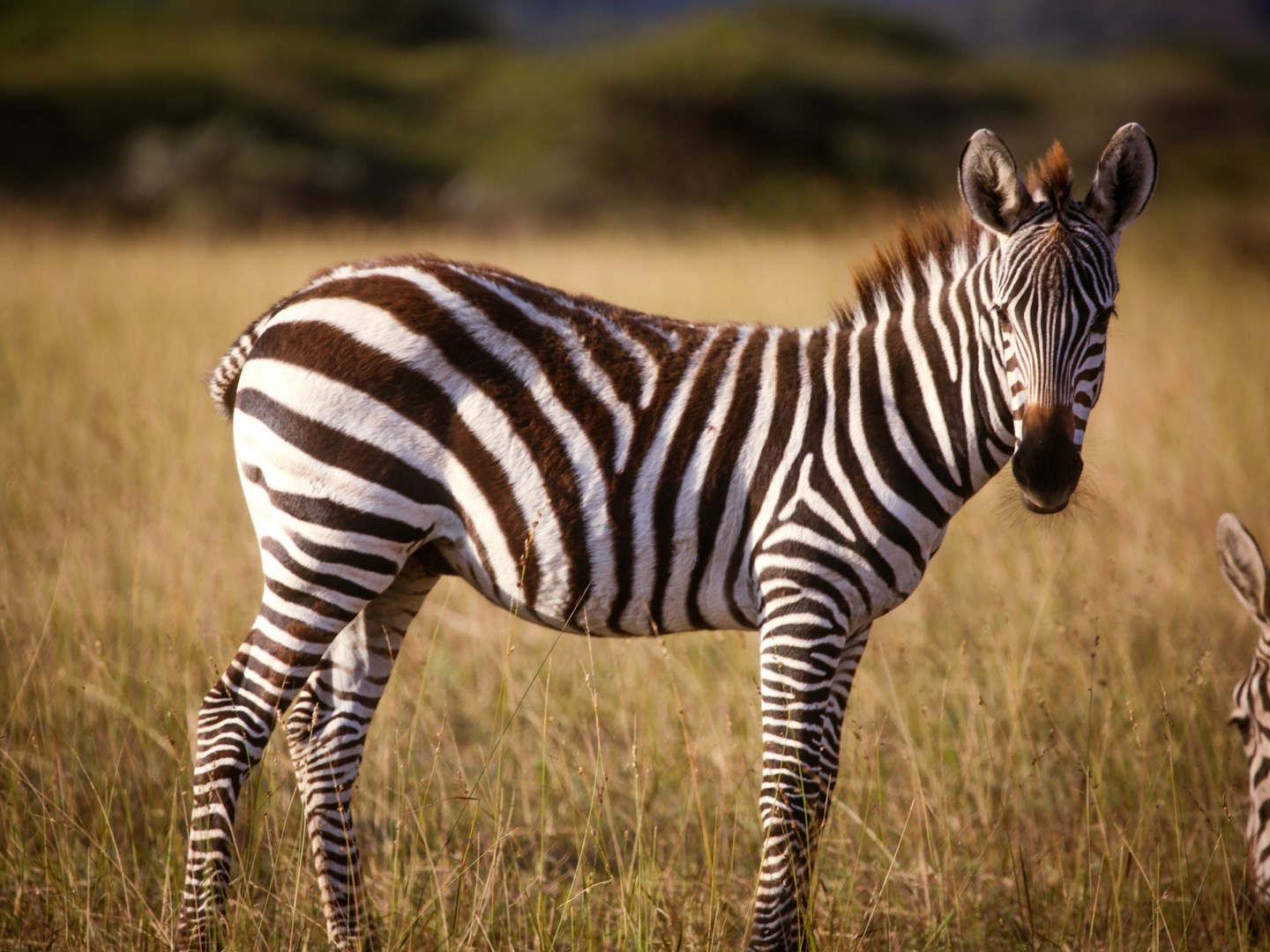
Chyulu Hills National Park lies in southeastern Kenya between Amboseli and Tsavo, forming a long range of volcanic hills covered by grassland, shrubland, and patches of montane forest. The hills rise from the surrounding plains and are shaped by relatively recent volcanic activity, with lava flows, cones, caves, and other geological features visible across the landscape.

Kraków
Kraków lies in southern Poland along the Vistula River and serves as one of the country’s most recognized cultural centers. Its layout is shaped by a well-preserved historic core, with streets radiating from a large central square. The city retains a human scale, where daily life unfolds among historic buildings, universities, and markets. It stands apart for its continuity of urban life, where medieval structures coexist with modern institutions without dramatic contrast.
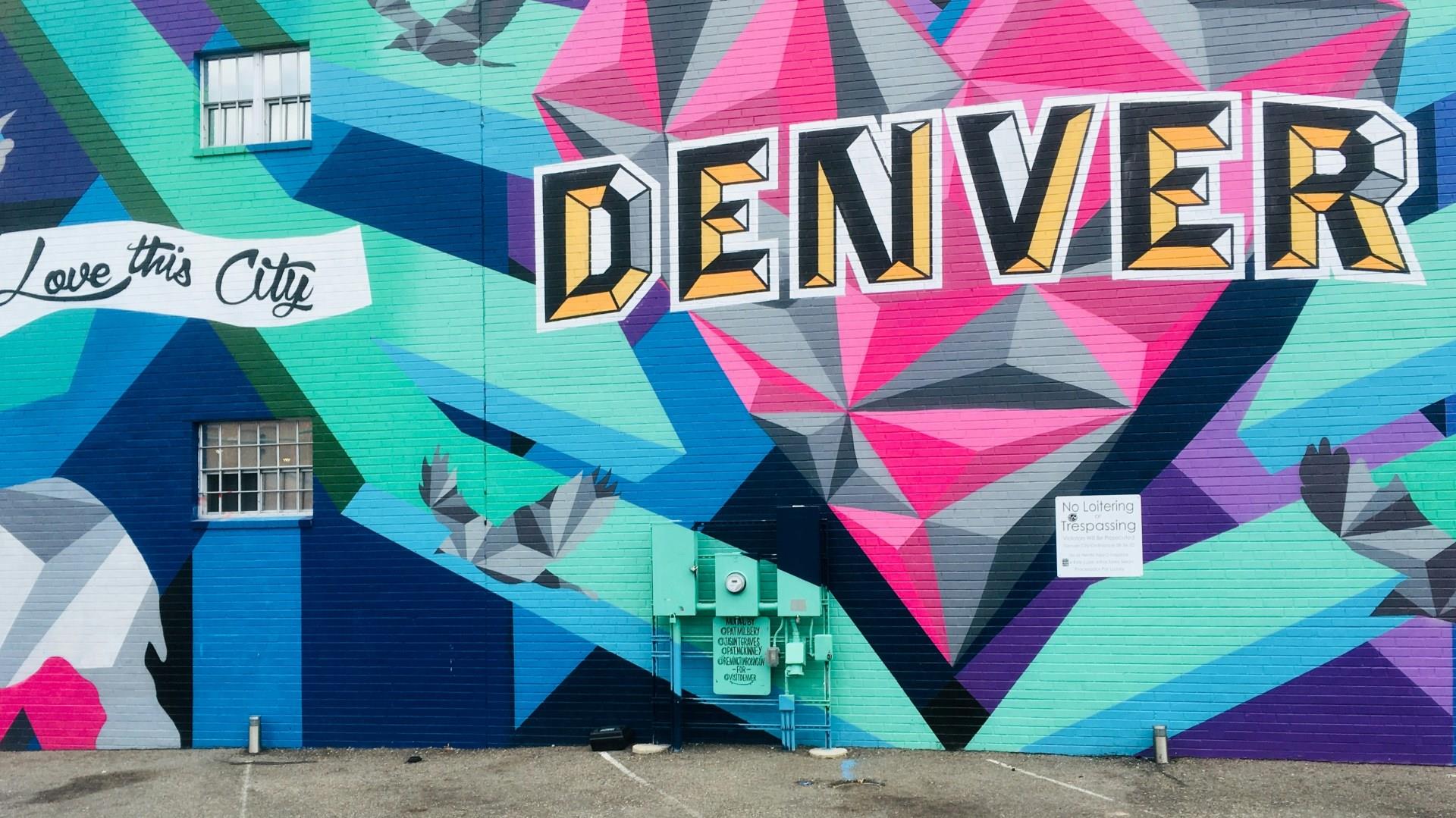
Denver
Denver, Colorado, known as the “Mile High City” for its elevation exactly 5,280 feet above sea level, offers far more than a mountain backdrop. It’s a city where old saloons, Victorian homes, and vintage brick warehouses sit beside sleek skyscrapers and buzzing food halls. While the nearby Rocky Mountains are visible from almost anywhere in the city, places like City Park and Washington Park offer wide green spaces right in town.