Amsterdam
Amsterdam, the 17th century capital of Holland, is often called the "Venice of the North" due to its numerous, boat-navigable canals. Truly rich in history, the oldest part of this populous, multicultural city is Sloten, which dates all the way back to the 9th century.

Portofino
Portofino, Italy, is a jewel on the Italian Riviera, famed for its colorful buildings, glamorous yachts, and charming harbor. This picturesque fishing village, with its pastel-colored houses that cascade down to the emerald-green waters, exudes a quaint yet luxurious atmosphere. The Piazzetta, the heart of Portofino, is a lively square where visitors can sip an espresso or enjoy fresh seafood while watching the elegant boats bobbing gently in the harbor.

Inyeug
Inyeug, more commonly known as Mystery Island, is a tiny, uninhabited islet off the coast of Aneityum in Vanuatu’s southernmost province. Measuring just 1.5 kilometers long, the island is completely free of roads, shops, and electricity. What it offers instead is pure seclusion and untouched beauty. Cruise ships often anchor offshore, bringing day visitors to its white-sand beaches and shallow coral lagoons, but once they depart, the island returns to stillness.

Jeddah
Jeddah sits along Saudi Arabia’s Red Sea coast and has long served as a gateway between the Arabian Peninsula and the wider world. For centuries, merchants, pilgrims, and travelers passed through its port on the way to Mecca, shaping a city known for openness and exchange.
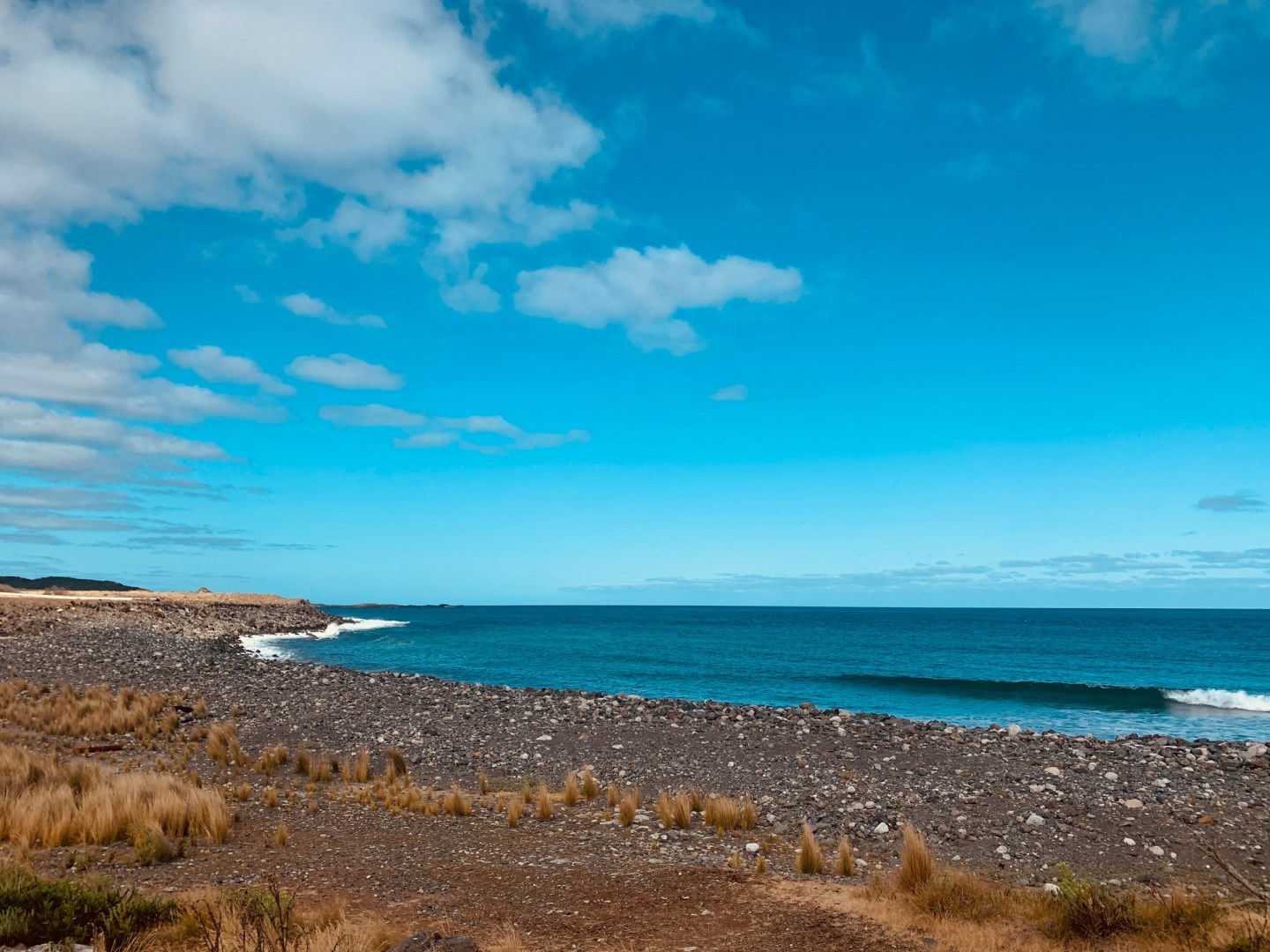
King Island Tasmania
King Island was discovered in 1798, and was a preferred breeding area for sea elephants and seals. Around the island are many shipwrecks, caused by the rough seas of the Bass Strait.