New York
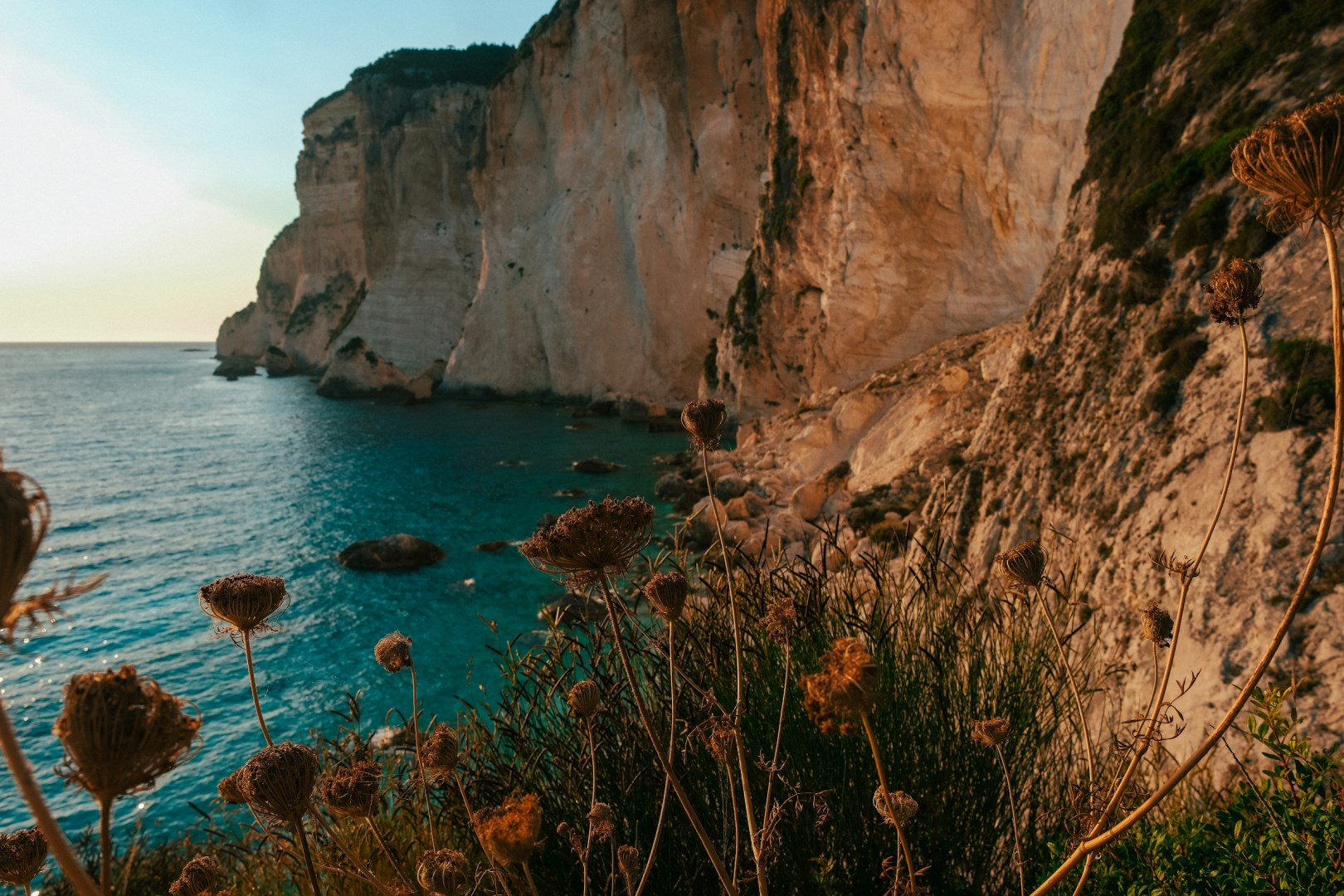
New York is more than a state, it’s a collection of vivid contrasts where small-town traditions meet global icons. Beyond the skyscrapers of Manhattan, visitors discover everything from glacier-carved lakes in the Finger Lakes region to quiet mountain villages in the Adirondacks. In upstate towns like Saratoga Springs and Hudson, restored main streets are lined with galleries, cafés, and antique shops, offering a slower pace steeped in local pride.
Bend
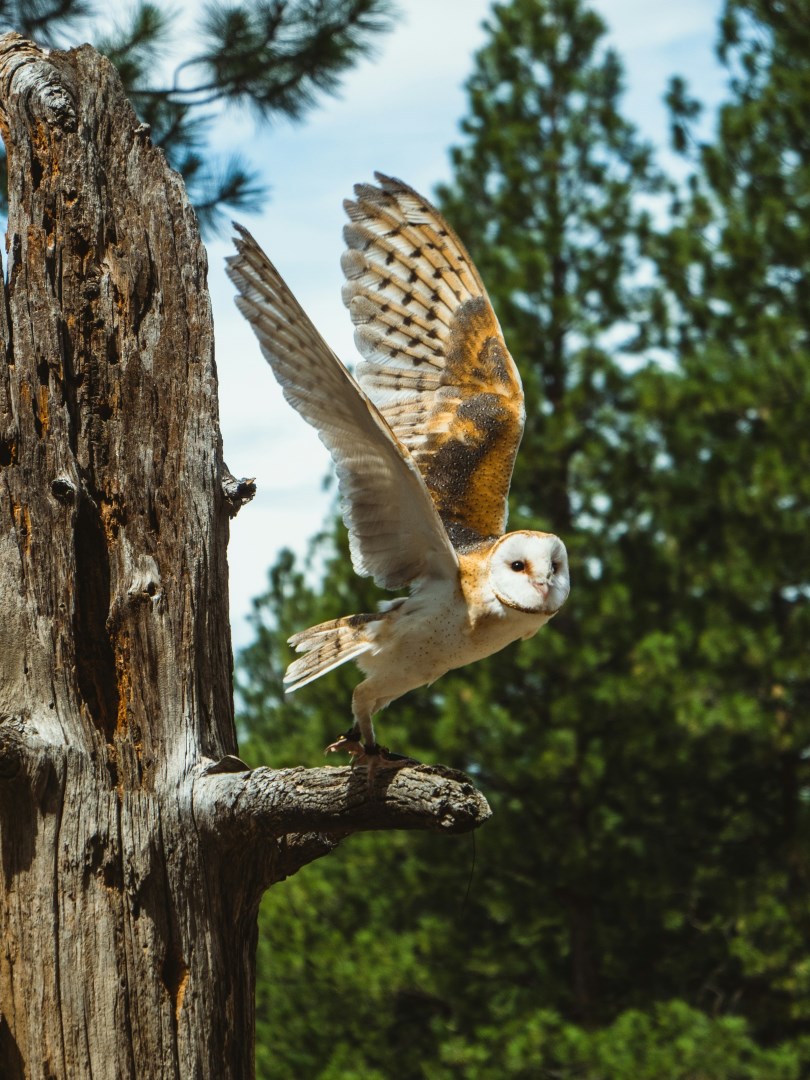
Central Oregon. Nestled along the Deschutes River, Bend is renowned for its outdoor activities and vibrant culture. The city is a haven for outdoor enthusiasts, offering year-round opportunities for hiking, biking, and skiing. The nearby Mount Bachelor, a popular ski resort, transforms into a winter wonderland with over 4,000 acres of skiable terrain. In the warmer months, it serves as a hub for mountain biking and hiking, with trails that cater to all skill levels.

Capri
Capri, a jewel of the Tyrrhenian Sea, has long been a favorite retreat for emperors, artists, and writers. This enchanting island off Italy's Amalfi Coast captivates with its dramatic cliffs, turquoise waters, and timeless elegance. The most iconic sight on Capri is the Blue Grotto, a sea cave illuminated by a magical blue light created by sunlight passing through an underwater cavity.

Norwegian Sea
The Norwegian Sea, situated between Norway and the Arctic Ocean, offers a breathtaking adventure in one of Europe’s most rugged and enchanting regions. This body of water is bordered by Norway's western coastline, the Faroe Islands, and the northern reaches of Iceland, each contributing to its unique allure.
Jordan Valley
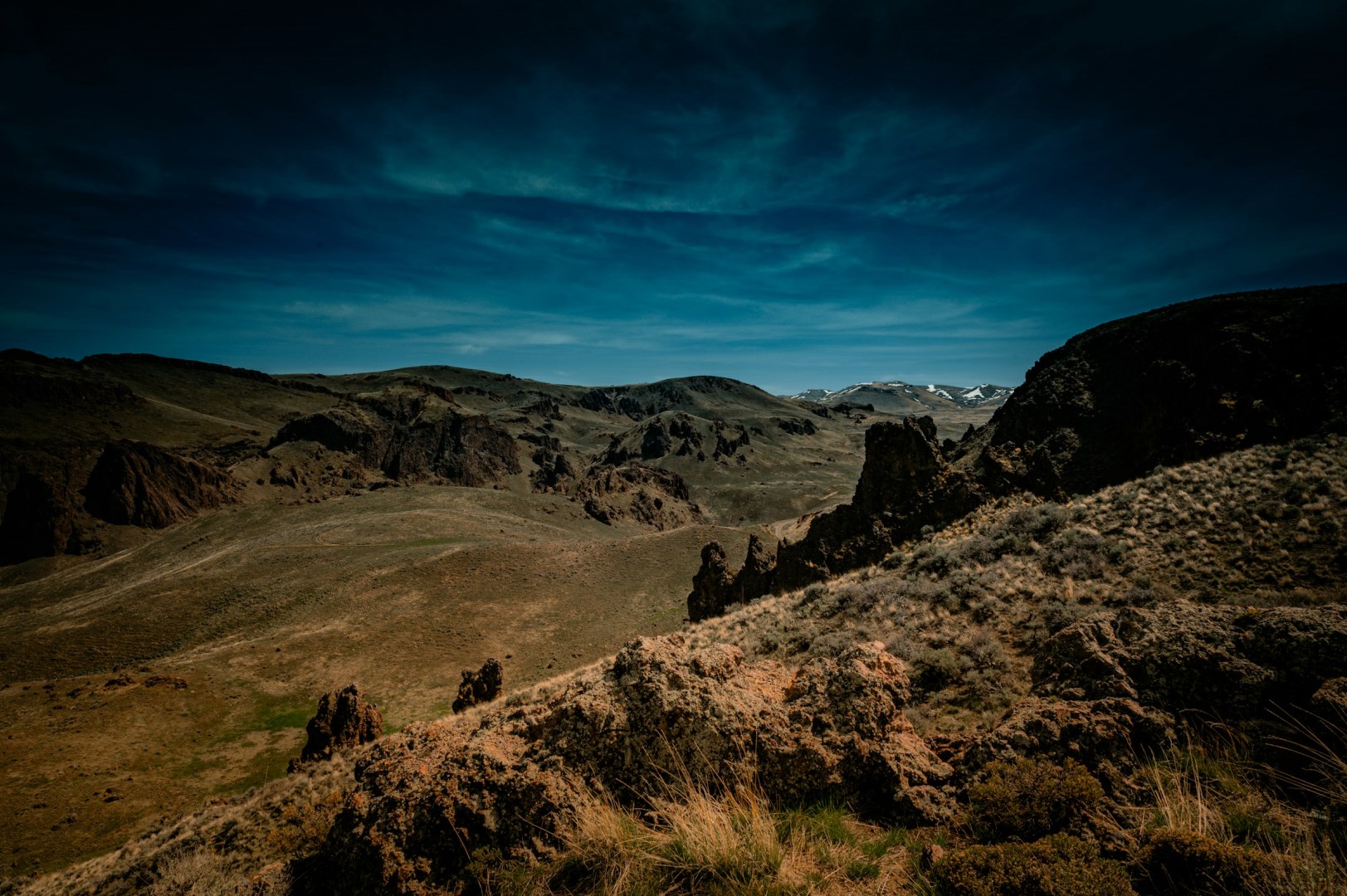
Jordan Valley is a small community in southeastern Oregon near the Idaho border, surrounded by the open high-desert landscape of Malheur County. The area is characterized by sagebrush plains, dry hills, rocky ridges, and wide views across a sparsely populated region. Jordan Creek runs through the valley, providing a natural feature in an otherwise arid environment. The community developed as a ranching and agricultural center and remains closely connected to the surrounding range country. Its re