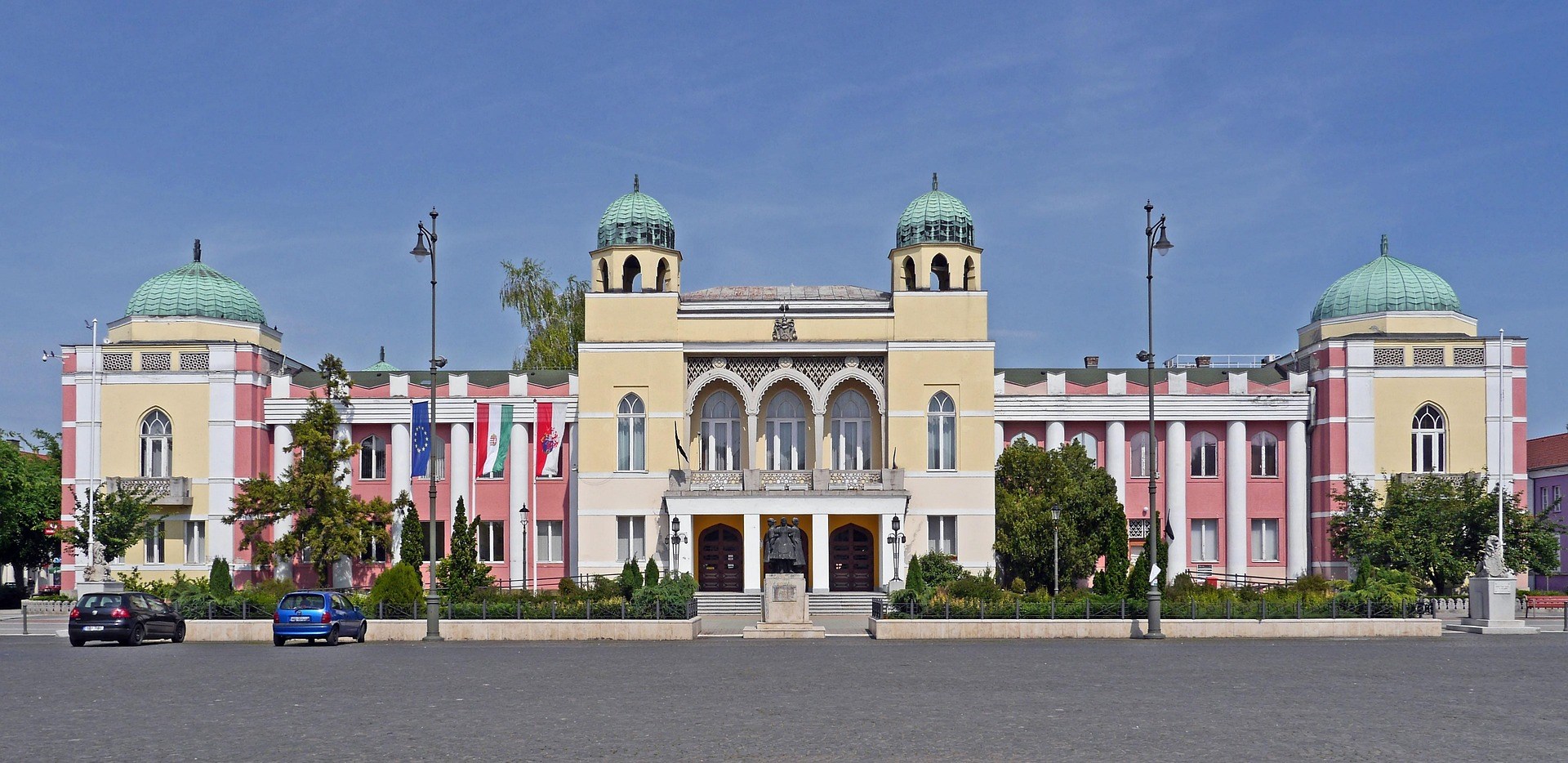
Sorrento
Nestled along the cliffs of the Gulf of Naples, Sorrento will charm you with its picturesque scenery and breathtaking coastal views. Three hours south of metropolitan Rome, Sorrento provides easy access to many of Italy’s most beloved destinations, including Naples, Pompeii, Amalfi, and Capri.
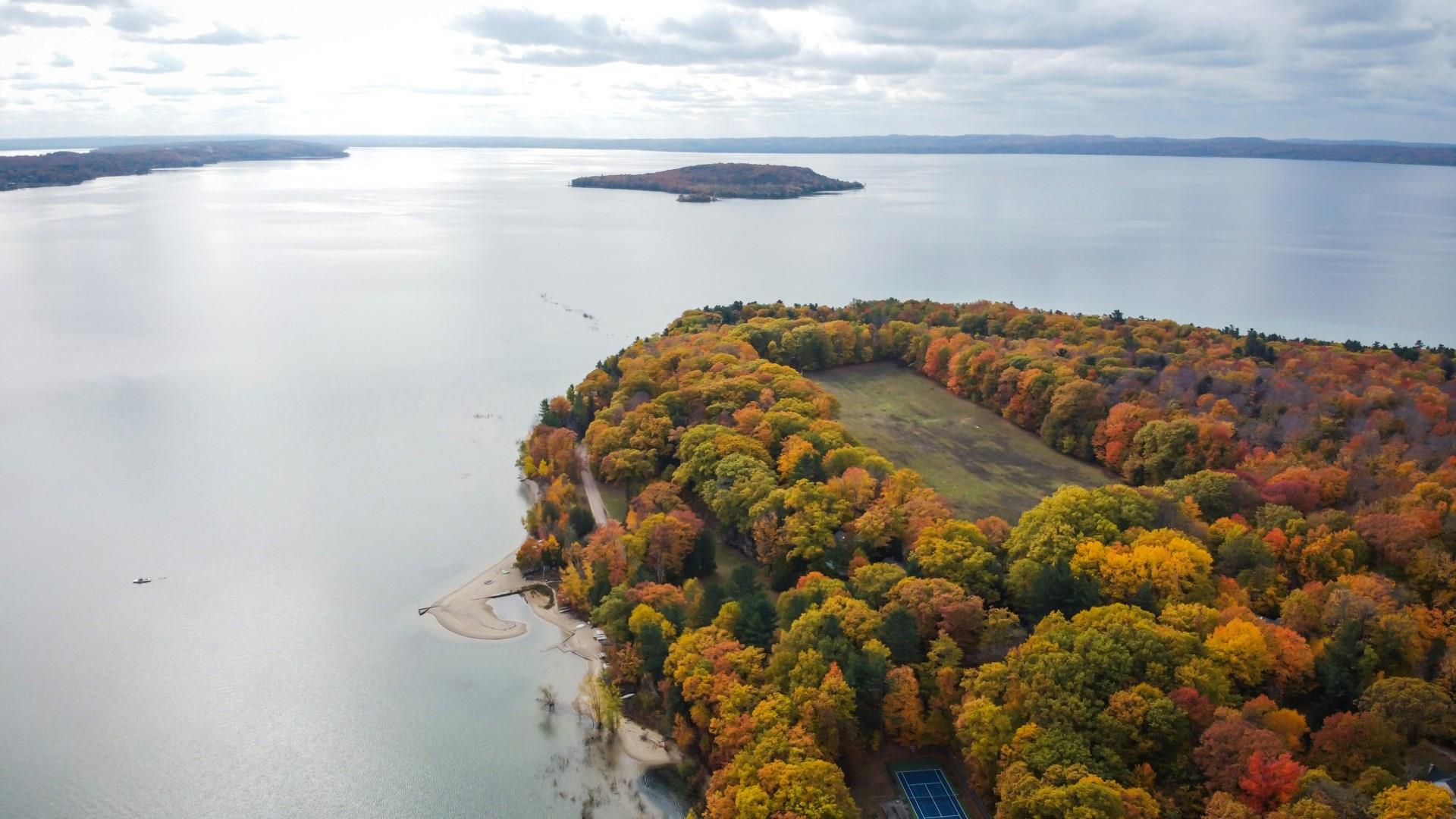
Traverse City
Traverse City offers a delightful blend of natural beauty and vibrant culture. Nestled on the shores of Lake Michigan's Grand Traverse Bay, this charming city is renowned for its stunning waterfront views and picturesque landscapes. The region's pristine beaches, such as Clinch Park, provide an ideal setting for relaxing under the sun or engaging in water sports.
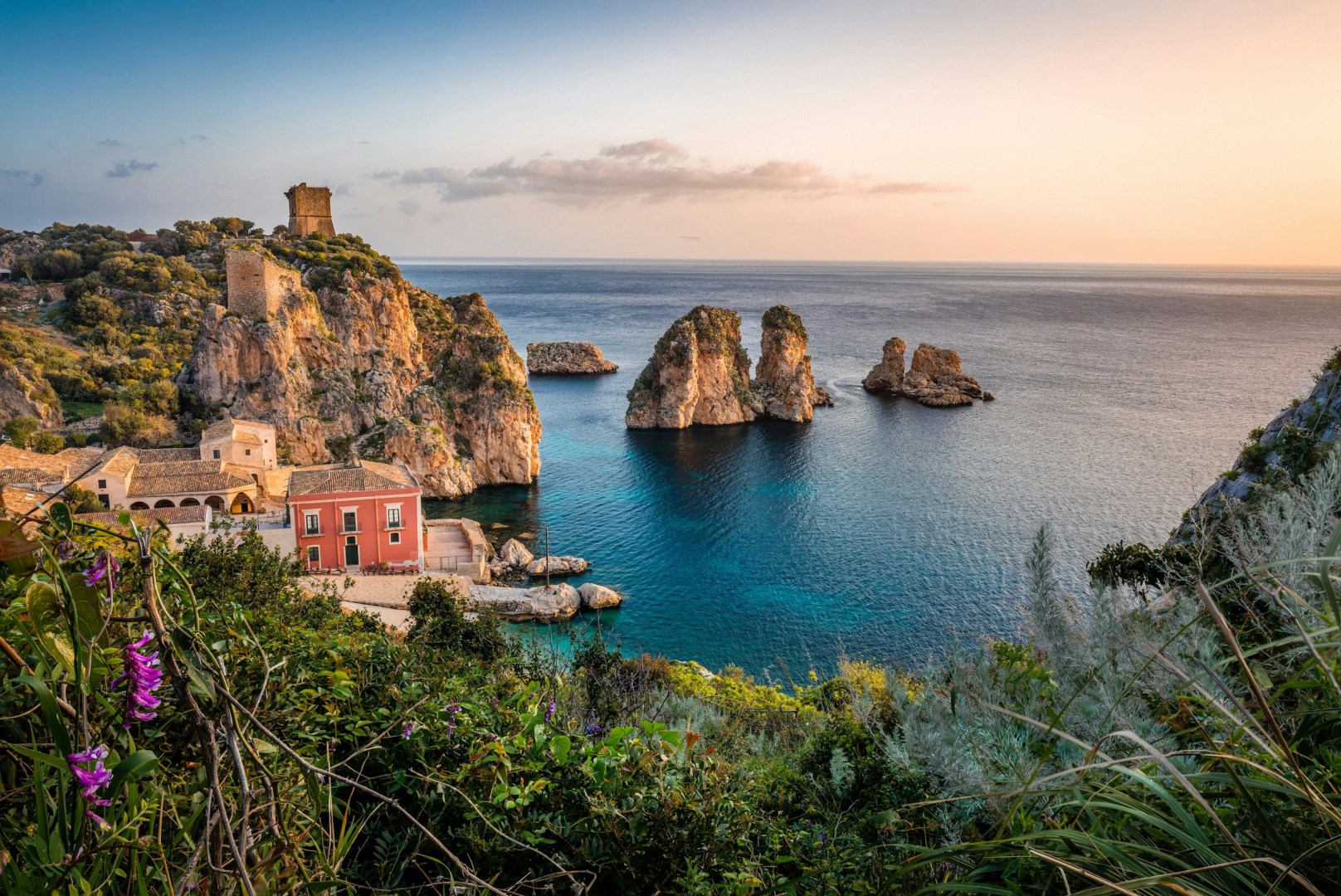
Castellammare del Golfo
Castellammare del Golfo is a coastal town in western Sicily, set around a broad bay in the province of Trapani. Its historic center rises above a working marina, while the Arab-Norman castle stands directly beside the sea and gives the town its distinctive profile. The waterfront is lined with fishing boats, small streets, and buildings that climb toward the slopes of Monte Inici.

Panama
Panama is a country shaped by its geography and defined by its role in global history. The Panama Canal remains its most iconic feature as a 50-mile engineering marvel that connects the Atlantic and Pacific Oceans. Visitors can watch ships pass through the Miraflores Locks from a dedicated observation deck or explore the interactive museum that explains how the canal changed international trade forever.

Muara
Muara is a small coastal town in Brunei, positioned where the Brunei River meets the South China Sea.