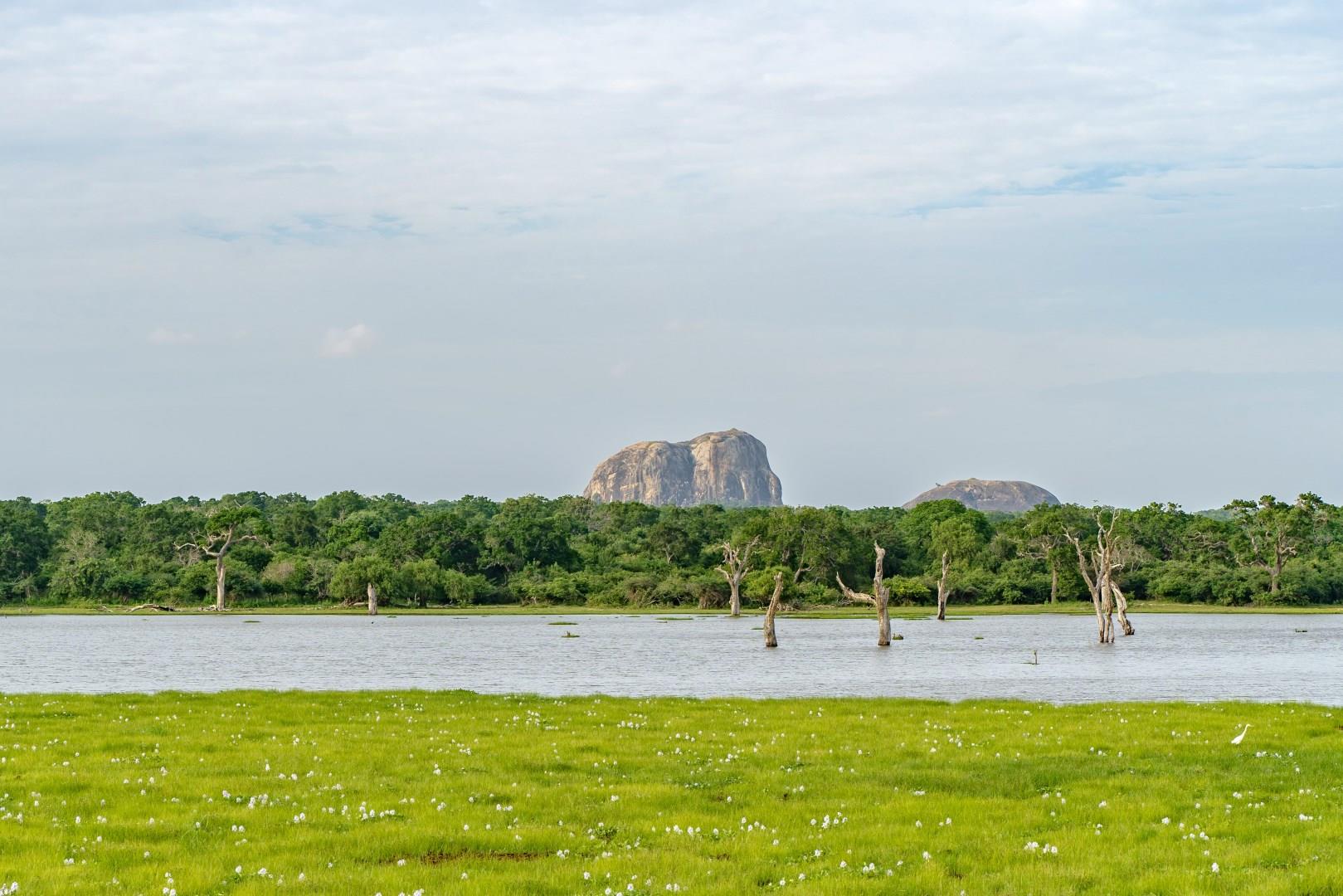
Yala National Park
Yala National Park sprawls across Sri Lanka’s southeast, where dry plains meet lagoons and the Indian Ocean’s shoreline. It is one of the country’s oldest protected areas, first set aside as a wildlife reserve in 1900 and later declared a national park in 1938, and today invites travelers to see life thrive in a wide range of landscapes, from scrubland to sandy beaches.
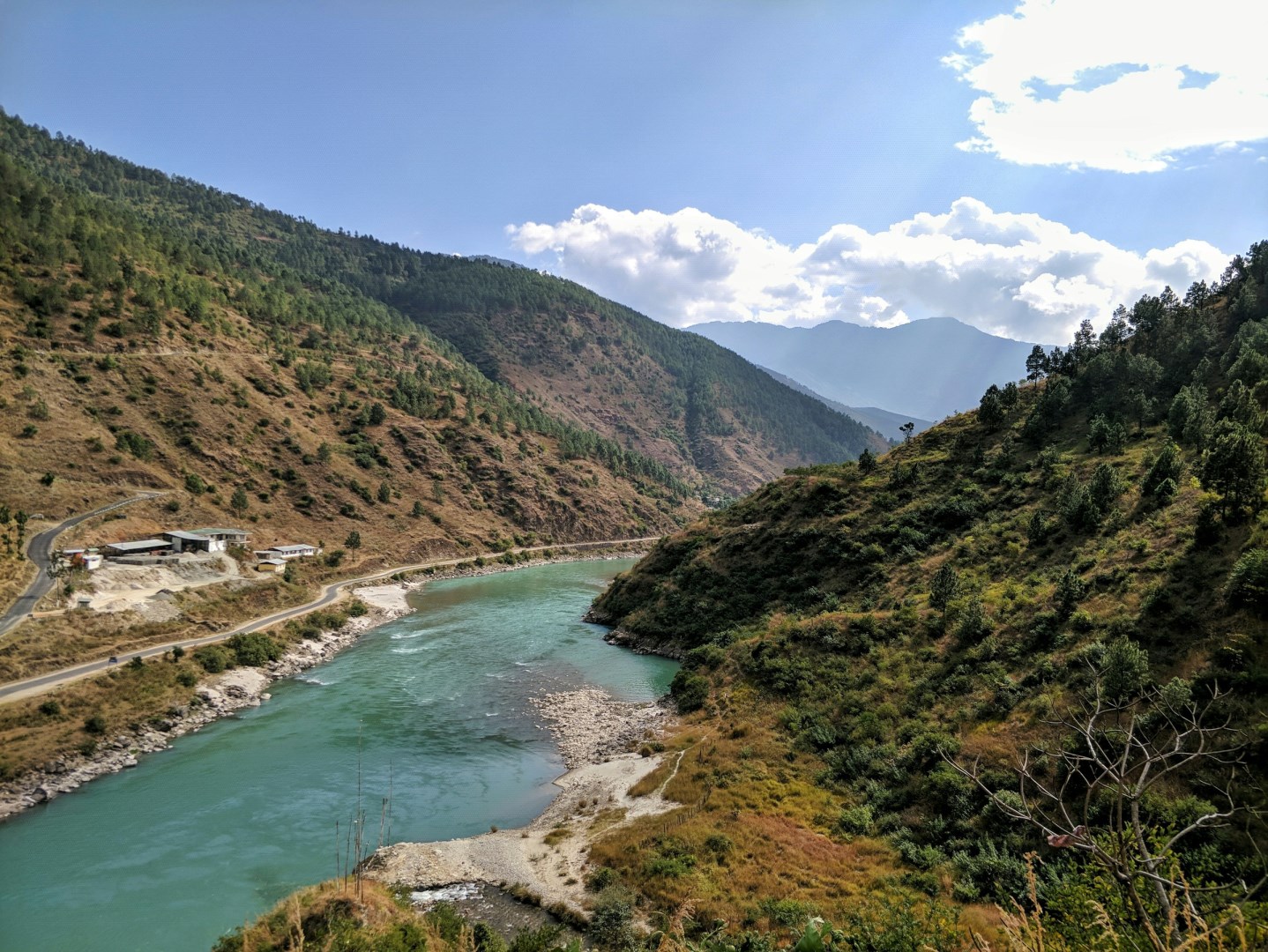
Lobesa - Metsina
Lobesa–Metsina is a rural area in Punakha District, western Bhutan, set within the warm and fertile Punakha Valley. The settlements lie among rice paddies, mustard fields, orchards, and forested hills, with the Punatsangchhu River shaping the wider valley landscape. Lobesa is located along the main road linking Punakha and Wangdue Phodrang and provides access to villages and agricultural areas surrounding the valley. The region has a distinctly rural character, with traditional Bhutanese houses,
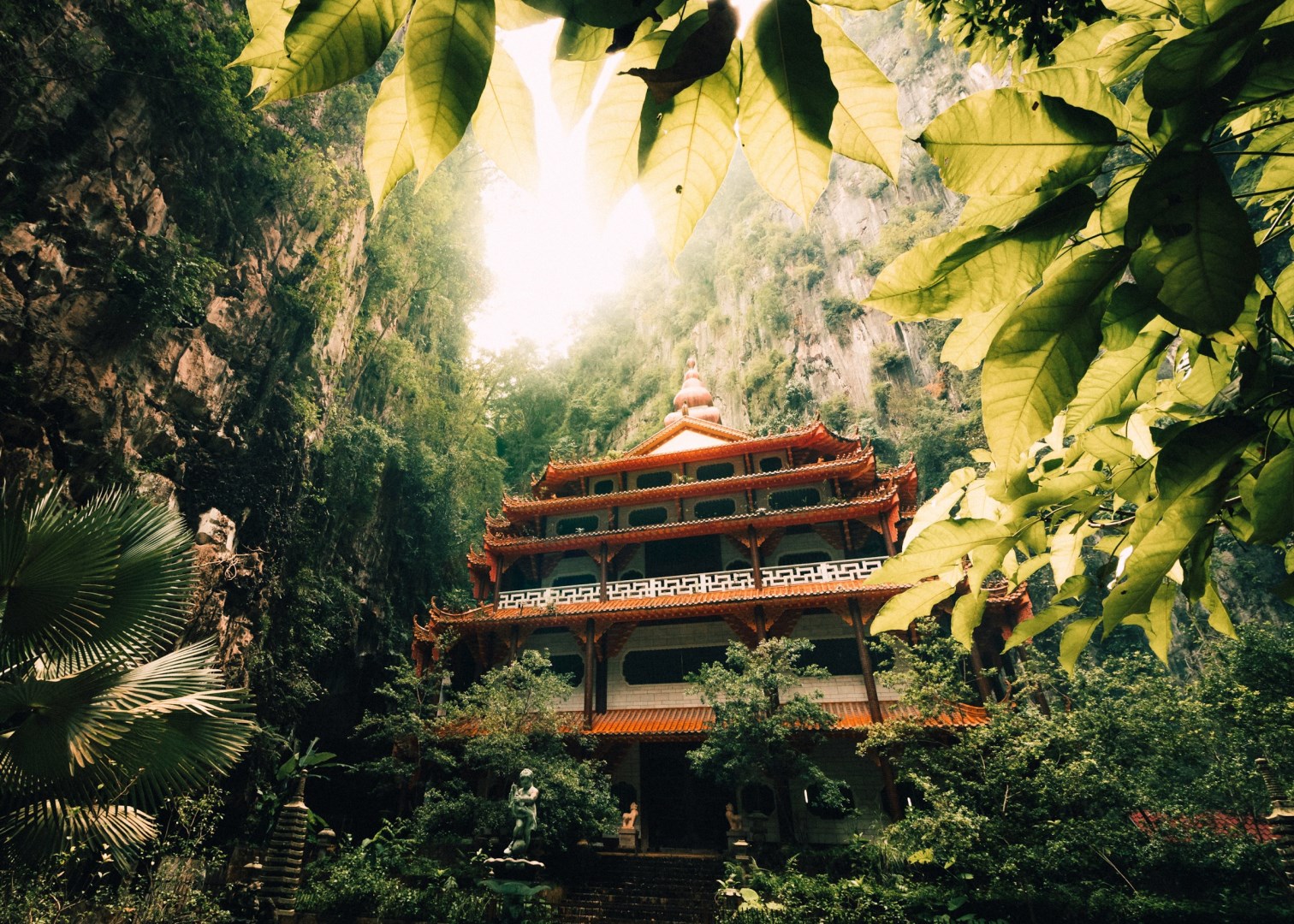
Ipoh
Ipoh is the capital of Perak in northwestern Peninsular Malaysia, surrounded by limestone hills and a landscape shaped by the Kinta Valley. The city developed as a major center for tin mining, and remnants of that period remain visible in its historic buildings, streets, and former mining areas.
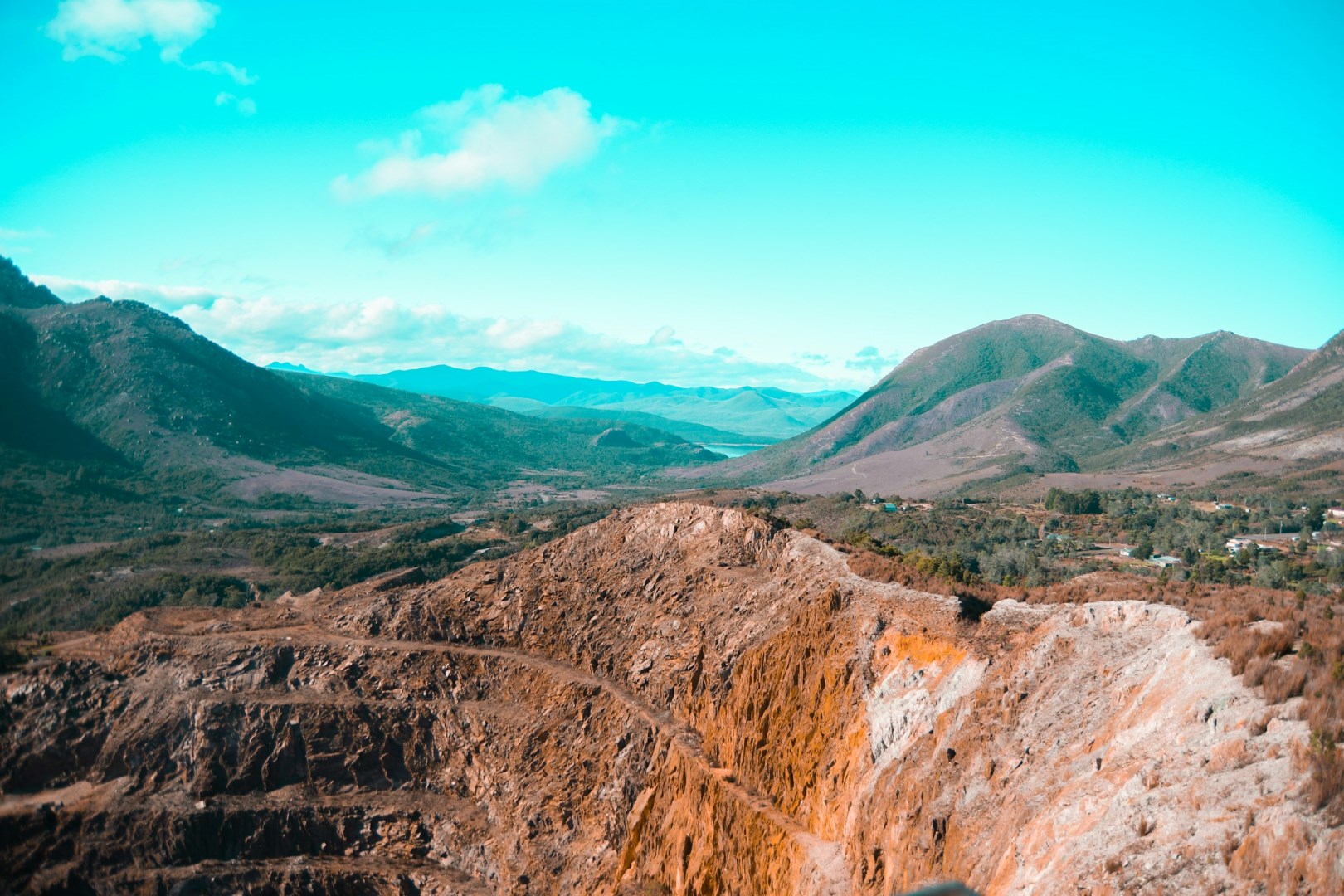
Queenstown Tasmania
Queenstown started off as a major gold mining area, based around the Queen River Valley. This then developed into a profitable copper mining area, which was still running until 1969. There are a variety of things to do in Queenstown, and it is a good base from which to explore western Tasmania.
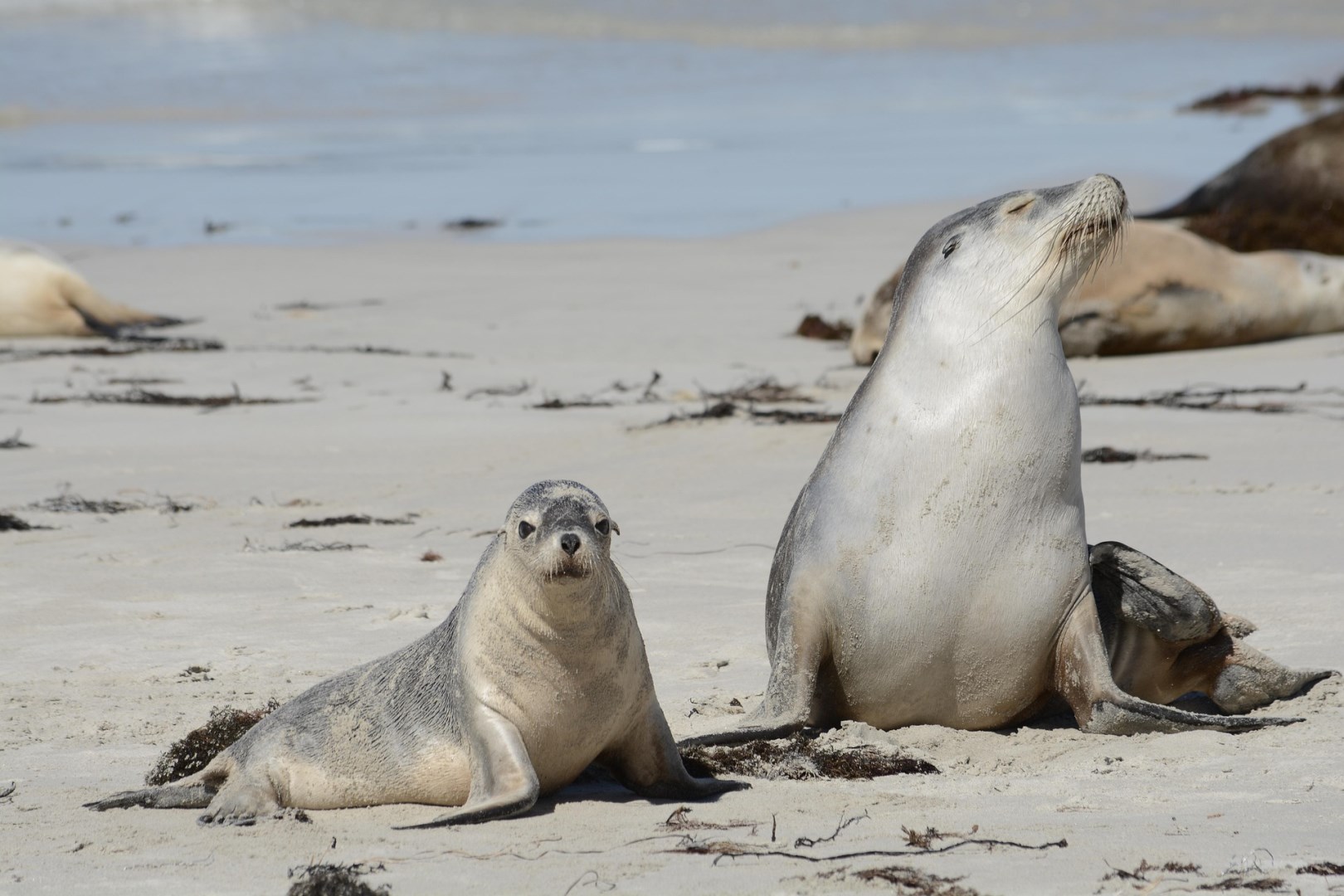
Mission Beach
One of the most unspoilt and undeveloped tourism destinations in the area - ideal for the visitor looking for both pristine natural beauty and a relaxed quiet getaway. The coastal fringe has wide sandy beaches, lined with small resorts and more than 25 offshore islands, while bushwalking and camping opportunities abound throughout the adjacent Wet Tropics rainforest areas.