Nîmes
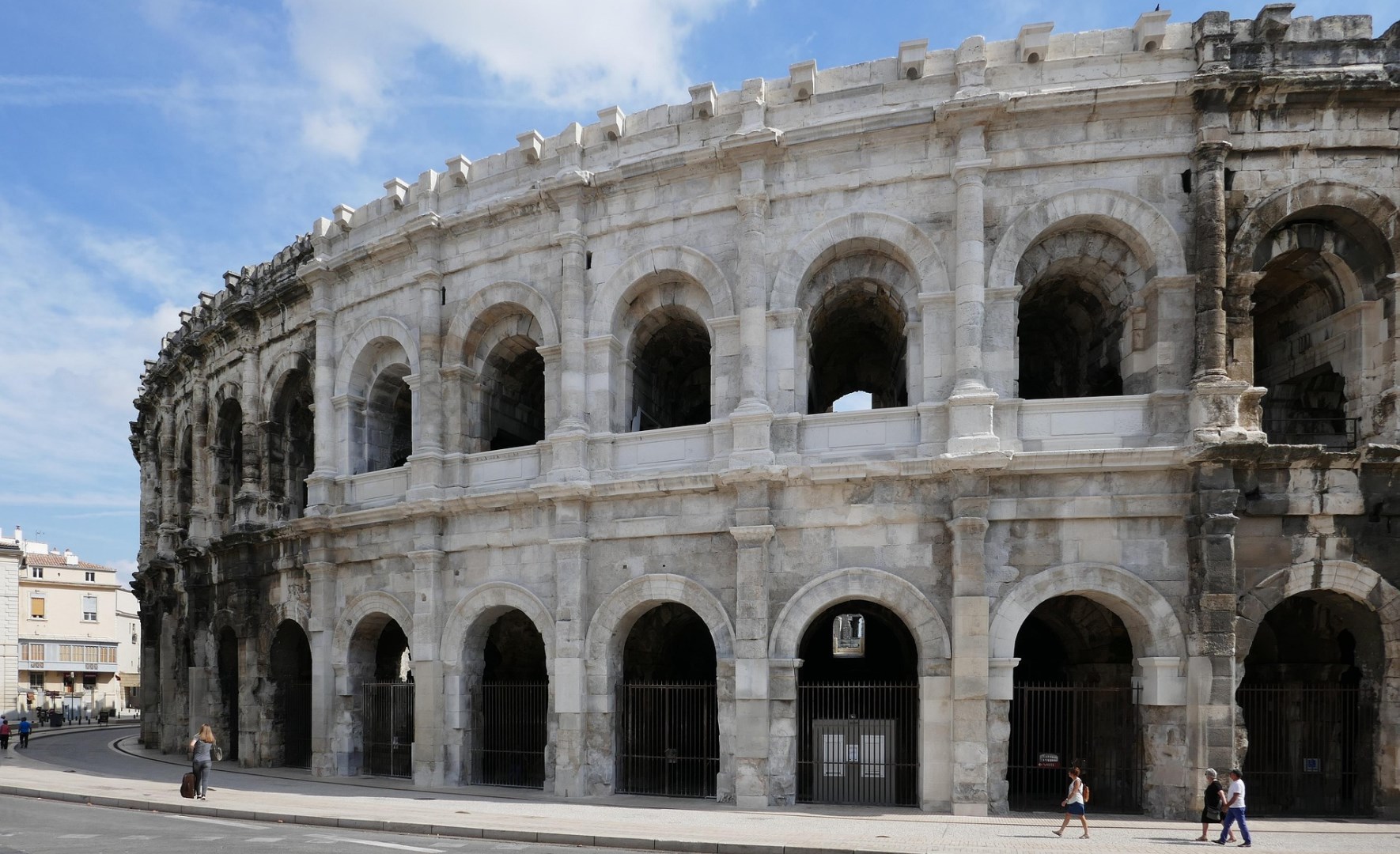
Located among the calcareous plateaus covered with Mideterranean scrub and alluvial deposites from the coastal plains, Nîmes appears as a city with various faces. First and foremost, the city is known as the 'French Roma', because of its famous history and its well conserved antique monuments. Nîmes is also, for many 'aficionados', the 'French Madrid'.
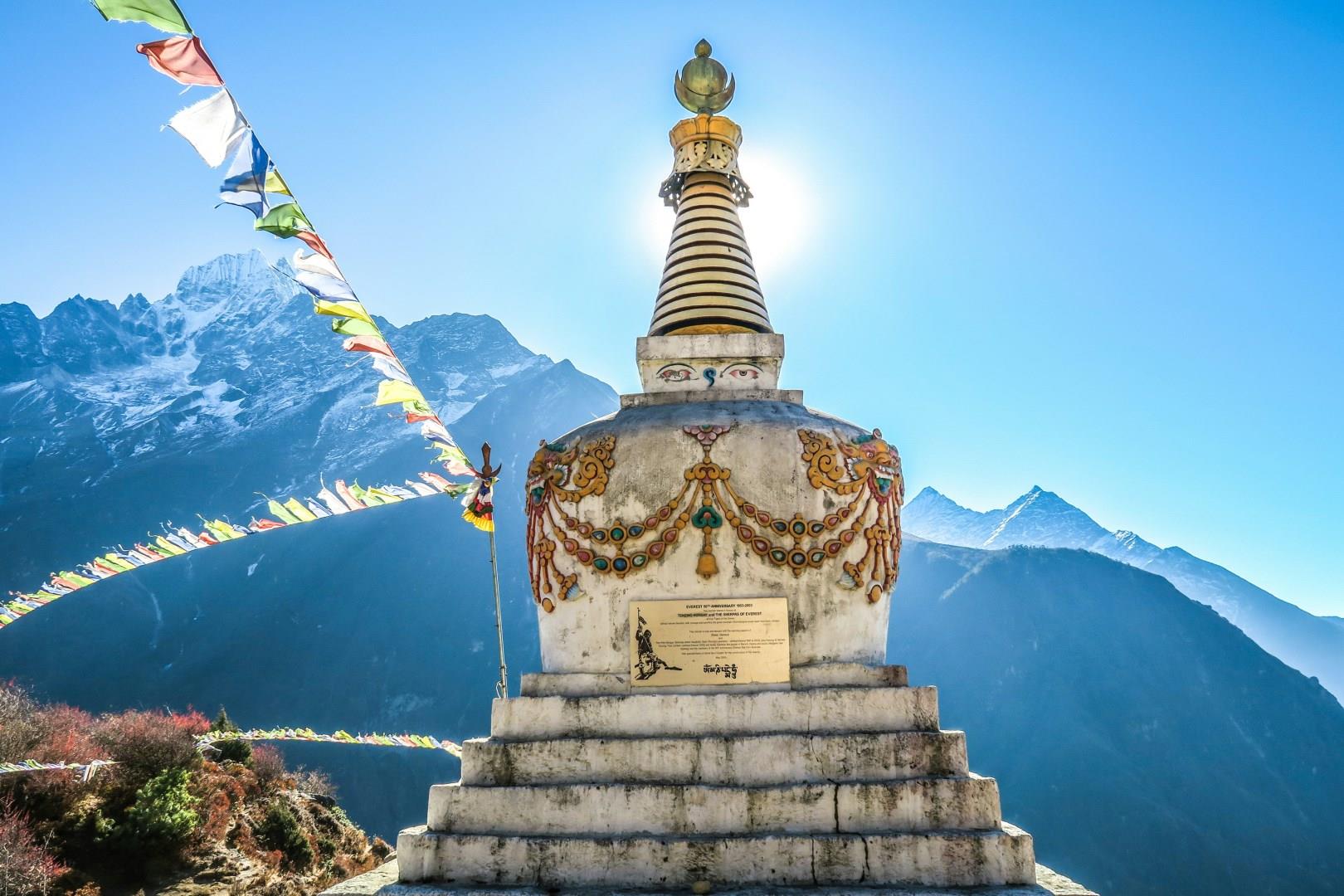
Namche
Namche Bazaar, perched at 3,440 meters in the Khumbu region of Nepal, is often called the gateway to Everest, but it’s far more than a rest stop on the way to Base Camp. Once a trading post between Tibetan and Nepali merchants, Namche has developed into a small mountain town where yak caravans and Wi-Fi cafes exist side by side. Despite its remote location, it has a Saturday market that continues to bring traders and trekkers together, just as it did centuries ago.

Brecon Beacons
The Brecon Beacons, officially known as Bannau Brycheiniog, rise through south-central Wales as a landscape shaped by myth, grazing, and long human presence.

Whitsunday Island
The Whitsunday Islands sit in the heart of Australia’s Great Barrier Reef, where more than 70 islands rise from wide blue seas and offer an invitation to explore. Whitsunday Island itself is the largest of this group, known internationally for its ribbon of white silica sand stretching over seven kilometers at Whitehaven Beach. This sand feels cool underfoot even in warm sunshine because it’s made of nearly pure silica carried there by ancient ocean currents.

St. Kitts
St. Kitts, part of the twin-island federation of Saint Kitts and Nevis, is known for its volcanic landscape, coastal plains, and long stretches of shoreline. The island’s layout is shaped by its central peaks, including Mount Liamuiga, which rises above surrounding farmland and villages. Basseterre, the capital, serves as the main hub for commerce and government, with a harbor that regularly receives cruise ships.