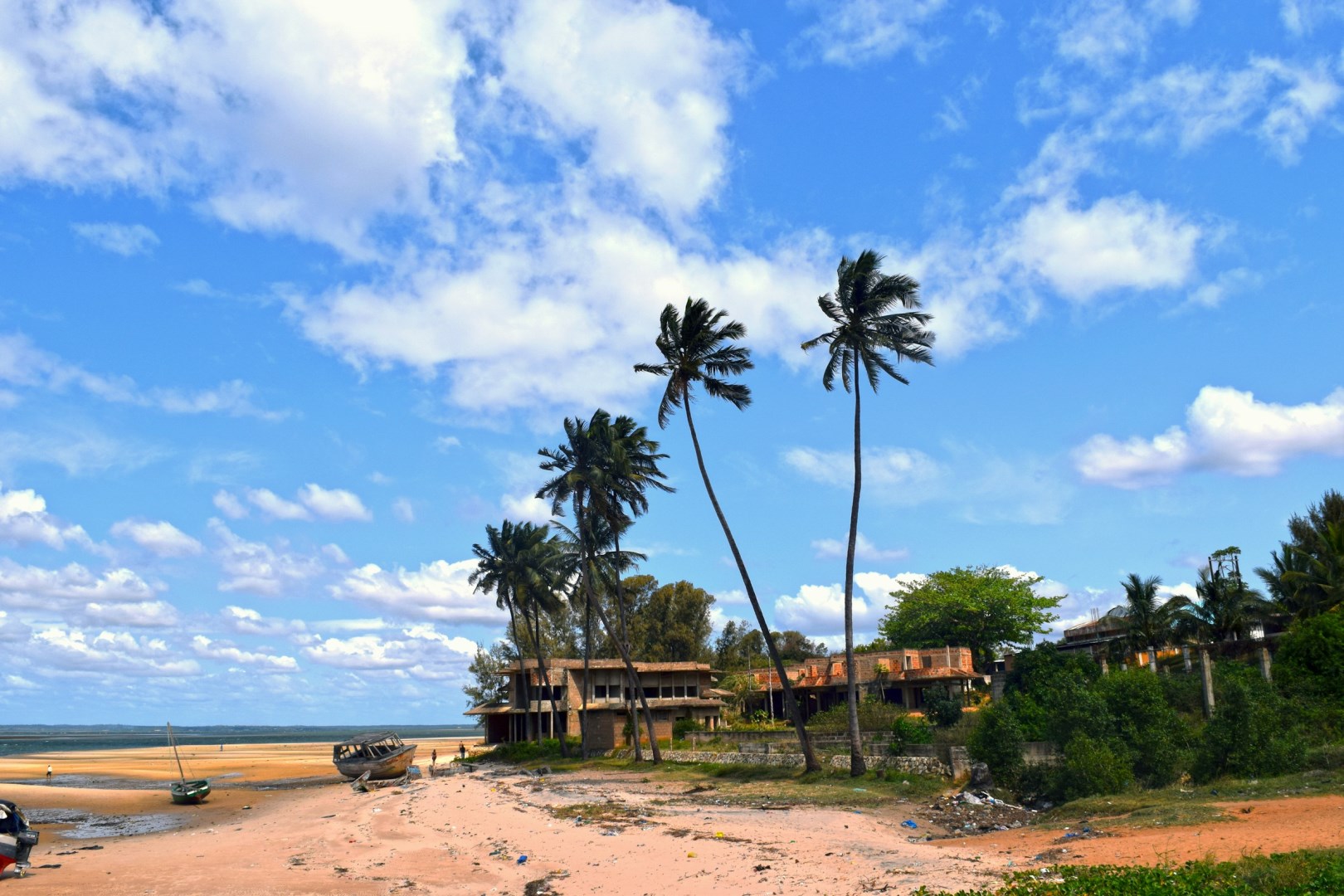
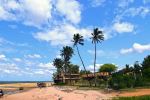
Maxixe is a coastal city in southern Mozambique’s Inhambane Province, situated on the western shore of Inhambane Bay. It faces the historic city of Inhambane across the water and serves as an important commercial and transport centre for the surrounding region. The city stretches along the EN1, Mozambique’s principal north-south highway, giving it strong road connections with other parts of the country. Its setting combines busy markets and residential districts with tidal flats, mangroves and views across the bay. Passenger boats provide a direct connection between Maxixe and Inhambane, making the waterway part of everyday local transport.
Maxixe reflects the cultural traditions of southern Mozambique, where Gitonga and Xitsonga-related languages are spoken alongside Portuguese. Fishing, small-scale agriculture and trading have long influenced life around Inhambane Bay, while regional music and dance remain important during celebrations and community gatherings. The wider province has historical connections with Indian Ocean trade, which brought African communities into contact with merchants and sailors from other parts of the continent, Arabia and Asia. Today, Maxixe’s markets and transport links bring together people from rural districts and coastal communities, giving the city an important role in distributing agricultural produce, fish and household goods.
Inhambane Bay is Maxixe’s defining natural feature. Its sheltered waters contain tidal flats and mangrove habitats that support fish, crustaceans and coastal birdlife. Traditional wooden boats and motorized passenger vessels cross between Maxixe and Inhambane, providing broad views of the bay during the journey. The city also serves as a road gateway to destinations farther along the coast, including Tofo and Barra, known for sandy beaches and rich marine environments. Inland from Maxixe, the landscape changes to sandy soils, cultivated fields and woodland typical of southern Mozambique’s coastal plain, with cashew and coconut trees common across parts of the province.
Food in Maxixe draws heavily on the resources of Inhambane Bay and the agricultural land surrounding the city. Fresh fish, prawns and crabs are commonly prepared with rice, cassava or maize-based staples, while coconut milk and peanuts are used in regional sauces. Matapa, made from cassava leaves and commonly cooked with ground peanuts and coconut milk, is a well-known Mozambican dish. Cashew nuts are another important product of Inhambane Province and are widely sold in local markets. Maxixe’s waterfront setting and position on the EN1 make its markets especially important meeting points for seafood, farm produce and goods moving through southern Mozambique.