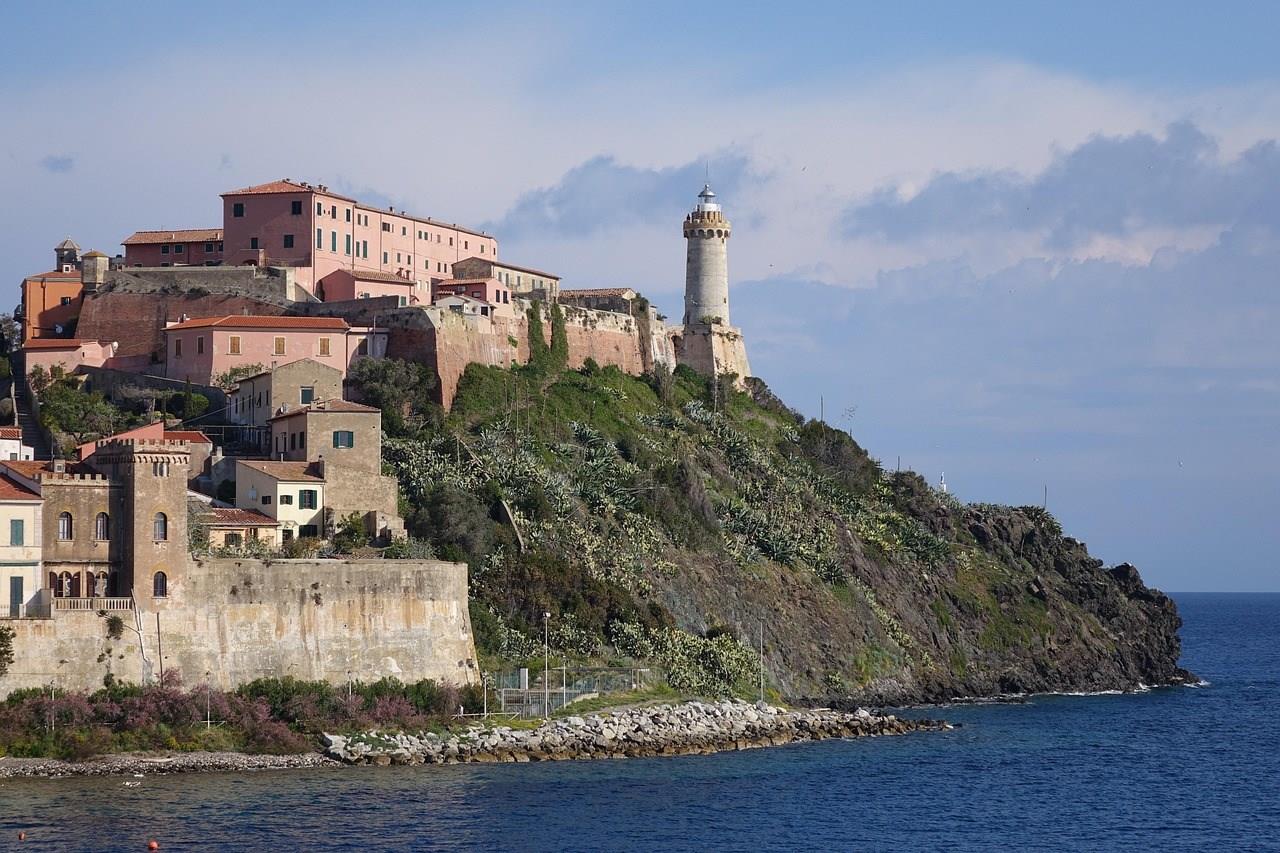
Portoferraio
A popular cruise line port, Portoferraio is a spectacular spot on the Italian coast and principal town of Elba Island.
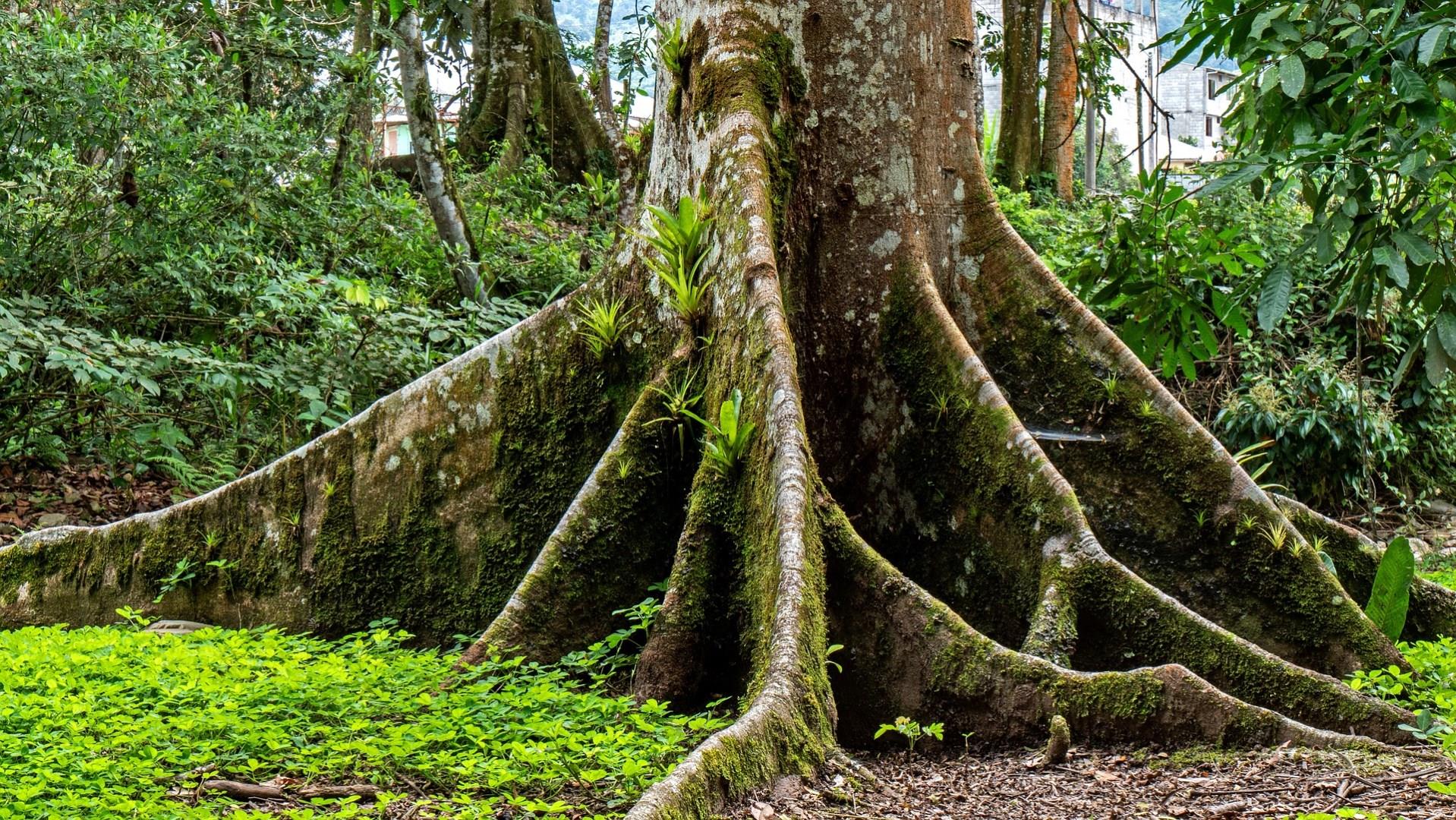
Ecuador
In the heart of South America, Ecuador offers a compact yet astonishingly diverse experience for travelers. From the cobbled streets of Quito’s historic center to the vibrant Afro-Ecuadorian rhythms of Esmeraldas, the country pulses with stories waiting to be discovered. Just a short drive away, visitors can stand on the equator line at the “Mitad del Mundo” and participate in engaging experiments that demonstrate the planet’s gravitational quirks.

Londonderry
Londonderry is a town in southern New Hampshire, positioned between Manchester and the Massachusetts border. It is known for its agricultural roots, apple orchards, wooded landscapes, and historic rural character, while its location provides convenient access to the larger communities of the Merrimack Valley. Londonderry’s landscape includes farms, conservation areas, ponds, and gently rolling roads rather than a dense downtown centre. Apple growing remains an important part of its identity, wit

Motril
Motril, Spain, is located near the Guadalfeo River on the Mediterranean coast in the province of Granada. Sugar cane refineries form the backbone of Motril's economy, though tourism is also an essential industry.

Ahuachapán
Ahuachapán is a city in western El Salvador and the capital of the department of the same name. It sits near the foothills of the Apaneca-Ilamatepec mountain range, an area known for highland coffee farms, volcanic landscapes, and the route connecting several towns along the Ruta de las Flores. The city itself has a historic center with traditional architecture, plazas, churches, and pedestrian areas.