Bacalar
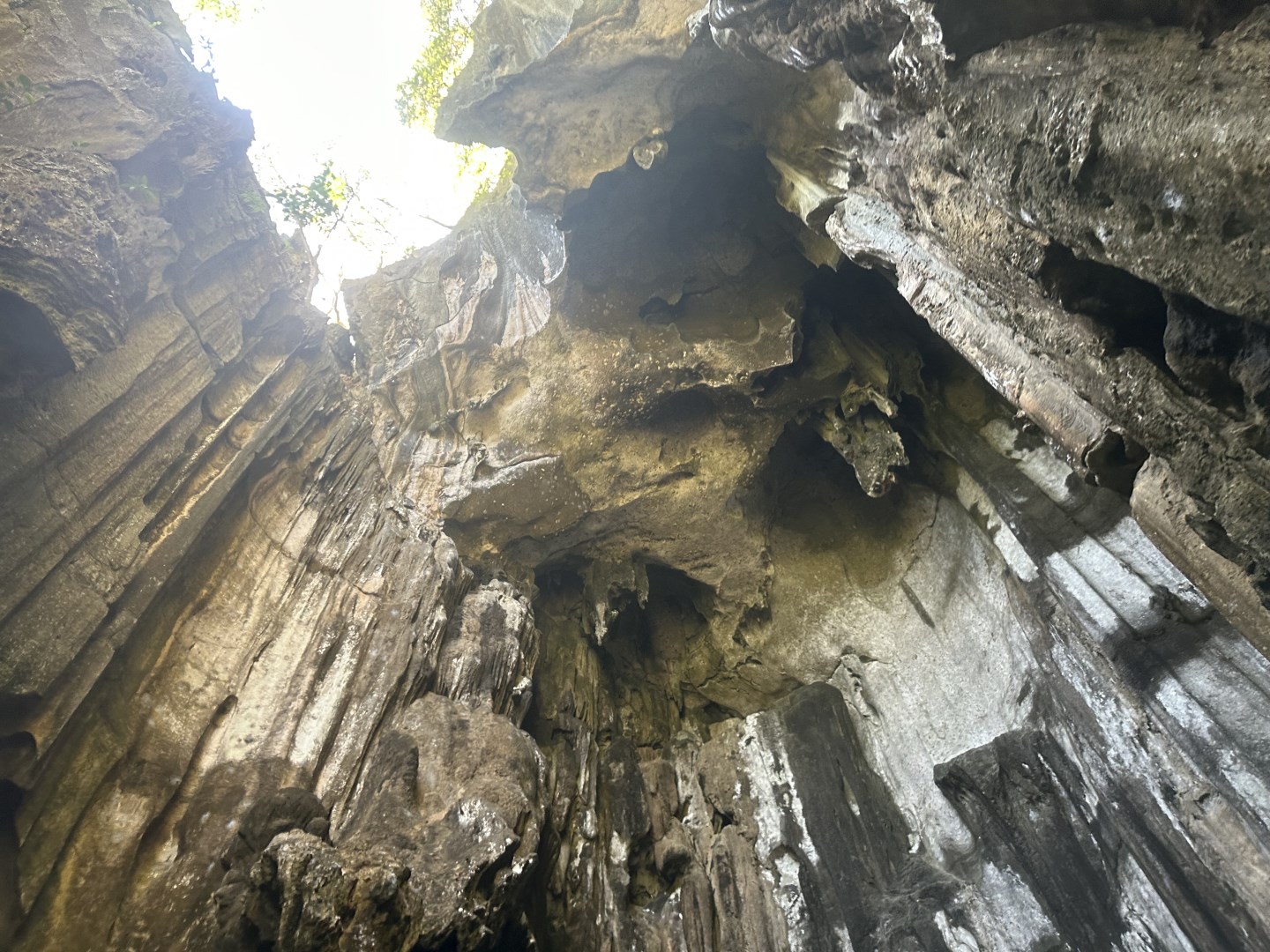
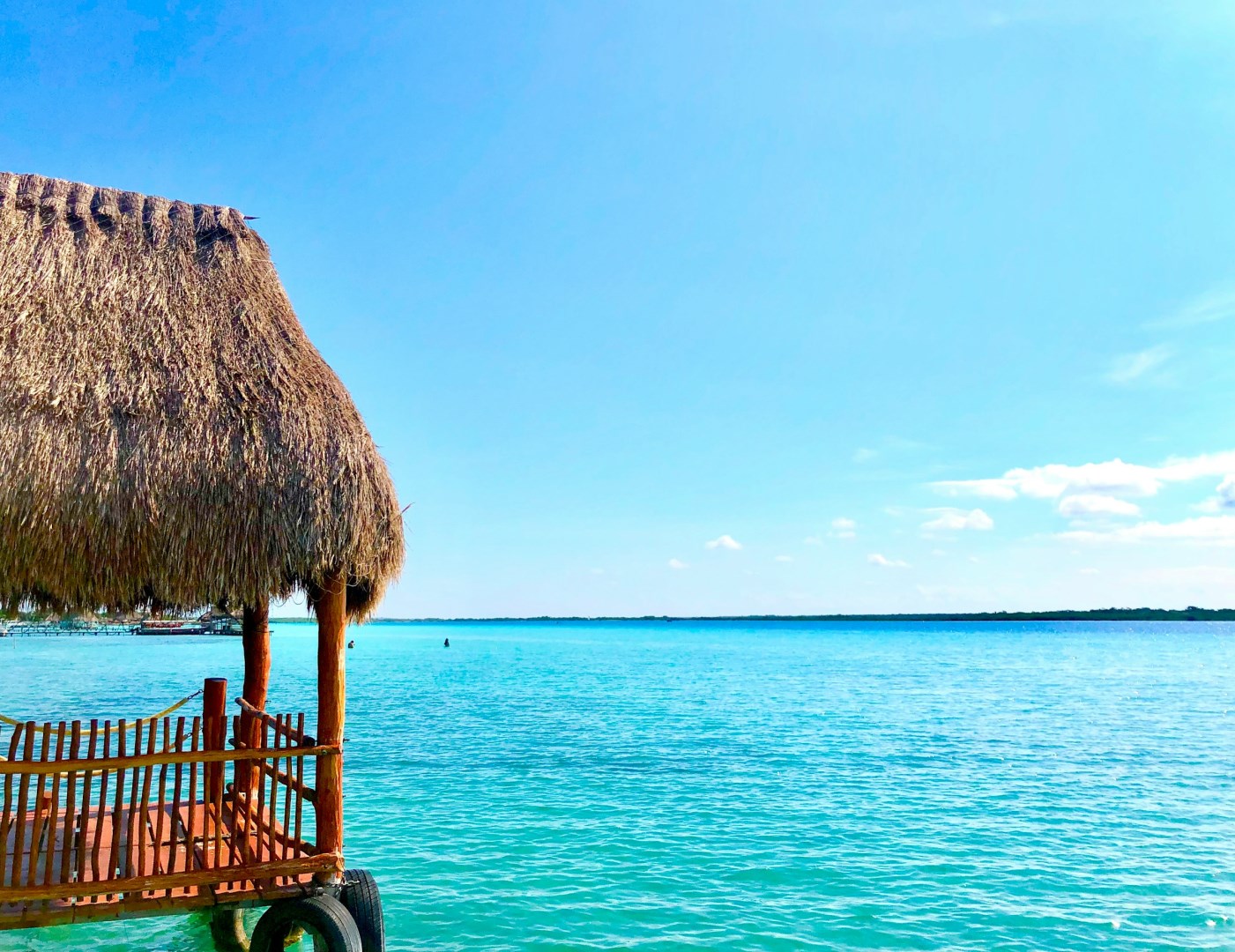
Bacalar sits on the tranquil shores of Laguna de Bacalar in southern Quintana Roo, Mexico, and has been a meeting place for people and cultures for centuries. Its name comes from the ancient Maya phrase Sian Ka’an Bakhalal, meaning “where the sky is born,” a reminder of how deeply this place figures in regional history and identity.
Arikok National Park
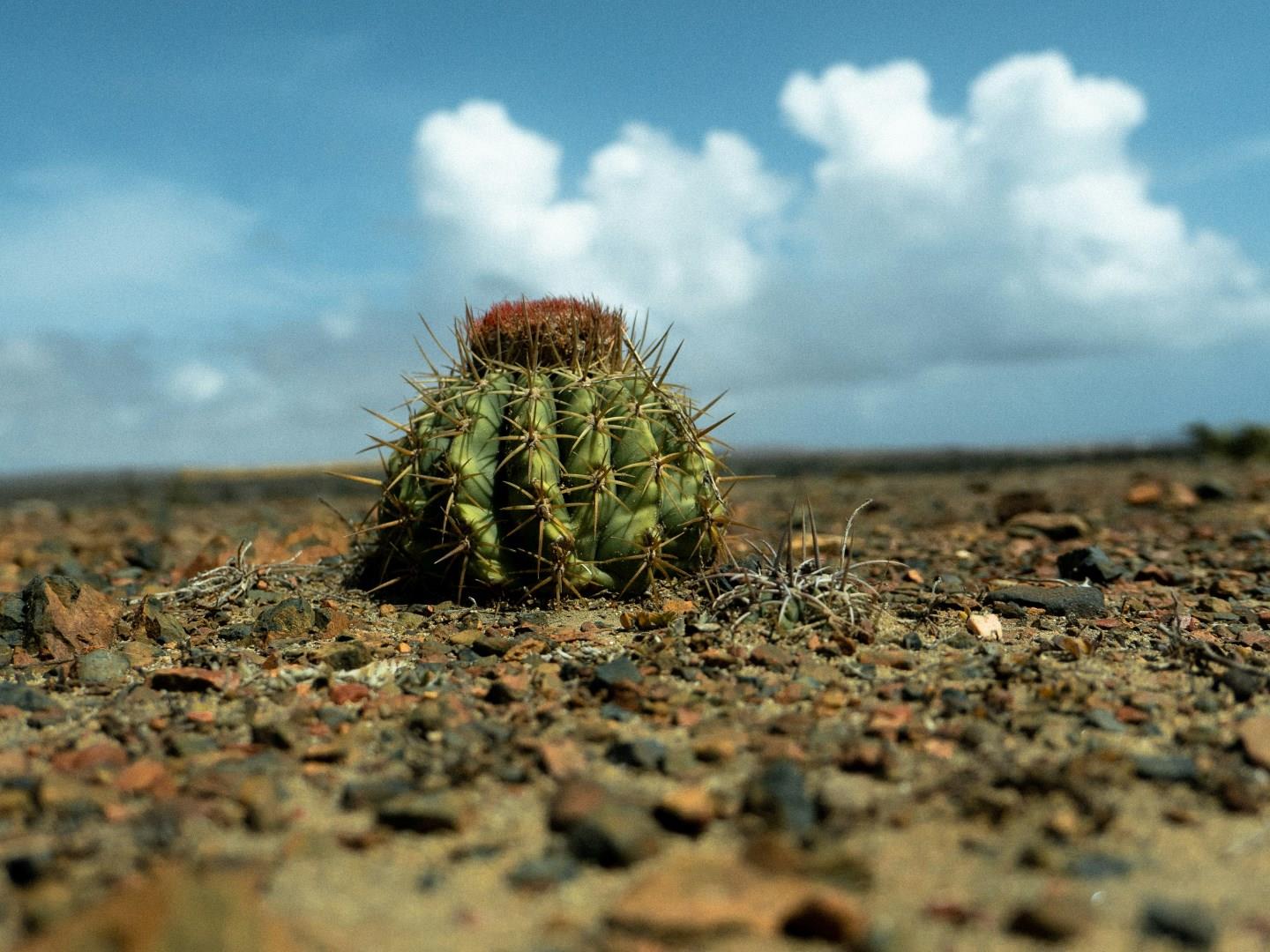
Arikok National Park, covering nearly 20% of Aruba, is a striking showcase of the island’s rugged landscapes, cultural history, and biodiversity. Unlike the postcard image of Aruba’s white-sand beaches, Arikok reveals a wilder side, with windswept hills, desert-like terrain, and dramatic limestone cliffs meeting the sea.
Khongoriin Els
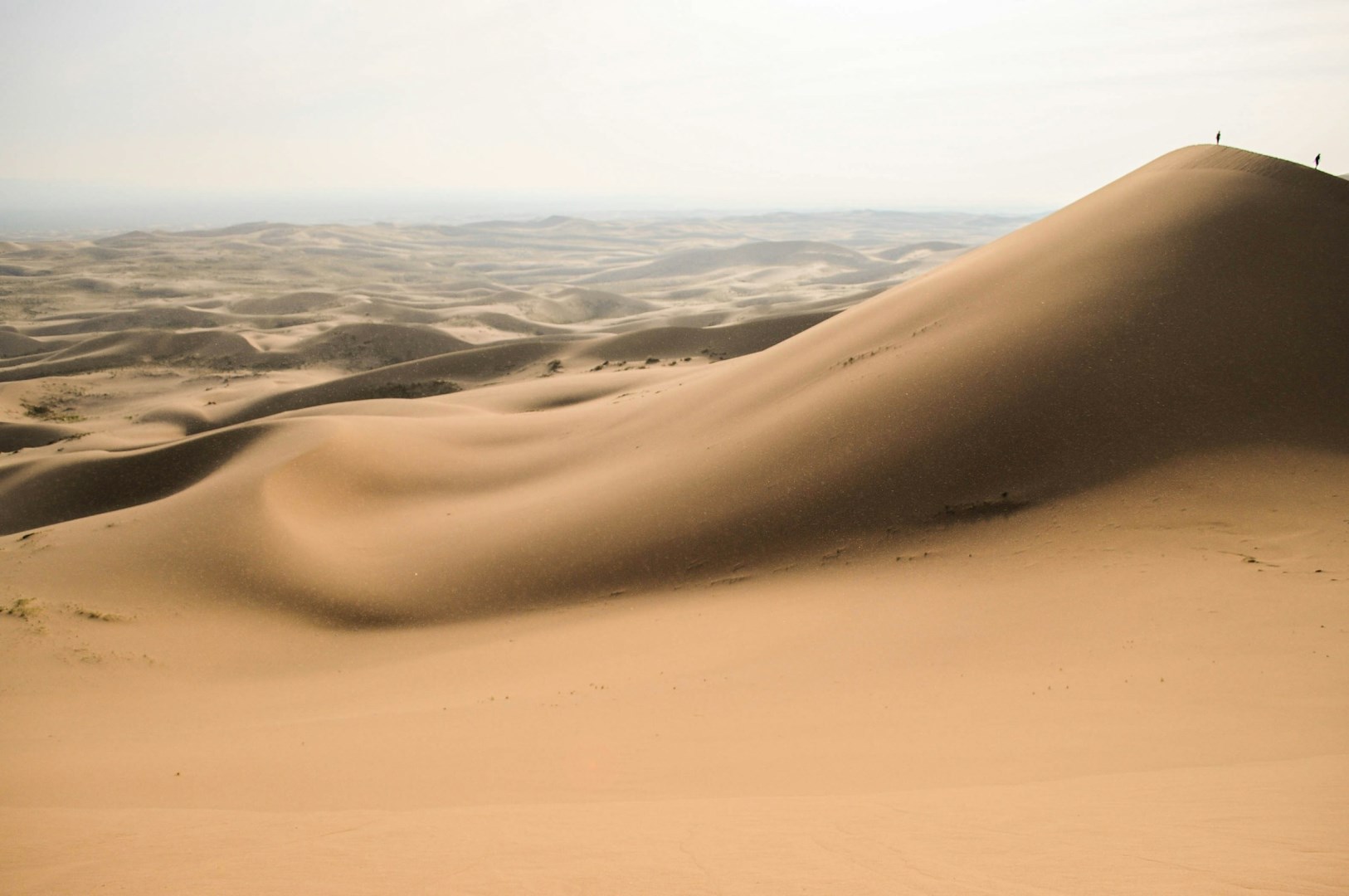
Khongoriin Els is one of the largest sand dune systems in Mongolia's Gobi Desert, located within Gobi Gurvansaikhan National Park in Ömnögovi Province. The dunes extend across a broad desert landscape between rocky mountains and dry plains, with some ridges rising more than 200 meters above the surrounding ground. Wind continually reshapes the sand, creating long lines and shifting slopes across the desert.
Hisor
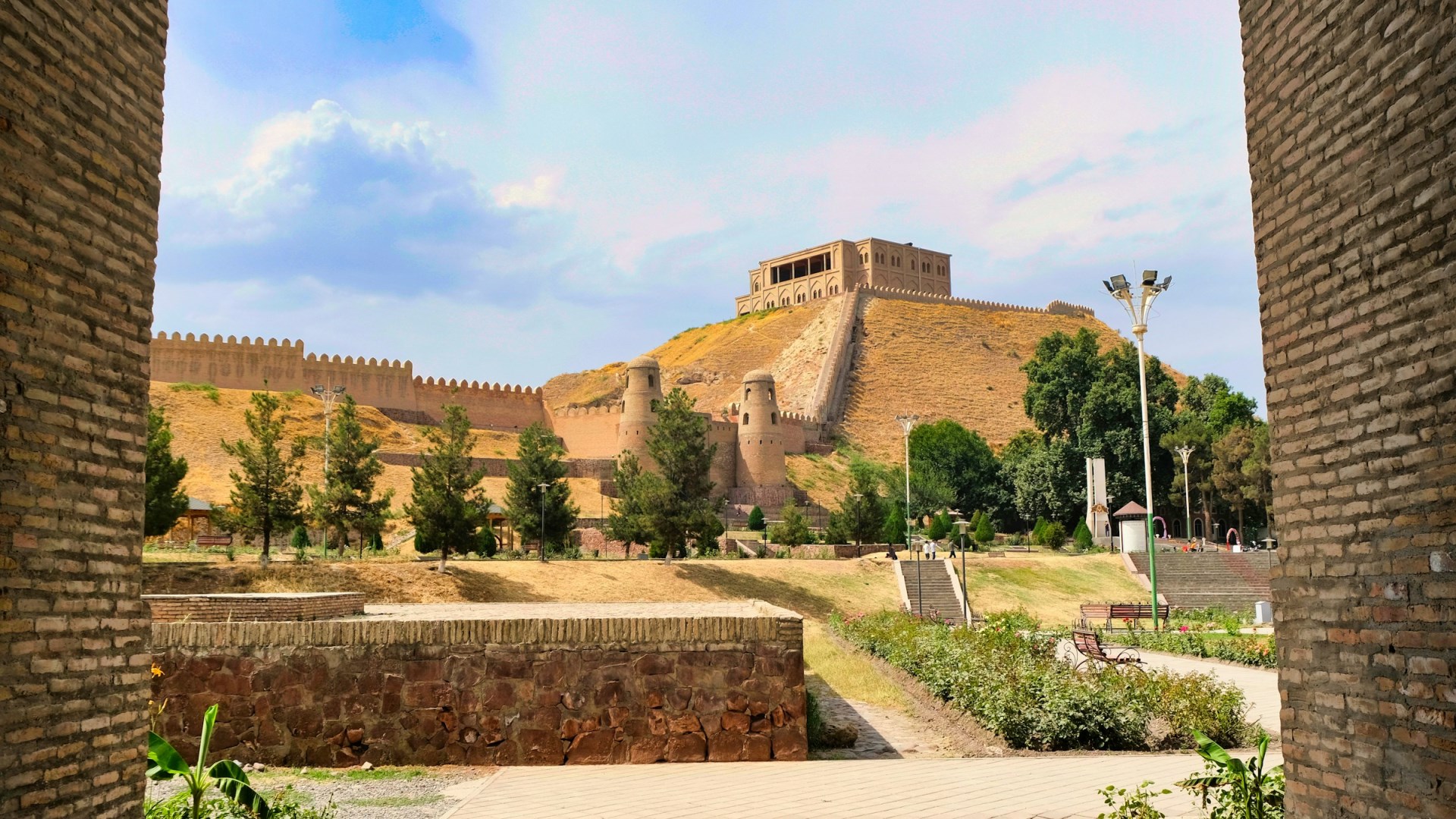
Hisor is a historic city in western Tajikistan, located about 30 kilometers west of Dushanbe in the fertile Hisor Valley. The city lies between mountain ranges and is surrounded by agricultural land, rivers, orchards, and settlements that give the valley a distinctly rural character.
Reno
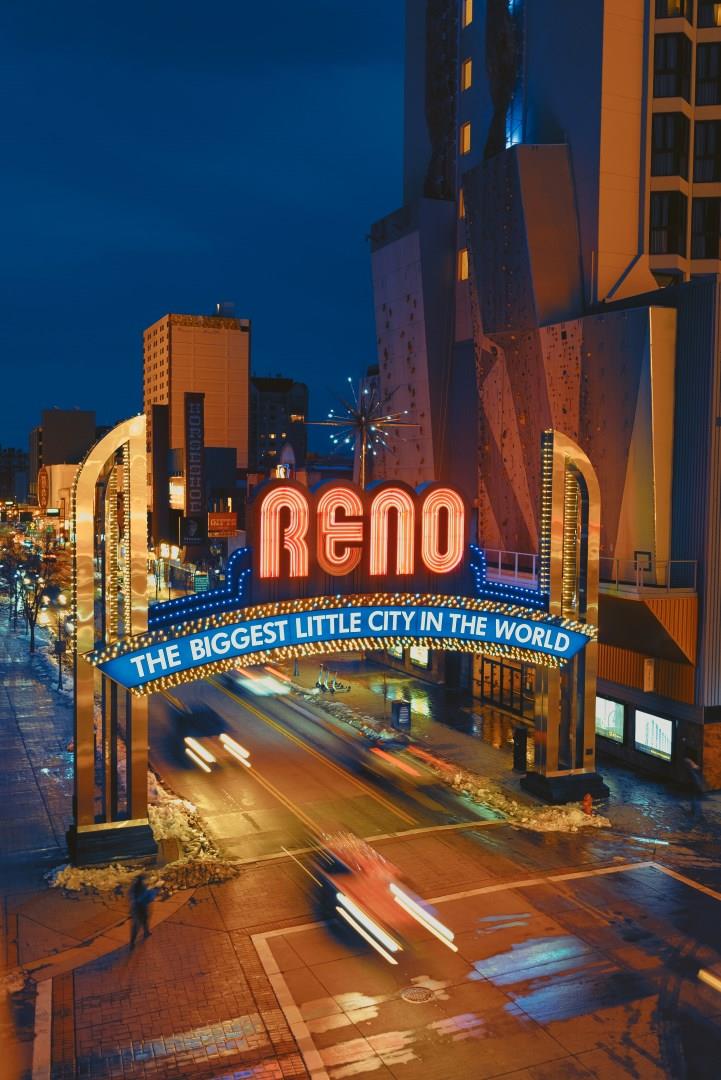
Reno, Nevada is known as “The Biggest Little City in the World” and has evolved well beyond its casino roots. Today, it’s a city where vintage neon signs share the skyline with vibrant murals and historic train depots sit beside riverside coffee shops. The Truckee River runs through downtown, anchoring the city with a scenic Riverwalk lined with public art, restaurants, and the sounds of rushing water.