Koh Rong
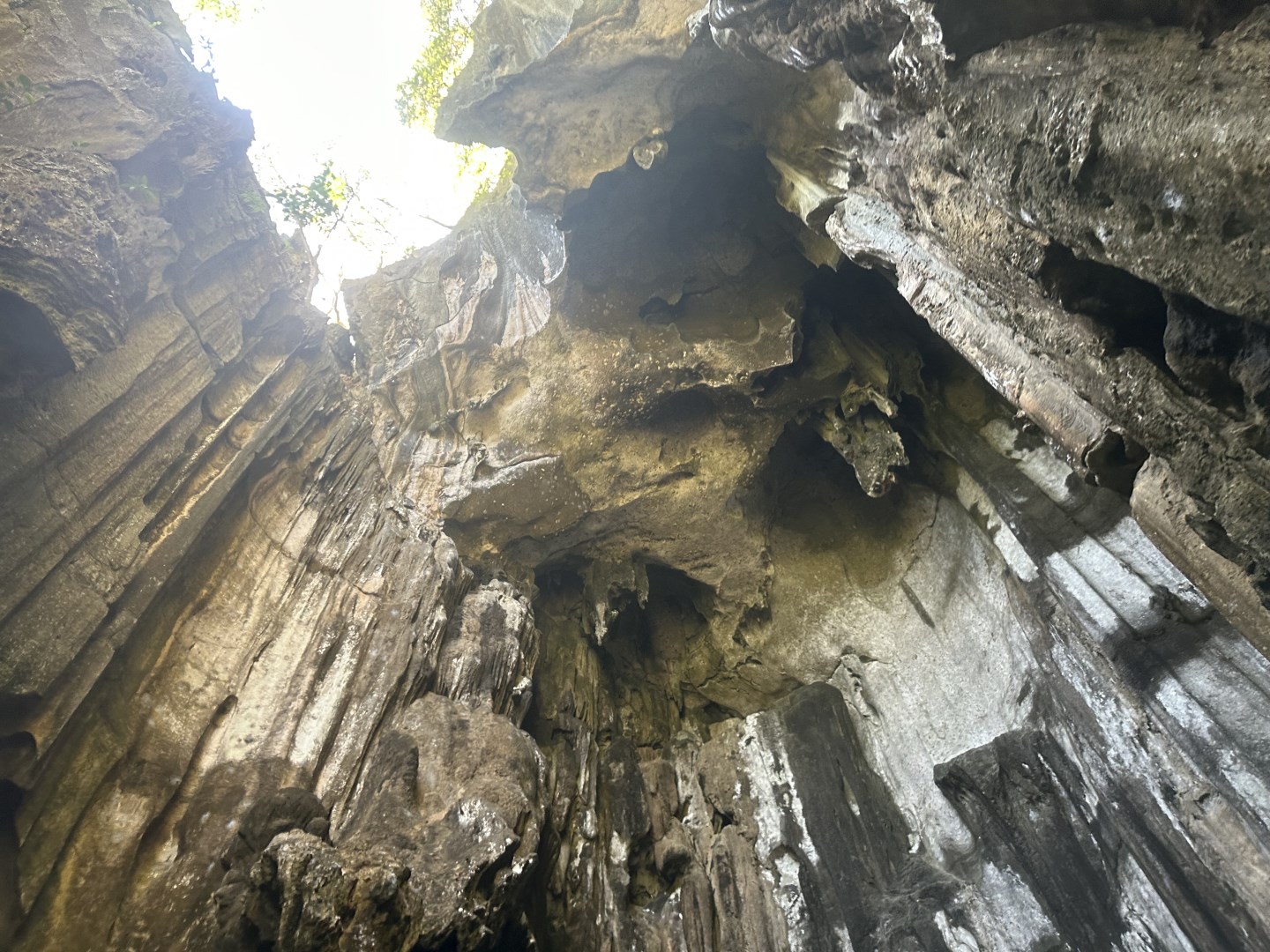
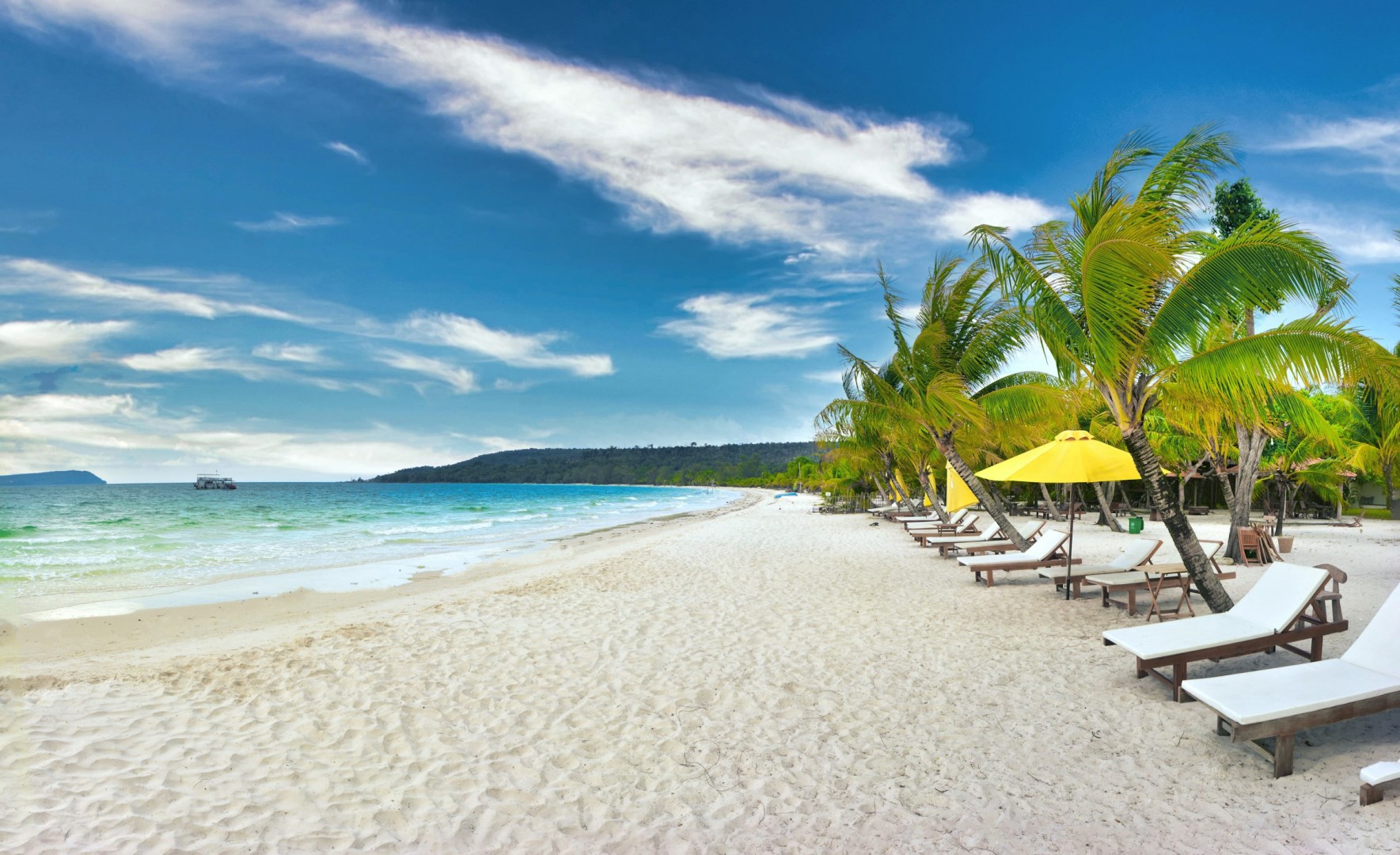
Koh Rong is a large island in the Gulf of Thailand, off the coast of Sihanoukville in southwestern Cambodia. The island combines long sandy beaches, tropical forest, rocky coves, and clear coastal waters, with small villages and tourism areas spread around the shoreline. Koh Touch is the main settlement and arrival point, while Sok San and Prek Svay are among the other communities on the island.
Khuruthang
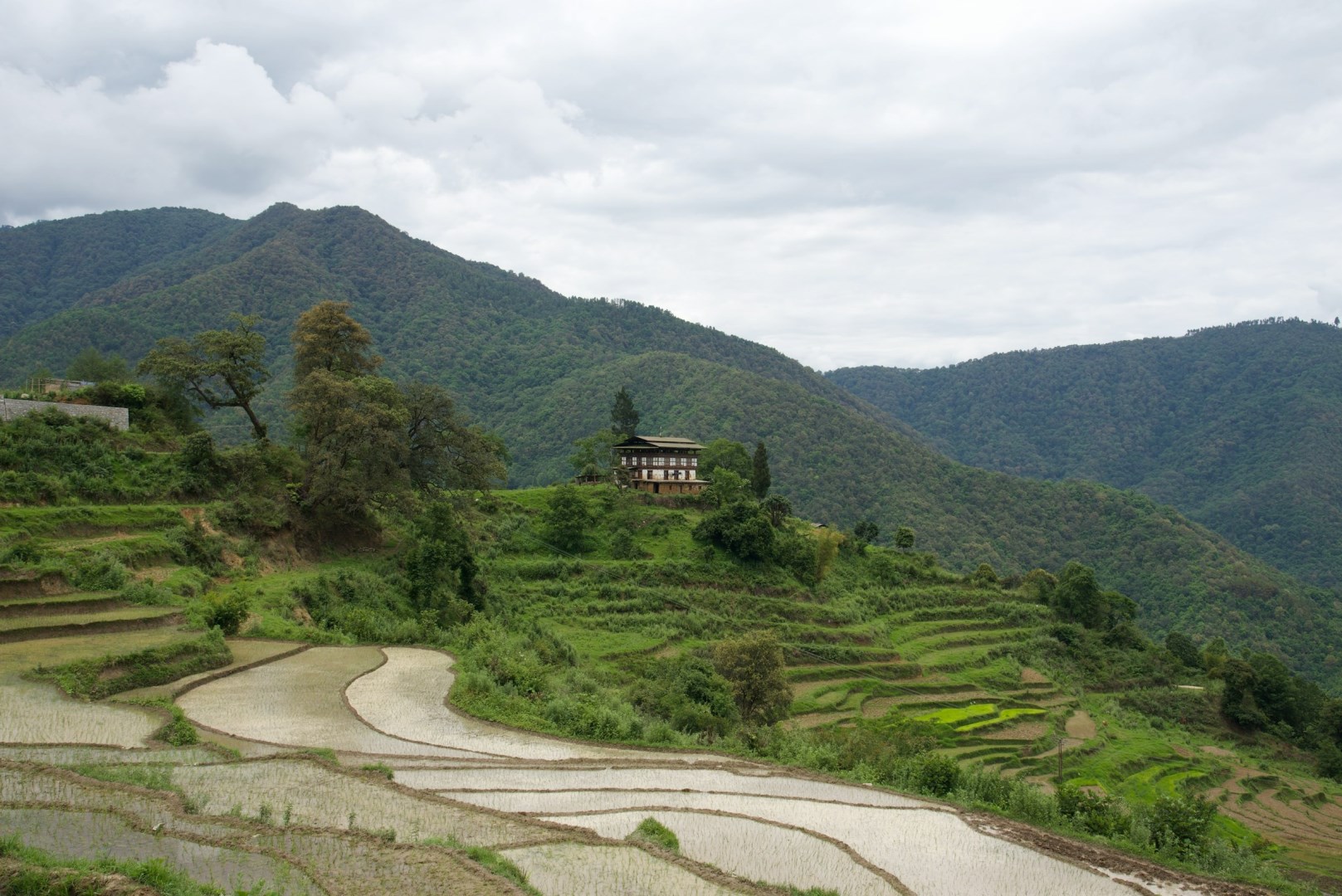
Khuruthang is a small town in Punakha District in western Bhutan, situated along the Punatsangchhu River in the fertile Punakha Valley. It serves as the main township of Punakha and contains residential areas, shops, government institutions, schools, and a local market. The town is surrounded by hills, villages, and cultivated land, with rice fields visible across parts of the valley. Khuruthang is also an important stopping point for travelers visiting nearby Punakha, making it a practical base

Richmond
Located along the James River, Richmond offers historic areas dealing with the early years of America.

Paro
Paro, Bhutan, is a serene valley town that offers a gateway to the mystical charm of the Land of the Thunder Dragon. Nestled amidst verdant hills and bisected by the glistening Paro Chhu river, Paro is home to some of Bhutan’s most iconic landmarks and cultural treasures. At the heart of this picturesque valley stands the majestic Paro Dzong, or Rinpung Dzong, a fortress-monastery with a history dating back to the 17th century.
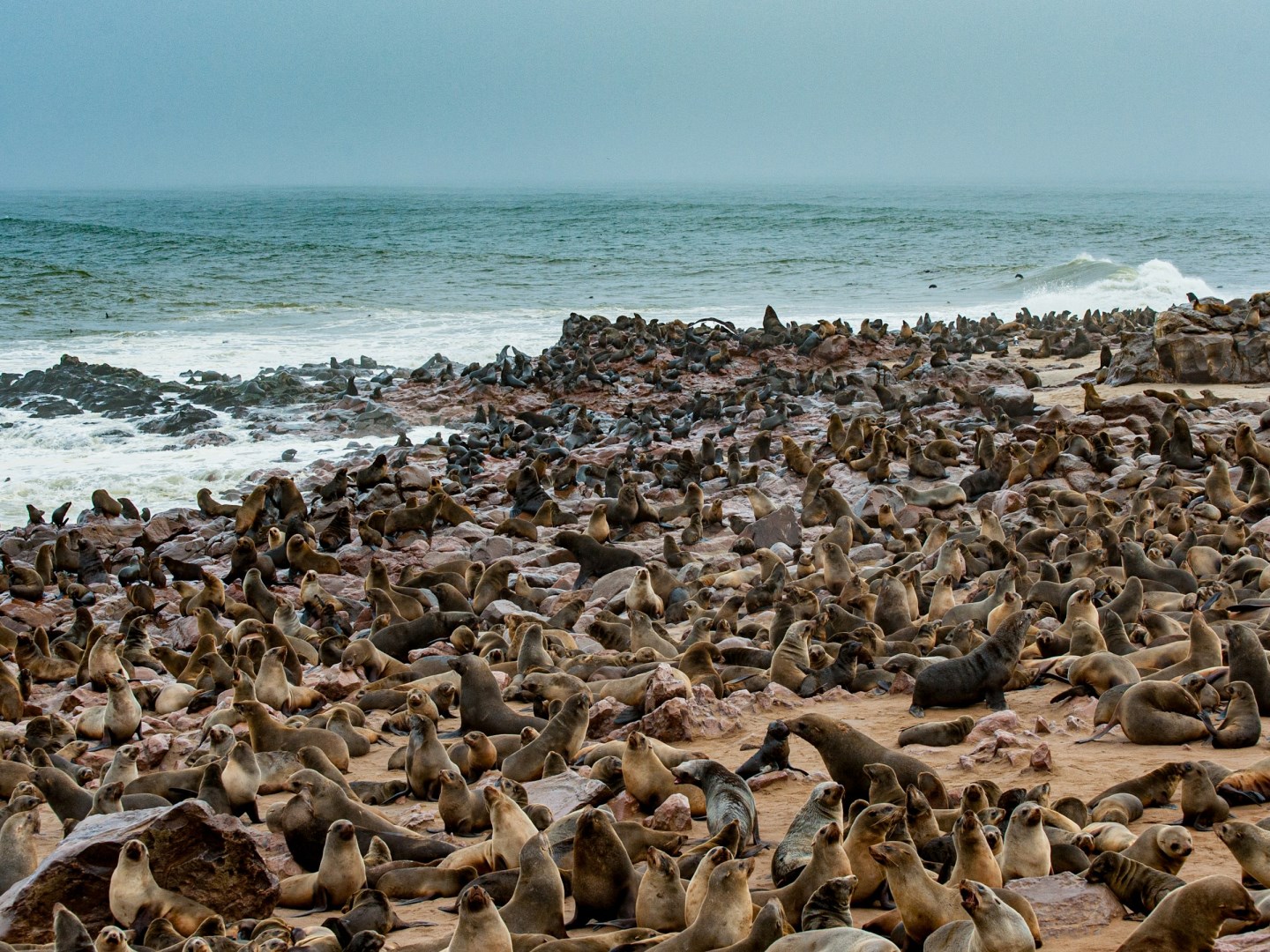
Cape Cross
Cape Cross is a remote coastal site on Namibia’s Atlantic shoreline, located within the dry landscapes of the Namib Desert. It is best known for the Cape Cross Seal Reserve, which protects one of the world’s largest breeding colonies of Cape fur seals. The coastline here consists of rocky shores, sandy beaches, salt pans, and sparsely vegetated desert terrain.