Icy Strait Point
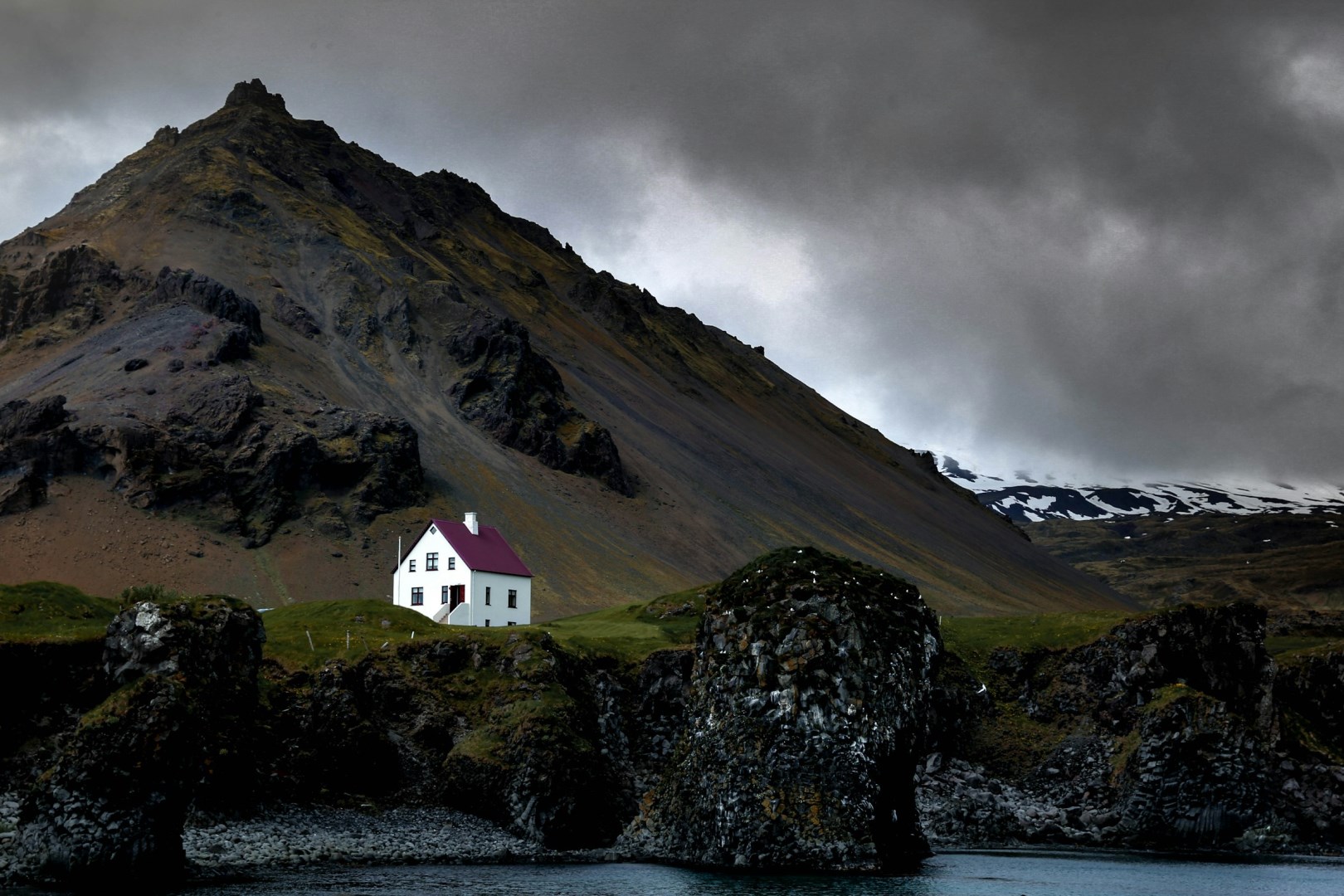
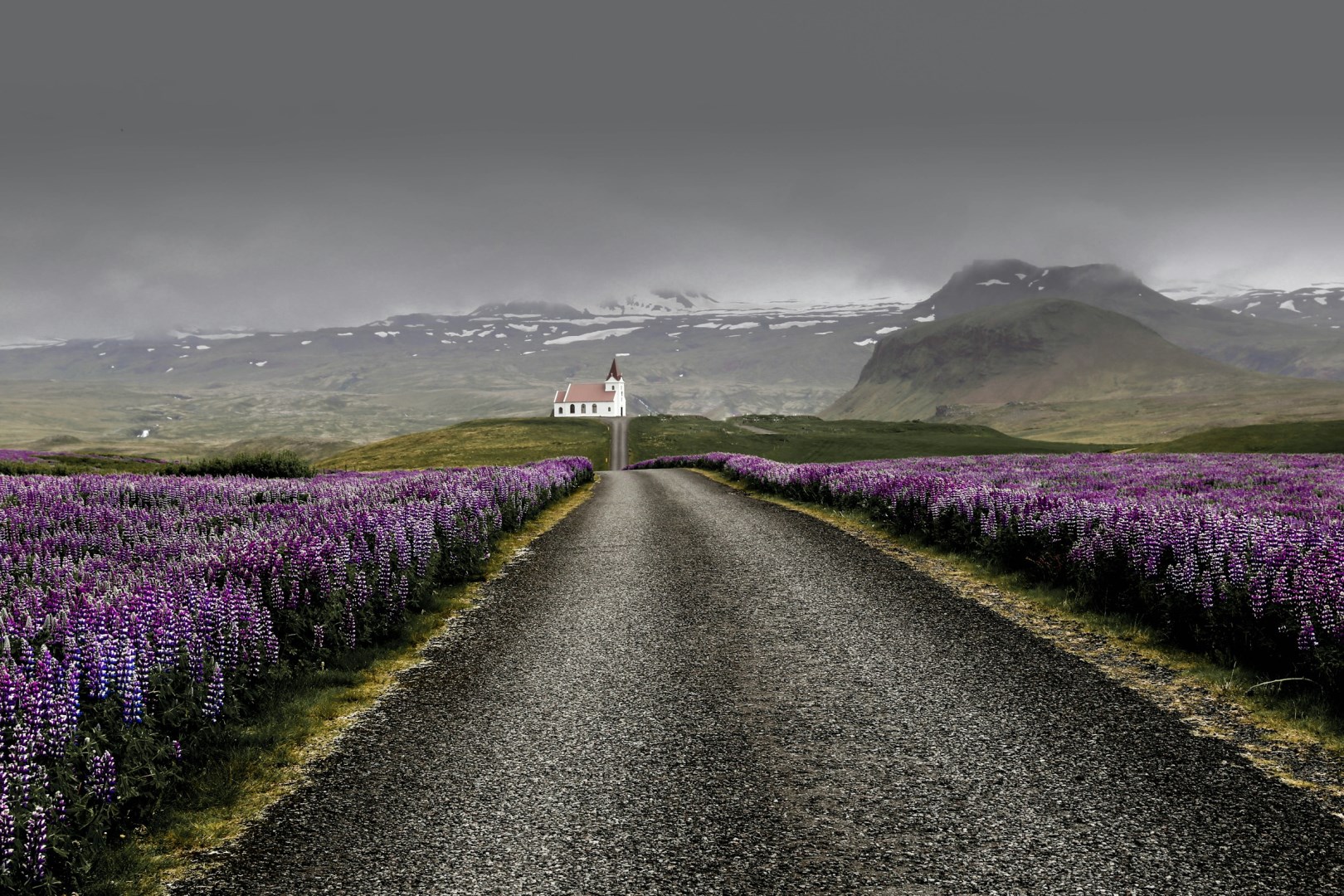
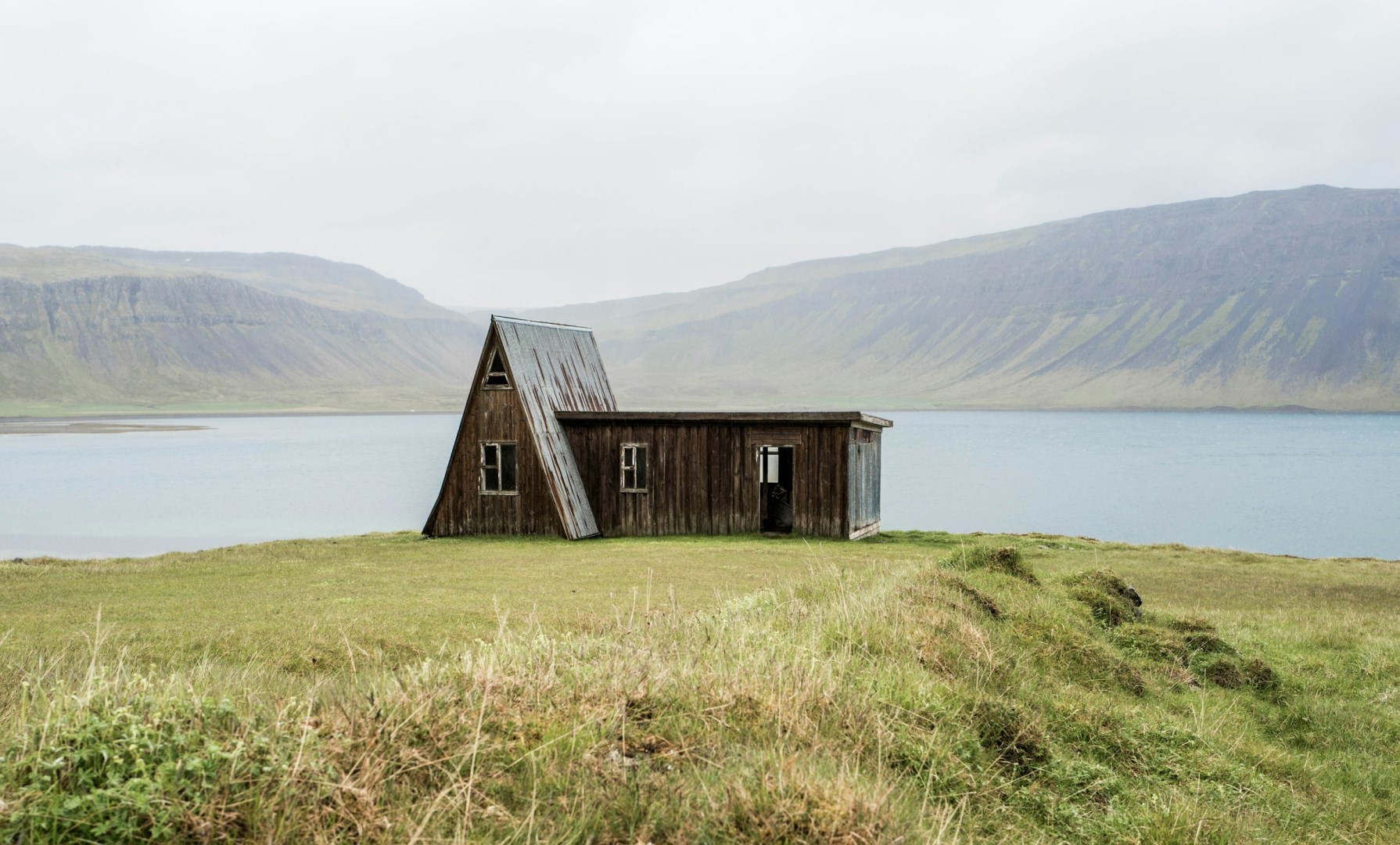
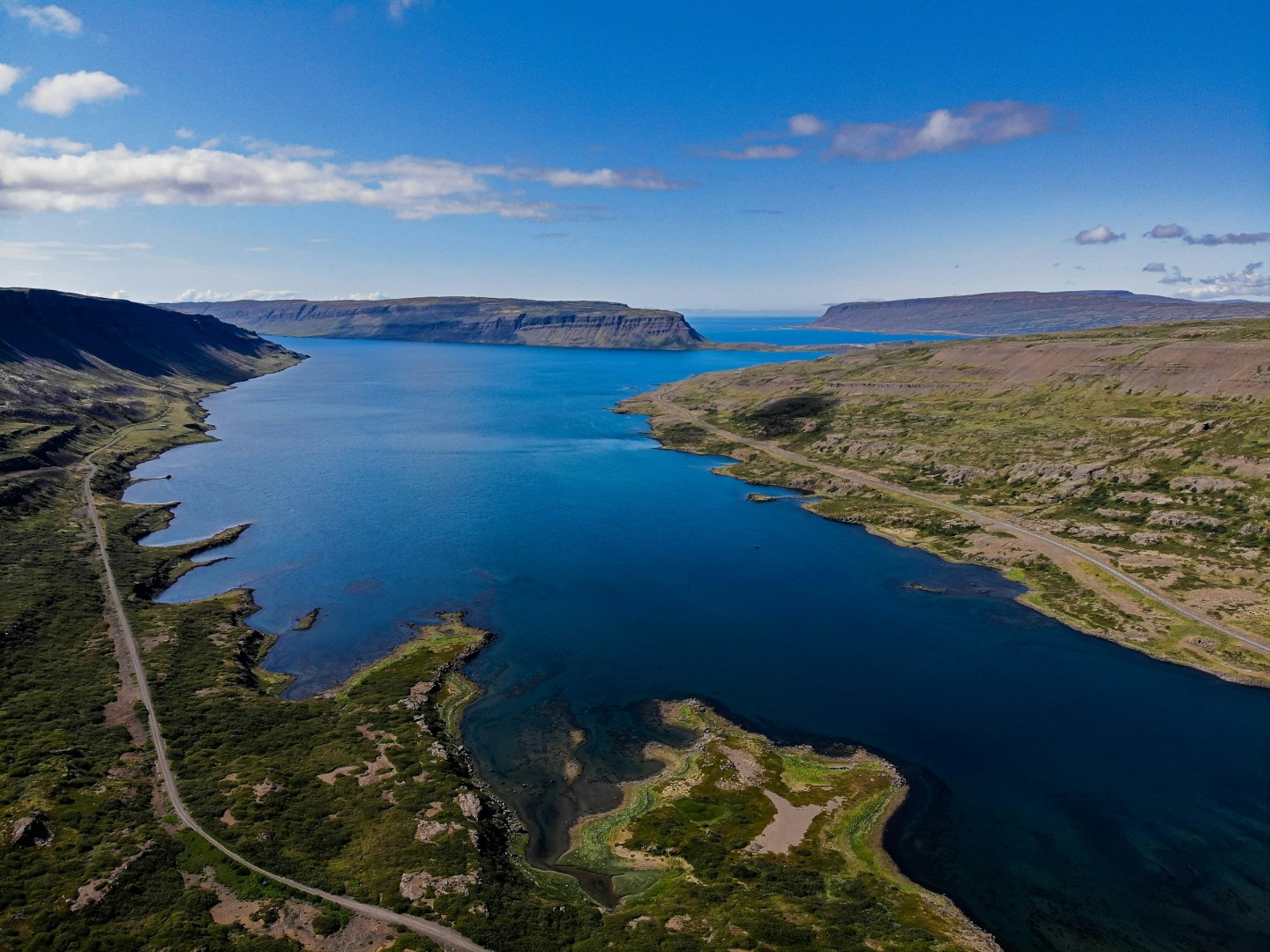
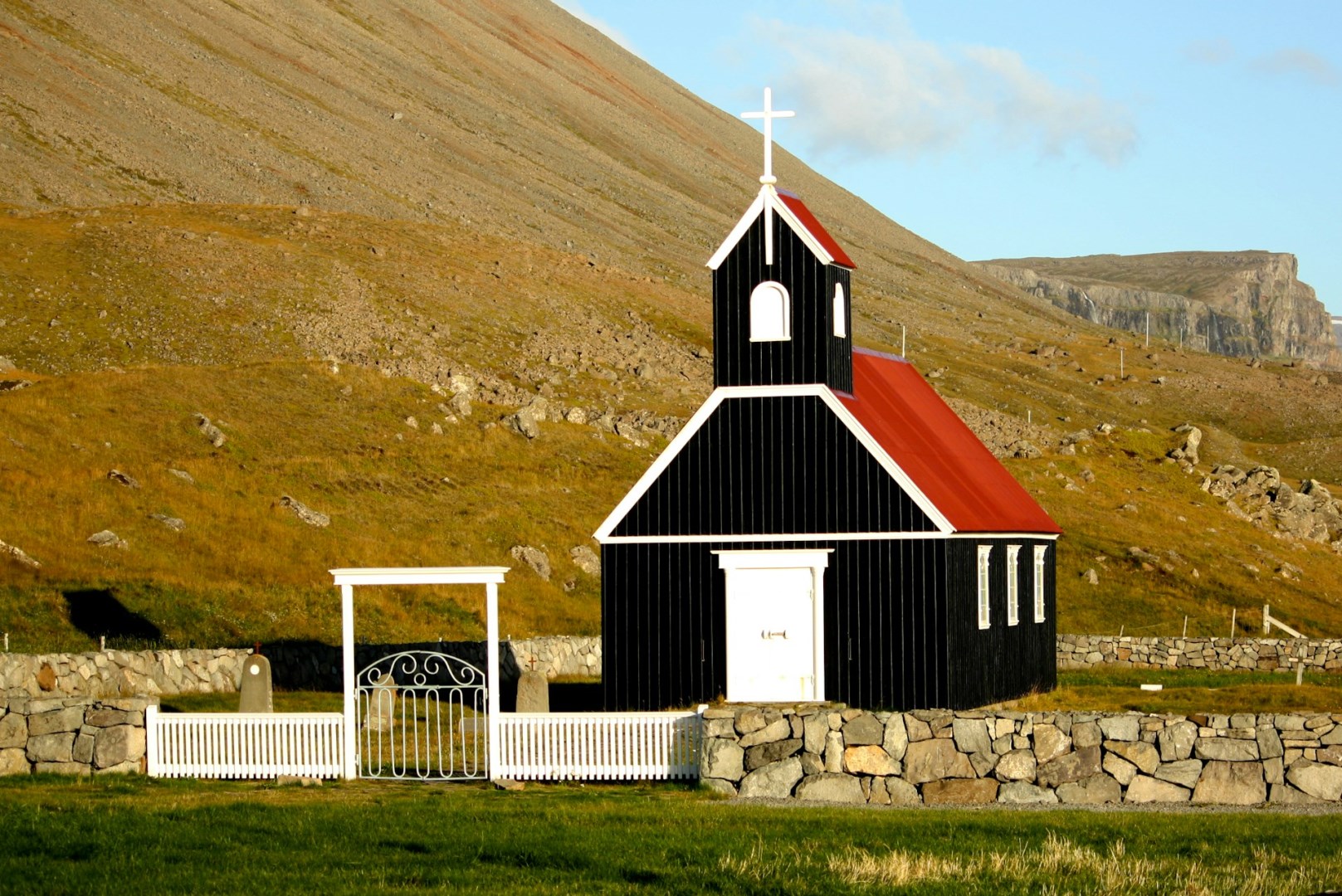
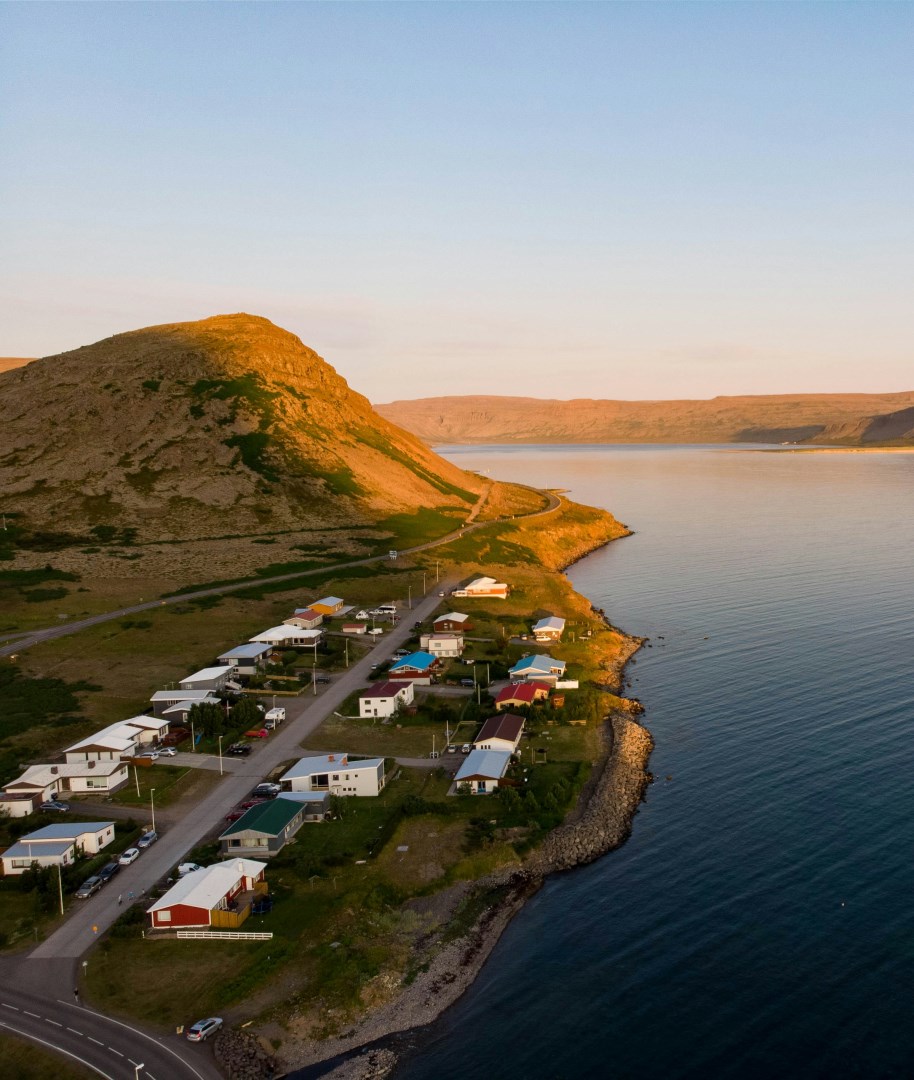
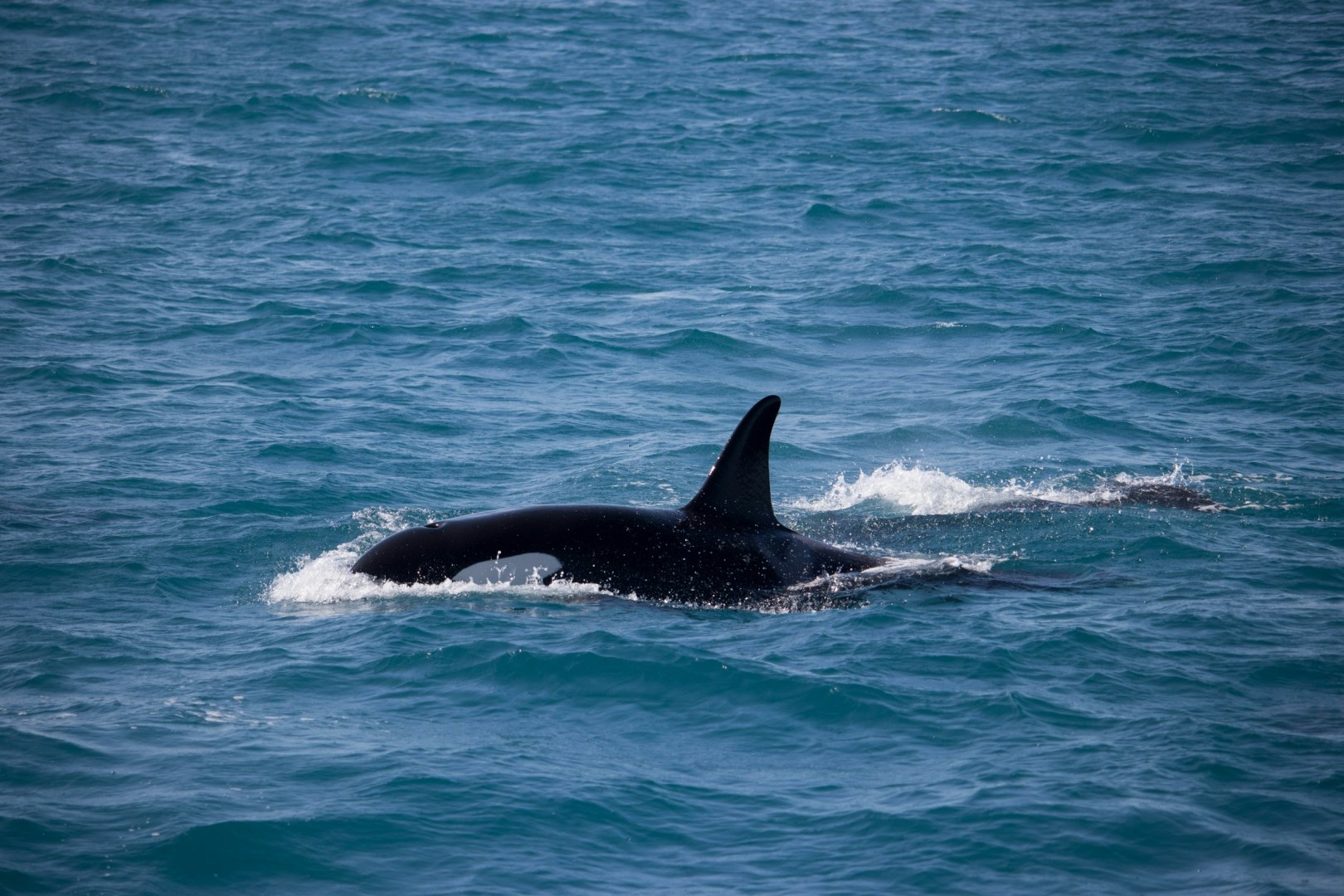
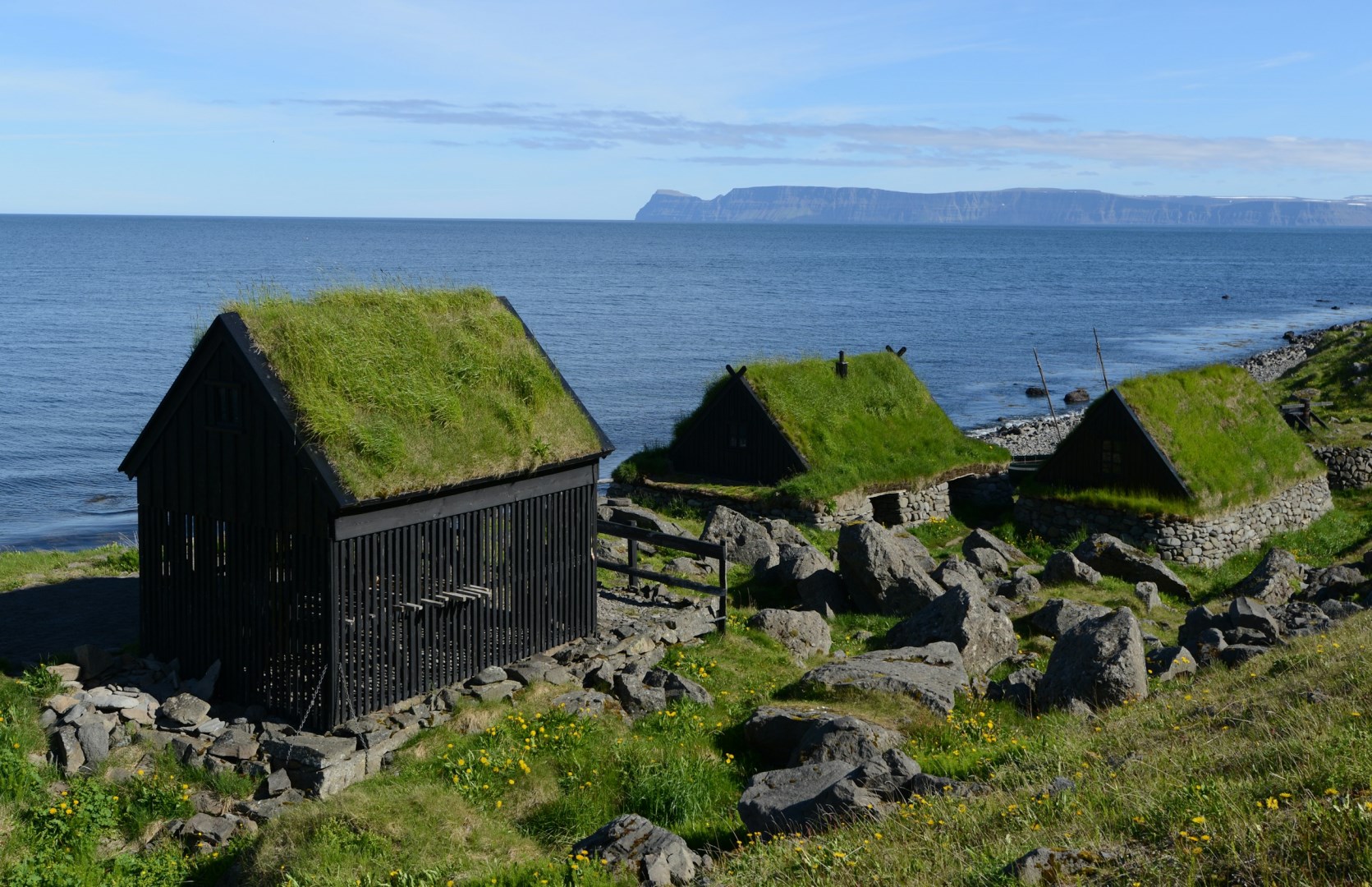
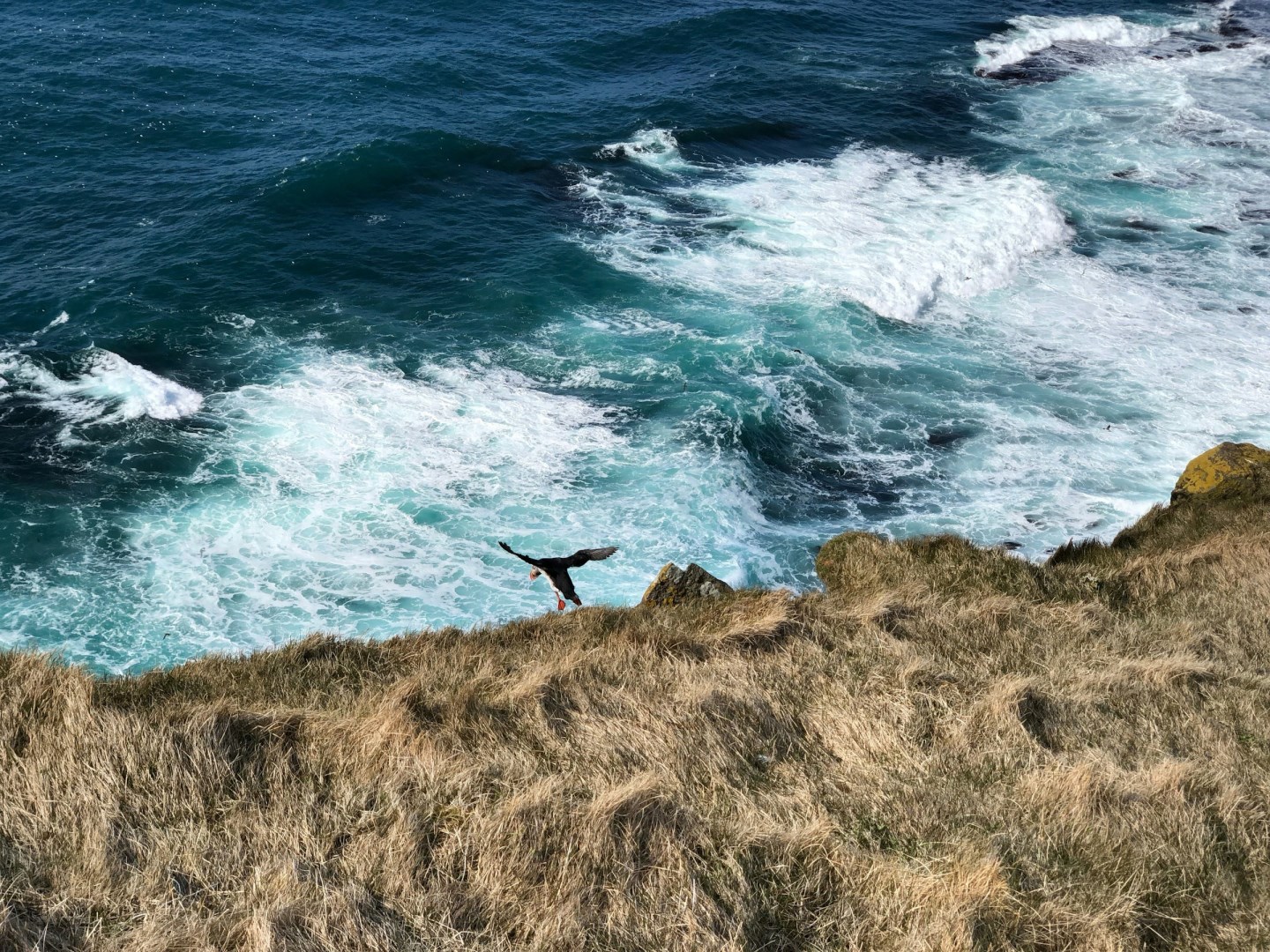
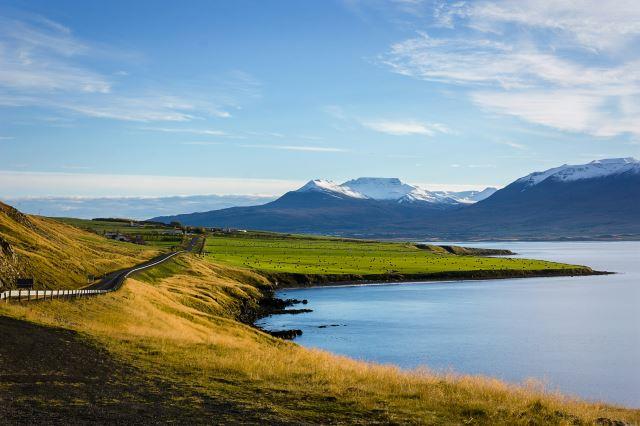
Icy Strait, Alaska, is a hidden gem for adventurers seeking an authentic Alaskan experience. Nestled between the rugged coastlines of the Inside Passage and the stunning wilderness of the Tongass National Forest, Icy Strait offers unparalleled natural beauty and wildlife encounters. This remote destination is ideal for those looking to explore the great outdoors, with opportunities for whale watching, fishing, and hiking through pristine landscapes.
Ile a Vache
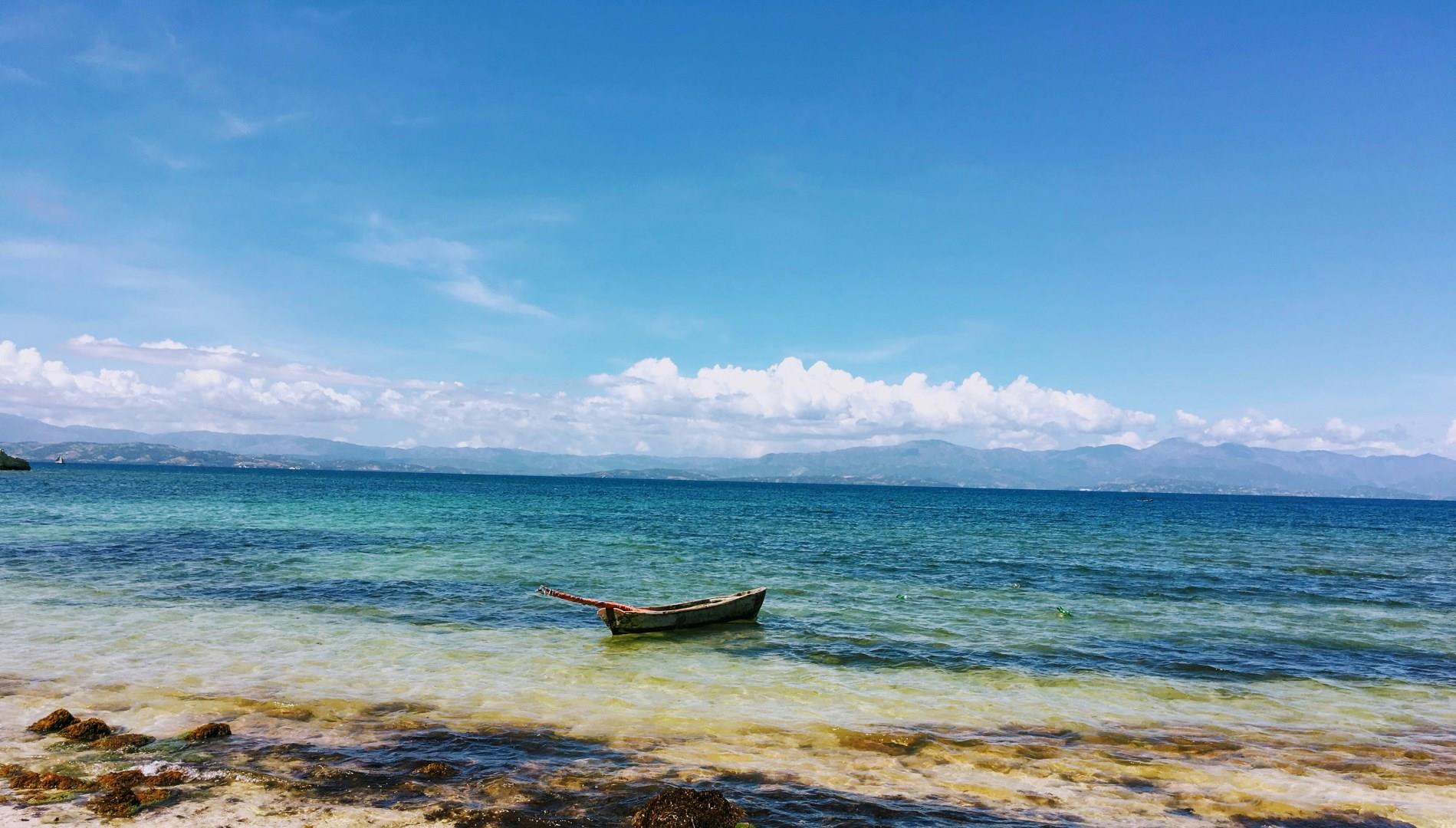
Ile a Vache, or "Cow Island," is a tranquil paradise off Haiti’s southern coast, offering a rare glimpse into an unspoiled Caribbean escape. With its pristine beaches, crystal-clear waters, and lush landscapes, the island is a haven for nature lovers and those seeking serenity.
Dubuque
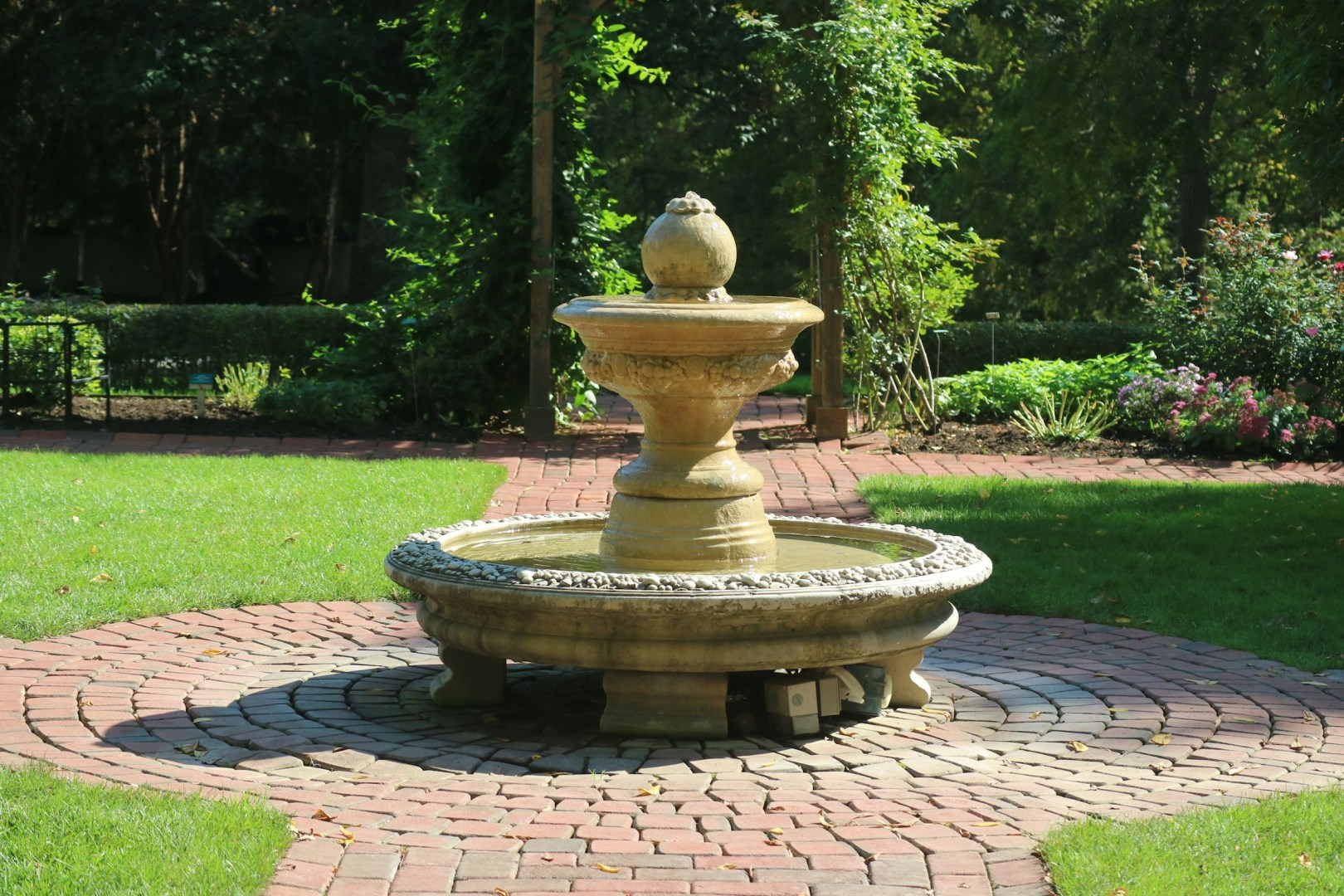
Dubuque sits along the Mississippi River in northeastern Iowa, where steep limestone bluffs rise above a broad river corridor. The city is Iowa’s oldest incorporated community and developed around river commerce, lead mining, manufacturing, and trade. Its historic downtown contains preserved brick buildings, churches, shops, restaurants, and the distinctive Town Clock, while the Port of Dubuque provides a more modern riverfront district.
Ouro Preto
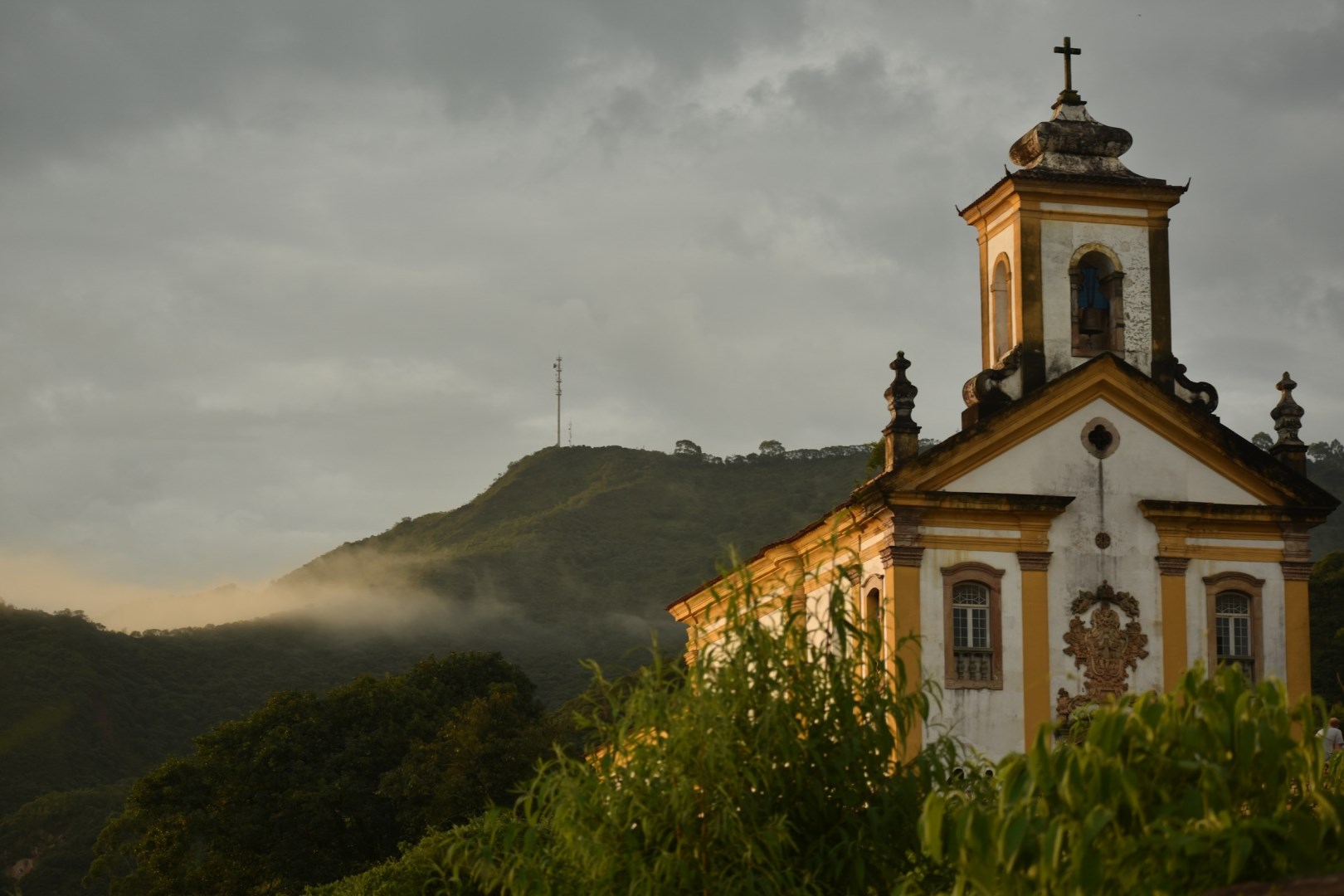
In Ouro Preto you will learn about the history of civilization. Walking around on the streets of Ouro Preto is an adventur full of discovery! With just a little time, you can wander freely between a world of history and that of actuality, with limits outlined by colonial architecture that now houses charming inns, restaurants, museums, shops, and more.
Kiawah Island
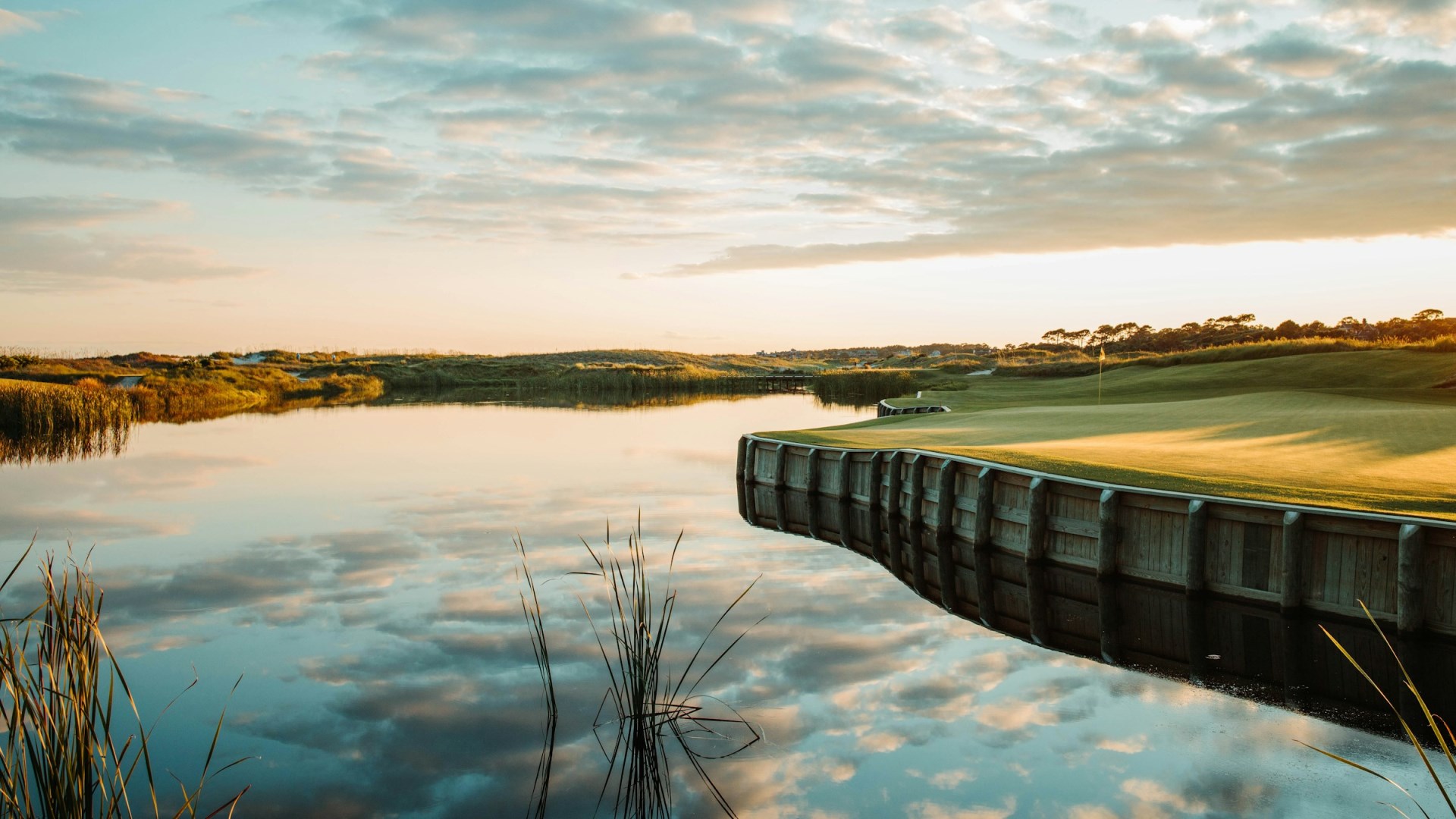
Kiawah Island boasts over 10 miles of wide, immaculate, ocean beach. Soothing by day, romantic by night, the beach is complimented by river, meandering lagoons, and pristine marshlands.