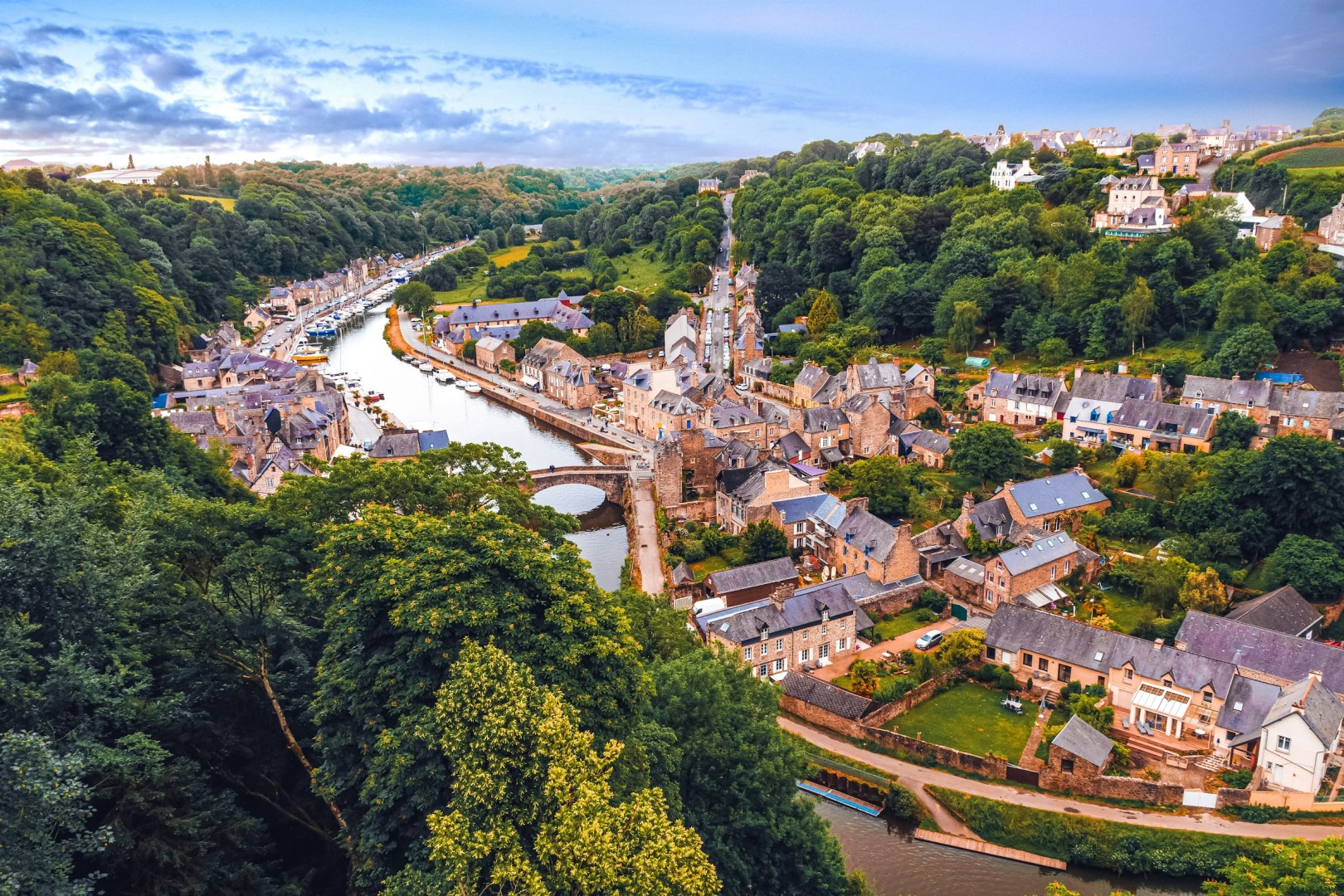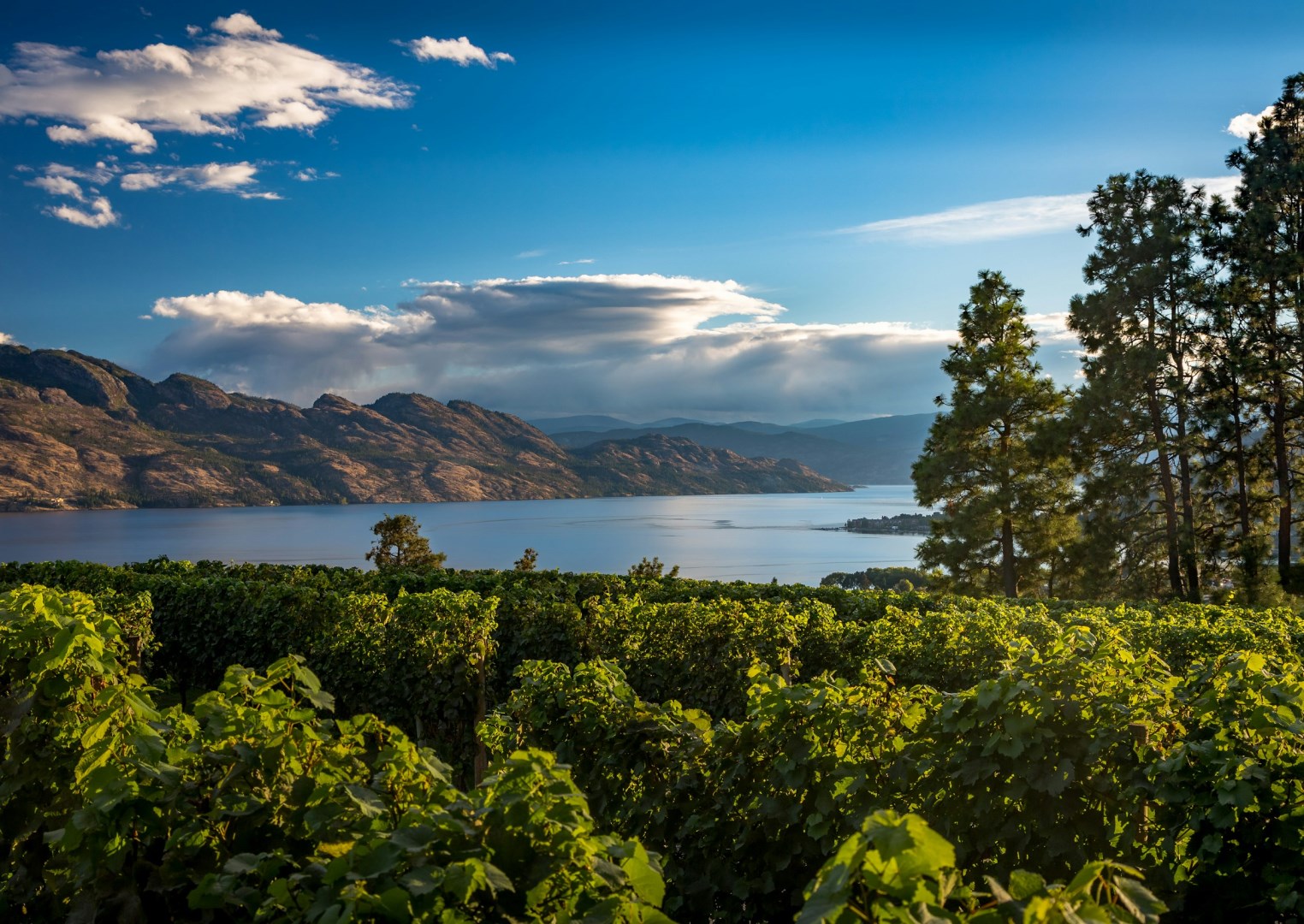
Kelowna
In the Penticton area of central British Columbia, it is known for its winter sports.
Foz do Iguaçu
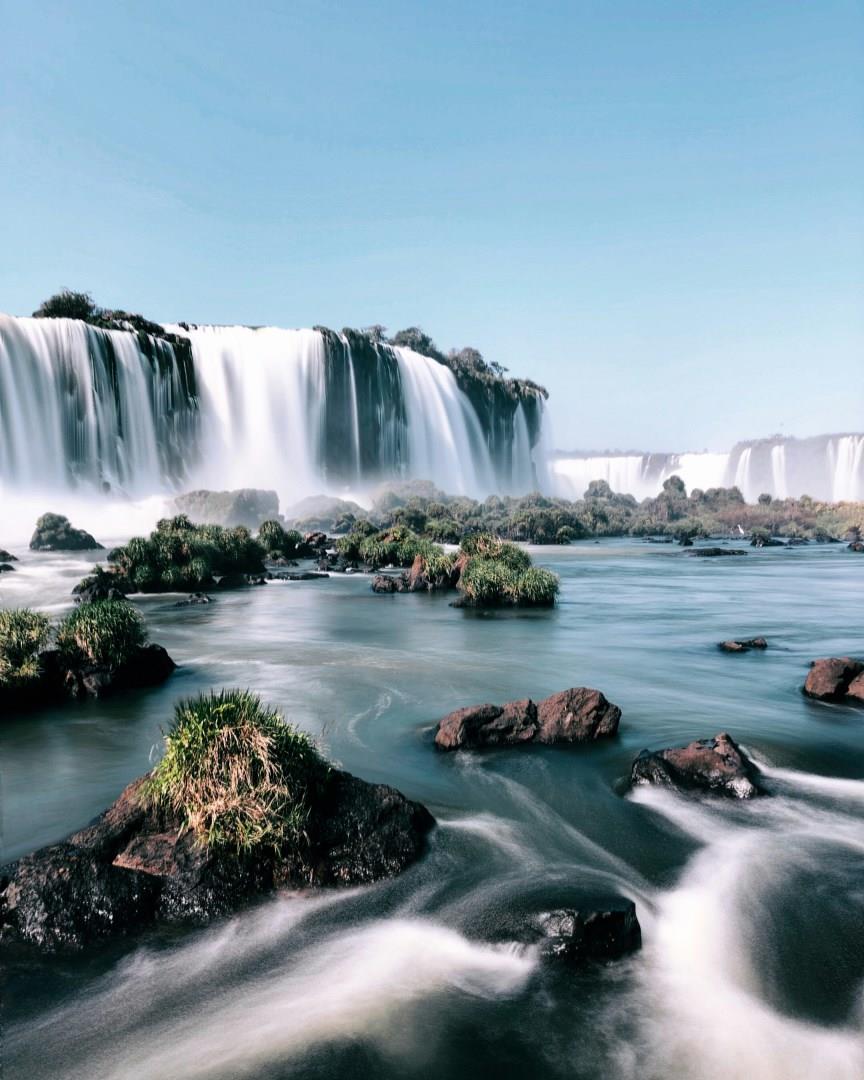
Set at the meeting point of Brazil and Argentina, Foz do Iguaçu is defined by the sheer scale of the Iguaçu Falls. Nearly 275 individual waterfalls stretch across close to three kilometers, sending mist into the air and sound echoing through the surrounding forest. Visitors follow raised walkways that bring them face to face with this moving wall of water, culminating at the dramatic Devil’s Throat, a deep, curved drop where the river seems to vanish into the earth.
Liberia
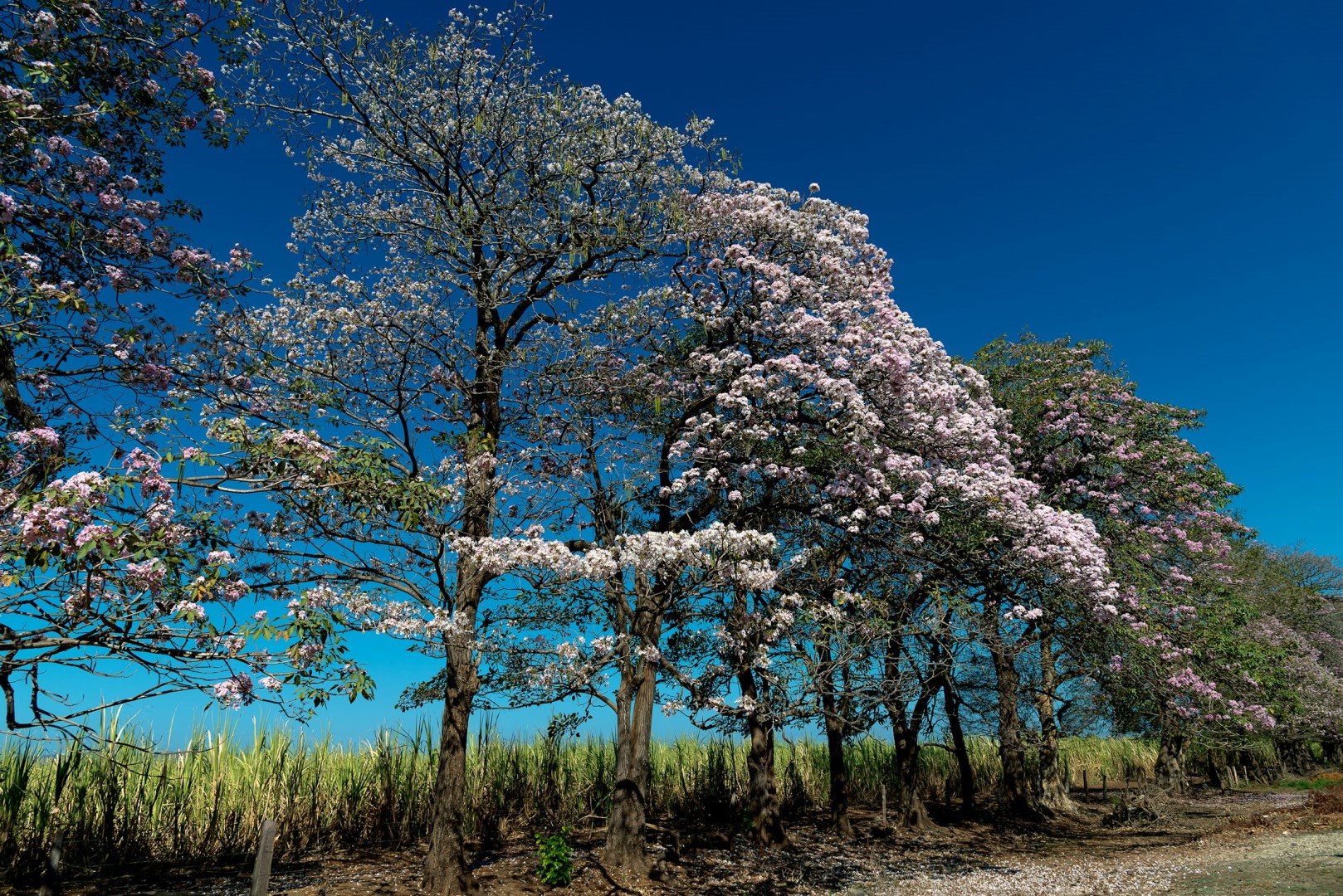
This Northern Costa Rica city is known for its volcanoes (both active and inactive), the Catholic church Ermita de La Agonía, and the Museo del Sabanero.
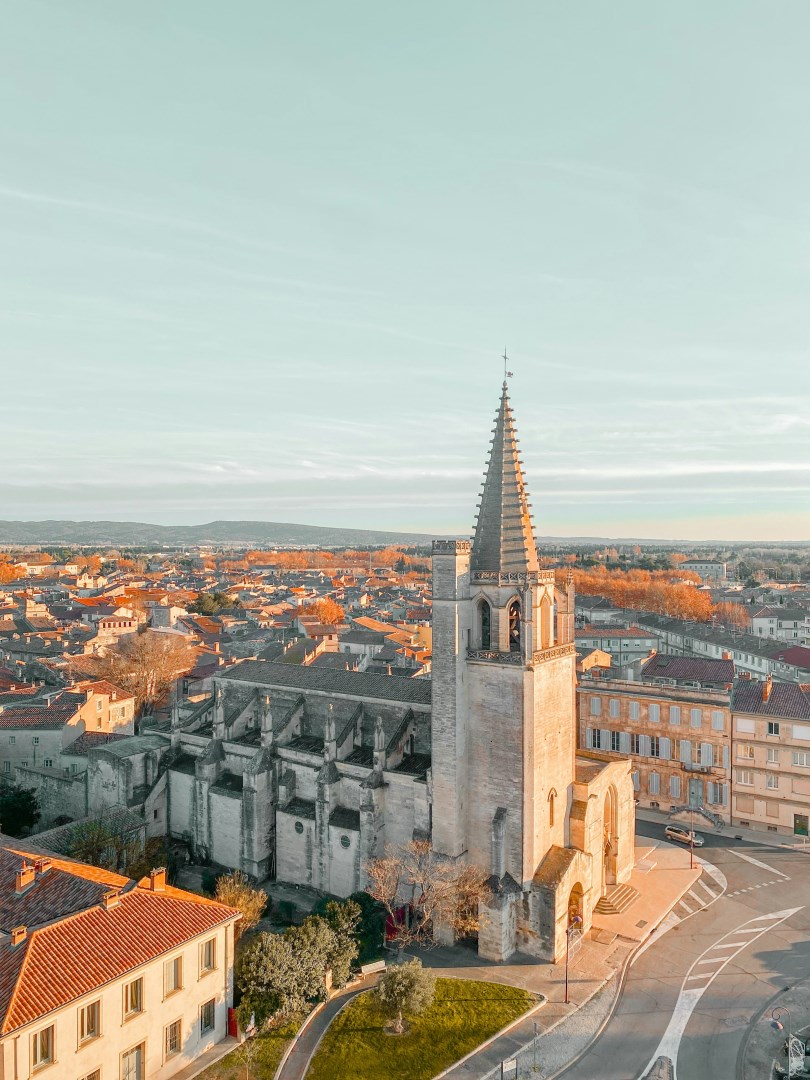
Tarascon
Tarascon, on the east bank of the Rhone River, is best known for its medieval appearance and historical edifices. Collegiate Sainte-Marthe (St Martha's Collegiate Church) was built in the 12th century in honor of the city's patron saint, St. Martha. Nearby, the castle of King René stands right on the banks of the Rhône.
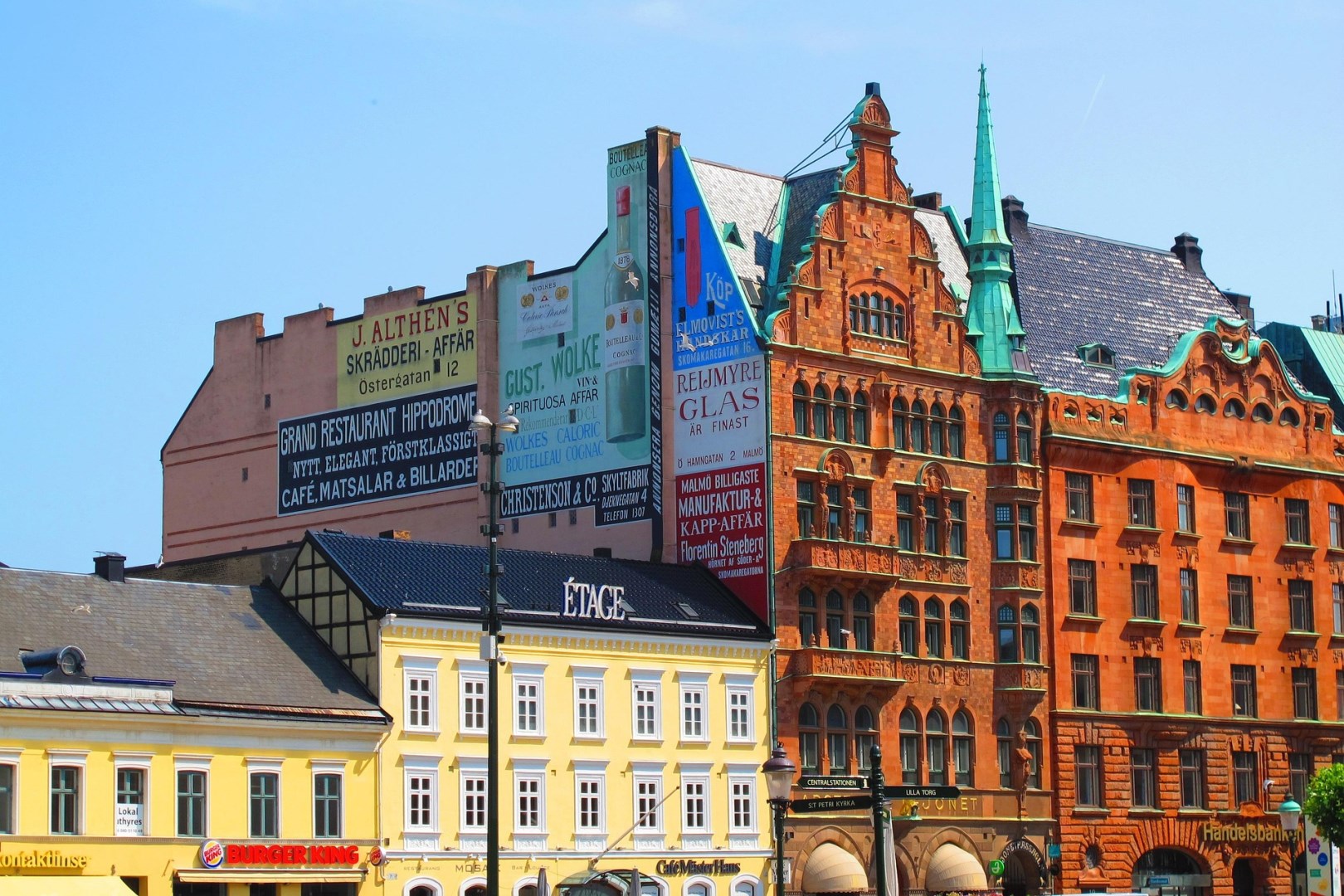
Malmö
Malmö is Sweden’s third-largest city, located in the southern province of Skåne beside the Öresund Strait. Its position opposite Copenhagen has made it an important port, trading center, and meeting place, while the city today combines historic neighborhoods with modern architecture and extensive parks.