Maracas Bay Village
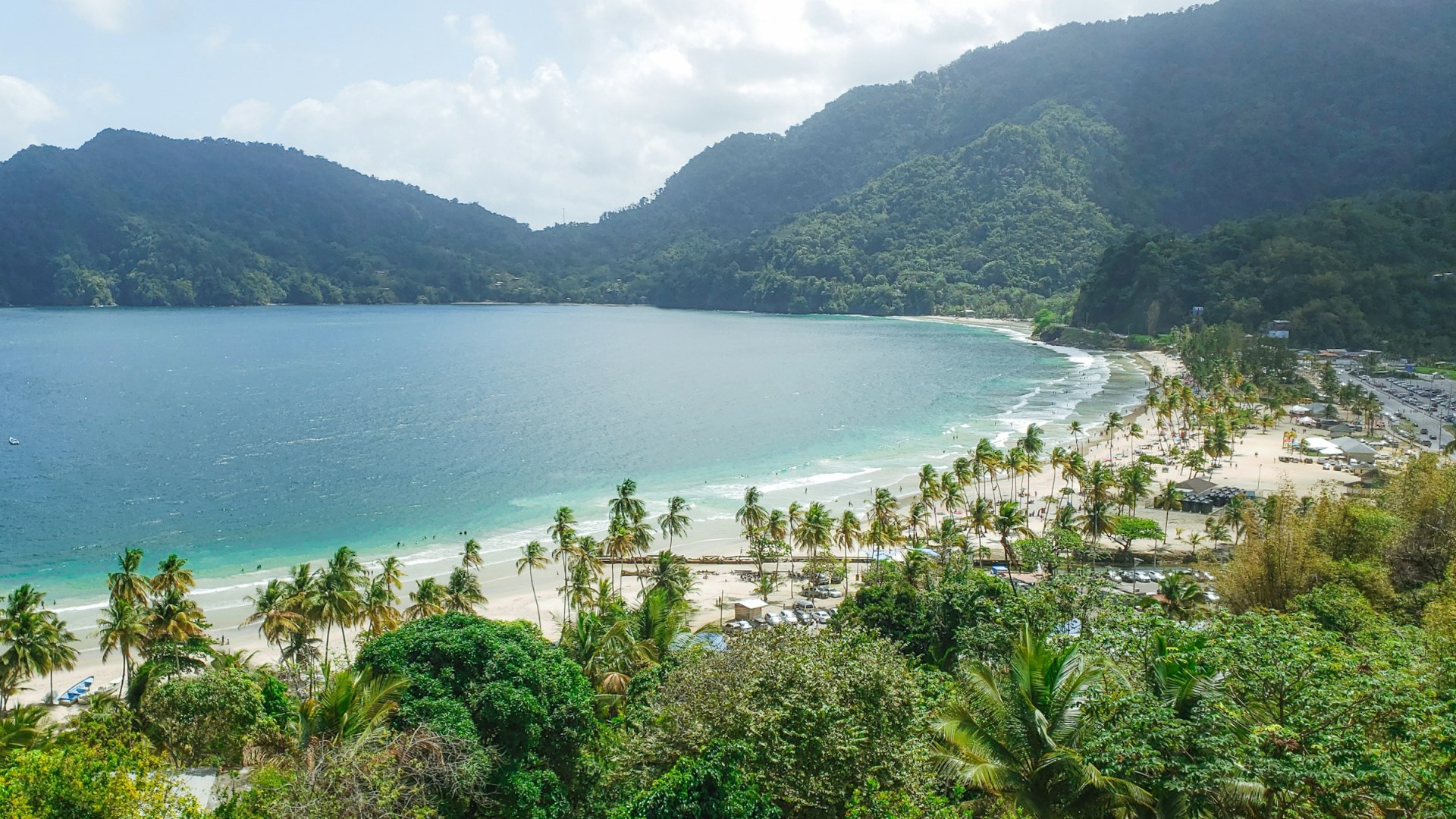
Maracas Bay Village is a small coastal community on Trinidad’s north coast, set around the well-known Maracas Bay and surrounded by the forested Northern Range. The village lies at the end of the Maracas Valley, where steep green hills descend toward the Caribbean Sea. Its economy and daily life are closely connected with the beach, fishing, small businesses, and visitors from across Trinidad.

Watamu
Watamu, located on Kenya’s picturesque coast, is a paradise for beach lovers and nature enthusiasts alike. Renowned for its pristine white-sand beaches and turquoise waters, Watamu is part of the Watamu Marine National Park, a protected area known for its vibrant coral reefs and rich marine biodiversity. The park is a haven for snorkeling and diving, with opportunities to see colorful fish, sea turtles, and even dolphins.
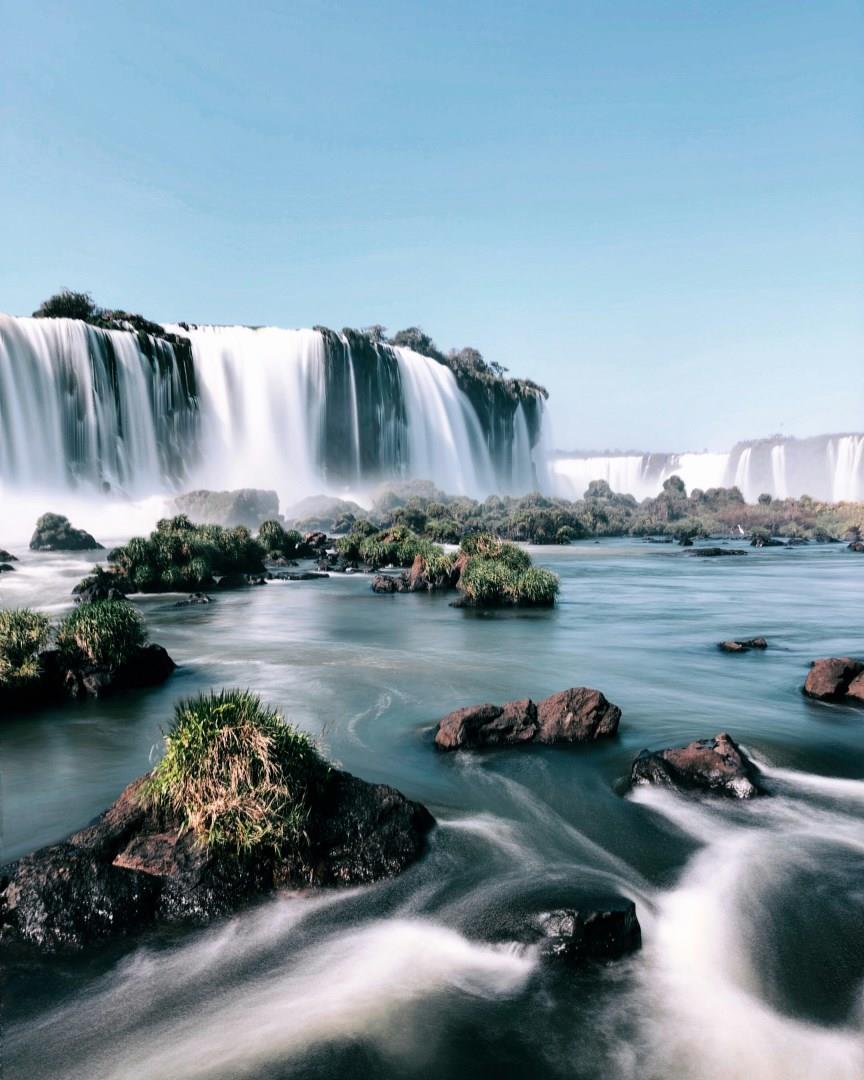
Foz do Iguaçu
Set at the meeting point of Brazil and Argentina, Foz do Iguaçu is defined by the sheer scale of the Iguaçu Falls. Nearly 275 individual waterfalls stretch across close to three kilometers, sending mist into the air and sound echoing through the surrounding forest. Visitors follow raised walkways that bring them face to face with this moving wall of water, culminating at the dramatic Devil’s Throat, a deep, curved drop where the river seems to vanish into the earth.

Slovakia
Slovakia is a country shaped by mountains, castles, and centuries of shifting borders. Tucked in the heart of Europe, it offers visitors a chance to explore medieval towns, alpine peaks, and deep-rooted traditions still practiced in daily life. Bratislava, the capital, sits along the Danube River and is one of the few national capitals that borders Austria and Hungary.

Dijon
Dijon is the capital of the Burgundy region in eastern France and a city renowned for its rich history, architectural beauty, and, of course, its world-famous mustard. With the city's origins dating back to Roman times, Dijon boasts an impressive array of historical sites, including the Église Notre-Dame and Palais des Ducs, one of France's most outstanding museums of fine arts.