The Jurassic Coast, a UNESCO World Heritage Site, is a breathtaking stretch of England’s southern coastline that spans 95 miles from Exmouth in Devon to Studland Bay in Dorset. It is renowned for its dramatic cliffs, stunning beaches, and incredible geological history, offering visitors the chance to explore 185 million years of Earth’s evolution.
Dominica, known as the “Nature Island of the Caribbean,” is a haven for eco-tourists and adventure seekers. Nestled between the French islands of Guadeloupe and Martinique, this lush island boasts a remarkable landscape of volcanic mountains, dense rainforests, and stunning waterfalls. Dominica’s most iconic natural wonder is the Boiling Lake, the second-largest hot spring in the world.
The Falkland Islands, a remote archipelago in the South Atlantic, offer a striking combination of wild open spaces, rich wildlife, and a way of life shaped by wind, sea, and resilience. With fewer than 3,500 residents spread across over 700 islands, the Falklands provide a rare opportunity to disconnect from busy modern life and connect with wide skies, rugged coastlines, and some of the most accessible wildlife experiences on the planet.
Canberra, the capital city of Australia, is a hidden gem that often surprises travelers with its rich blend of culture, history, and natural beauty. Designed by American architects Walter Burley Griffin and Marion Mahony Griffin, Canberra is a city thoughtfully crafted around Lake Burley Griffin, which offers picturesque views and serene walks. Unlike many cities, it is home to a vast population of kangaroos, which are often spotted hopping around suburban areas and parklands.
Plettenberg Bay is the jewel of The Garden Route. It's more than a village, less than a town. Plettenberg Bay is tranquil and charming, hospitable and rather special. Originally christened "Bahia Formosa" (beautiful bay) by early Portuguese explorers, Plettenberg Bay can now be accessed by first class national roads, by sea or by scheduled air flights.
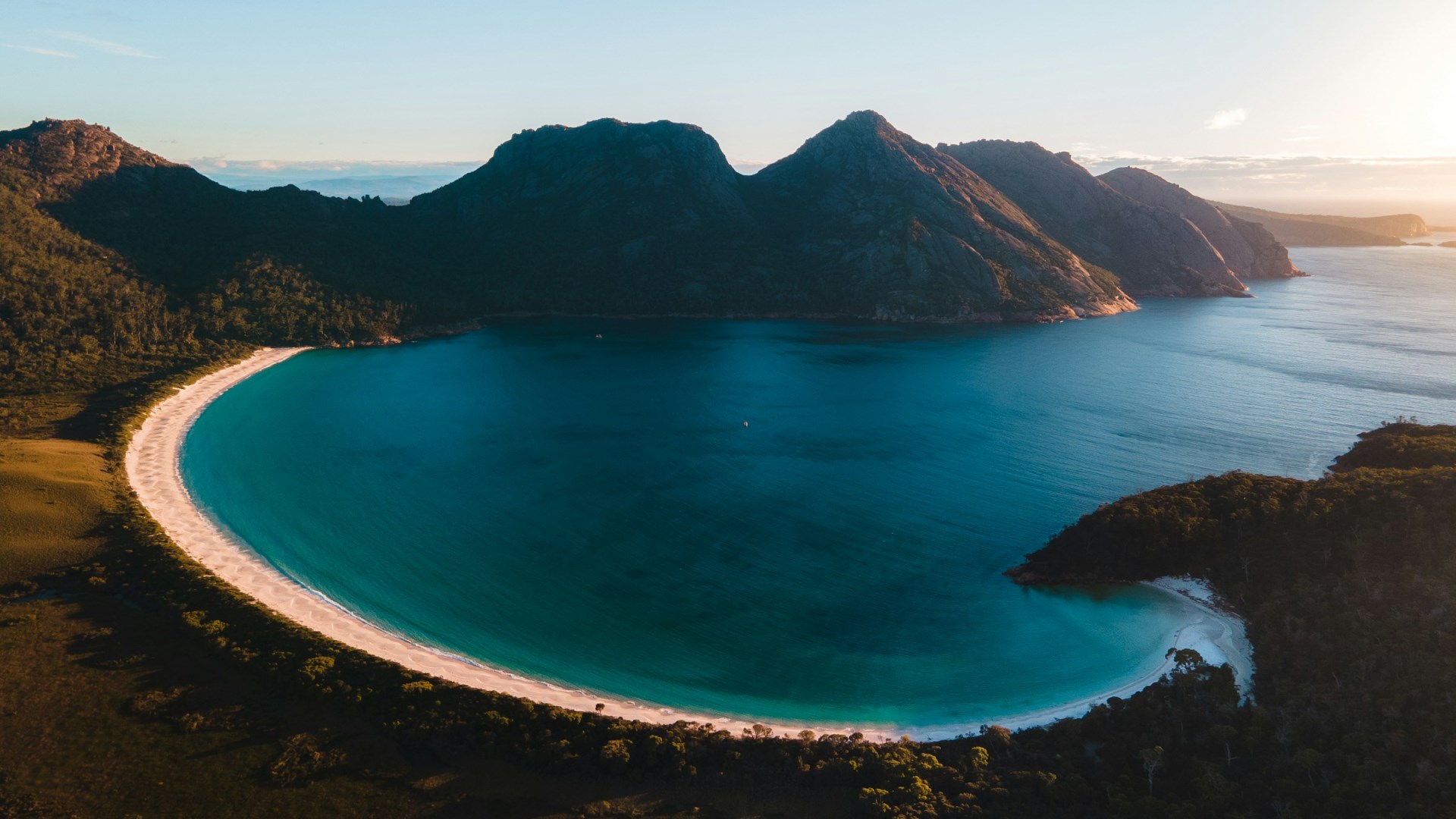
Photo Credit: Photo by Lochlainn Riordan on Unsplash
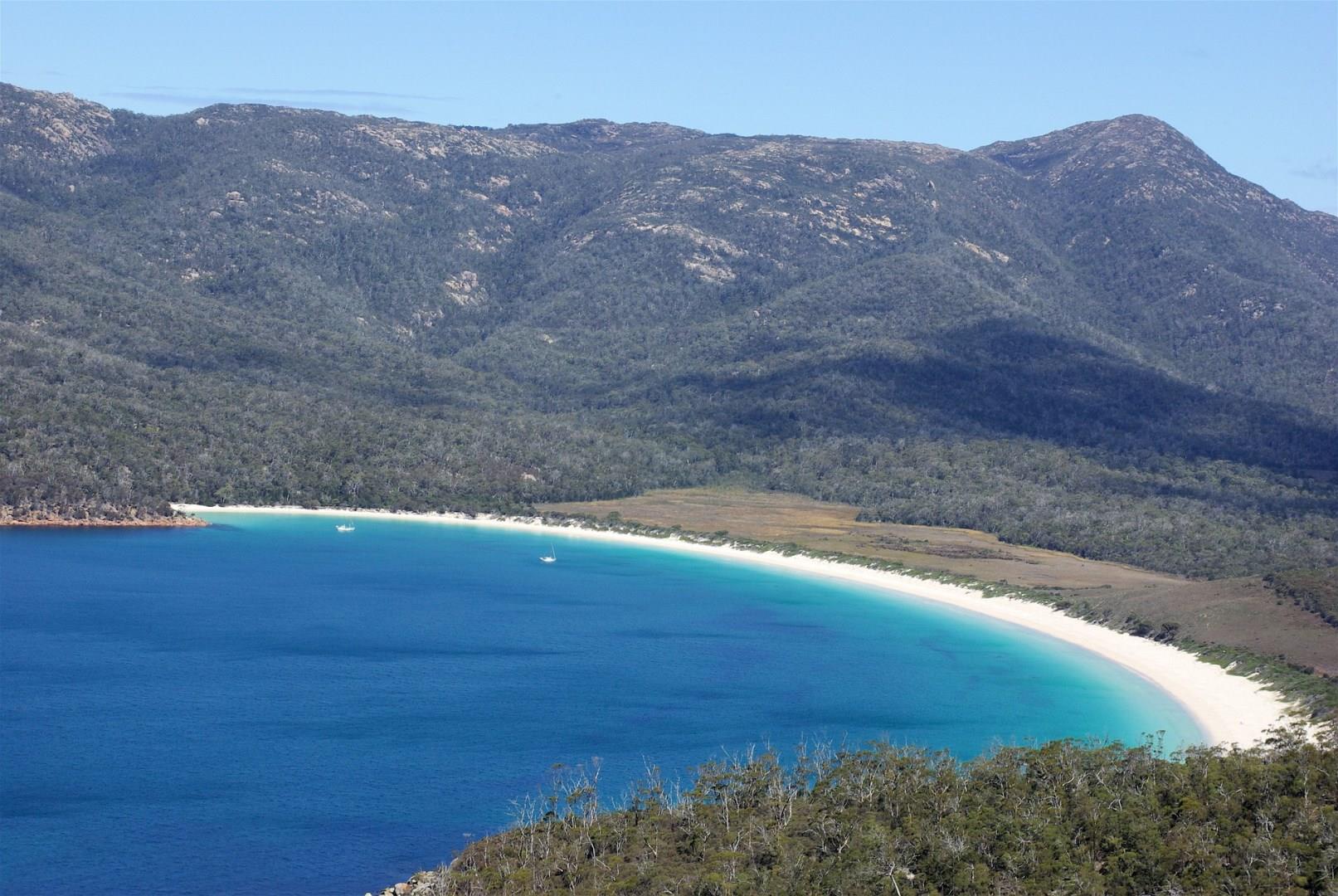
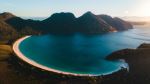
Nestled within Freycinet National Park on Tasmania's stunning east coast, Wineglass Bay is a destination that calls out to nature lovers and adventure seekers alike. Famous for its perfect crescent of powdery white sand lapped by sapphire-blue waters, this bay is consistently listed among the world's top beaches. Whether viewed from the Wineglass Bay Lookout or experienced up close with a swim or a kayak adventure, the beauty of this natural wonder is simply breathtaking. Hiking to the lookout is a rewarding experience, taking you through native bushland filled with eucalyptus trees and leading to a panoramic vista that captures the bay’s unique shape, which has given it its evocative name.
Wineglass Bay is also a gateway to a variety of outdoor experiences. The Hazards Beach Circuit provides a picturesque 11-kilometer loop walk that combines the pristine beaches of Wineglass Bay and Hazards Beach, traversing the jagged pink granite mountains known as The Hazards. For those who prefer a marine perspective, sea kayaking tours allow paddlers to glide alongside playful dolphins and spot seals and sea eagles in their natural habitat. The crystal-clear waters are also perfect for snorkeling and scuba diving, revealing vibrant marine life and hidden coves.
The surrounding Freycinet National Park offers ample opportunities for exploration beyond Wineglass Bay. The park is home to diverse wildlife, including Bennett's wallabies, wombats, and a variety of bird species that can often be seen on the walking trails. The area is steeped in history, with the Indigenous Paredarerme people having a long-standing connection to this land. Guided walks with local Aboriginal guides provide an enriching way to learn about the cultural significance of the park and its natural features, deepening the visitor experience.