Deception Island
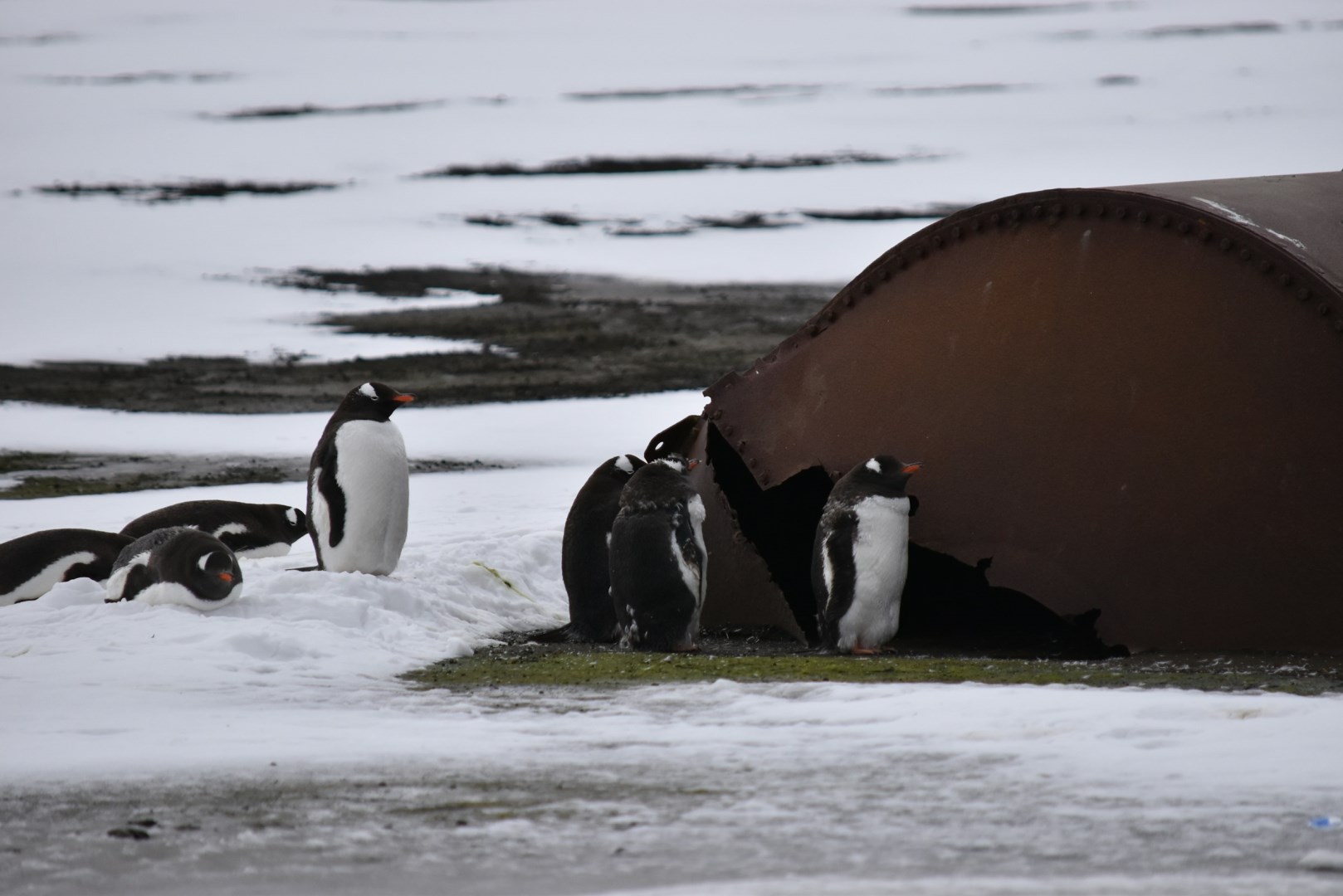
Antarctica’s Deception Island offers a dramatic landscape shaped by volcanic forces in one of the most remote corners of the world. Located in the South Shetland Islands, it is the caldera of an active volcano, its flooded interior forming a natural harbor known as Port Foster. This rare combination of volcanic activity and polar environment makes Deception Island a place where ice and fire meet.

Salvador da Bahia
Salvador da Bahia, often simply called Salvador, is a city where the soul of Brazil truly shines. As the capital of the state of Bahia and one of the oldest colonial cities in the Americas, Salvador offers a rich tapestry of Afro-Brazilian culture, vibrant music, and historic architecture.
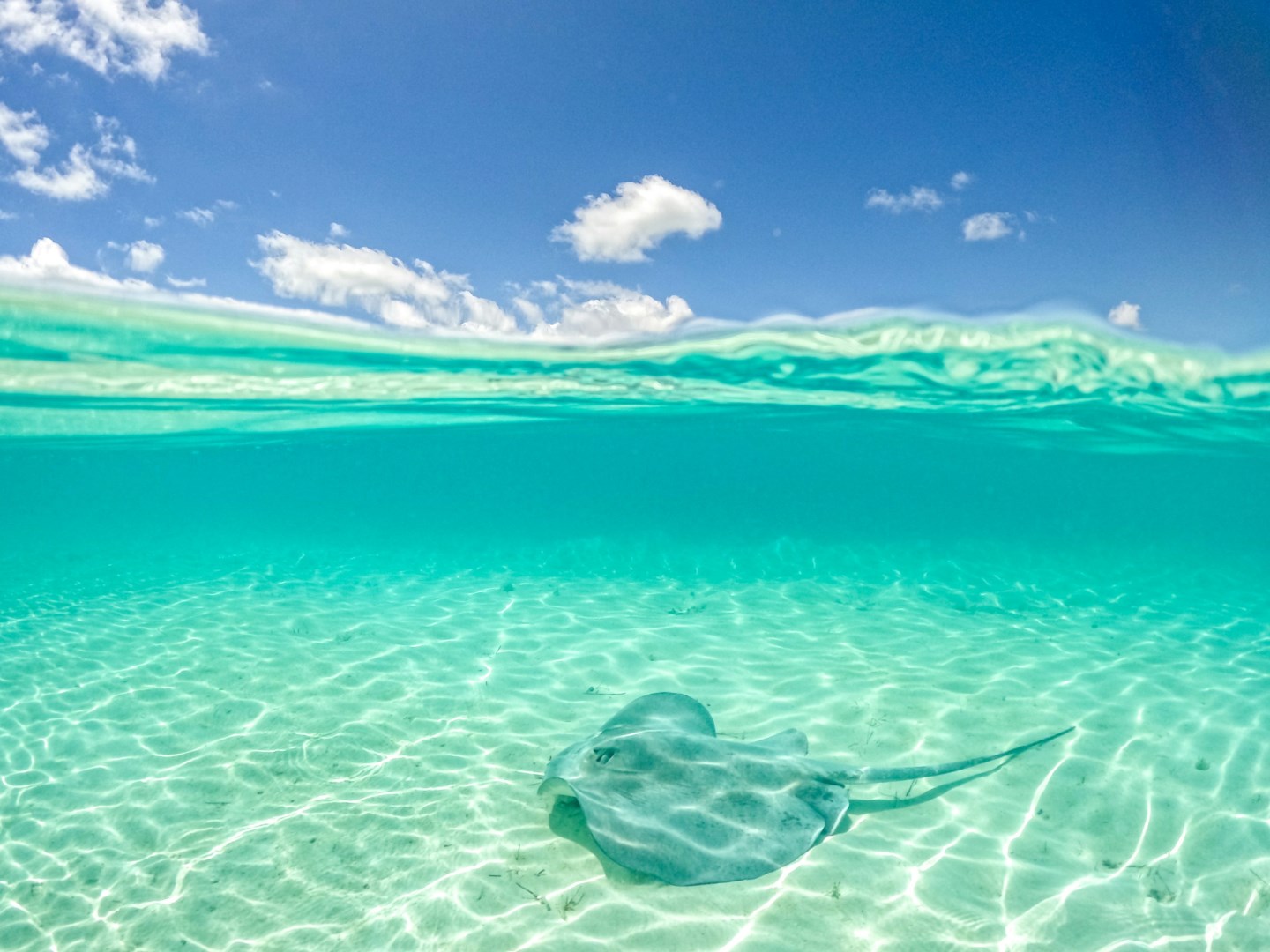
Exuma
Exuma is a long chain of islands and cays in the central Bahamas, stretching through clear Atlantic waters southeast of New Providence. The district includes Great Exuma, Little Exuma, and hundreds of smaller cays, with George Town serving as the main settlement and administrative centre. The islands are characterized by white-sand beaches, shallow turquoise banks, limestone landscapes, mangroves, and sheltered bays.
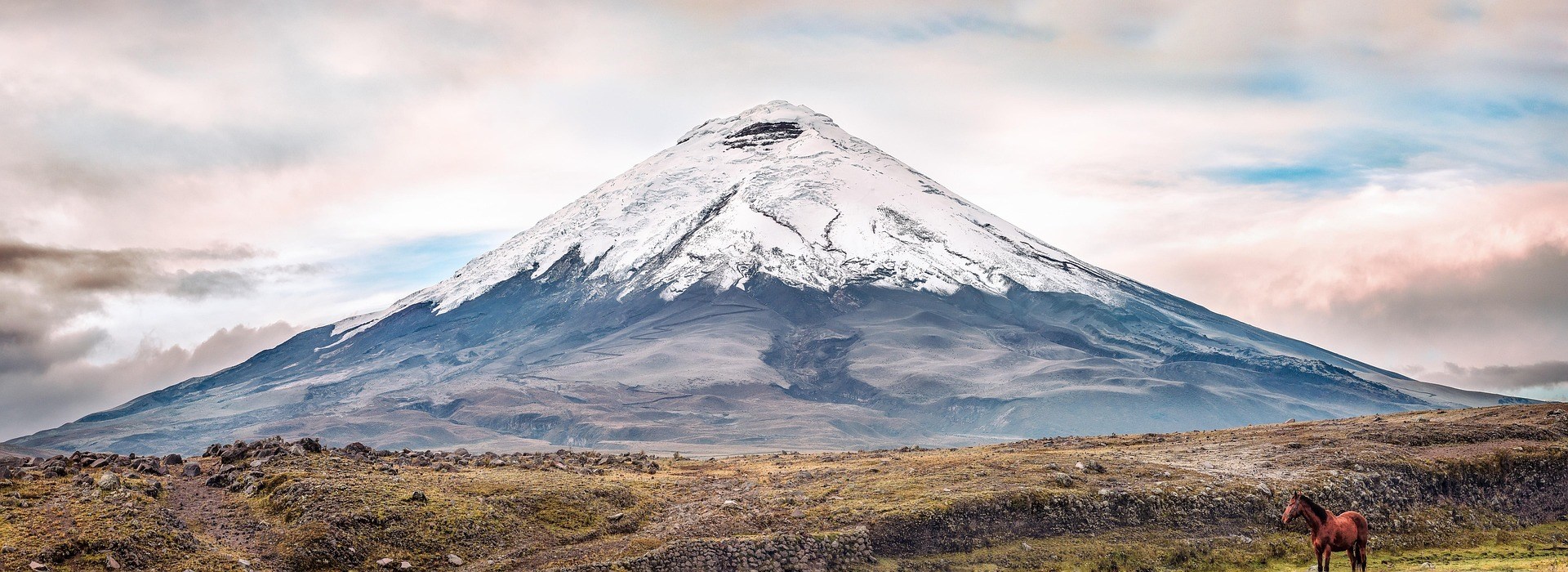
Cotopaxi National Park
Cotopaxi National Park is a protected Andean landscape in Ecuador, located around the snow-capped Cotopaxi volcano and extending across the provinces of Cotopaxi, Pichincha, and Napo. Its high-altitude terrain includes volcanic plains, grasslands, wetlands, and rugged mountain slopes. Cotopaxi, one of the world's highest active volcanoes, dominates the park and rises above the surrounding páramo.
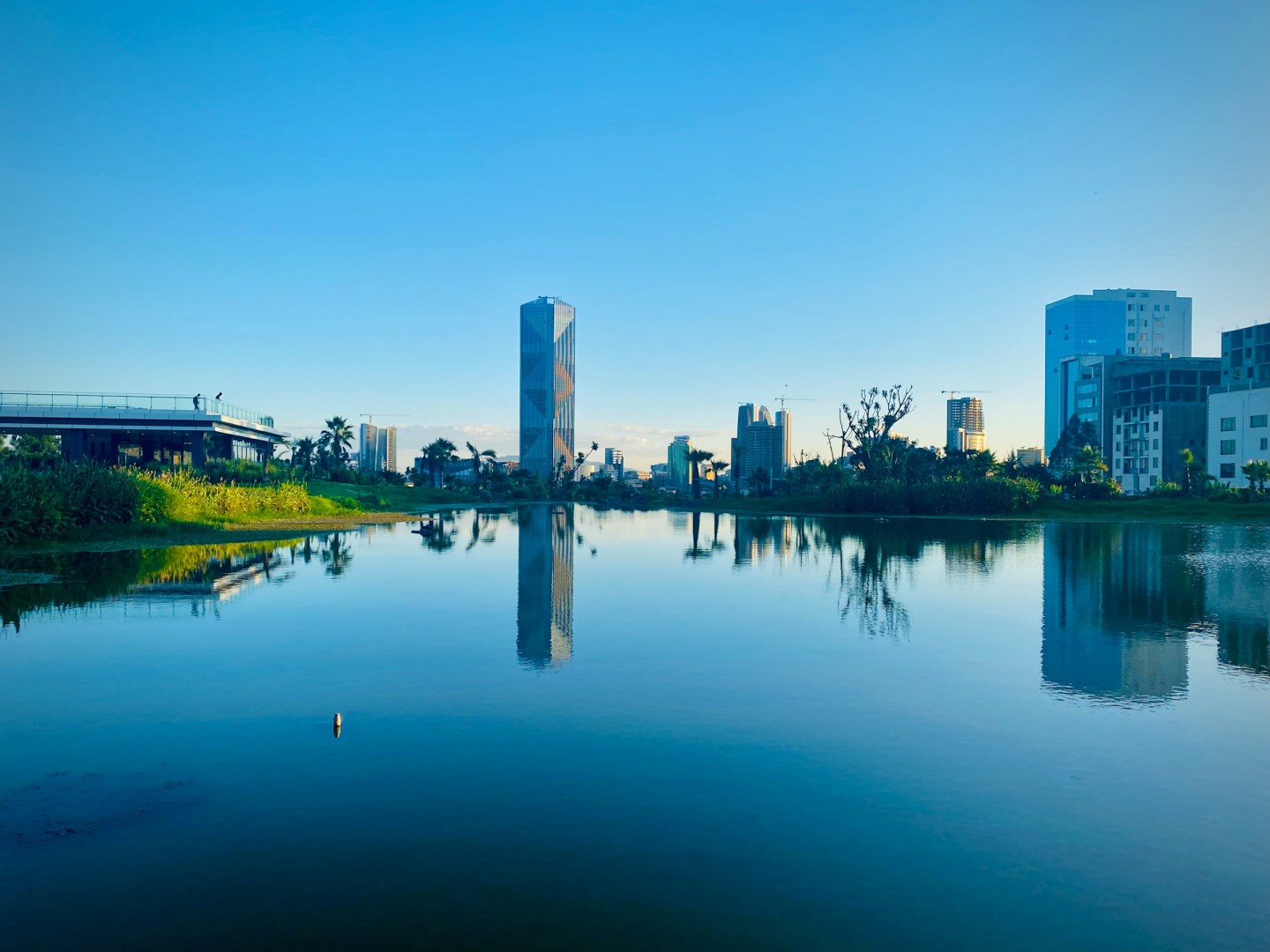
Addis Ababa
Addis Ababa is the capital of Ethiopia and a highland city set at the foot of the Entoto Mountains. Its elevated setting gives the city a relatively cool climate compared with much of the country, while broad avenues, busy neighborhoods, green hills, and expanding modern districts create a varied urban landscape. Addis Ababa is also the headquarters of the African Union and hosts numerous international organizations, giving it an important diplomatic role across the continent.