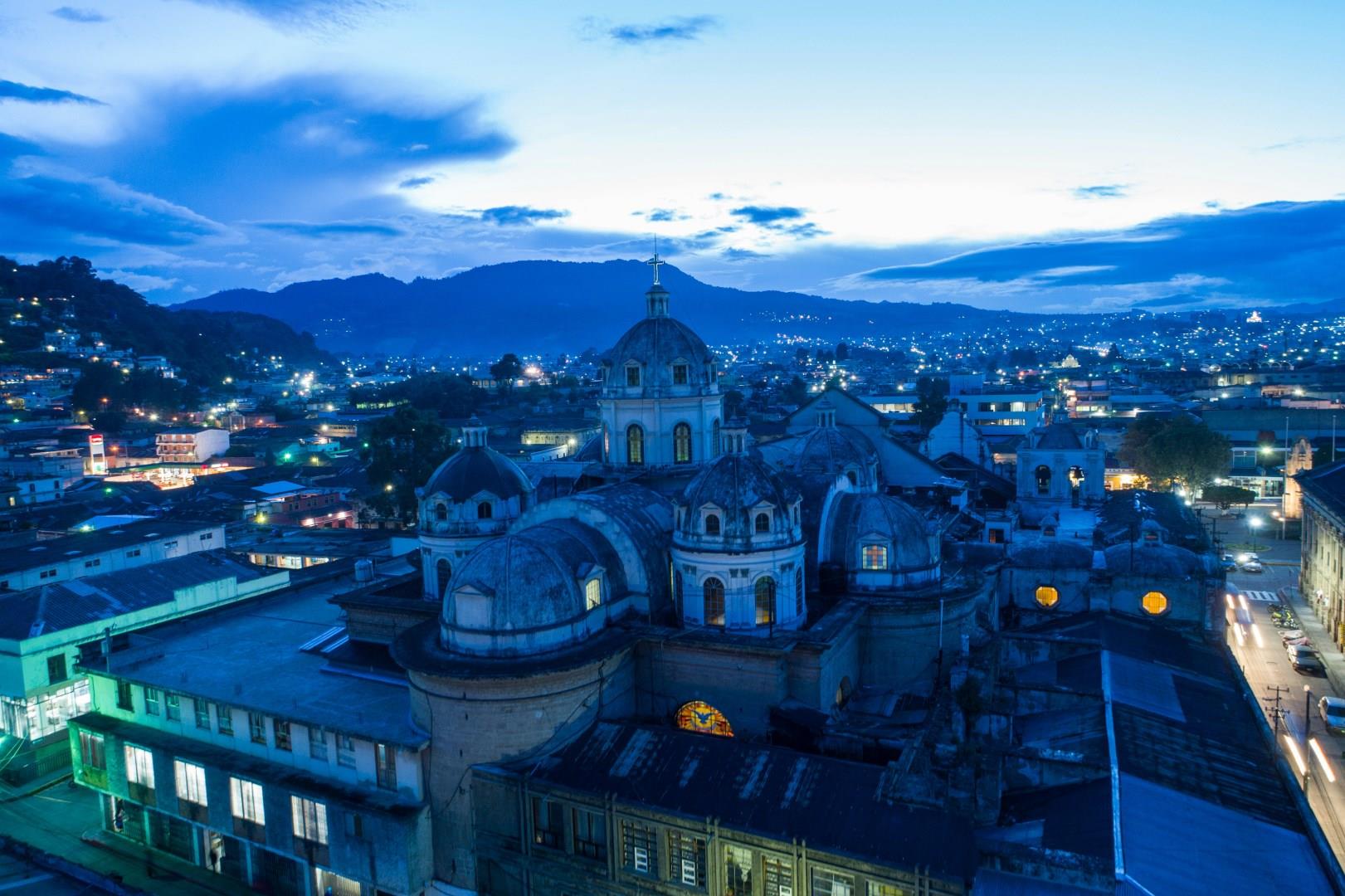
Quetzaltenango
Quetzaltenango, often called Xela by locals, is Guatemala’s second-largest city and a hub of indigenous culture, colonial history, and highland landscapes. Surrounded by volcanoes, including the towering Santa María, the city sits at over 7,600 feet above sea level, giving it a crisp mountain climate that contrasts with the country’s tropical lowlands.

Maasai Mara National Reserve
Masai Mara is a renowned wildlife region in southwestern Kenya, known for its broad grasslands, seasonal rivers, and high concentration of large mammals. The reserve forms part of the greater Mara-Serengeti ecosystem, allowing wildlife to move across a much larger landscape beyond the protected area itself. Lions, cheetahs, leopards, elephants, buffaloes, giraffes, and numerous antelope species are commonly associated with the region.
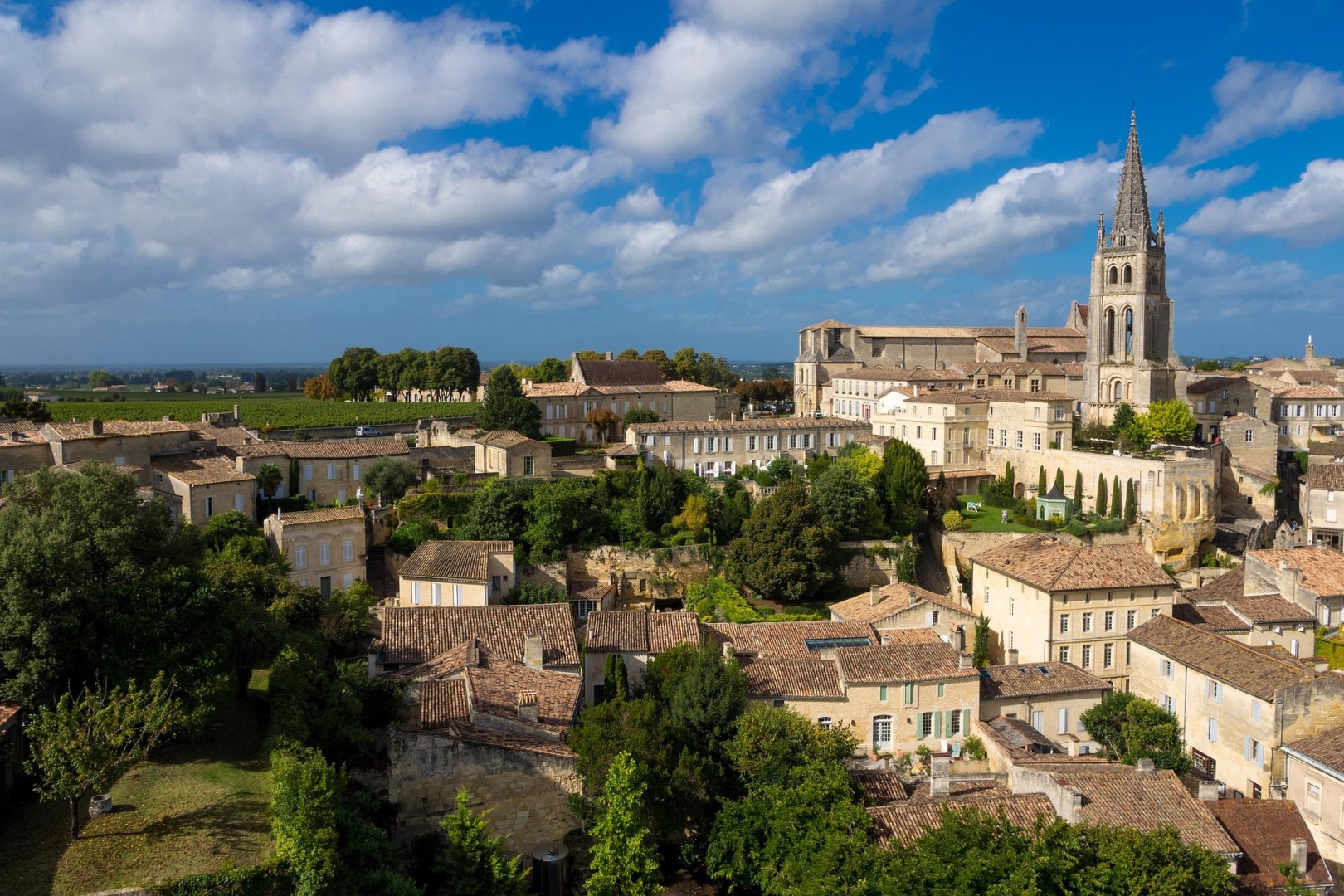
Saint-Émilion
Saint-Émilion, nestled in the heart of southwest France, is a living monument to centuries of craftsmanship, faith, and wine-making. Recognized as a UNESCO World Heritage Site since 1999, this medieval town sits on a limestone plateau surrounded by vineyards that date back to Roman times. Visitors can explore cobbled streets that wind past centuries-old stone houses, descend into underground catacombs carved by monks, and visit the astonishing Monolithic Church.
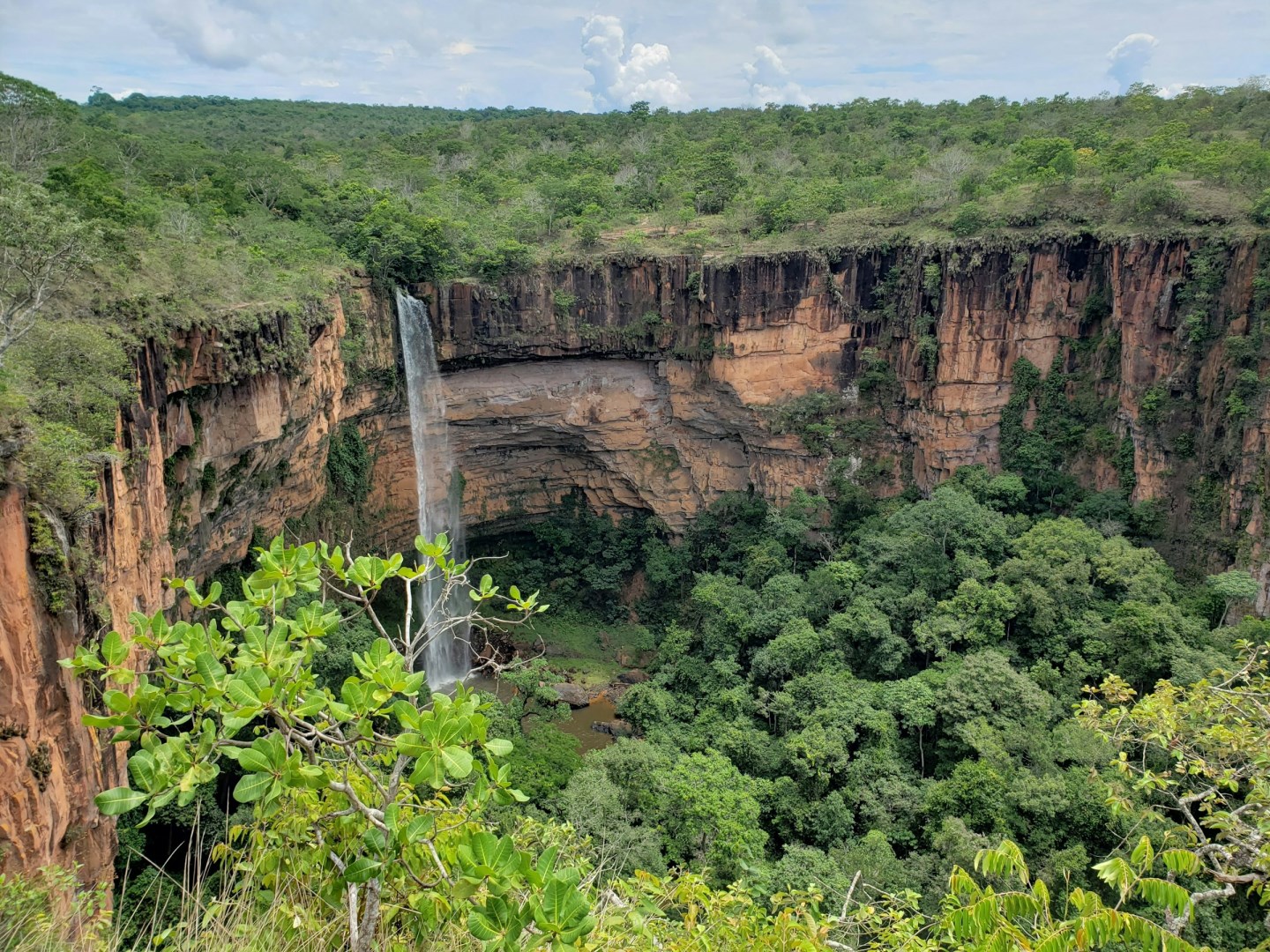
Cuiabá
Cuiabá is the capital of Mato Grosso in central-western Brazil and an important gateway to the Pantanal, Chapada dos Guimarães, and other natural areas of the state. The city developed around gold mining and later became an important regional center along the Cuiabá River. Its historic center contains colonial churches, traditional houses, and public squares, while newer districts extend well beyond the old city.

Laos
Laos, a landlocked country in Southeast Asia, is known for its lush landscapes, winding rivers, and rich Buddhist culture. The Mekong River flows along much of the country’s western border, offering both vital transportation routes and scenic vistas. Rolling hills, dense forests, and limestone karsts provide opportunities for hiking, kayaking, and exploring remote villages.