Recife
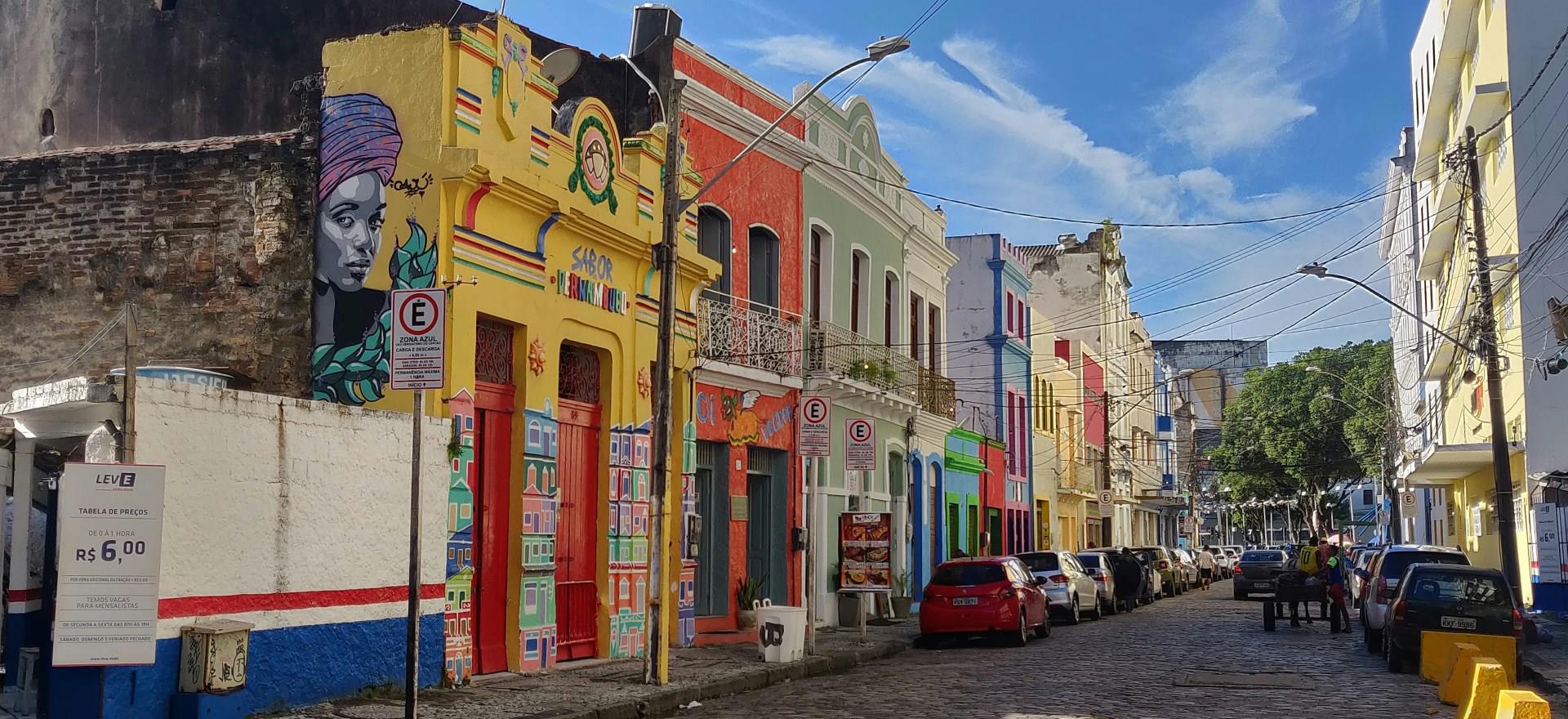
Recife, the vibrant capital of Pernambuco in northeastern Brazil, is a city where history, culture, and natural beauty intertwine to create an unforgettable destination. Known as the "Venice of Brazil" due to its many waterways, bridges, and islands, Recife offers visitors a unique blend of colonial architecture, modern urban life, and stunning coastal landscapes.
Atlanta
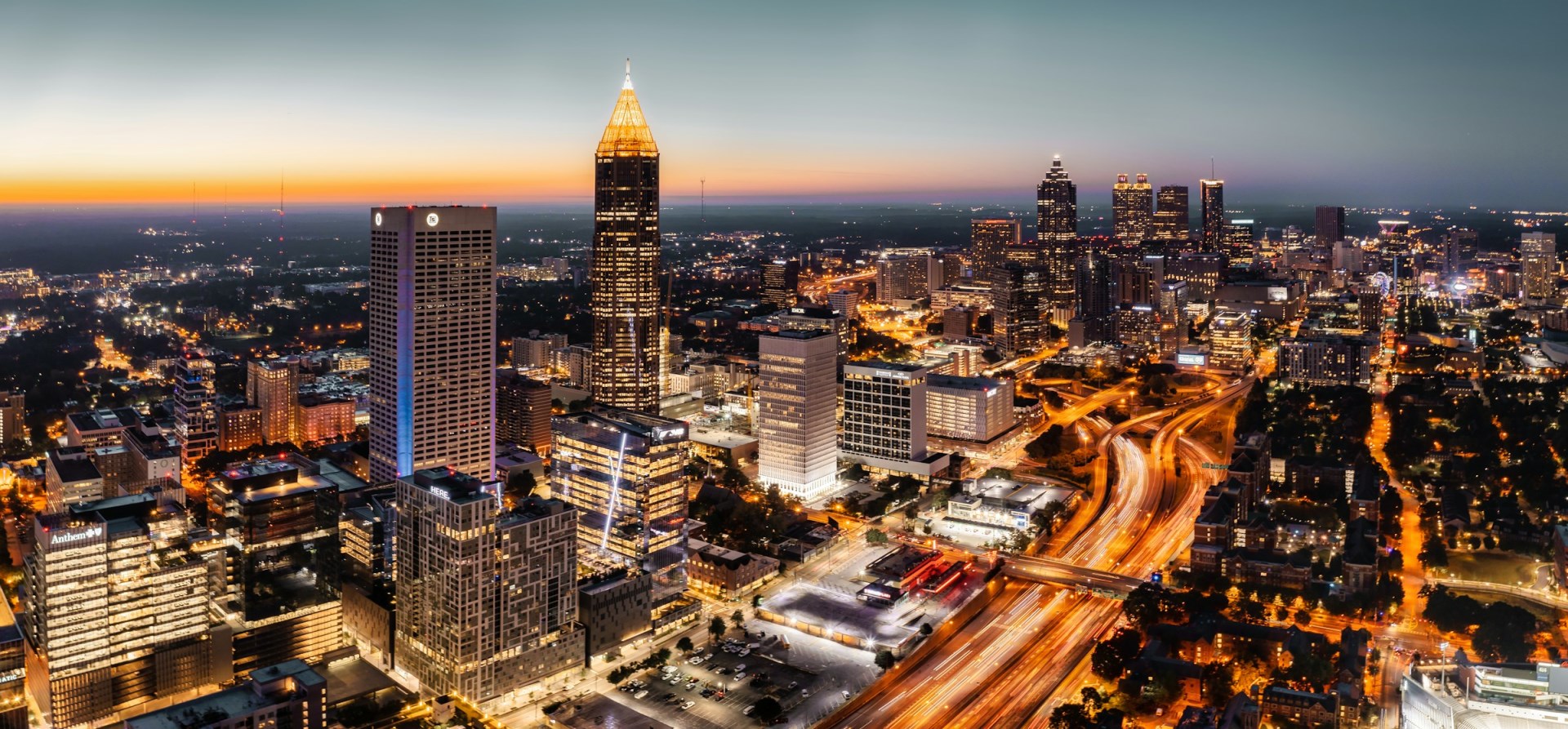
Atlanta, Georgia, is a city where Southern charm meets modern sophistication, making it a must-visit destination for travelers. Known as the "City in a Forest" due to its lush tree canopy, Atlanta boasts a vibrant blend of history, culture, and innovation. Explore the iconic Martin Luther King Jr. National Historical Park, where you can walk in the footsteps of the Civil Rights leader, visiting his childhood home and the church where he preached.

Bangkok
Bangkok, Thailand’s capital, is a city of striking contrasts where gilded temples stand beside sleek skyscrapers and centuries-old traditions thrive amid modern life. At its heart is the Grand Palace, a dazzling complex that once housed the Thai kings, along with Wat Phra Kaew, the revered Temple of the Emerald Buddha.
Annapurna
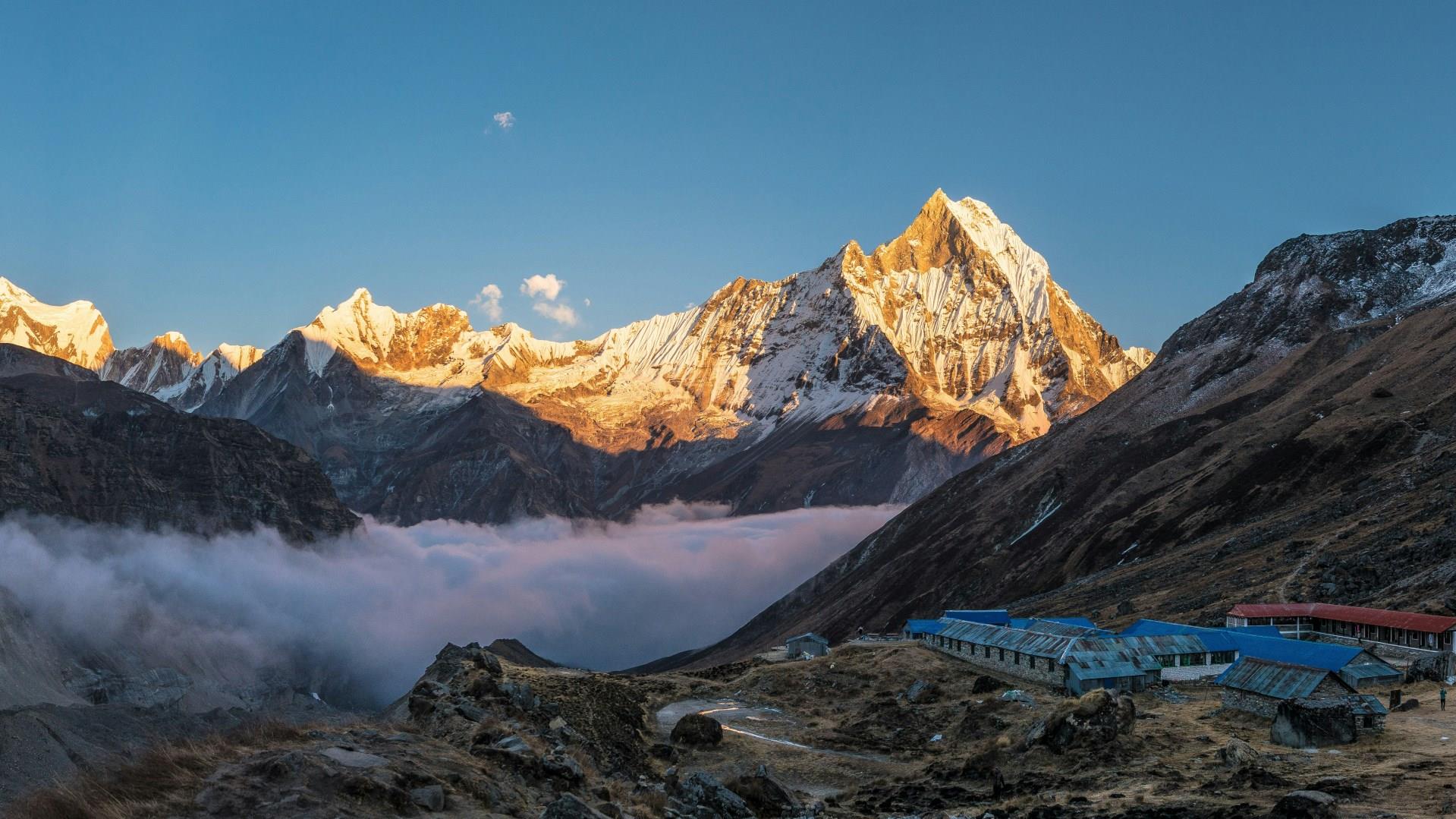
The Annapurna region of central Nepal is defined by both cultural depth and extreme topography. Home to a wide range of ethnic communities, including Gurung, Thakali, and Manangi peoples, the area has long been shaped by trans-Himalayan trade routes and mountain agriculture.

Dorset
Dorset, a picturesque county on England’s southern coast, is a haven for history lovers, nature enthusiasts, and seaside wanderers alike. Known for its rolling hills, sandy beaches, and charming towns, Dorset offers a perfect blend of scenic beauty and cultural heritage. The county is home to part of the Jurassic Coast, a UNESCO World Heritage Site renowned for its dramatic cliffs and fossil-rich beaches.