Golubac
Golubac, a picturesque town on the banks of the Danube River in Serbia, is a destination known for its rich history and stunning natural beauty. The town is home to the Golubac Fortress, a medieval stronghold dating back to the 14th century, which offers stunning views of the Danube and the surrounding landscapes.

South Georgia
Remote, windswept, and bursting with wildlife, South Georgia is a sub-Antarctic island that surprises nearly everyone who steps ashore. Though uninhabited by civilians, the island hosts a small British research station and welcomes visitors via expedition cruises. What draws people here is not luxury or convenience, but the scale of its wildness.
Whangarei
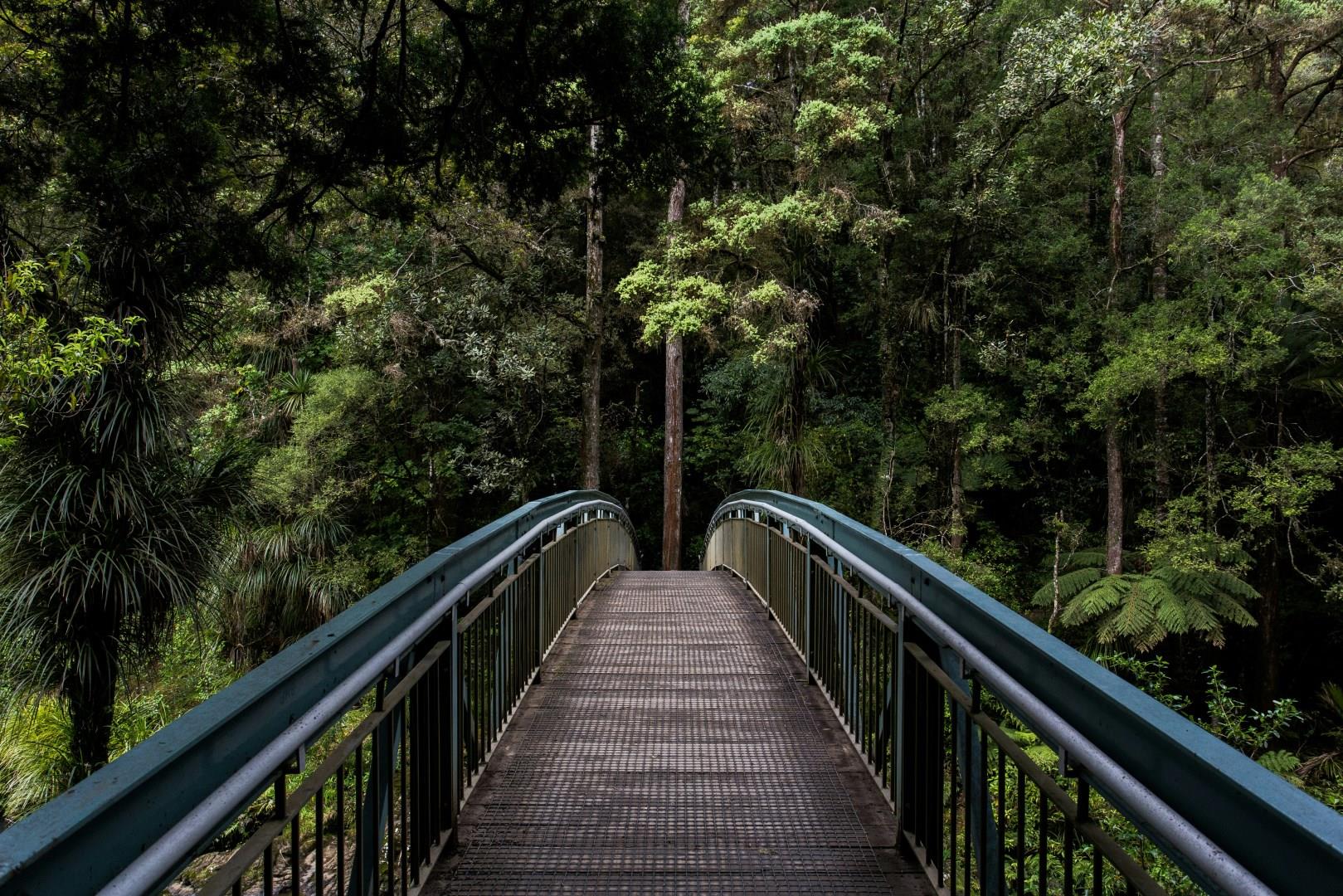
Whangarei sits at the head of a sheltered harbour in Northland, shaped by Māori settlement and later maritime trade.

Tangier
Located on the north coast of Morocco near the Strait of Gibraltar, Tangier is a cultural capital replete with historic sites, colorful architecture, and splendid beaches. An essential stop is the Ancien Medina, a walled collection of winding streets and alleys filled with cafes and shops leading to the Kasbah, a former palace and mosque that also houses a museum.
Trabzon
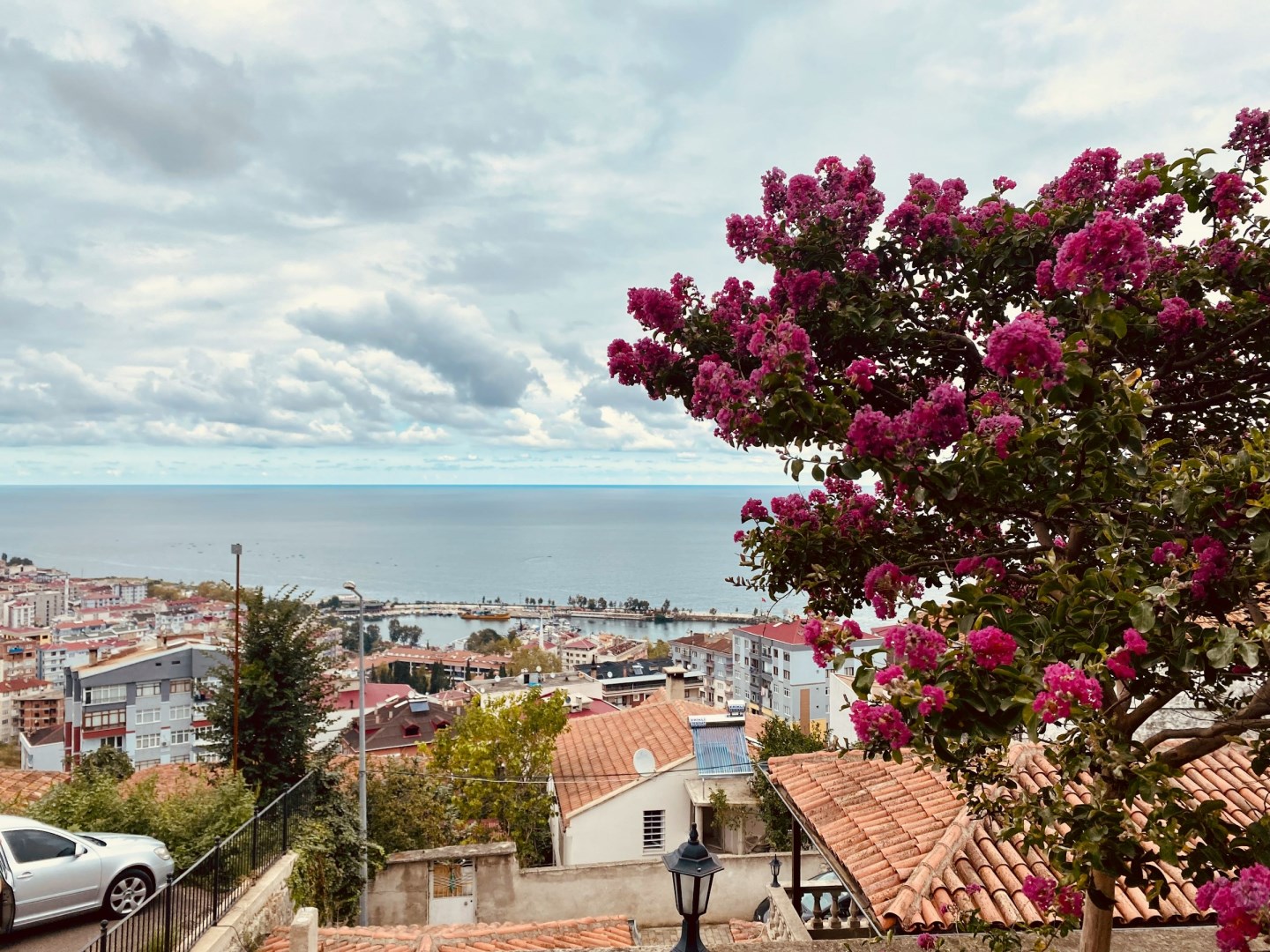
Trabzon was founded in the 7th century B.C. by Milletain colonists. On entering the city, on a green hill descending to the sea, is a well-preserved 13th century Byzantine church, now the Avasofya Museum. The walls of this church are decorated with frescoes, some of the finest examples of Byzantine craftmanship. The higher part of the city, the old quarter, inside the still extant fortifications with its timber houses, should be visited.