Doha
Doha presents a journey where heritage and modern design intersect gracefully. The Museum of Islamic Art, designed by I. M. Pei, rises from the Corniche and houses ceramics, textiles, manuscripts, and metalwork spanning fourteen centuries. Nearby, the National Museum of Qatar, shaped like a desert rose, narrates the country's story through immersive exhibits and architecture by Jean Nouvel. These institutions offer perspectives on both art and national identity.

Tuscaloosa
America's One and Only.
See and do it all in Greater Tuscaloosa. Every fall, the nation's eyes focus on Tuscaloosa for the best in college gridiron action at the University of Alabama's Bryant-Denny Stadium. Tuscaloosa visitors can choose from a variety of other forms of entertainment. Over 20 points of interest including a historic theater, several parks, and a variety of galleries, museums and antebellum homes radiate around the area.

Lanzarote
Lanzarote, the northernmost of the Canary Islands, is a striking destination characterized by its volcanic landscapes and unique architectural heritage. Known for its otherworldly scenery, the island boasts a remarkable volcanic terrain shaped by eruptions in the 18th and 19th centuries. The Timanfaya National Park is a highlight, where visitors can witness geothermal demonstrations and explore the dramatic lava fields on a guided tour.

Nuuk
Nuuk, the vibrant capital of Greenland, offers a unique blend of Arctic beauty and modern living. Nestled between picturesque fjords and surrounded by rugged mountains, Nuuk is the gateway to exploring Greenland’s stunning natural landscapes. The city’s old harbor, with its colorful wooden houses, provides a charming introduction to Greenlandic culture and history. This area is perfect for leisurely strolls and offers striking views of the surrounding mountains and sea.
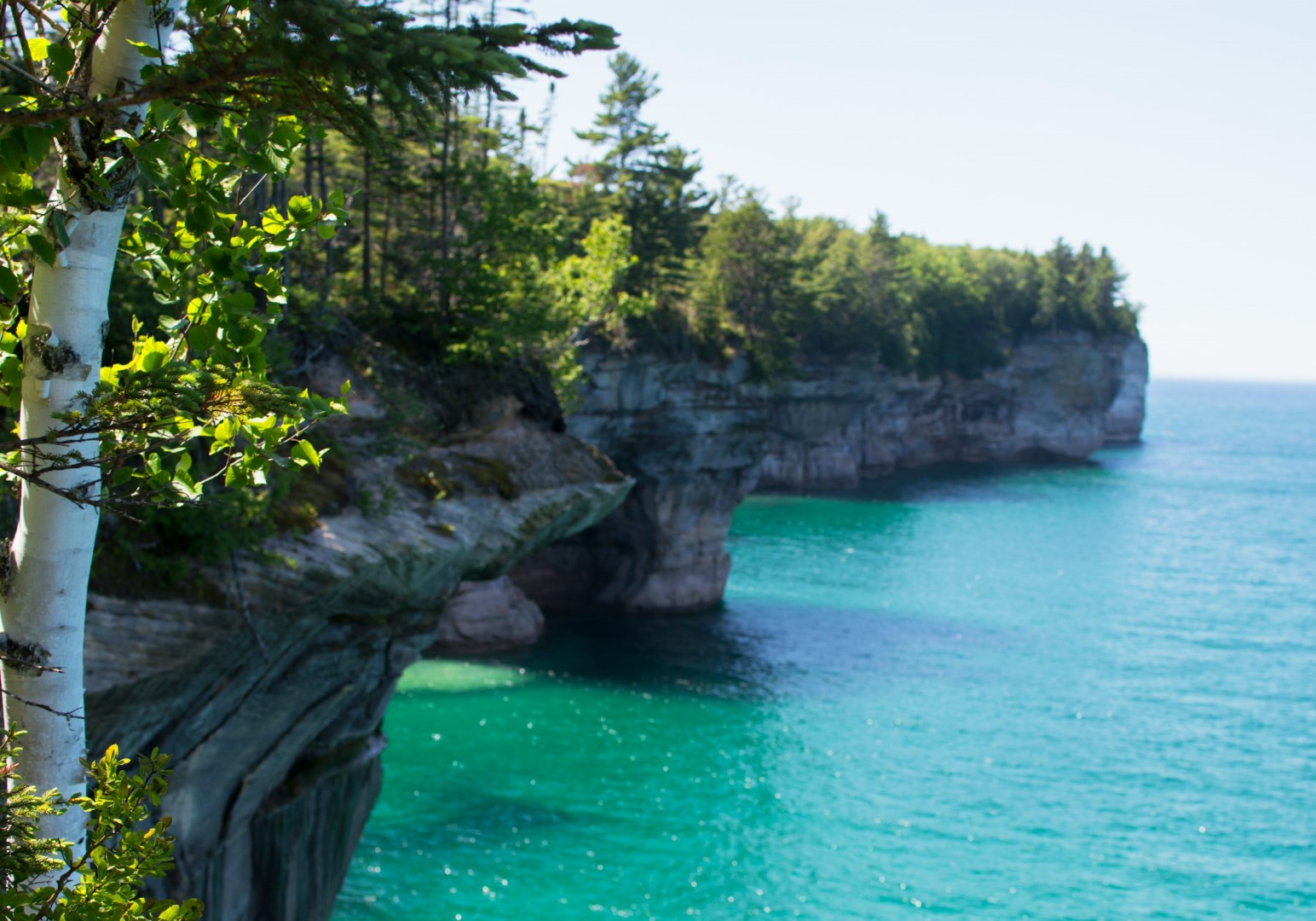
Pictured Rocks National Lakeshore
Pictured Rocks National Lakeshore stretches along more than 40 miles of Lake Superior shoreline in Michigan’s Upper Peninsula, between Munising and Grand Marais. It is known for sandstone cliffs, forested hills, beaches, waterfalls, and clear freshwater coves. The shoreline takes its name from the bands of mineral-stained sandstone visible along the cliffs, where iron, copper, and other minerals create natural patterns in the rock.