Yuma
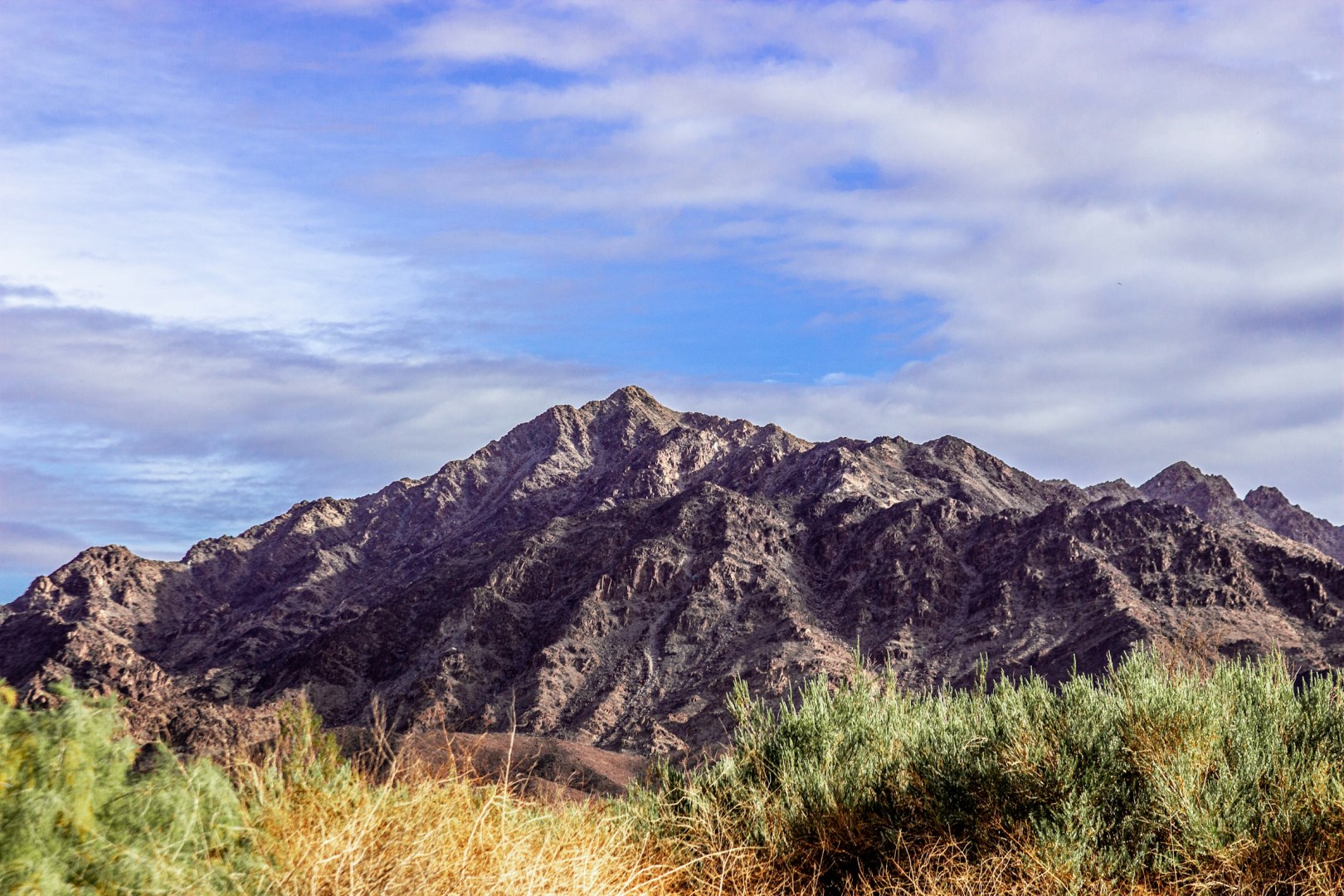
Yuma is a city in southwestern Arizona near the Colorado River, close to the borders with California and Mexico. Its location in the lower Colorado River Valley has made it an important crossing point, agricultural center, and transportation hub in the desert Southwest. The surrounding landscape is characterized by low desert plains, irrigated farmland, sand dunes, and rugged mountains.
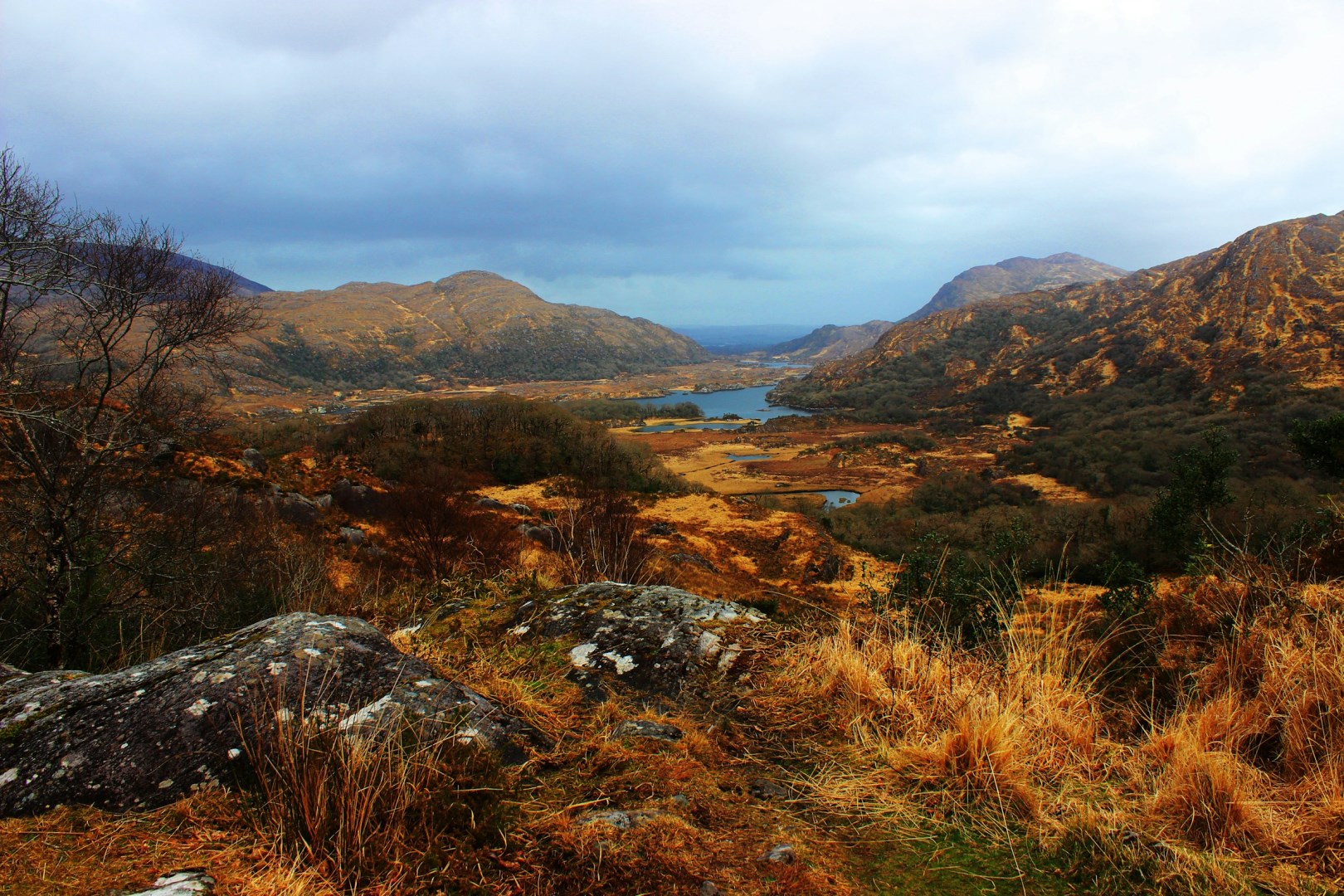
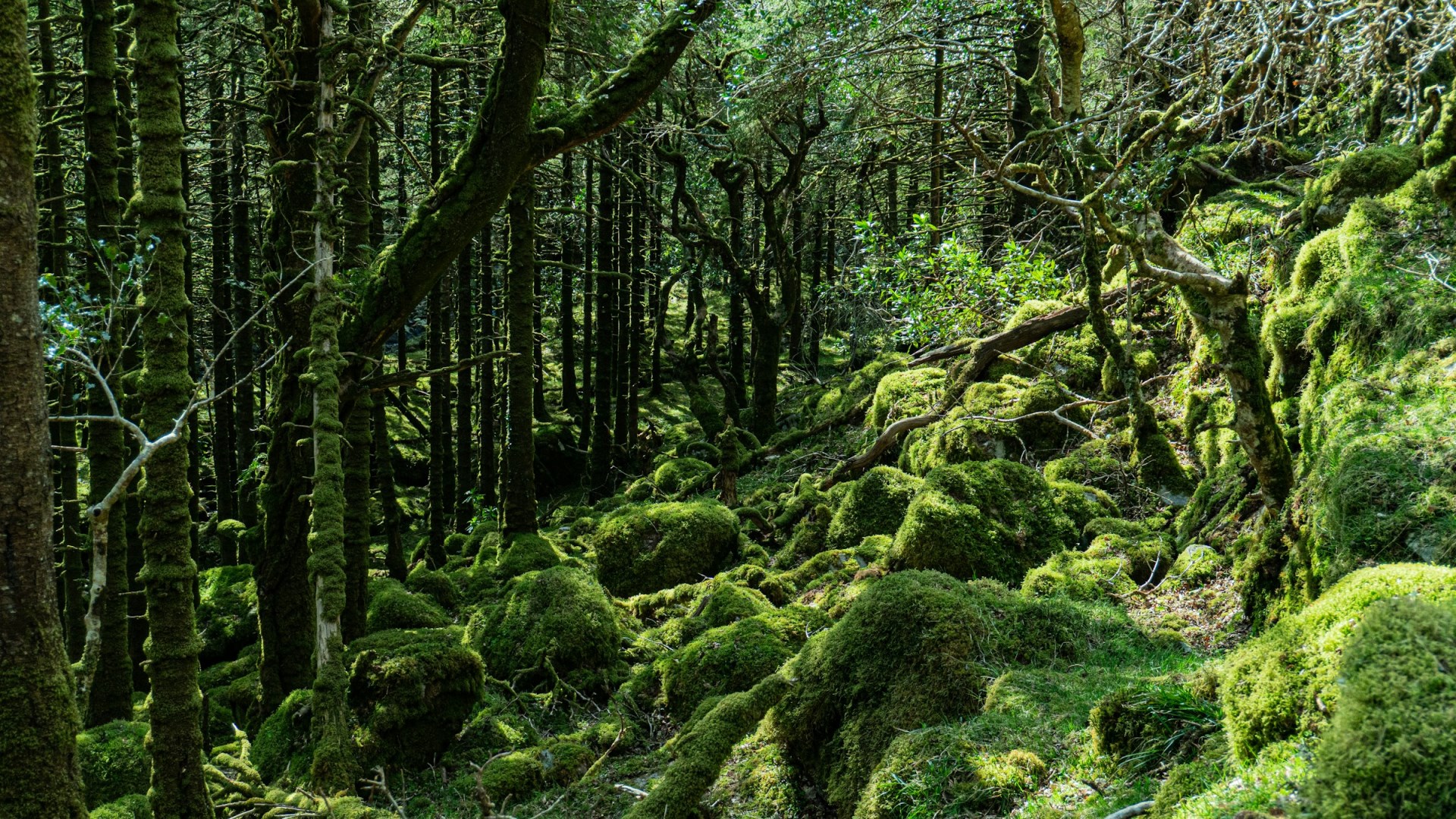
Dordogne
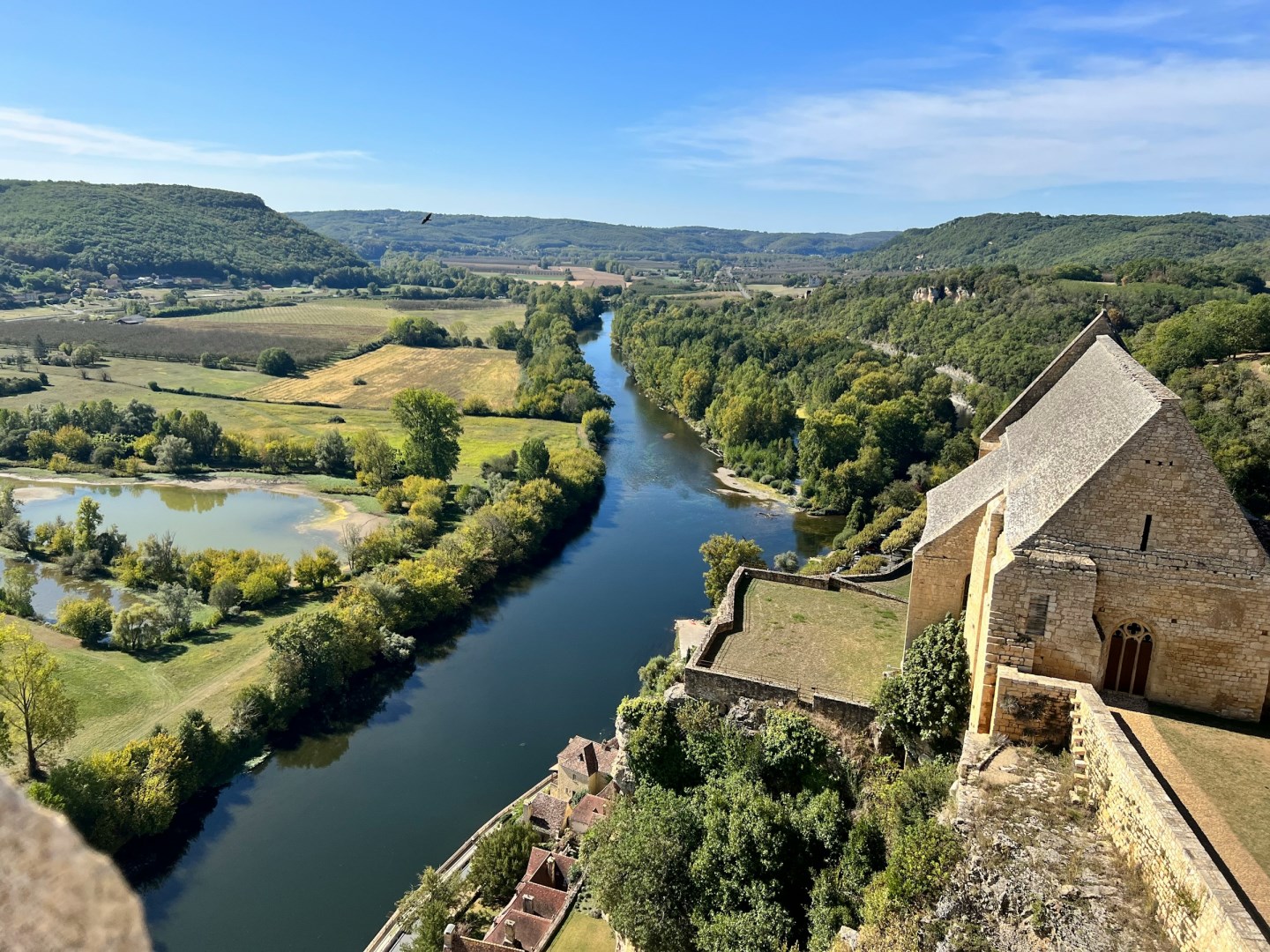
The British have long been associated with the Dordogne Valley. Fertile and green, this is where the 100 Year's War was fought. Many of the castles and "Bastides" were built by the British. The French say it is the land with "a little bit of everything", from a gentle river to lush pastures to wonderful wineries.
Phinda Private Game Reserve
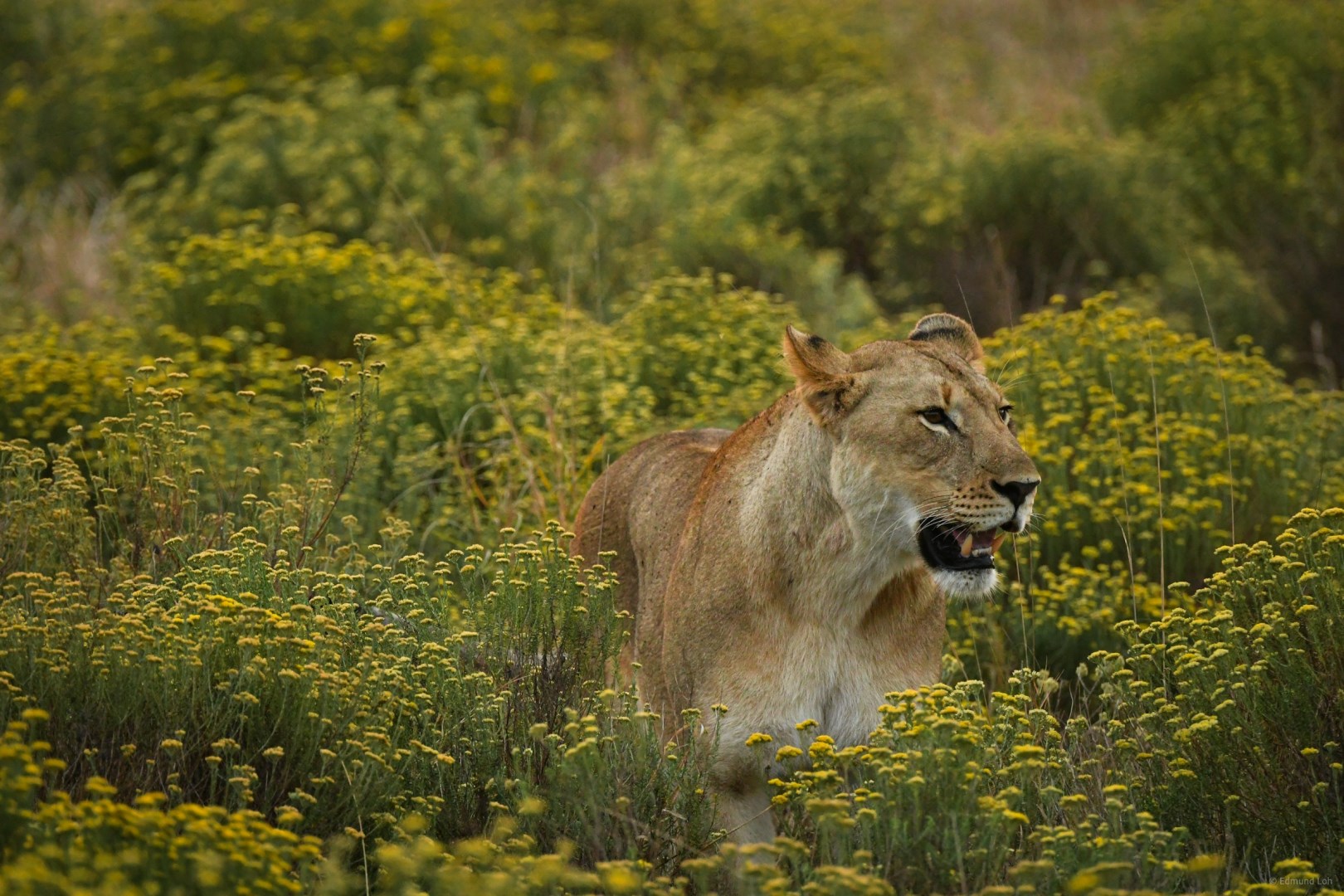
Phinda Private Game Reserve is a protected wildlife area in northern KwaZulu-Natal, within the broader Zululand region near the Indian Ocean coast. Its landscape is unusually varied for a single reserve, combining dry sand forest, open grassland, woodland, wetlands, and low mountain ranges

Turks and Caicos Islands
The Turks and Caicos Islands, a British Overseas Territory in the Atlantic, are celebrated for their luminous turquoise waters and powder-soft beaches. Grace Bay on Providenciales is the most famous stretch of sand, consistently ranked among the world’s best, where calm seas and vibrant reefs invite both relaxation and adventure.
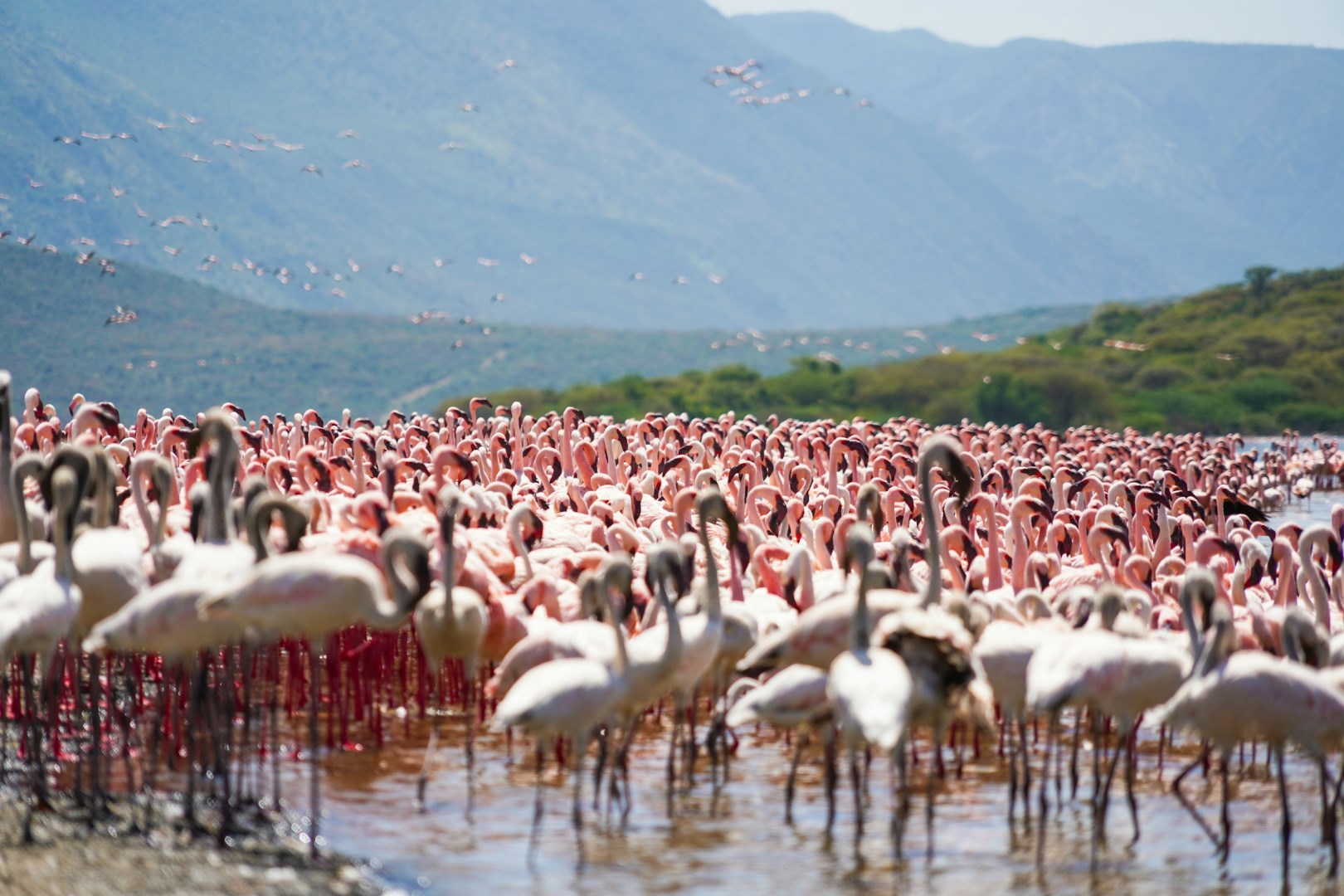
Lake Bogoria
Lake Bogoria is a saline lake in Kenya’s Great Rift Valley, lying south of Lake Baringo and surrounded by volcanic hills and escarpments. The lake occupies a long, narrow basin with no permanent surface outlet, allowing minerals to accumulate in its waters. Its shoreline contains hot springs, geysers, mud pools, and other geothermal features created by the region’s volcanic activity. The combination of a shallow alkaline lake and an active geothermal landscape makes Lake Bogoria one of the most