Philipsburg
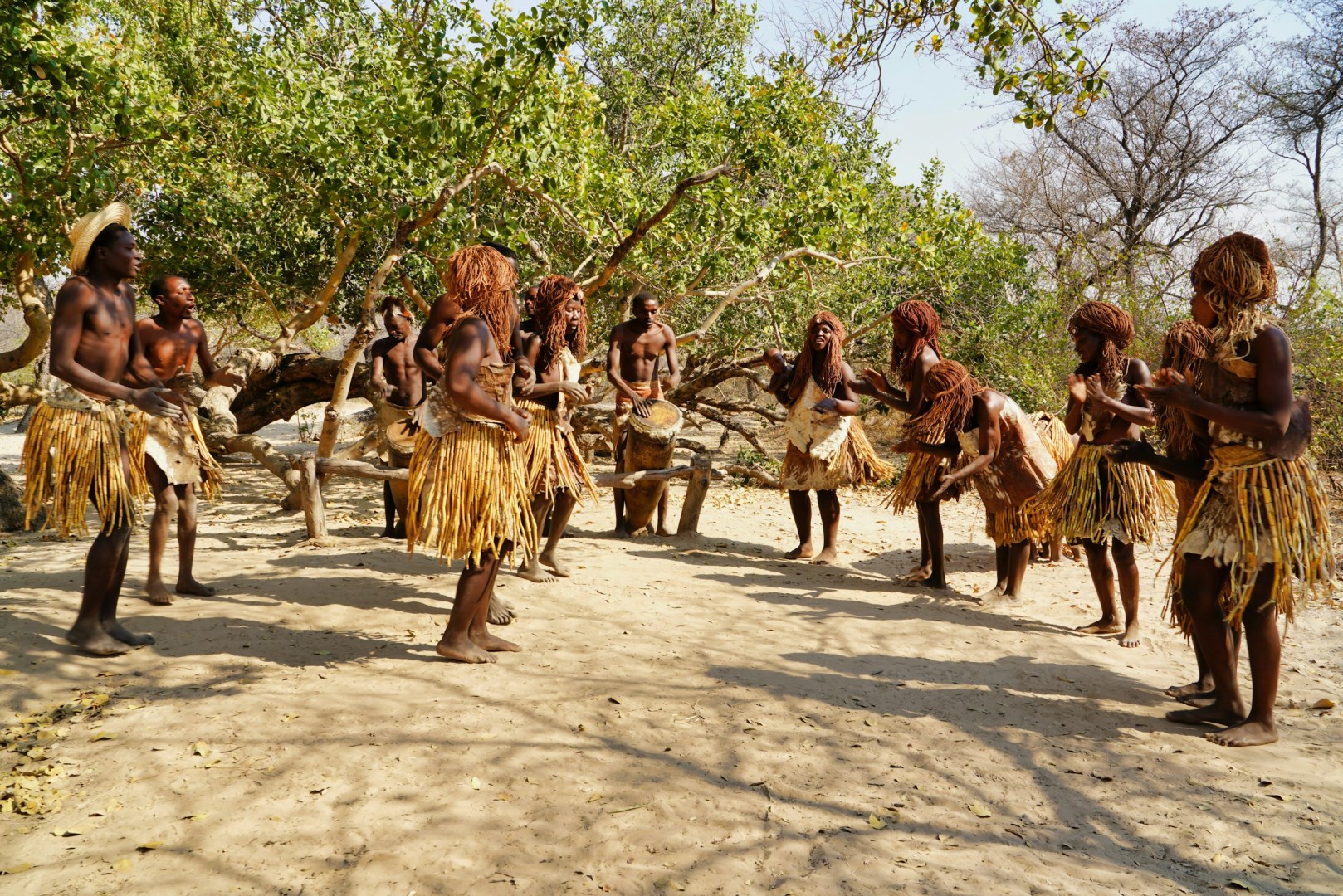
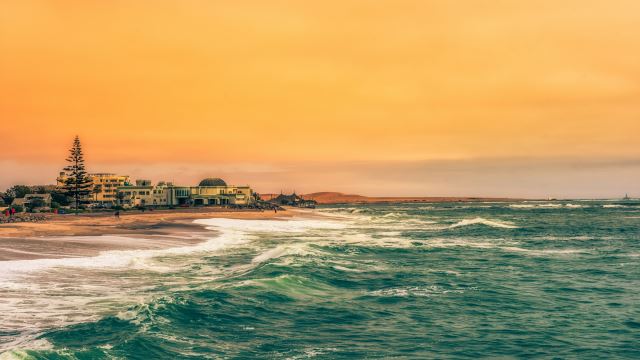
The capital of Saint Maarten, the Dutch side of this two nation island, Philipsburg is located on the isthmus between Groot Baai (Great Bay) and the Salt Pond. Founded in 1733 as a free port, the city is now the home to outstanding shopping, casinos, and a variety of hotels and resorts, including nearby Mullet Bay Resort and Golf Club.
Soldeu
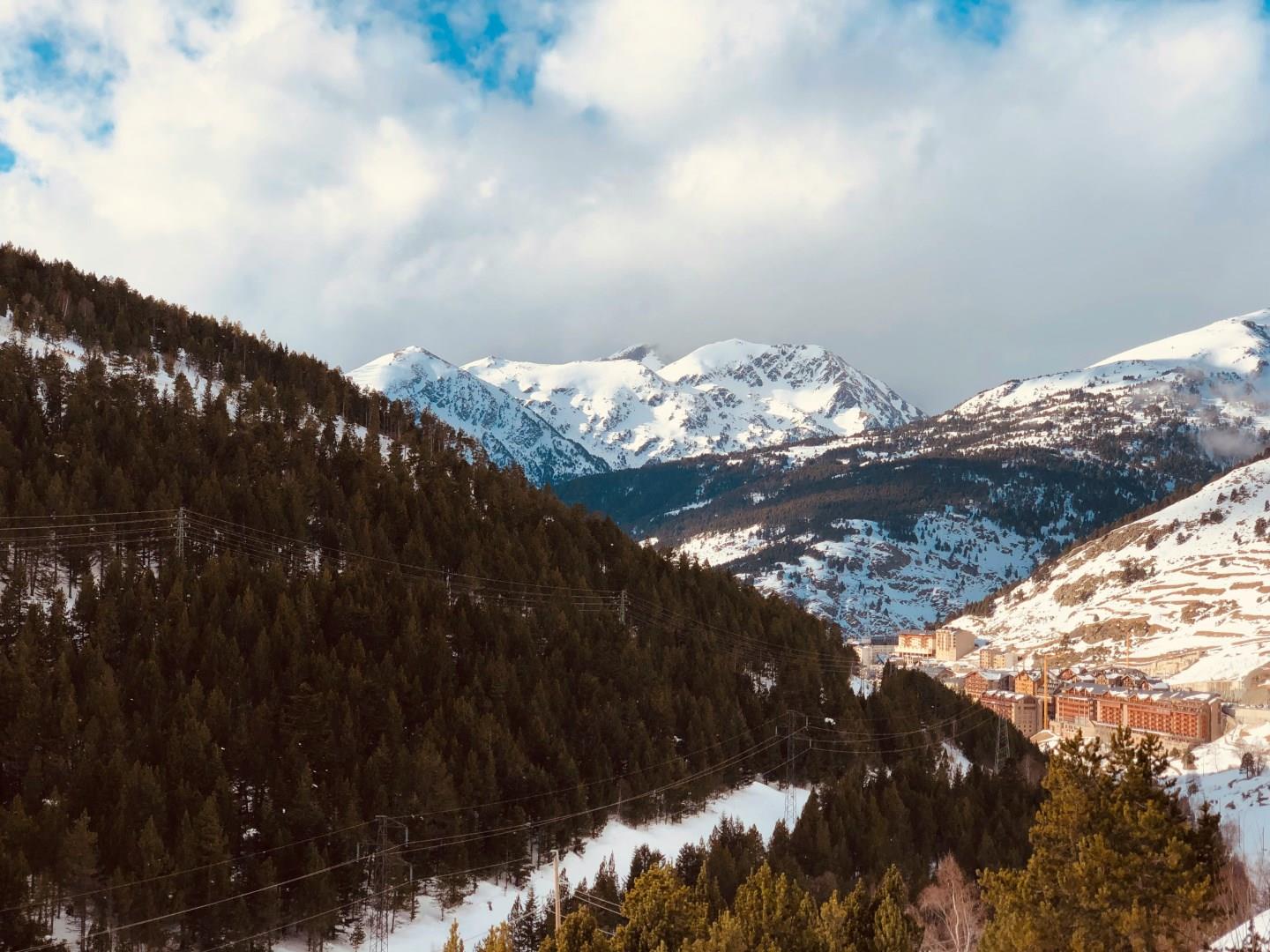
Nestled high in the Pyrenees, Soldeu is a mountain village in the principality of Andorra, best known for its access to Grandvalira, which is one of the largest ski areas in Southern Europe. At 1,800 meters above sea level, Soldeu has grown from a quiet farming village into a winter destination with over 200 kilometers of slopes. It hosted World Cup alpine ski races in 2019 and is scheduled to host the Finals again in 2029.
Bariloche
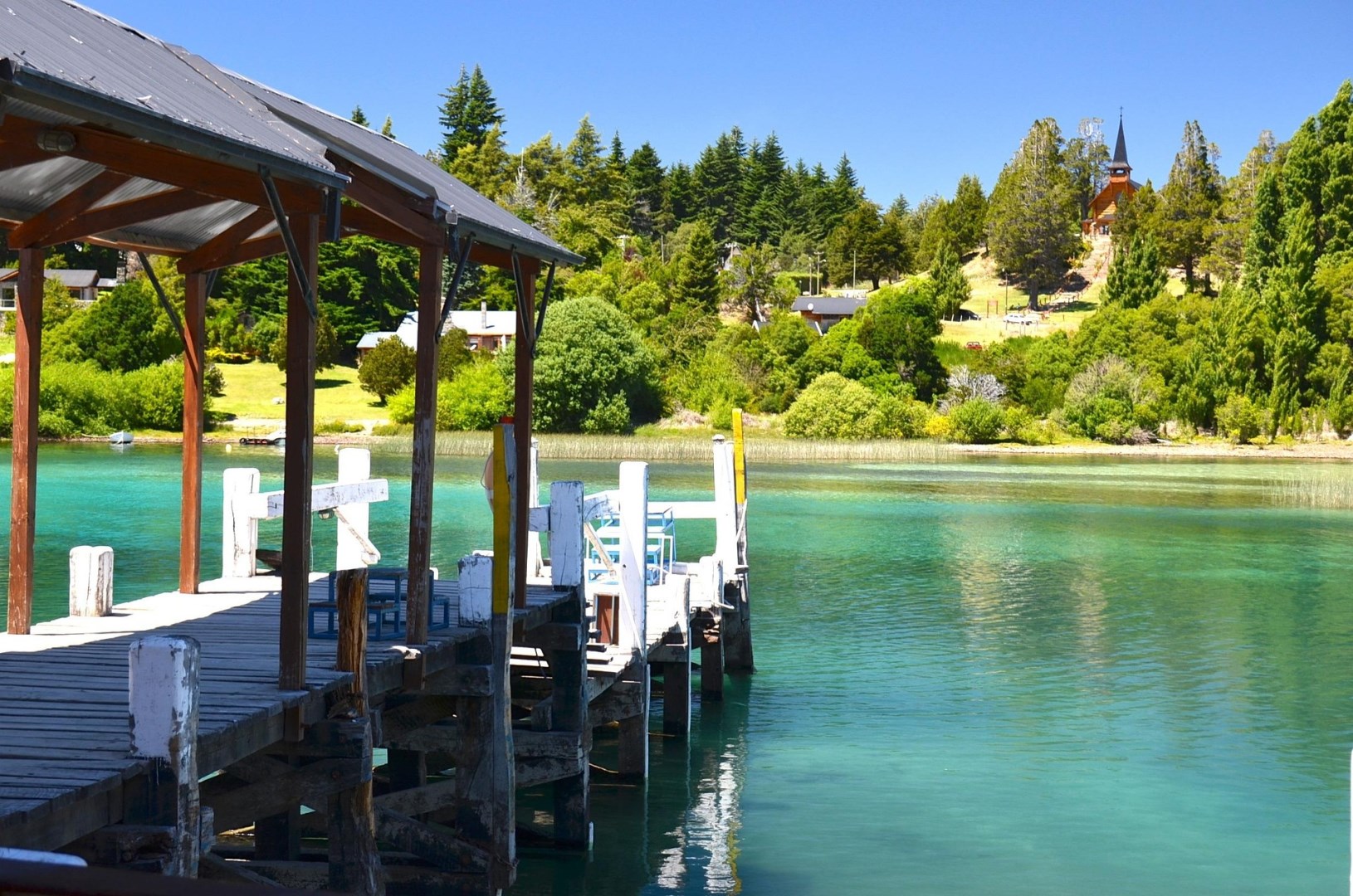
Bariloche, tucked into the foothills of the Andes in Argentina’s Patagonia region, is a town that feels both alpine and uniquely Argentine. With its wooden chalets, Swiss-style architecture, and chocolate shops on every corner, many visitors are surprised to find a lakeside town that resembles parts of Europe. But Bariloche’s identity is all its own, shaped by deep indigenous roots, waves of immigration, and the striking presence of Lake Nahuel Huapi.

Muscat
Travelers on the Arabian Sea often find themselves in Muscat, on the Gulf of Oman. This port capital is situated between ocean and mountains, and boasts lovely beaches, great diving sites (watch for turtles!), 16th-century forts, and the impressive Sultan Qaboos Grand Mosque, which can hold 20,000 people.
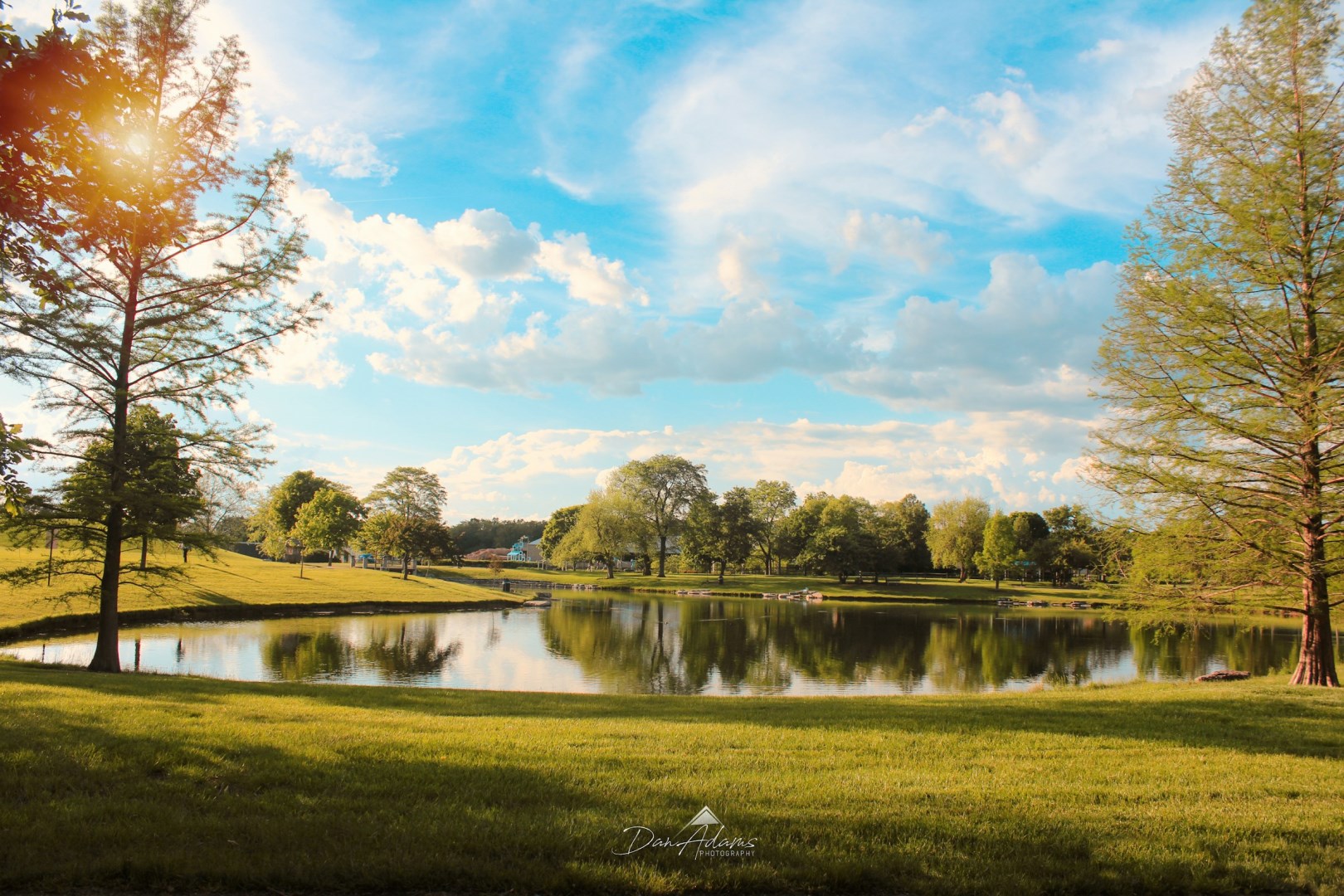
Dayton
Famous as the home of the Wright Brothers, it is an important industrial city and the fourth largest in the state of Ohio.