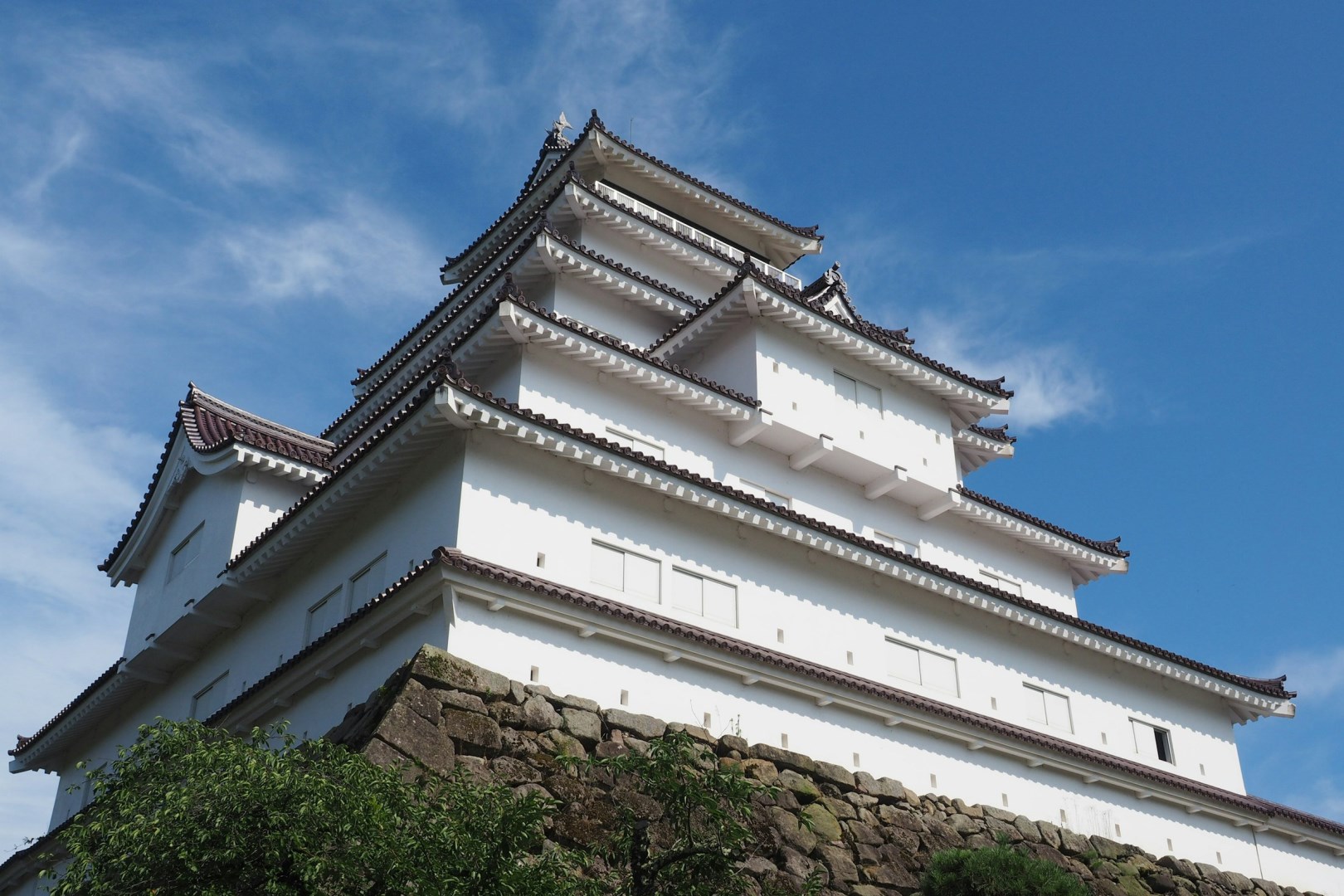
Aizuwakamatsu
Aizuwakamatsu in Fukushima Prefecture is a city where samurai history is tangible. Once a stronghold of the Aizu domain, it played a pivotal role in the late Edo period and the Boshin War.

Nanortalik
Nanortalik is a destination that combines pristine natural beauty, thrilling outdoor activities, and authentic cultural experiences. Whether climbing rugged peaks, kayaking through fjords, or simply immersing oneself in the town’s serene atmosphere, Nanortalik provides a unique glimpse into Greenland’s awe-inspiring Arctic world.
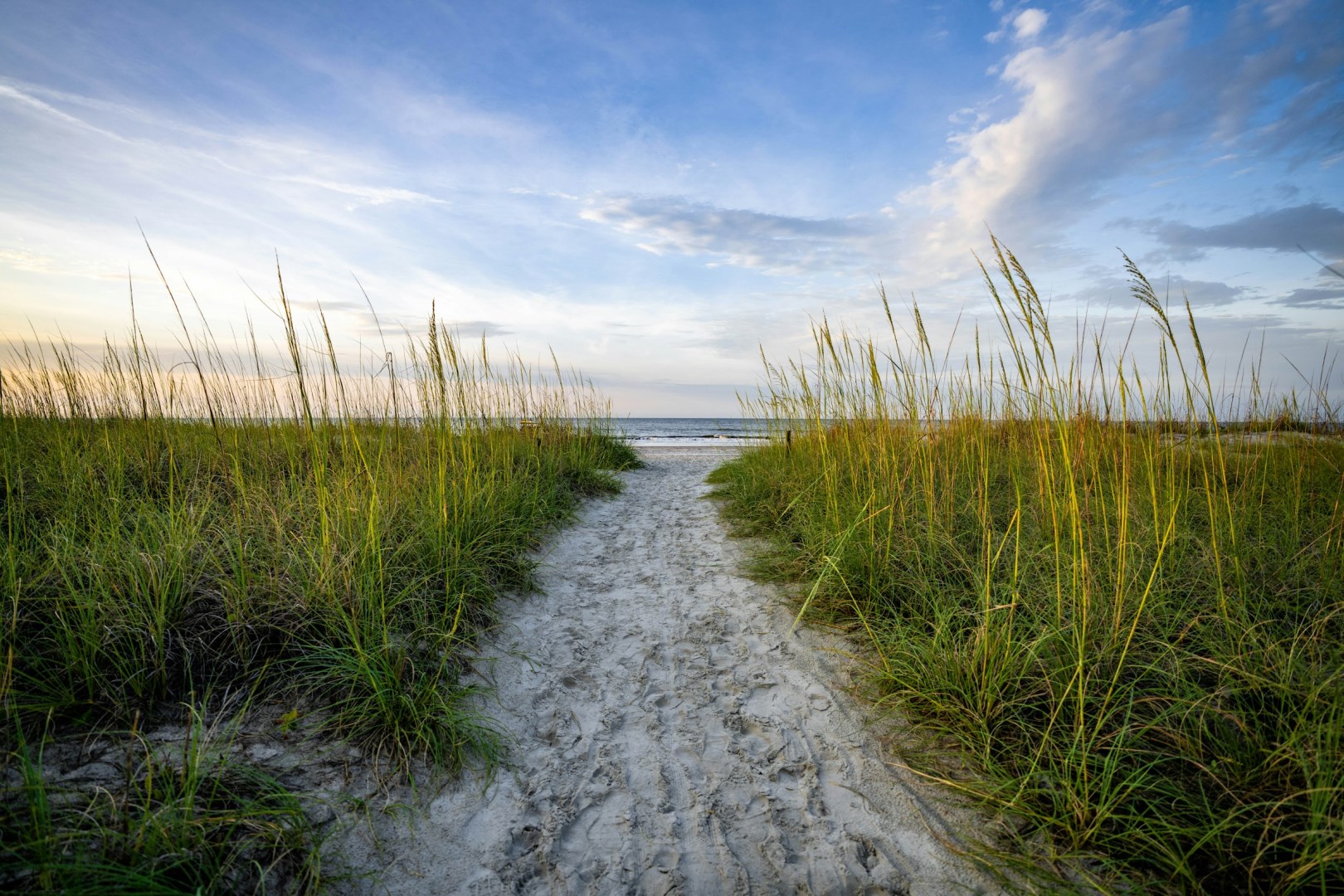
Hilton Head Island
Located off the coast of South Carolina, near Charleston, Hilton Head Island is a popular golf resort area.
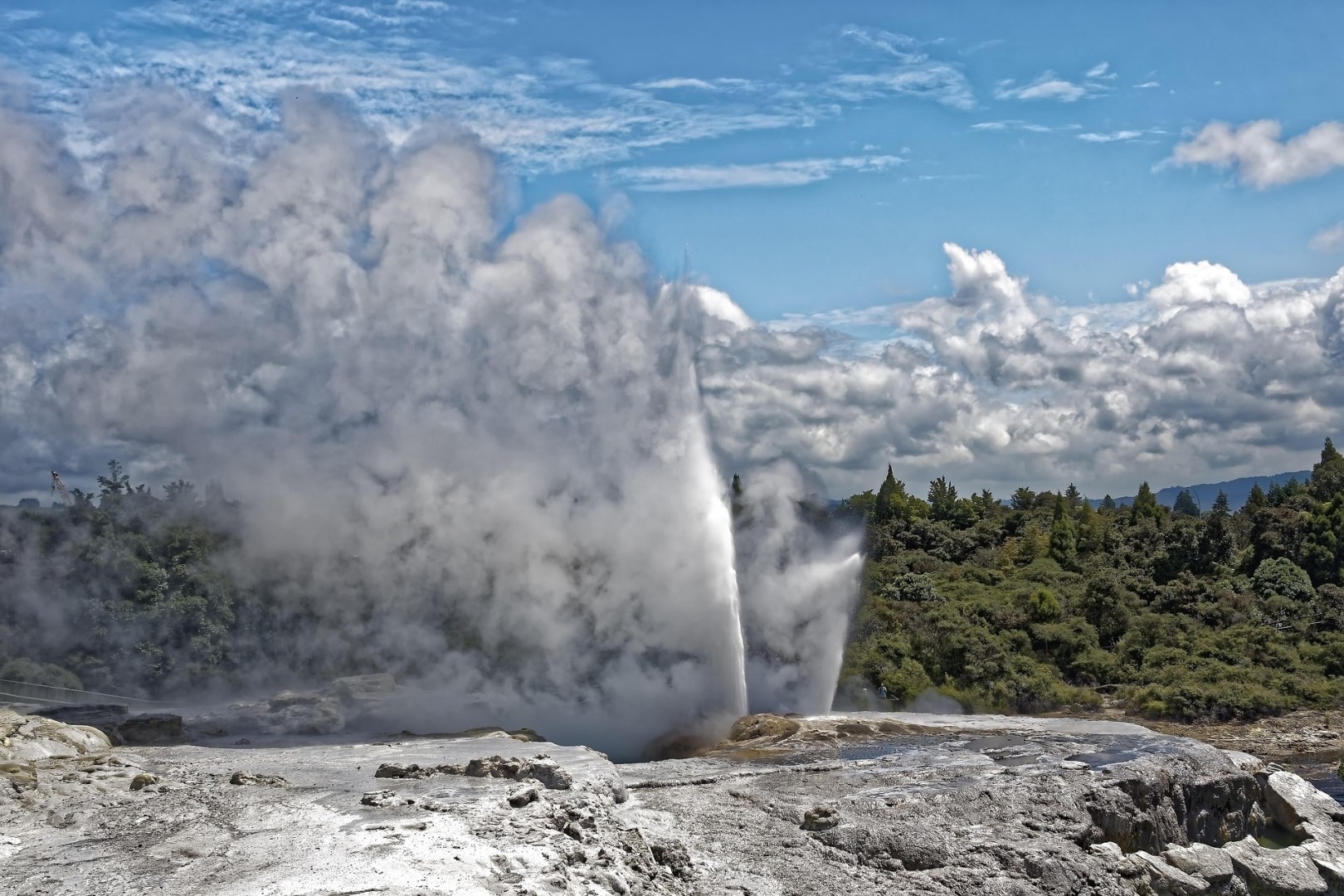
Rotorua
Natural wonders await you in the steaming, geothermally active North Island city of Rotorua, New Zealand. Pohutu Geyser erupts several times per day, and blistering mud pools provide a truly unique sightseeing experience. When in Rotorua, tourists also visit its living Maori village, as well as Te Puia (New Zealand Maori Arts and Crafts institute), where weaving and woodcarving is featured.
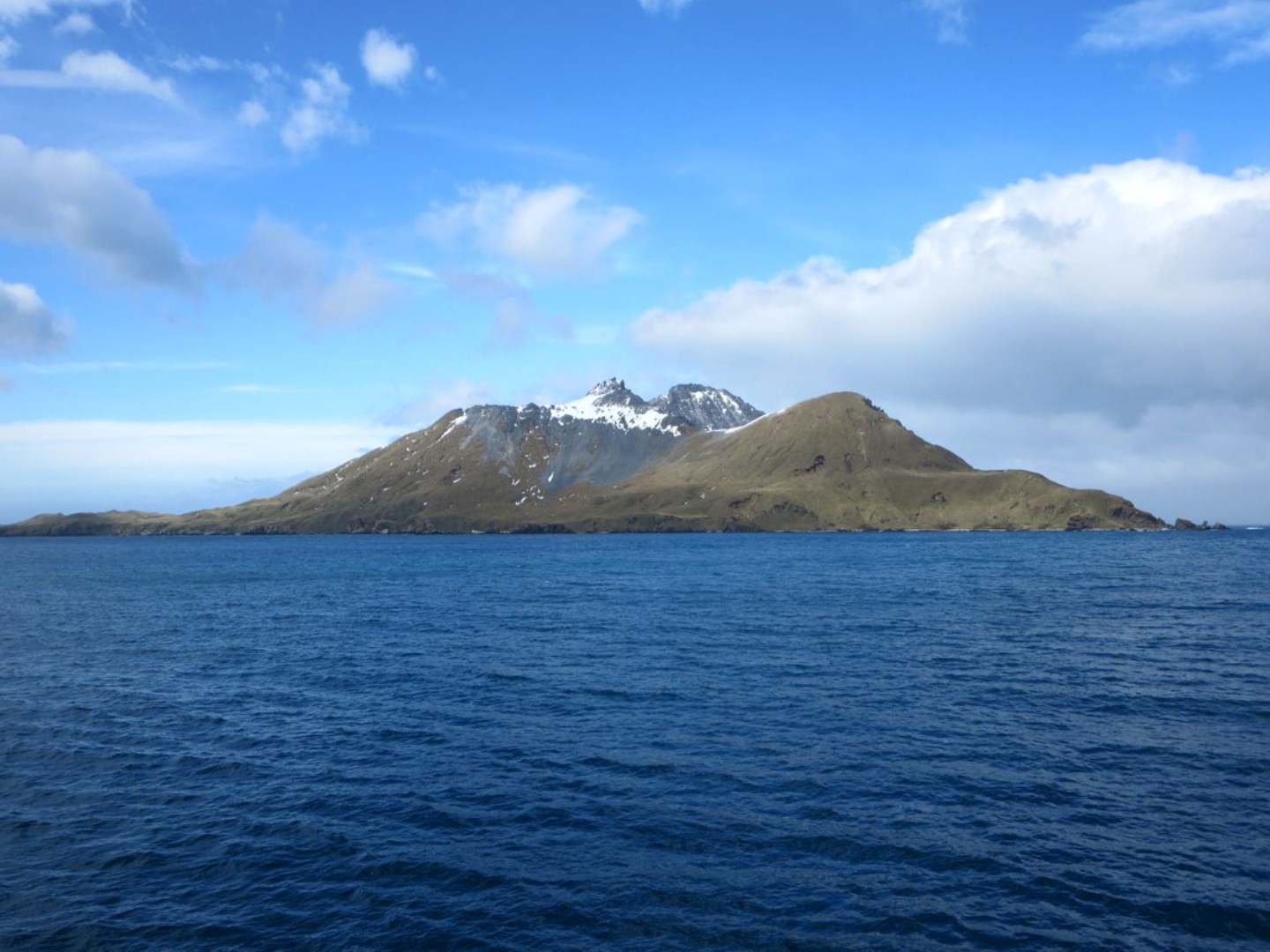
Cooper Island
Cooper Island is a small, rugged island off the southeastern coast of South Georgia, lying near the entrance to Drygalski Fjord. Its landscape combines steep rocky slopes, snowfields, glaciers, and sheltered coastal areas, with the island surrounded by cold waters often containing sea ice. The island is part of the protected South Georgia environment and is visited primarily for its wildlife and scenery. Expedition vessels may approach or land when conditions permit, although access depends on w