Trabzon
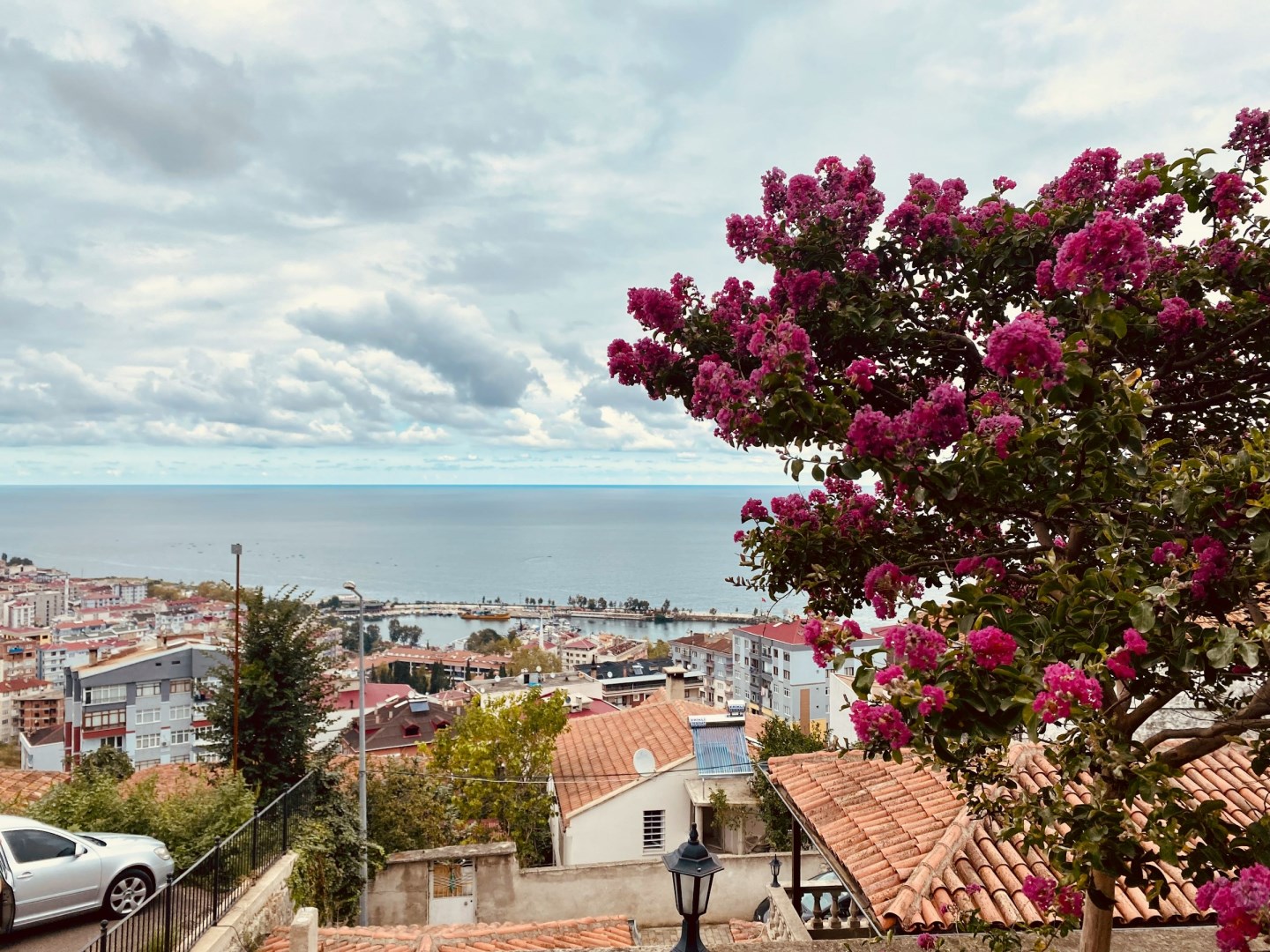
Trabzon was founded in the 7th century B.C. by Milletain colonists. On entering the city, on a green hill descending to the sea, is a well-preserved 13th century Byzantine church, now the Avasofya Museum. The walls of this church are decorated with frescoes, some of the finest examples of Byzantine craftmanship. The higher part of the city, the old quarter, inside the still extant fortifications with its timber houses, should be visited.
Brunei
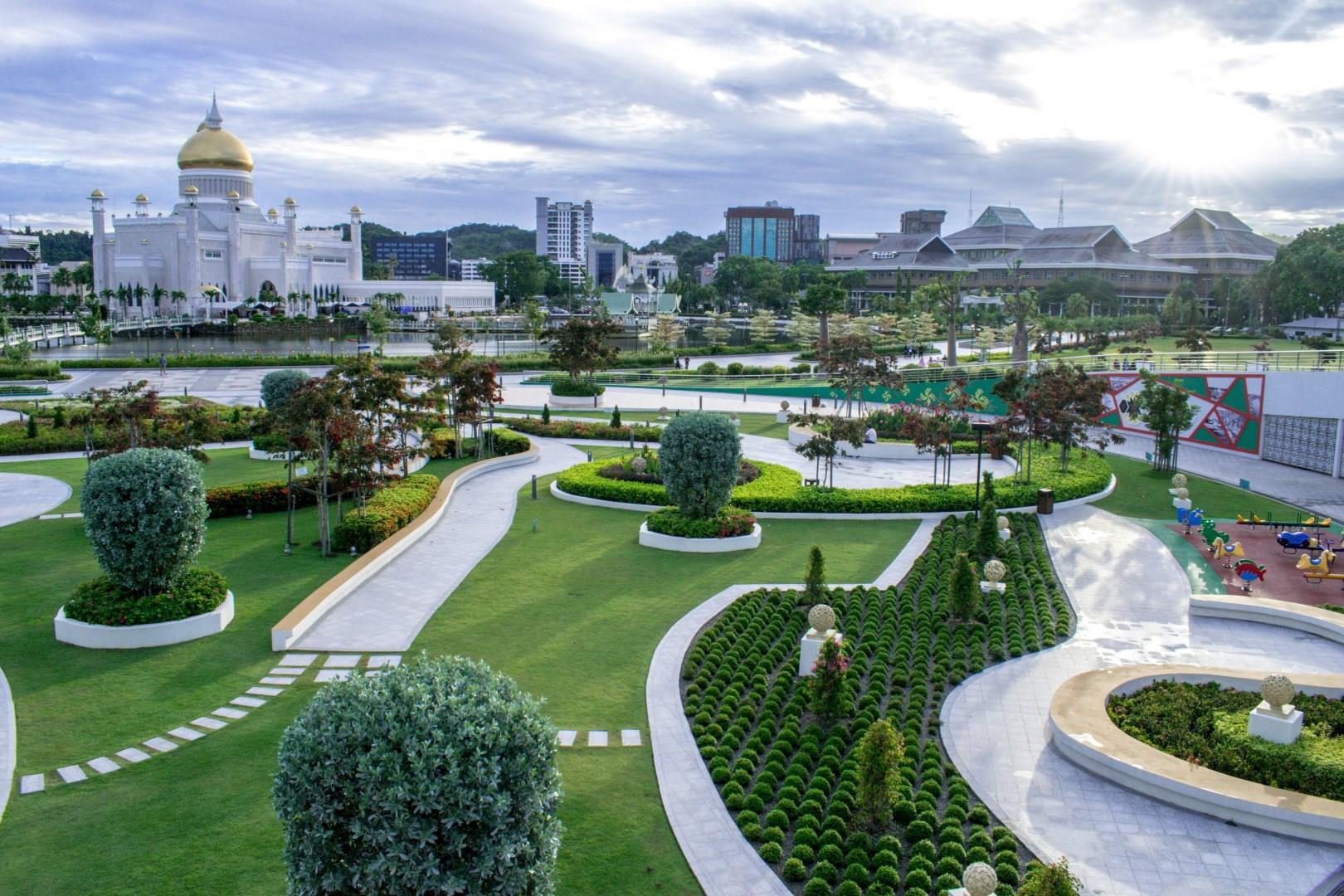
Brunei is a small country on the island of Borneo known for its wealth, tropical rainforests, and rich cultural heritage. The country’s landscapes are a mix of dense jungles, rivers, and coastal mangroves, offering a peaceful environment where nature remains largely intact.
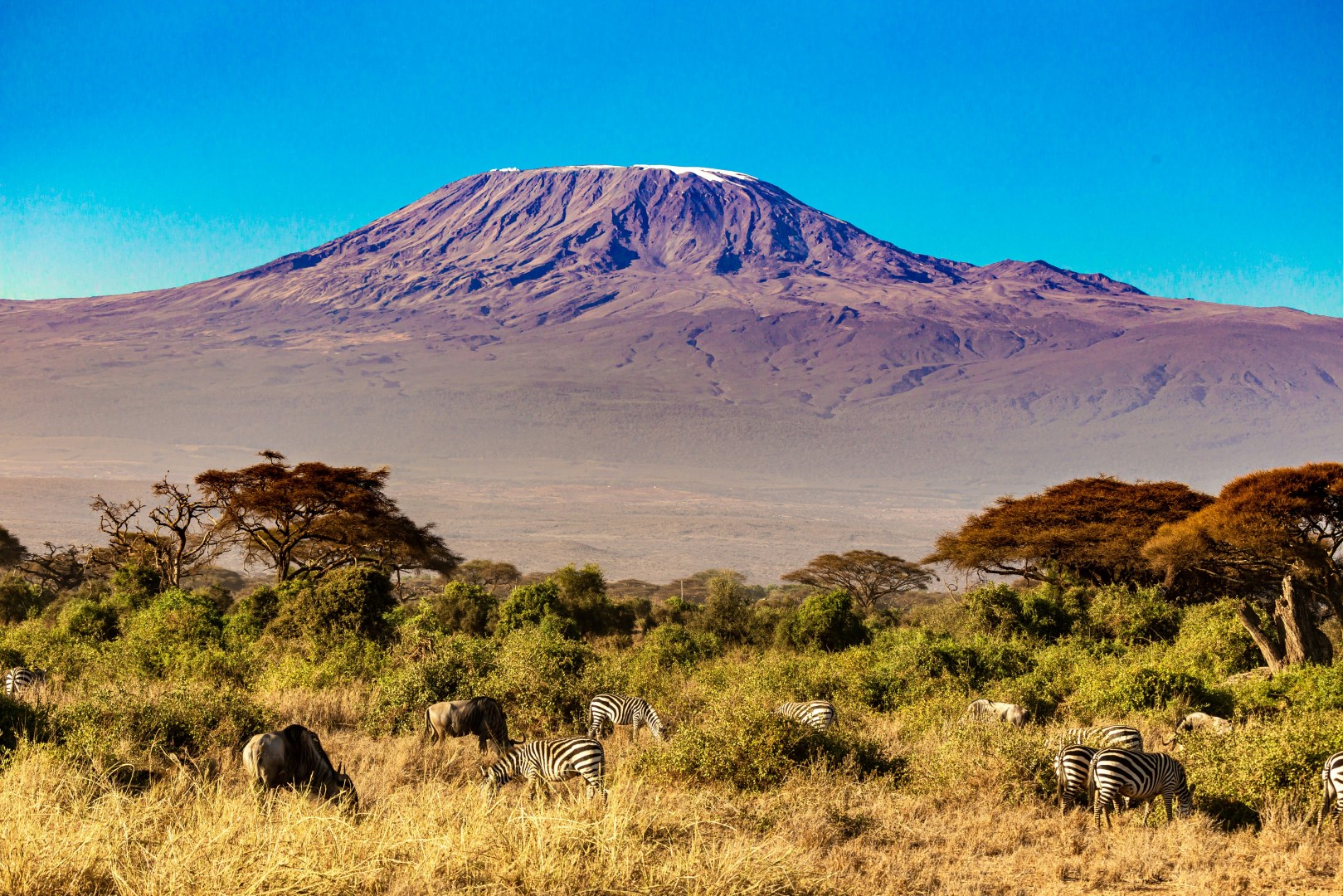
Amboseli
Amboseli is a wildlife region in southern Kenya, centered on Amboseli National Park in Kajiado County near the border with Tanzania. Its landscape is defined by open plains, seasonal lake beds, acacia woodland, and freshwater swamps, with Mount Kilimanjaro rising prominently across the border to the south.
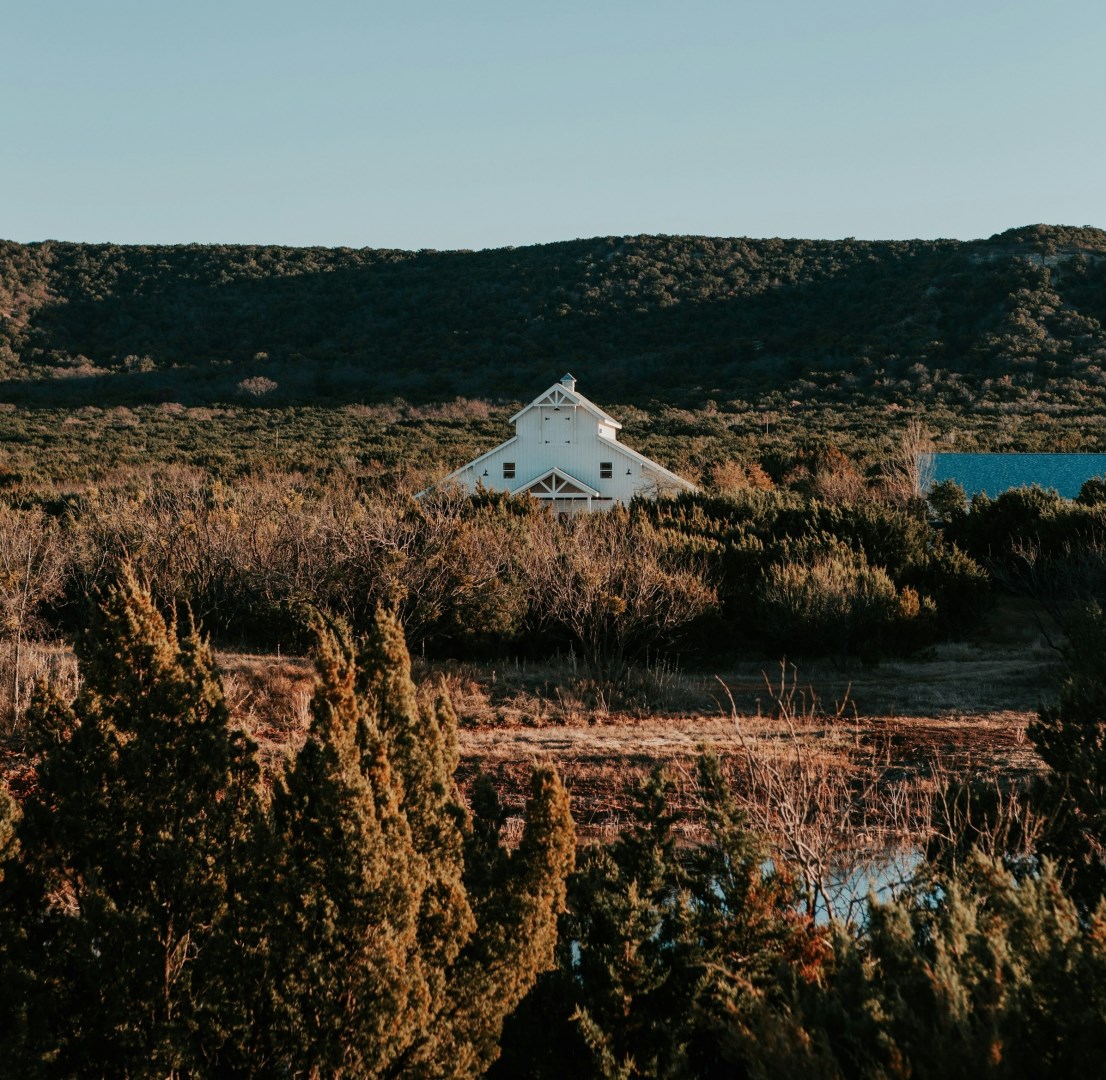
Abilene
Abilene is no-nonsense and traditional, but it's just as capable of having a good time as any rip-roaring cowpoke. When you're in Abilene, take time to see the Abilene Zoo, particularly the Texas Plains exhibit, a unique collection of species native to that part of the country (if you've never seen a javelina, here's your chance).

Alberta
Alberta, one of Canada’s western provinces, is renowned for its dramatic natural landscapes and vibrant cultural heritage. It’s a place where sweeping prairies give way to towering peaks, and where Indigenous traditions and pioneer history are deeply interwoven.