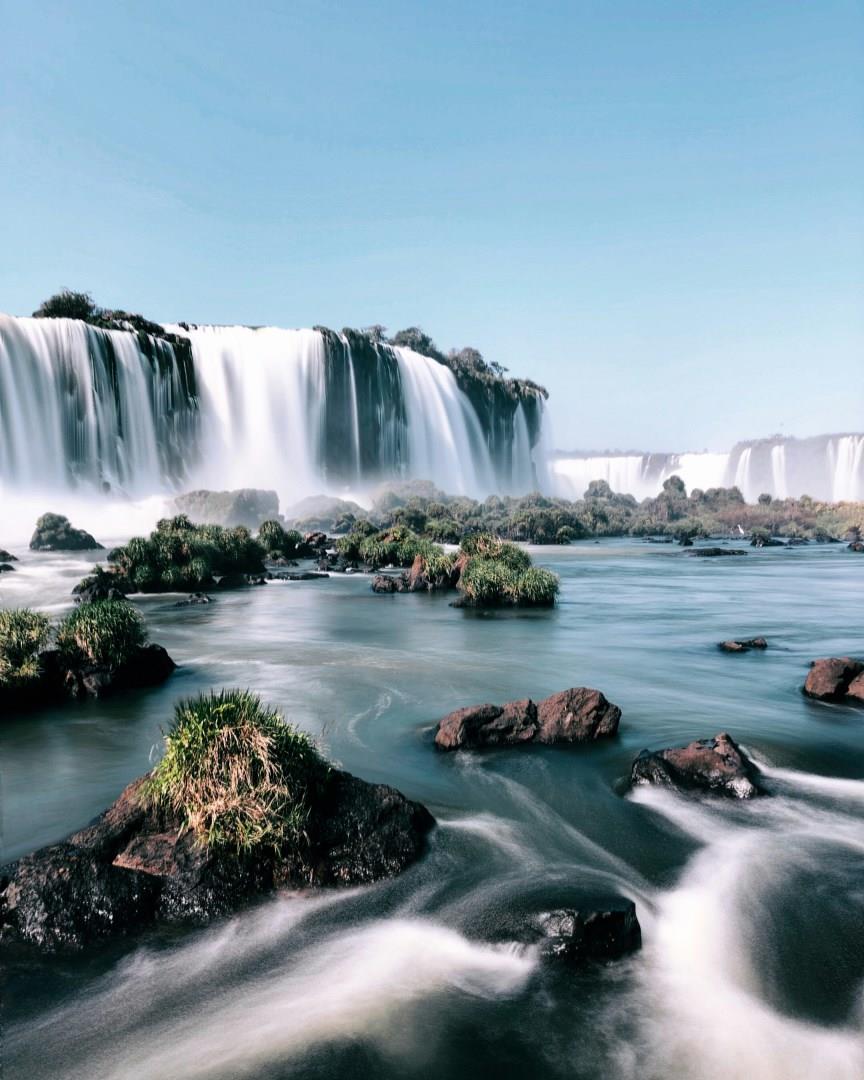
Foz do Iguaçu
Set at the meeting point of Brazil and Argentina, Foz do Iguaçu is defined by the sheer scale of the Iguaçu Falls. Nearly 275 individual waterfalls stretch across close to three kilometers, sending mist into the air and sound echoing through the surrounding forest. Visitors follow raised walkways that bring them face to face with this moving wall of water, culminating at the dramatic Devil’s Throat, a deep, curved drop where the river seems to vanish into the earth.
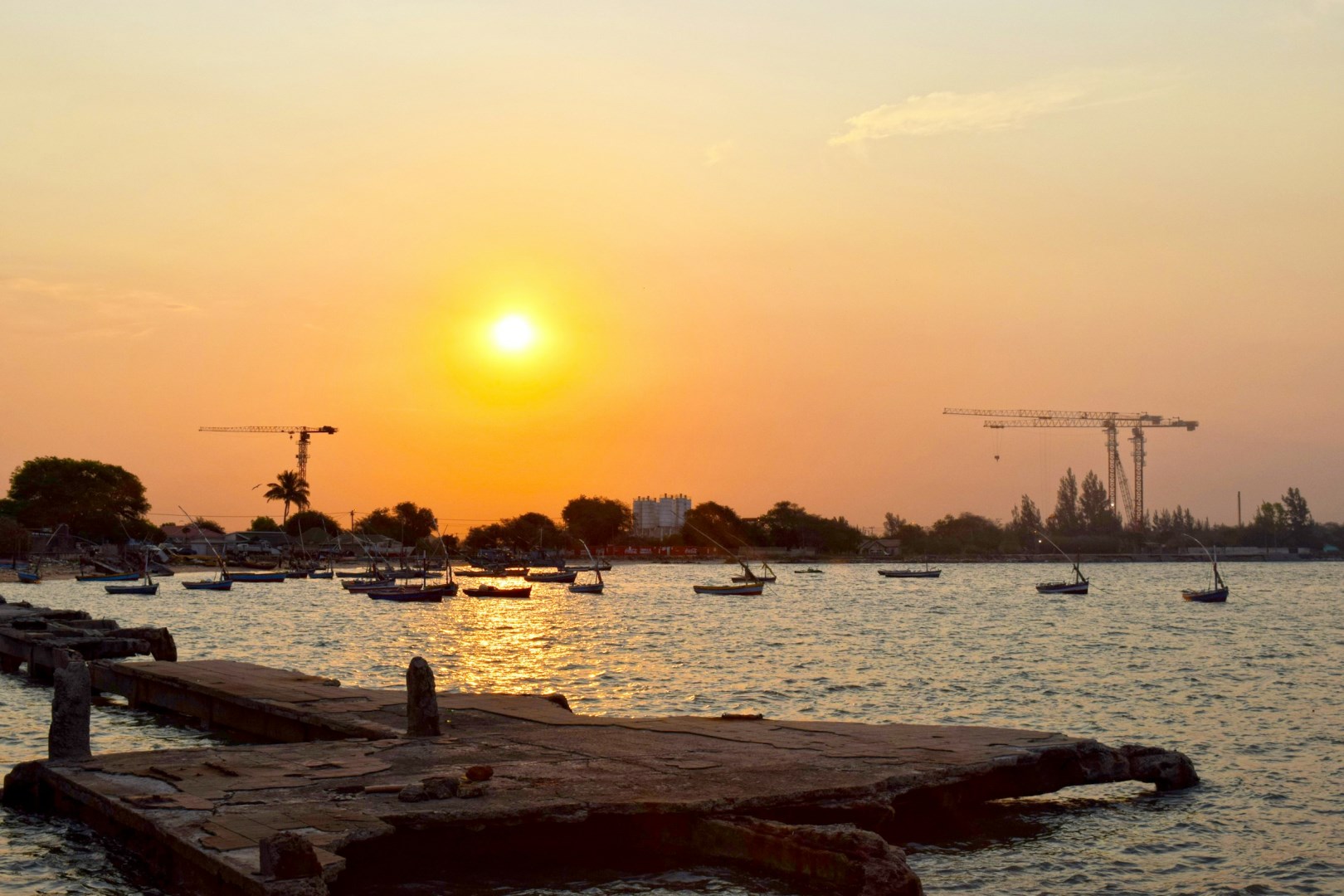
Catembe
Catembe is a coastal district of Maputo, located on the southern shore of Maputo Bay directly across the water from central Maputo. Its landscape includes sandy beaches, low coastal vegetation, open land, and views across the bay toward the capital. The district has traditionally been a quieter counterpart to Maputo, with fishing, small-scale agriculture, and coastal activities forming part of local life.

Trinidad
Trinidad, Cuba, is a mesmerizing time capsule that transports visitors to another era with its cobblestone streets, pastel-colored colonial buildings, and horse-drawn carts. Founded in 1514 by Spanish conquistador Diego Velázquez de Cuéllar, this city, located in central Cuba, is one of the best-preserved colonial towns in the Caribbean. Trinidad's rich history and enchanting architecture make it an essential destination for anyone seeking an authentic Cuban experience.
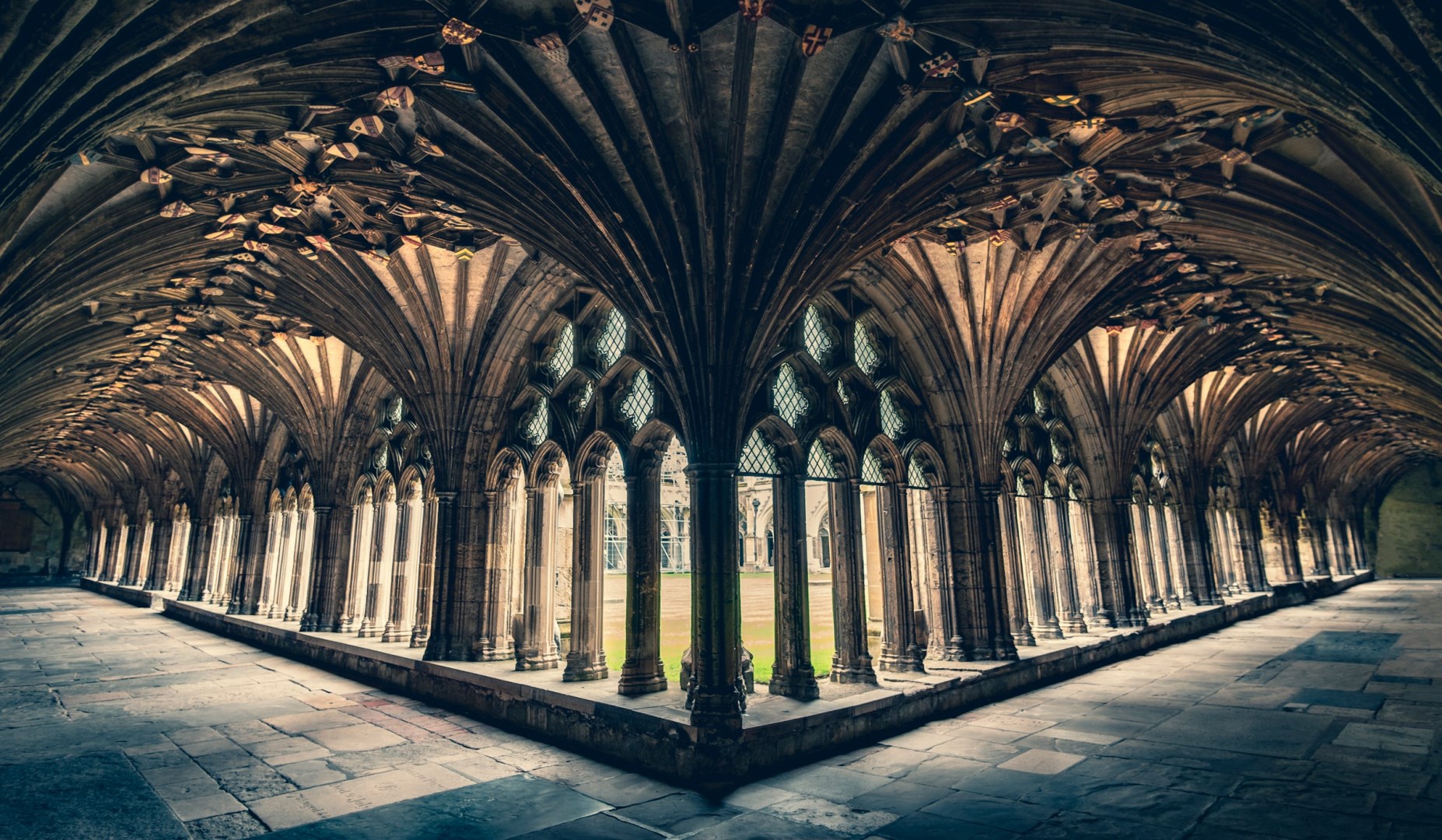
Canterbury
Steeped in history, Canterbury, England is a must-visit destination for lovers of medieval charm and religious significance. The centerpiece of this historic city is Canterbury Cathedral, a UNESCO World Heritage Site that has been a place of Christian worship since the 6th century. As the seat of the Archbishop of Canterbury, it is one of the most important religious buildings in England.
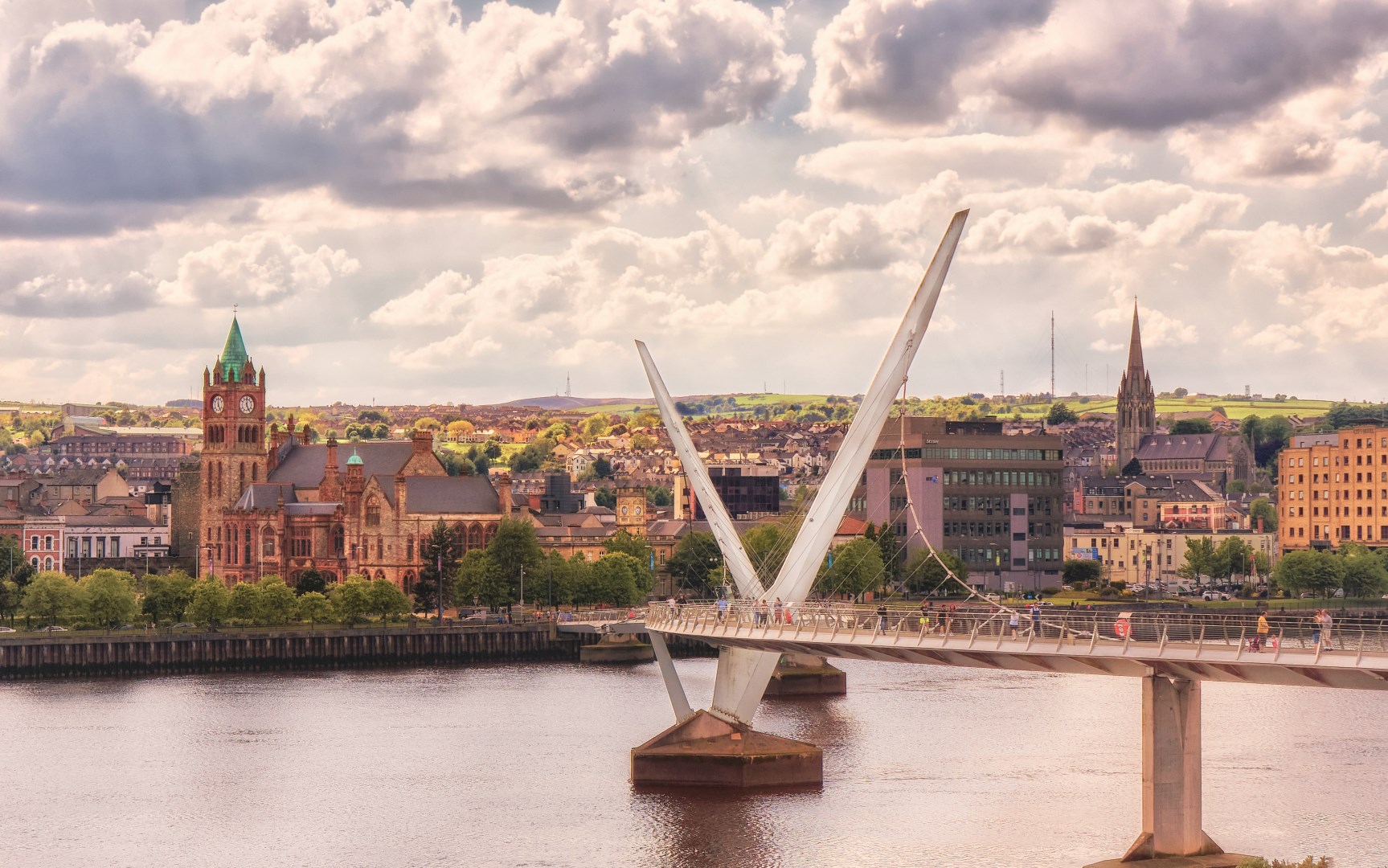
Derry
Derry stands on the banks of the River Foyle in Northern Ireland and is known for its intact seventeenth-century city walls, steep streets, and strong local identity.