Limasawa
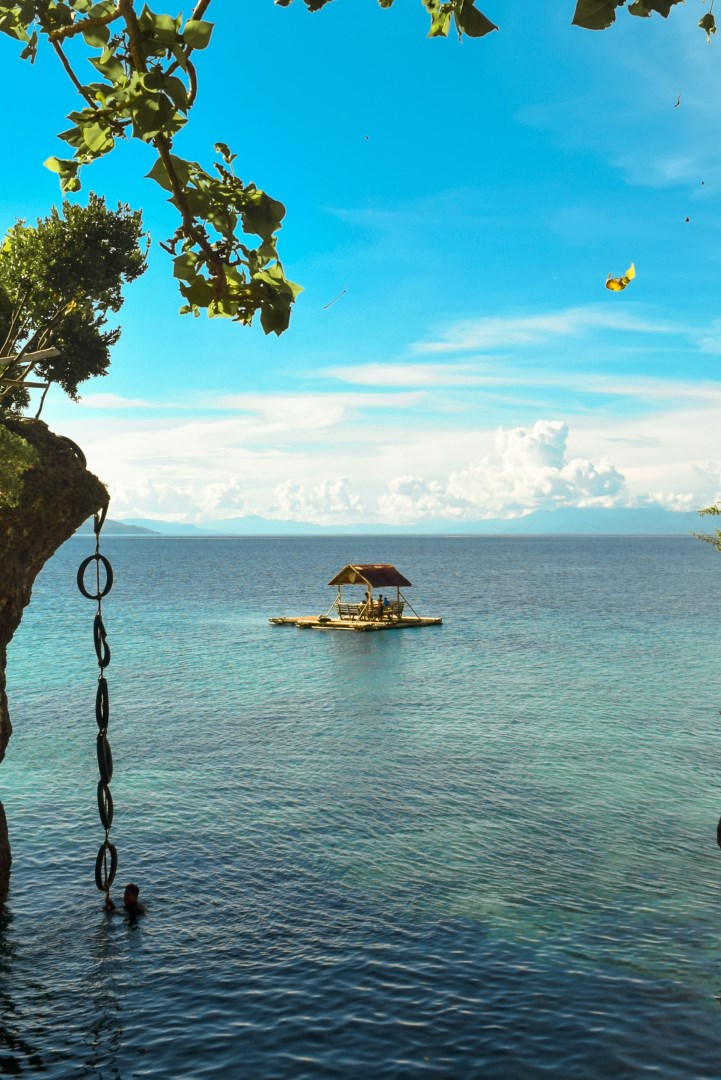
Limasawa is a small island municipality in Southern Leyte, Philippines, located at the southern end of Leyte Gulf. Its landscape is defined by forested hills, rocky and sandy shorelines, clear coastal waters, and small agricultural areas. The island is made up of several barangays, with Limasawa town serving as the local administrative center.
Querétaro
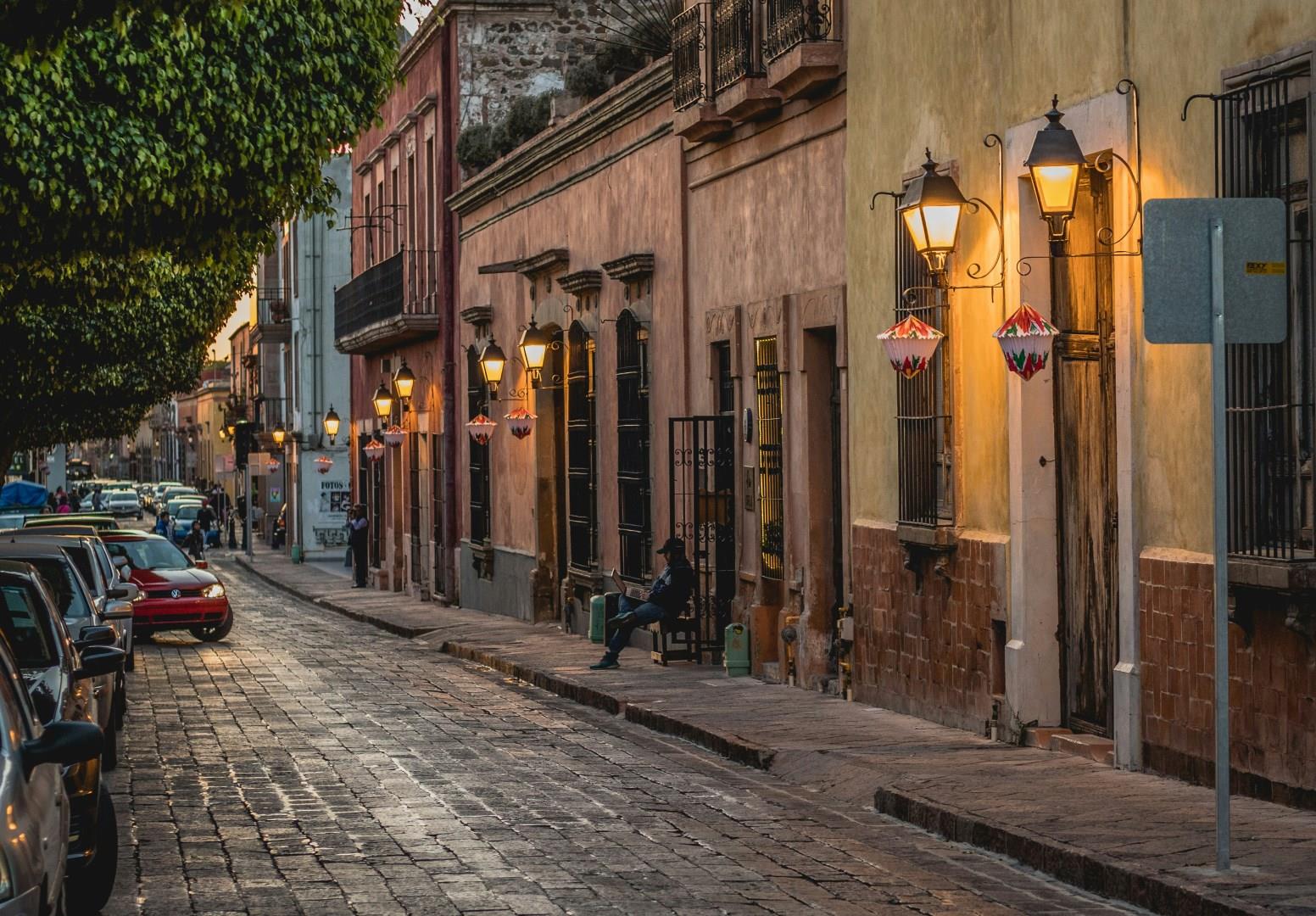
Querétaro, located in the heart of central Mexico, is a city where centuries of history are still visible in daily life. Its historic center, a UNESCO World Heritage Site, features narrow streets, elegant plazas, and baroque churches that reflect its colonial past. One of the city’s most iconic landmarks is the massive aqueduct, built in the 18th century with 74 stone arches stretching nearly a mile across the landscape.

Brown Bluff
Brown Bluff is a distinctive coastal landmark on the east side of the Tabarin Peninsula, overlooking the southwestern Antarctic Sound. Its defining feature is a long beach of cobbles and volcanic ash backed by steep, red-brown cliffs that rise toward an ice-capped, flat-topped mountain. The cliffs are made of volcanic tuff and contain rounded volcanic bombs, giving the shoreline a rugged geological character. Glaciers and permanent ice border the site, while brash ice can sometimes spread across
Ilha Grande
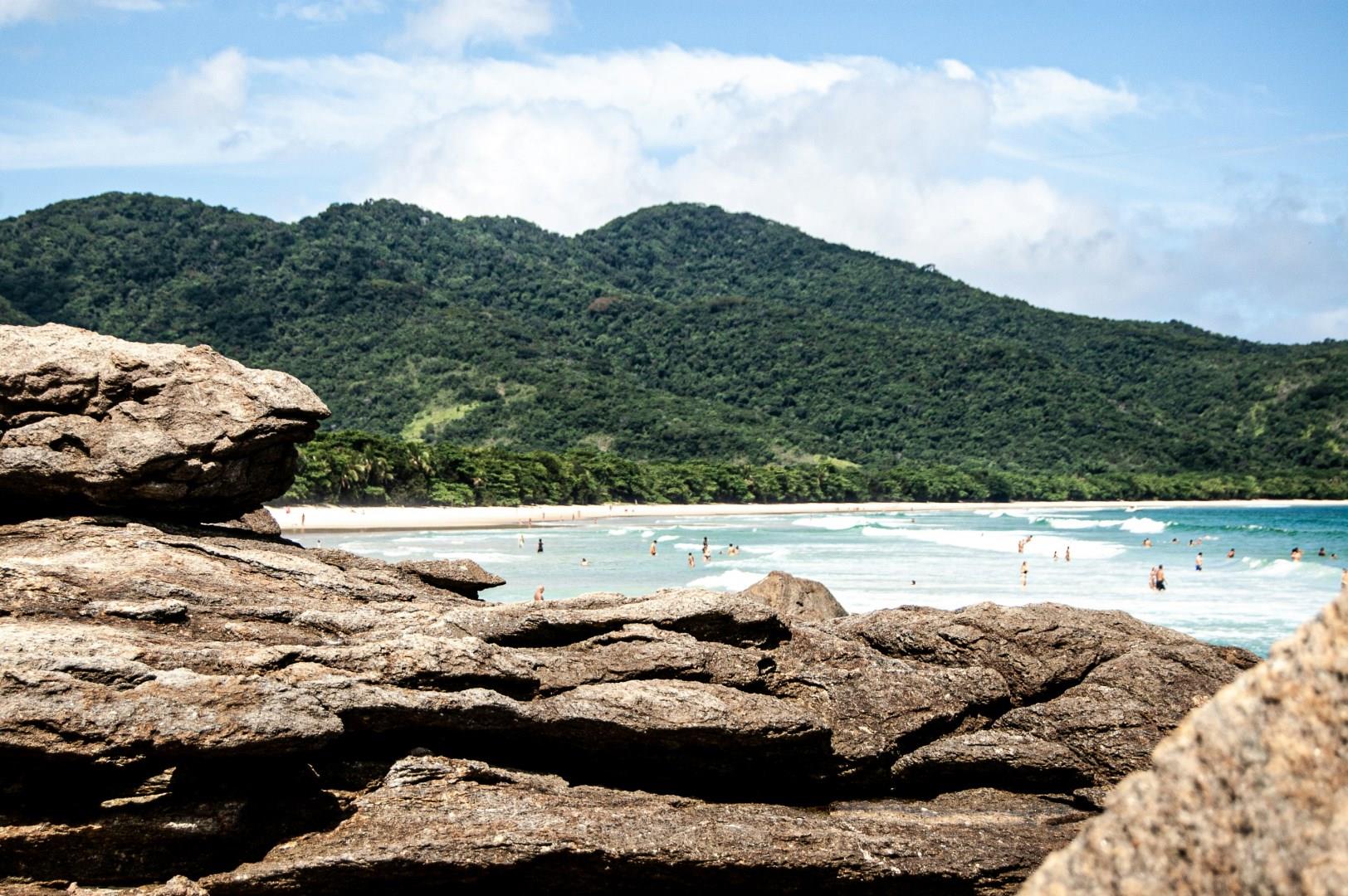
Ilha Grande, an island off the coast of Rio de Janeiro state, is a place where tropical forest and coastline meet in striking harmony. Once a pirate hideout and later the site of a penal colony, it has evolved into one of Brazil’s most remarkable island destinations. With no cars allowed and no large resorts, the island moves at a different pace, where footpaths and boats are the main ways to get around.
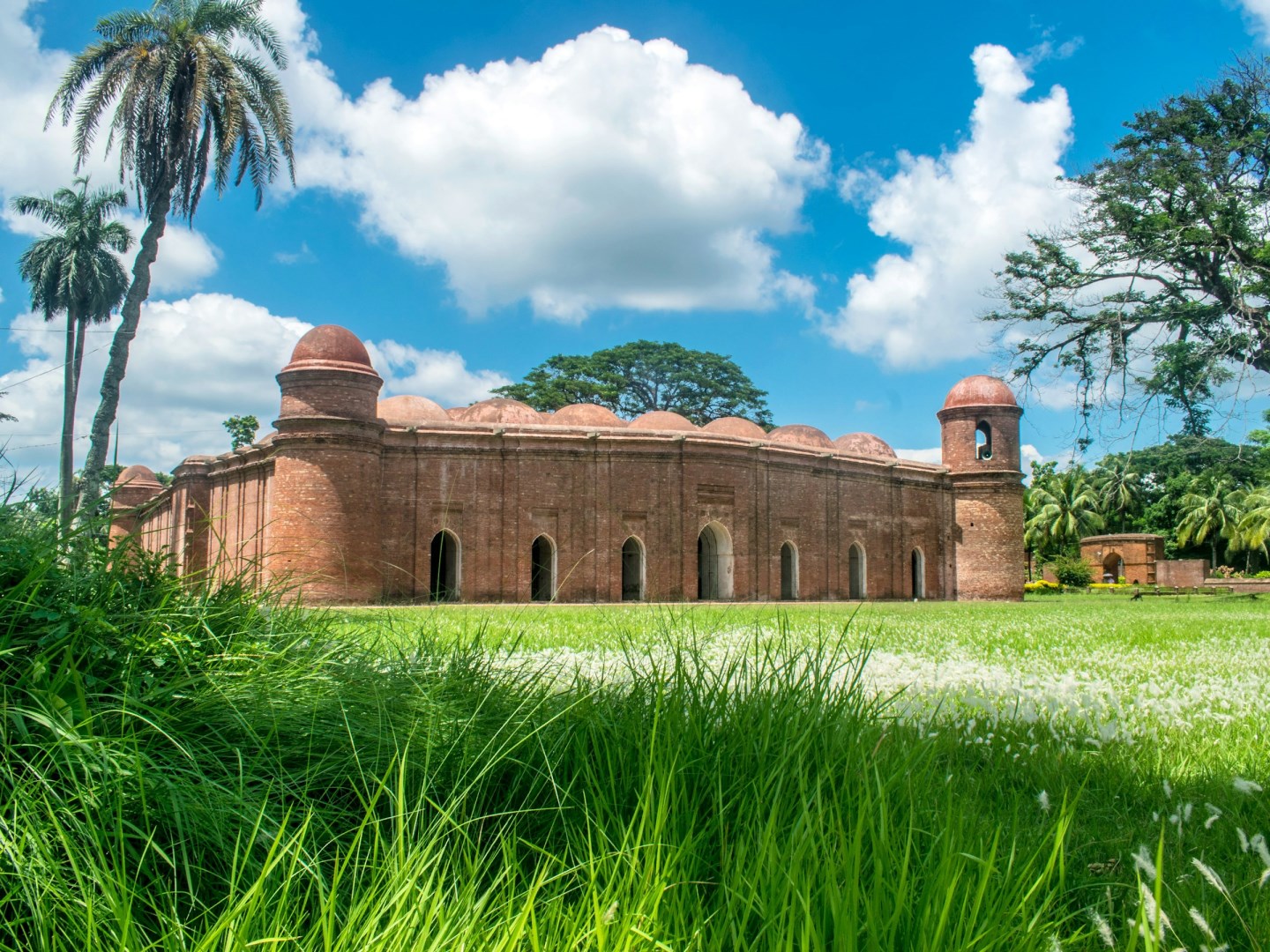
Bagerhat
Bagerhat is a historic city in southwestern Bangladesh, known for its remarkable concentration of Islamic monuments and its setting near the former channels of the Ganges-Brahmaputra delta. The city was established by Khan Jahan Ali and developed as an important settlement surrounded by waterways, ponds, roads, and mosques. Today, Bagerhat is best known for the Historic Mosque City of Bagerhat, a UNESCO World Heritage Site containing numerous brick-built religious and civic structures. Its locat