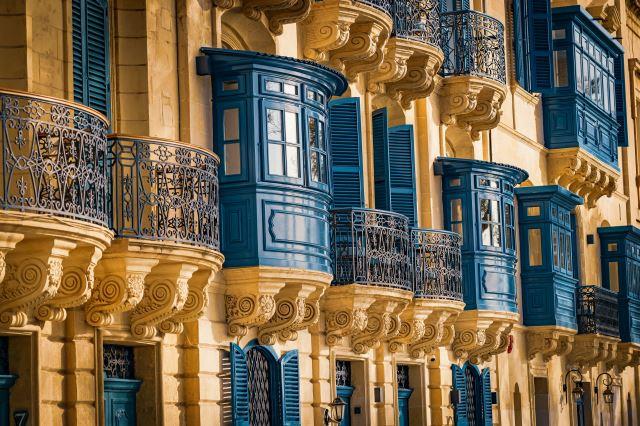
Valparaíso
Valparaíso, Chile, is a city that beckons travelers with its vibrant street art, steep hillsides, and bohemian spirit. Known as the "Jewel of the Pacific," Valparaíso's historical importance as a major port during the 19th century has left an indelible mark on its architecture and culture.

Outer Banks
The Outer Banks are a long chain of narrow barrier islands along the coast of North Carolina, separated from the mainland by broad sounds and connected by bridges and ferries. Communities including Corolla, Duck, Kitty Hawk, Kill Devil Hills, Nags Head, Manteo, Hatteras, and Ocracoke each have distinct settings and local traditions. The landscape is shaped by ocean waves, shifting sand, wind, and storms, creating wide beaches, dunes, marshes, maritime forests, and tidal inlets.
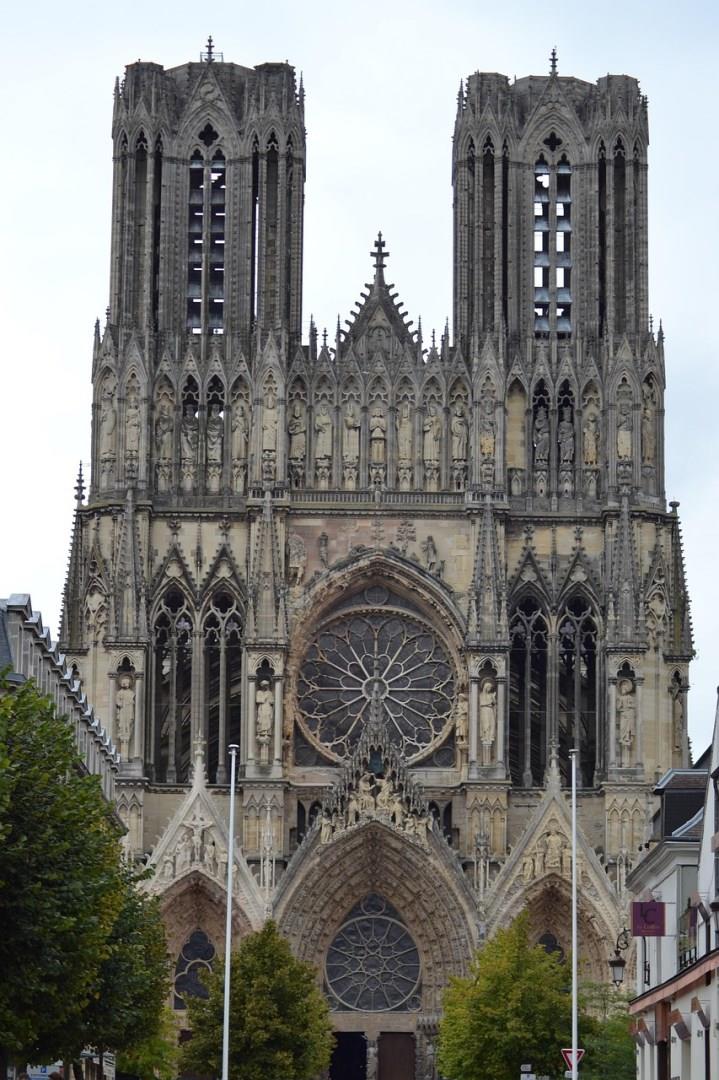
Reims
France’s city of Reims, located in the heart of the Champagne region, is a place where history and celebration meet. Known for its towering cathedral, Reims played a central role in French royal tradition. Nearly every French king was crowned at the Cathedral of Notre-Dame de Reims, a masterpiece of Gothic architecture that still dominates the skyline. The cathedral’s intricate facade and famous stained-glass window continue to draw visitors from around the world.
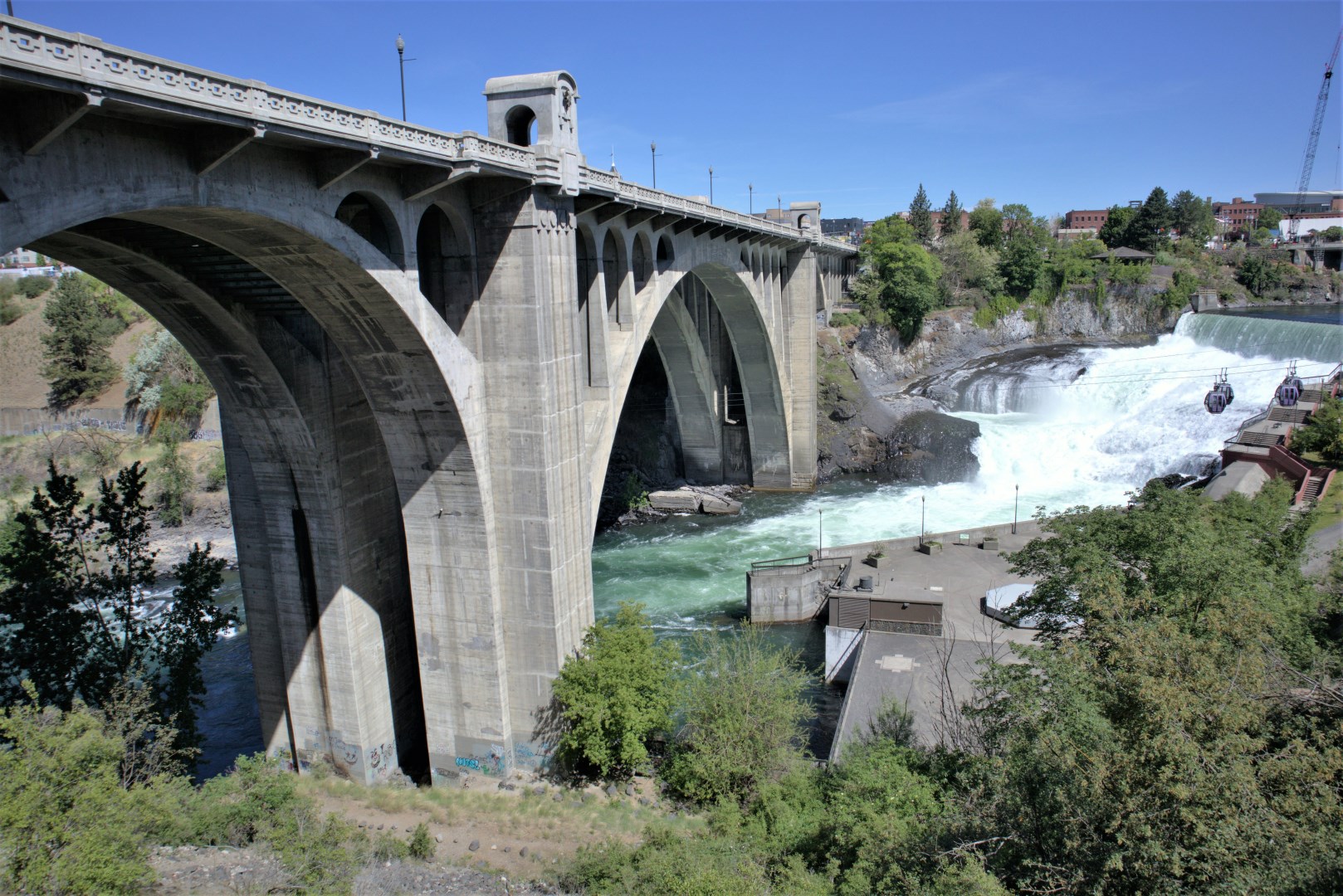
Spokane
Spokane, Washington, nestled in the scenic Inland Northwest, offers an engaging mix of natural beauty and vibrant city life. Known as the "Lilac City," Spokane is celebrated for its lush green spaces and the stunning Riverfront Park, which features the iconic Spokane Falls and a variety of outdoor activities. The park's spectacular waterfalls and well-maintained walking trails provide a picturesque backdrop for visitors exploring the city's urban oasis.

Seville
Must-sees in Seville include the landmark palace Royal Alcázar of Seville, the Gothic, bell-towered Catedral de Sevilla, and Plaza de España, an architectural marvel with Moorish, Baroque and Renaissance influences. Meanwhile, Museo del Baile Flamenco is the place to learn about flamenco dancing culture.