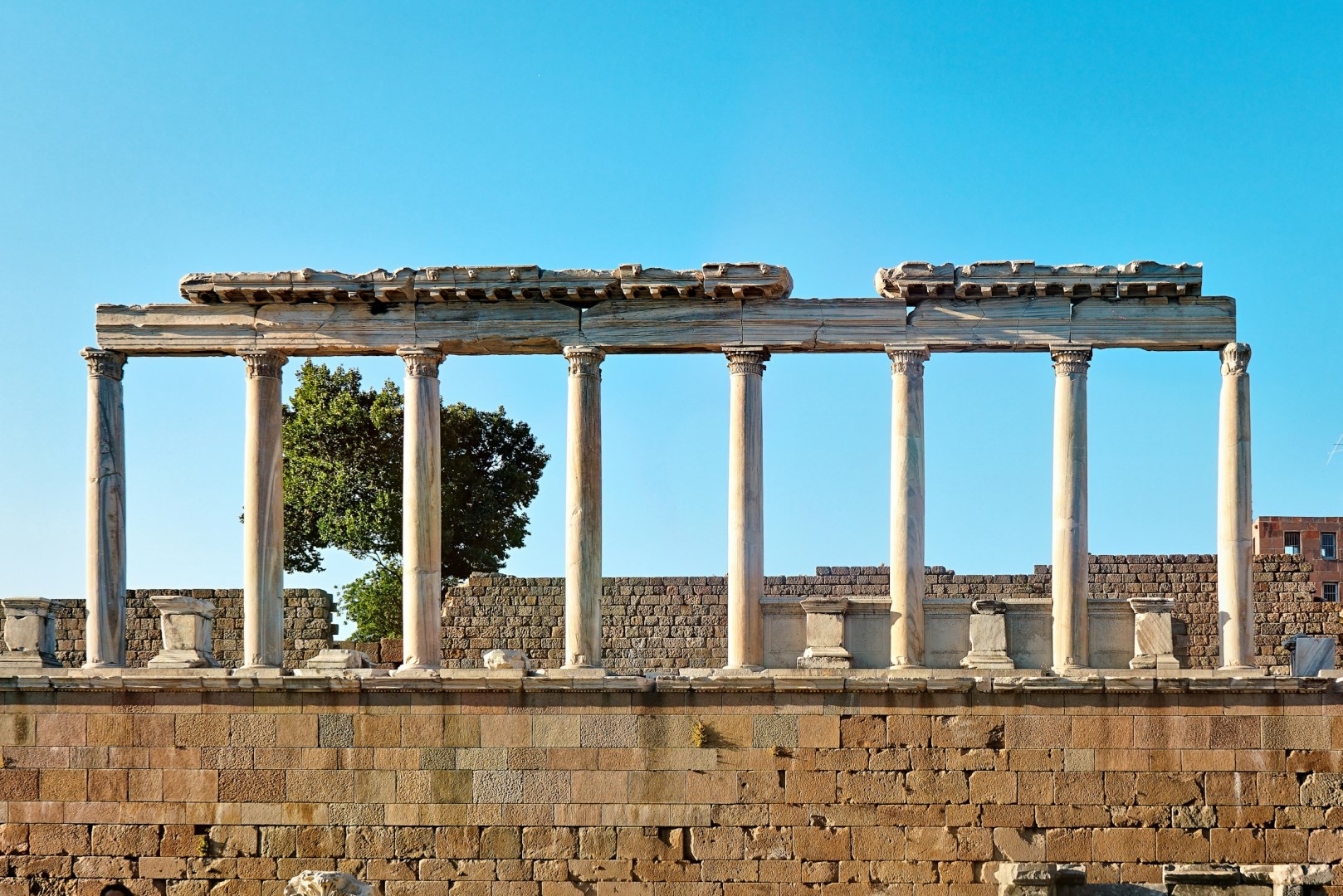
Dominica
Dominica, known as the “Nature Island of the Caribbean,” is a haven for eco-tourists and adventure seekers. Nestled between the French islands of Guadeloupe and Martinique, this lush island boasts a remarkable landscape of volcanic mountains, dense rainforests, and stunning waterfalls. Dominica’s most iconic natural wonder is the Boiling Lake, the second-largest hot spring in the world.
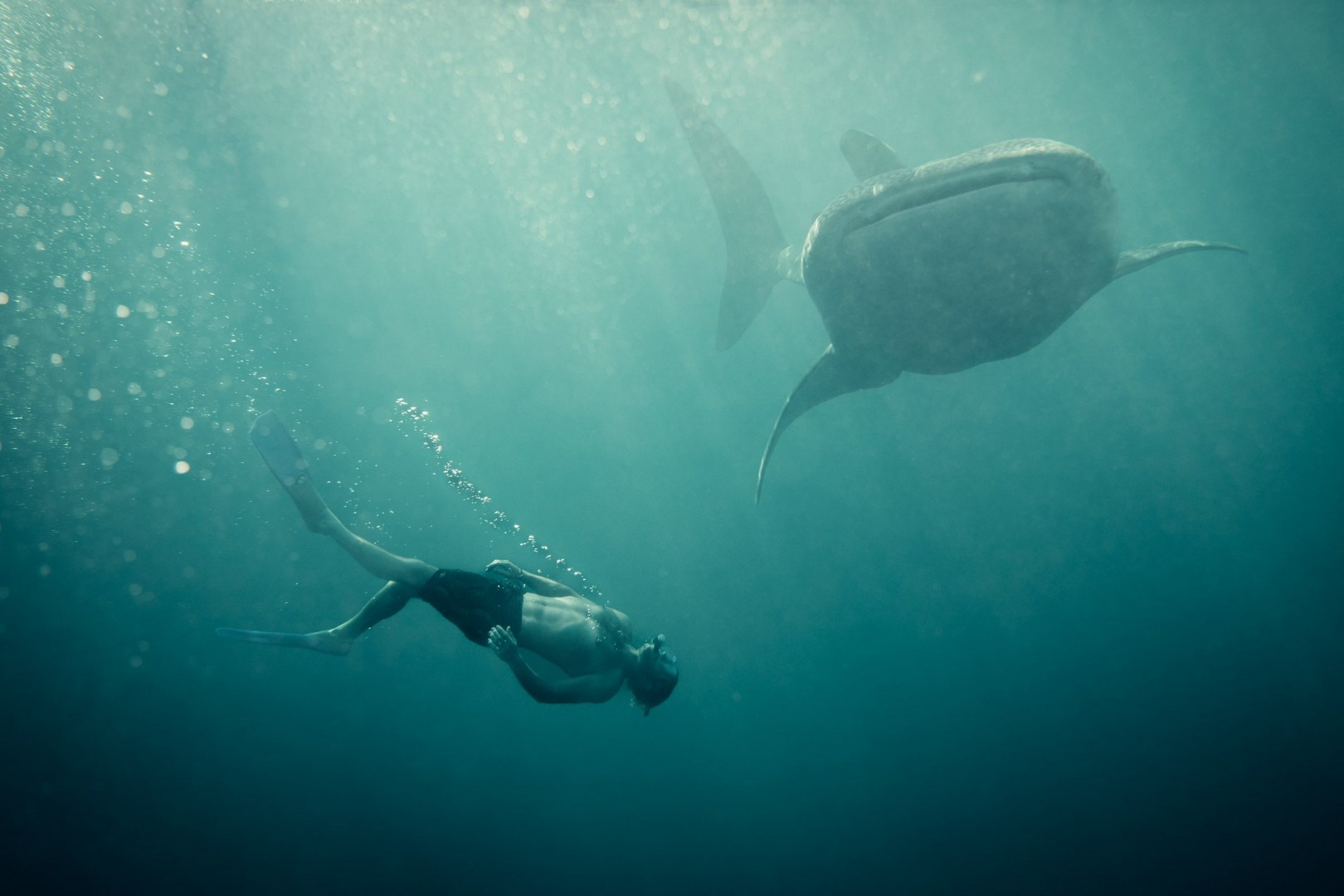
Sumbawa Island
Located between Lombok and Flores in the Lesser Sunda chain in the Indian Ocean.
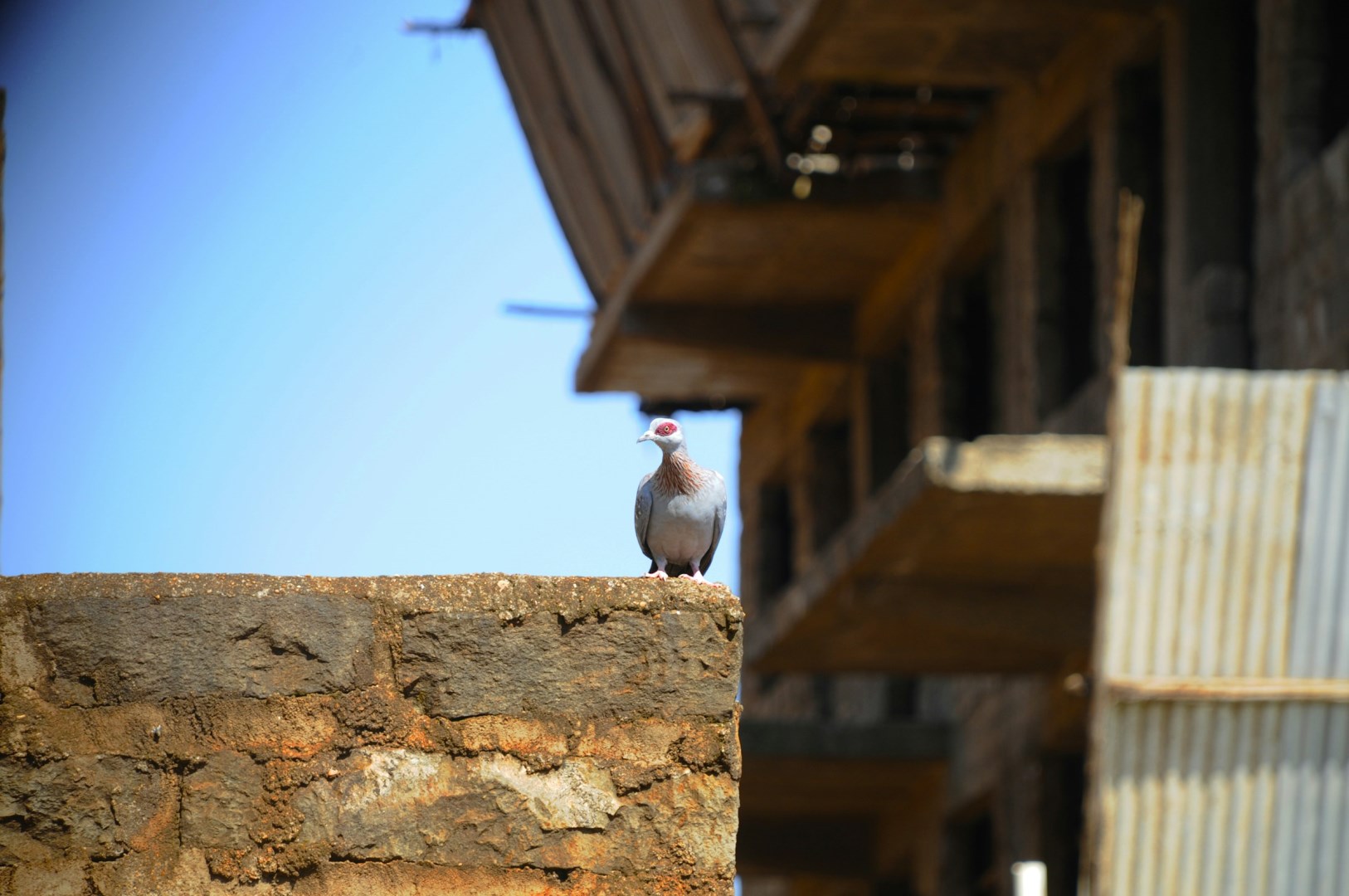
Nyeri
Nyeri is a town in central Kenya, set in the fertile highlands between Mount Kenya and the Aberdare Range. Its elevated location supports tea, coffee, dairy farming, and other forms of agriculture, while the surrounding landscape includes cultivated hills, forested slopes, and open farmland. Nyeri serves as the administrative centre of Nyeri County and is an important commercial hub for the central highlands.
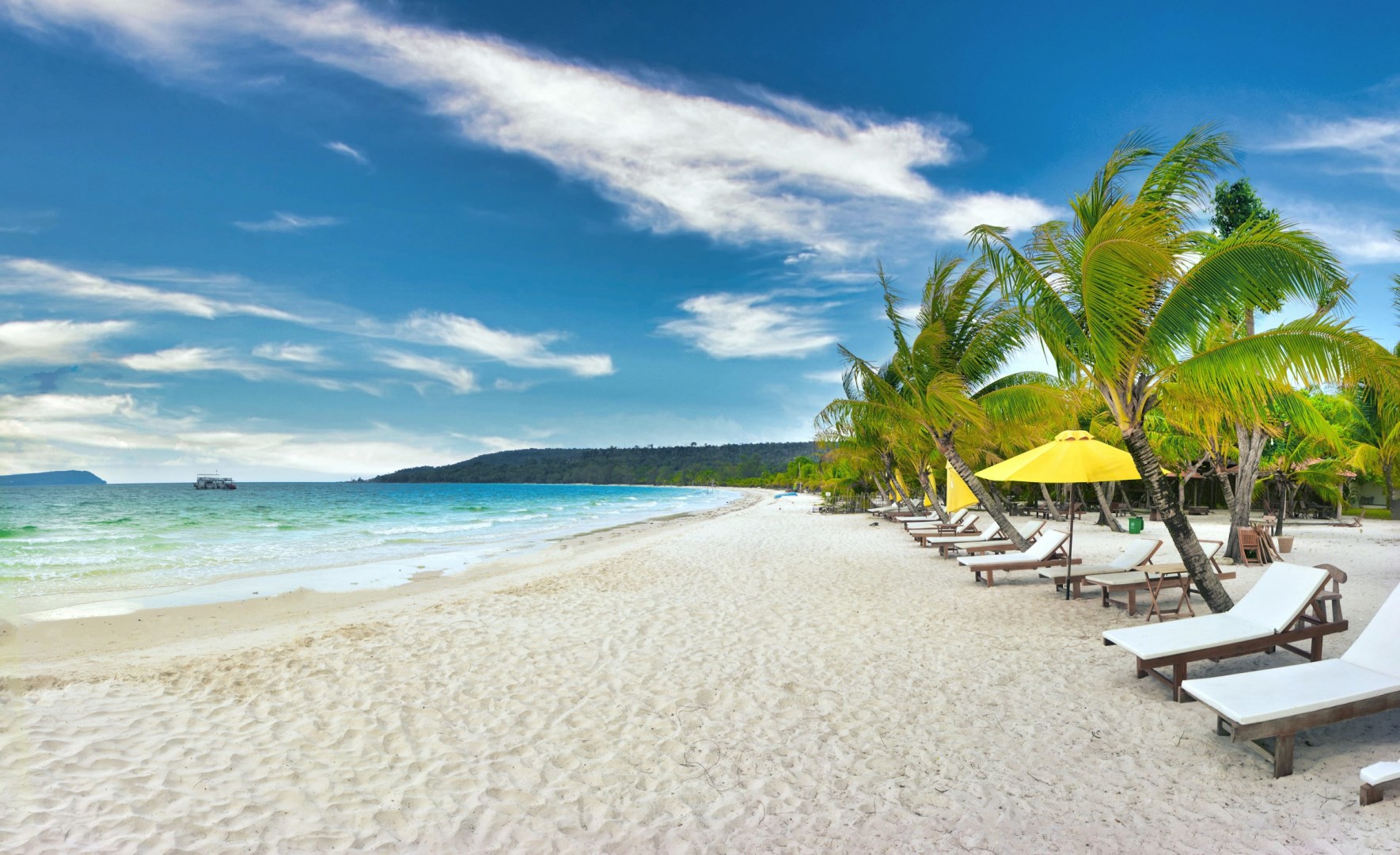
Koh Rong
Koh Rong is a large island in the Gulf of Thailand, off the coast of Sihanoukville in southwestern Cambodia. The island combines long sandy beaches, tropical forest, rocky coves, and clear coastal waters, with small villages and tourism areas spread around the shoreline. Koh Touch is the main settlement and arrival point, while Sok San and Prek Svay are among the other communities on the island.
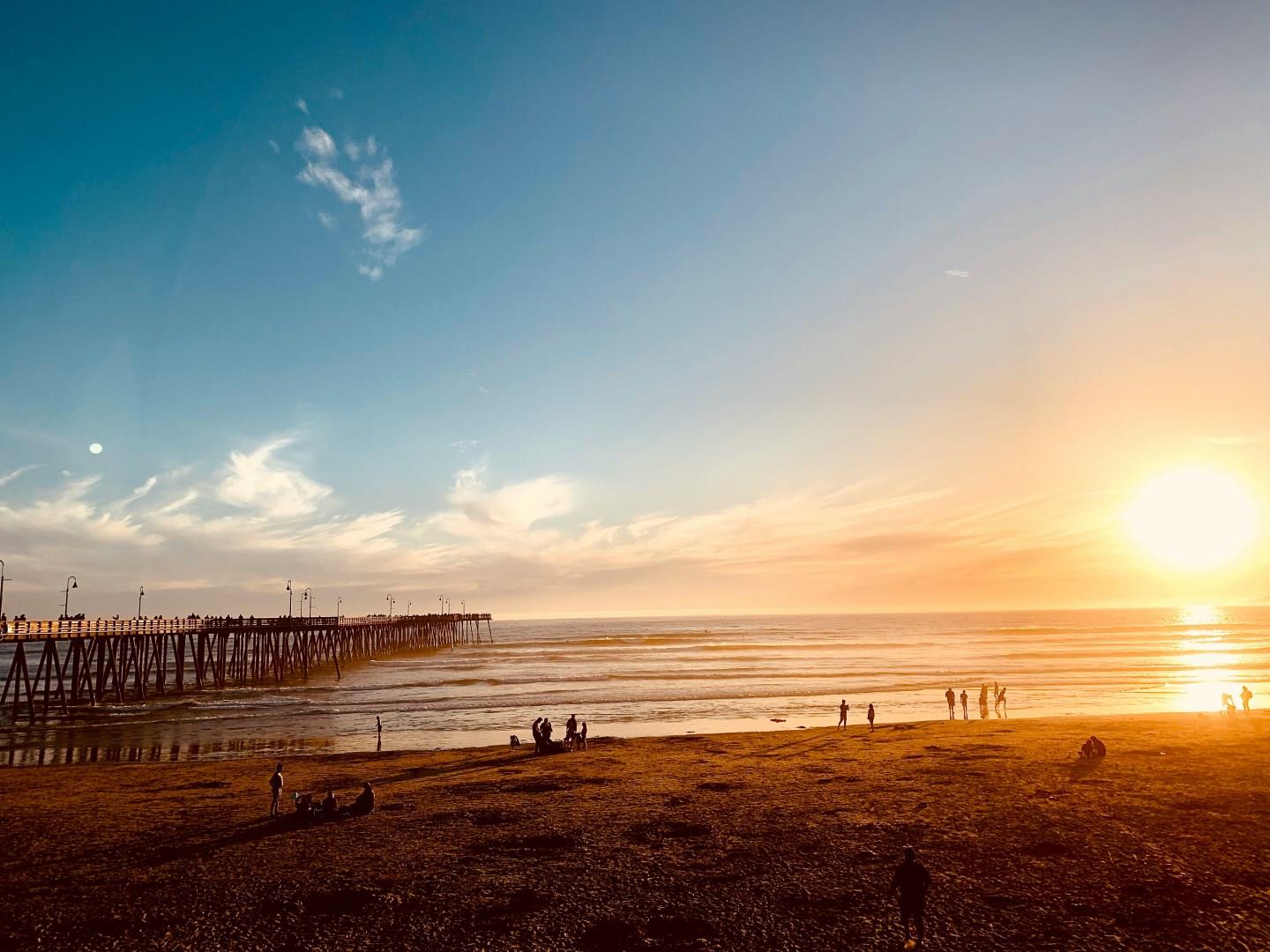
Pismo Beach
Abundant treasures for vacation enjoyment await visitors of all ages in the picturesque central California beachside community of Pismo Beach. Whether you enjoy a romantic walk along the beach, a challenging ride on a all-terrain vehicle through the sand dunes, sporting activities which suit enthusiasts of all levels or just plain fun, Pismo Beach has it all. Located midway between San Francisco and Los Angeles, Pismo Beach is in the center of some of the state's most beautiful coastline.