Parga
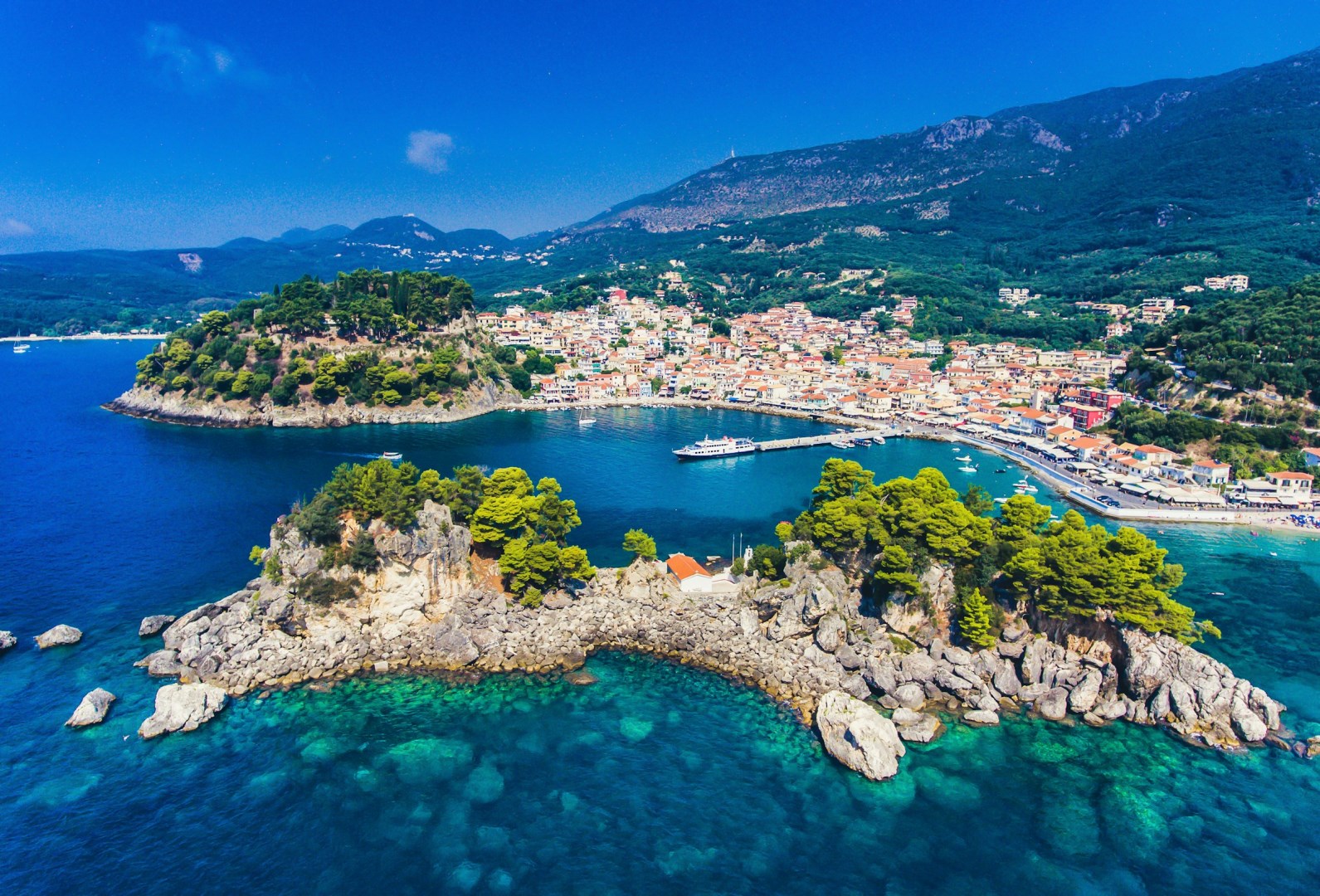
Parga is a coastal town in Epirus, northwestern Greece, built in an amphitheater around a sheltered bay on the Ionian Sea. Colorful houses rise along the hillside toward the Venetian castle, while the small islet of Panagia sits just offshore with a chapel and the remains of a French fort. The old town is characterized by narrow cobbled lanes, stone arches, and traditional houses, while the waterfront is lined with cafés, tavernas, and small boats.

Hudson Valley
Hudson Valley is a broad region of southeastern New York State centered on the Hudson River and extending from the New York City area north toward the Capital Region. The river forms the region’s main geographical feature, flowing between the Catskill Mountains to the west and the Taconic Mountains to the east. Towns and cities including Beacon, Newburgh, Kingston, Hudson, Poughkeepsie, and Rhinebeck occupy the river corridor, while farmland, forests, and smaller communities spread into the surr

Portorož
Portoroz lies on Slovenia’s short Adriatic coast, where its identity has been shaped by the sea and by centuries of salt production in the nearby Sečovlje pans.
Lalibela
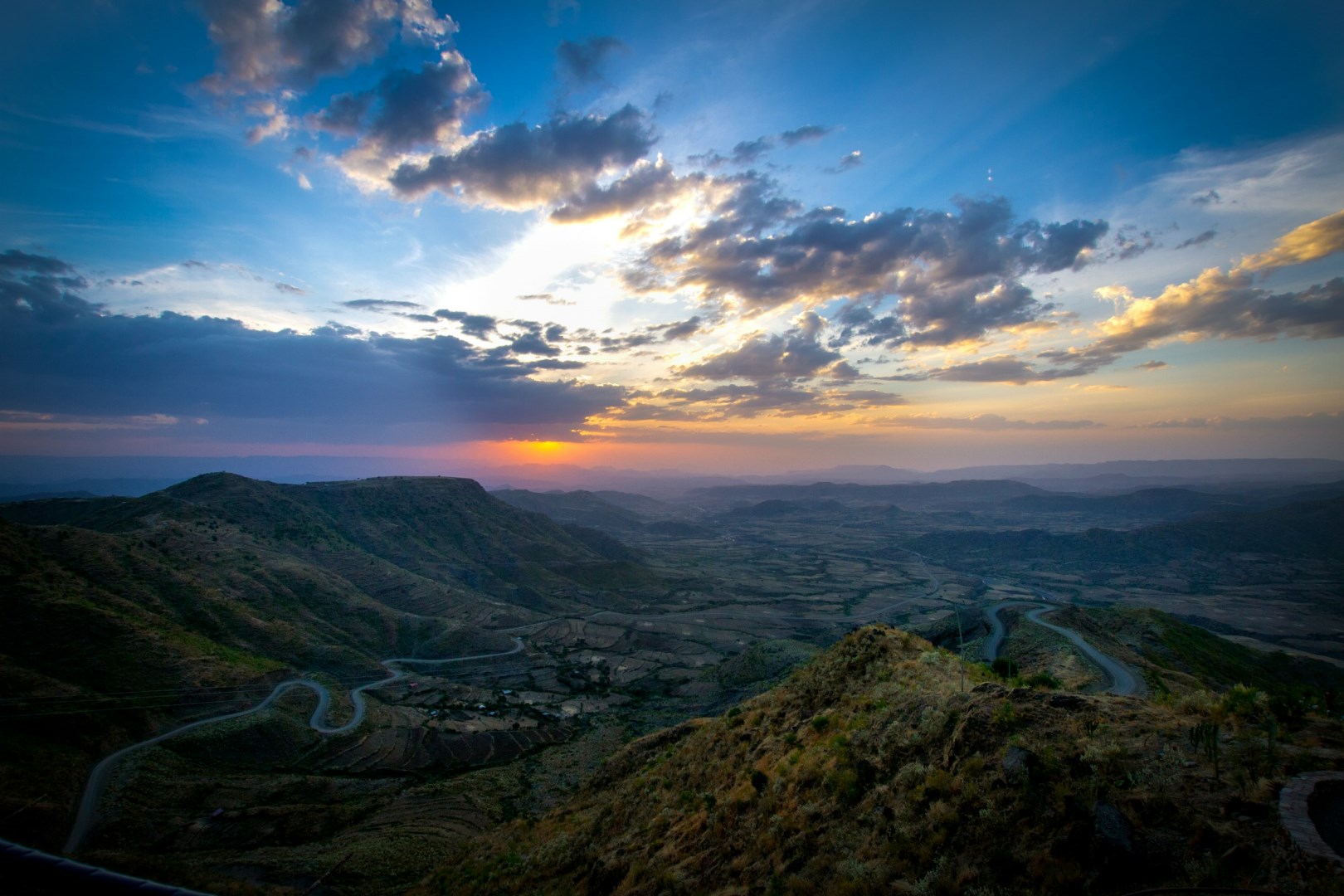
Lalibela is the name of the township which King Lalibela, later canonized, ruled in the 12th century. At his command, eleven monolithic churches were hewn out of living rock. The churches are unique because they are not carved into rock but were freed from it entirely

Kalambaka
Nestled in the heart of Greece's Thessaly region, Kalabaka is a charming town renowned for its striking natural and historical attractions. Most famous for its proximity to the Meteora rock formation, Kalabaka offers a unique blend of geological marvel and spiritual history.