Andringitra National Park
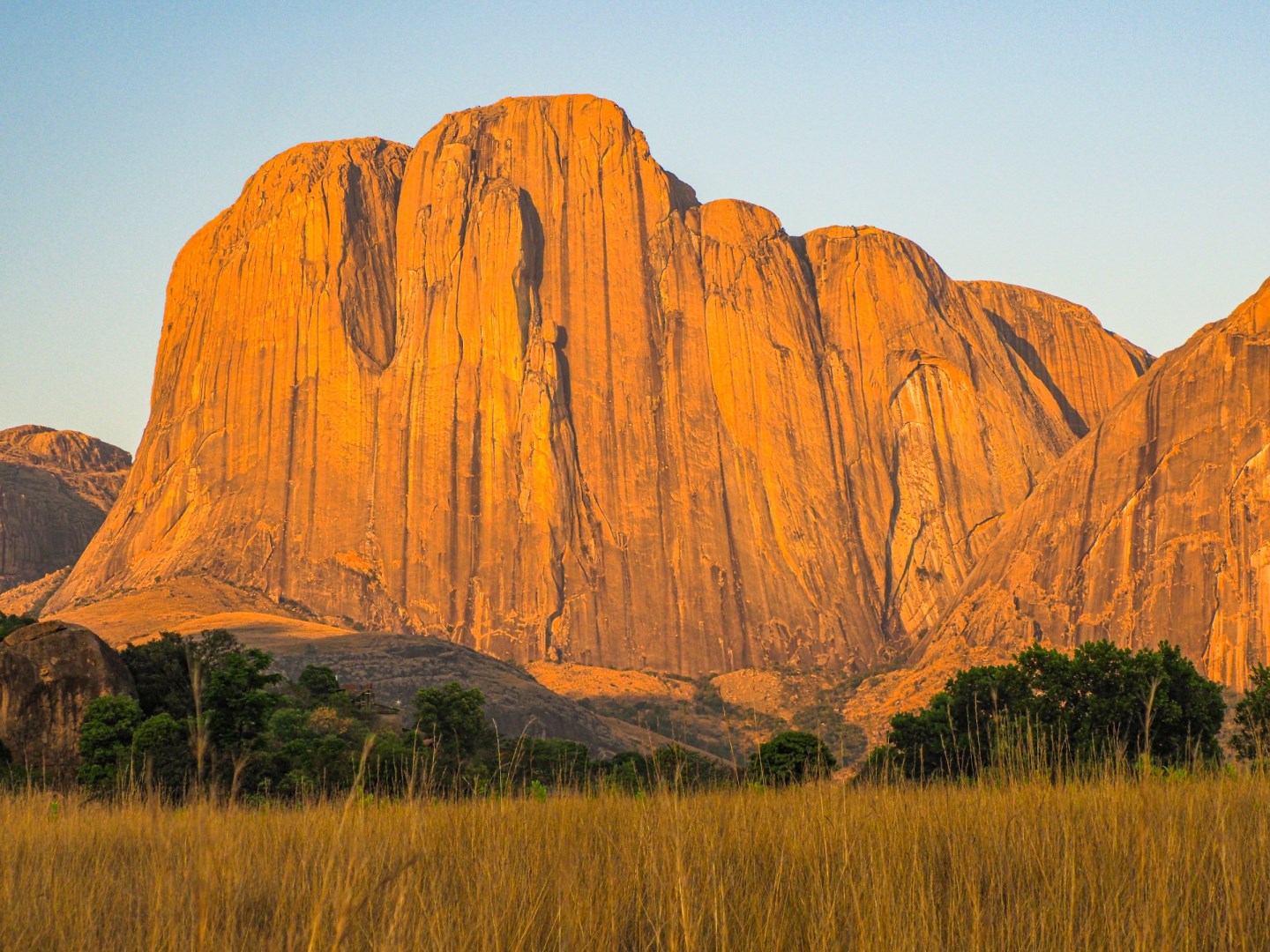
Andringitra National Park lies in southeastern Madagascar across the regions of Haute Matsiatra and Ihorombe, protecting about 31,160 hectares of mountains, valleys, forests, and high-altitude grasslands. The park is part of the Andringitra Massif, where granite ridges and steep cliffs rise above deep valleys. Its elevation creates several distinct environments, ranging from humid forest to exposed mountain vegetation. The park is also part of the UNESCO-listed Rainforests of the Atsinanana.
Ifrane
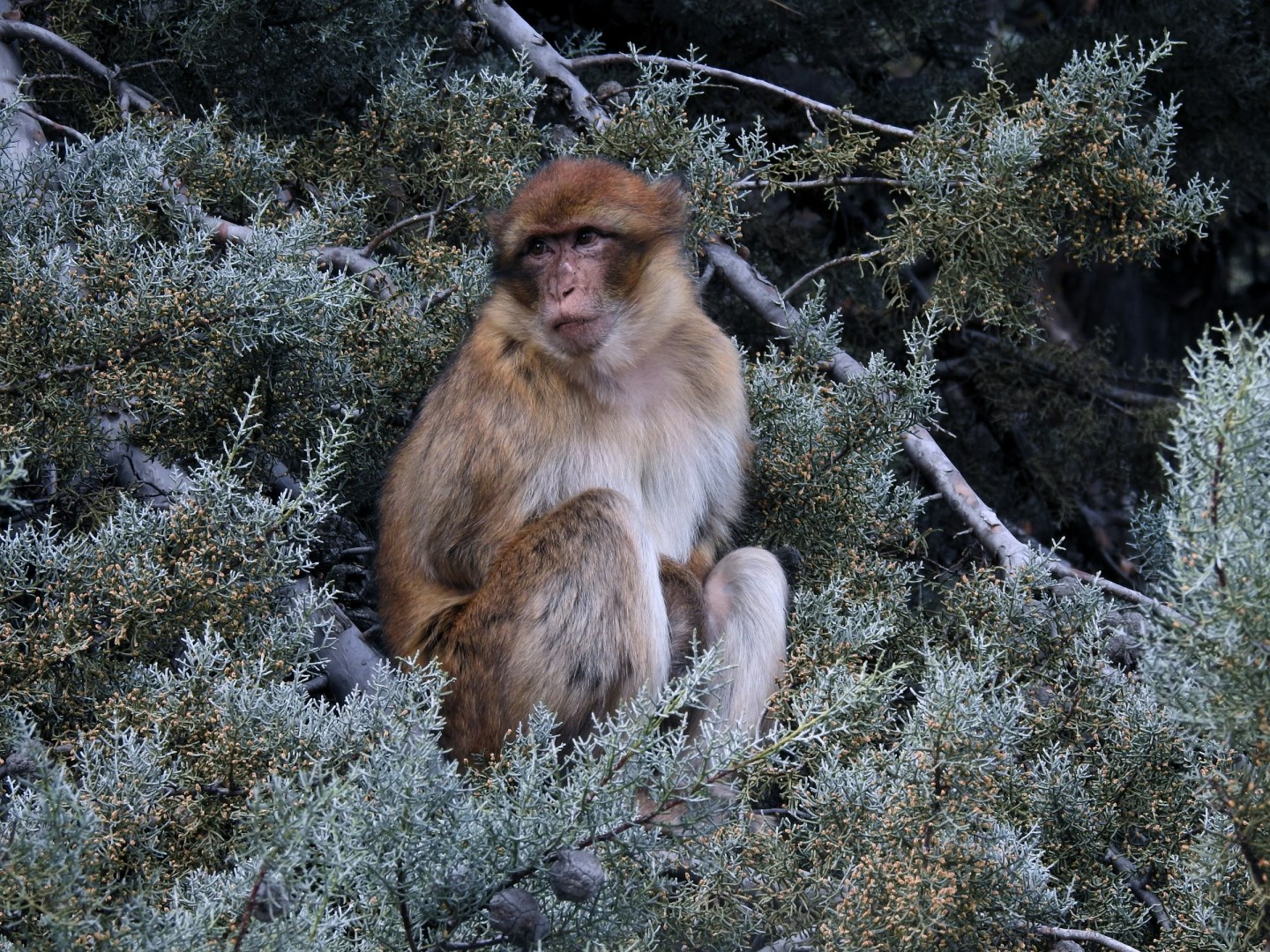
Ifrane is a mountain city in Morocco’s Middle Atlas, set at about 1,650 metres above sea level between Fez and Meknes. Its high elevation gives it a cooler climate than many Moroccan cities, with regular winter snowfall and mild summers.

Agra
Once the capital of the Mughal Empire, Agra, India is now a cultural capital replete with famous landmarks and striking architecture. The city’s most prominent draw is the magnificent Taj Mahal, the iconic white marble mausoleum and a UNESCO World Heritage Site visited by millions of people each year.

Seoul
Seoul, the capital of South Korea, is a city where history and modernity coexist. Ancient palaces like Gyeongbokgung and Changdeokgung stand amid skyscrapers and contemporary architecture, offering a glimpse into the country’s rich heritage. The city’s neighborhoods, from Insadong’s traditional streets to Gangnam’s sleek districts, showcase its cultural and economic diversity.
Suriname
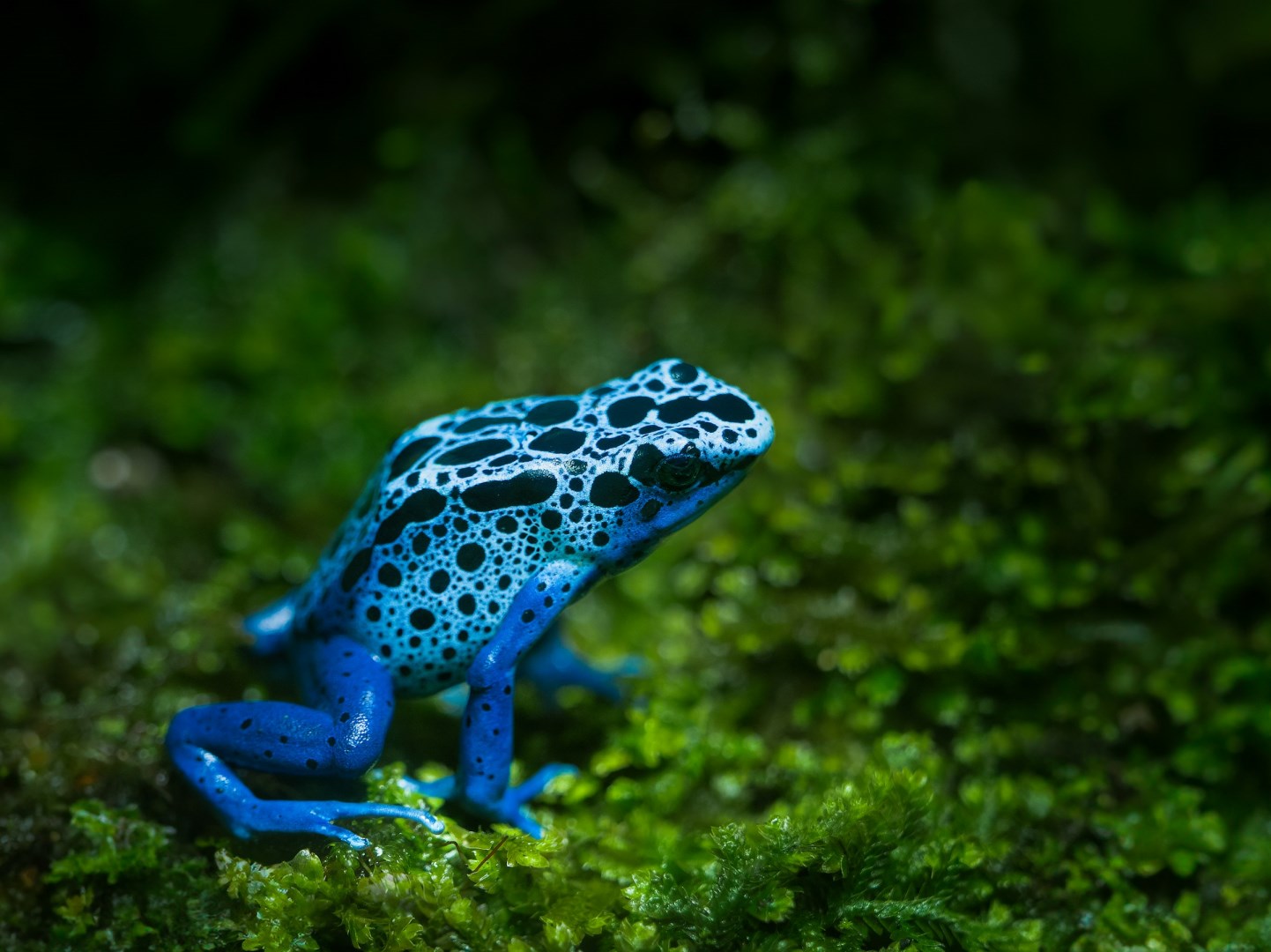
Suriname’s forests cover more than nine‑tenths of the country and house an astounding array of wildlife. The Central Suriname Nature Reserve, one of the largest rainforest sanctuaries on Earth, shelters jaguars, giant river otters, and hundreds of bird species. Nearer the capital, Brownsberg Nature Park offers forest trails and waterfalls amid 1,450 plant and 350 bird species, just a short drive from Paramaribo.