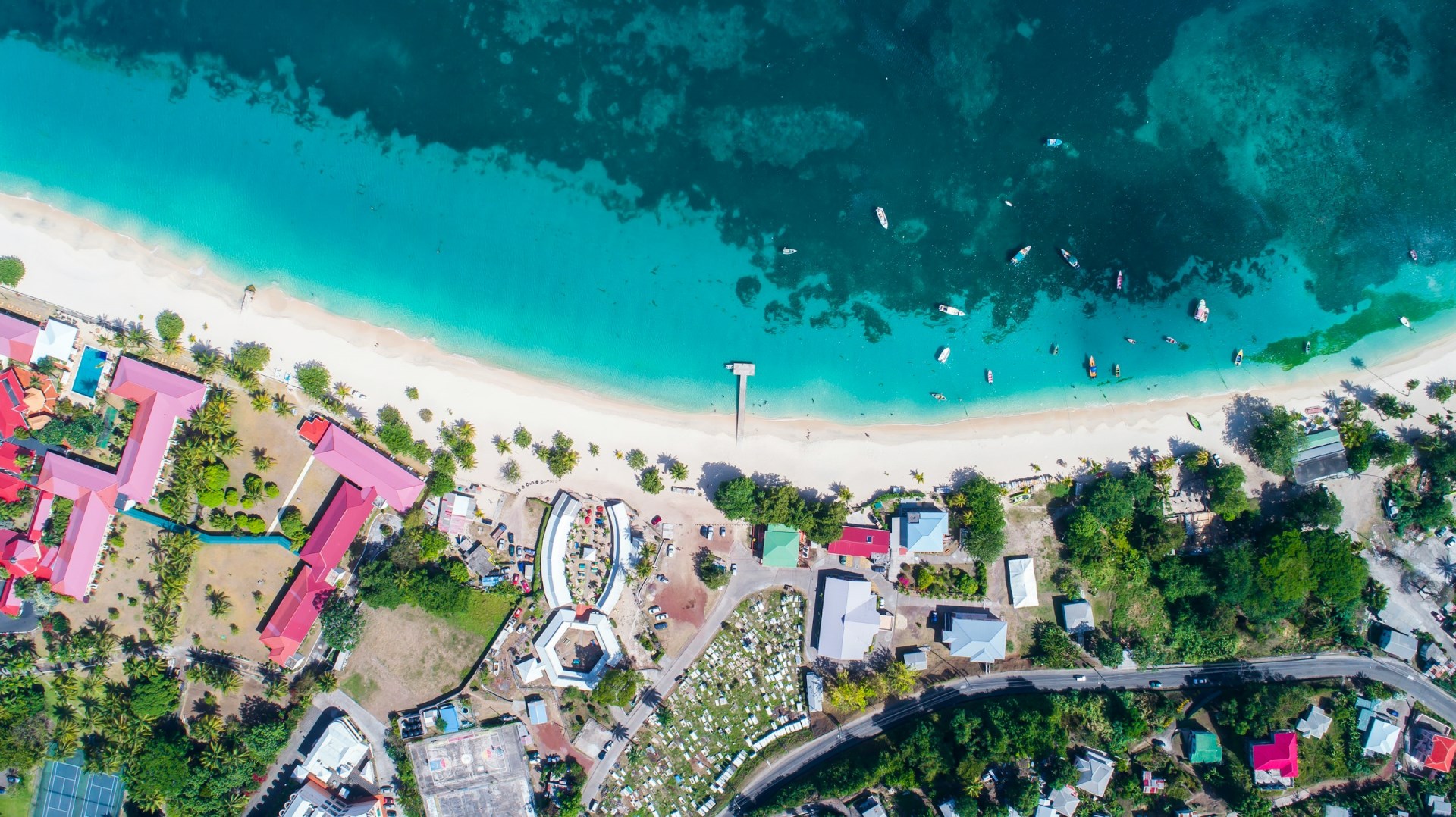
Grand Anse Beach
Grand Anse Beach is a long crescent of pale sand on the southwestern coast of Grenada, overlooking the Caribbean Sea. The beach stretches for roughly three kilometres and is backed by hotels, guesthouses, restaurants, shops, and residential areas, while much of the shoreline remains open for public use. Its sheltered position creates generally calm, clear water that is suitable for swimming and other water activities.

Tan Chau
Tan Chau, located in the Mekong Delta region of Vietnam, is most well-known for its exclusive silk production, using local materials such as dyes made from the mac nua (Diospyros mollis) fruit.
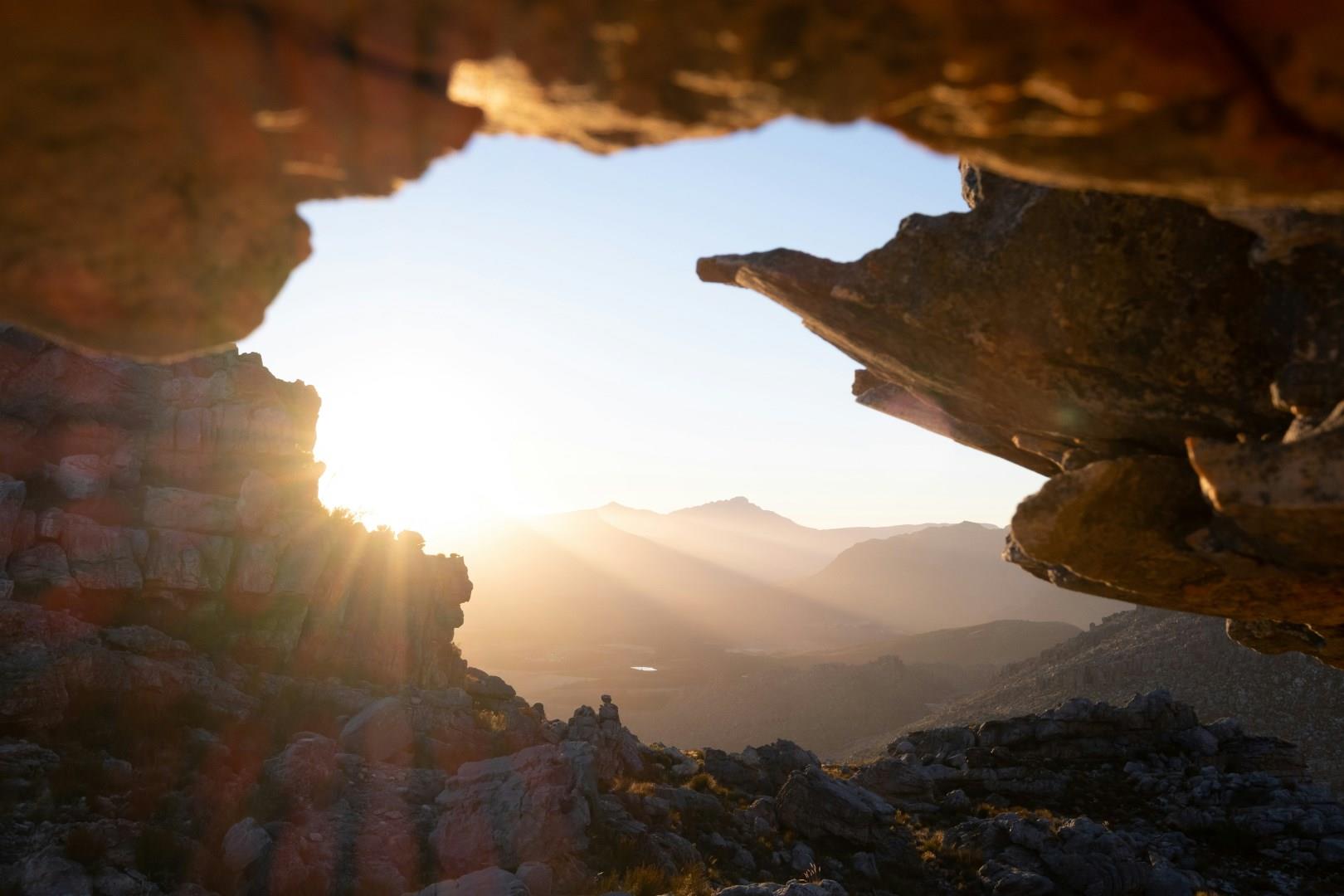
Cederberg
The Cederberg region in the Western Cape of South Africa is a striking land of rocky ridges, wide skies, and quiet valleys. Less than three hours’ drive from Cape Town, the jagged sandstone mountains rise in shapes that seem carved by giants, and shady kloofs hide wonders like ancient rock art that tell stories from thousands of years ago. Hikes to natural landmarks like Wolfberg Arch and the Maltese Cross take visitors deep into terrain shaped by time.
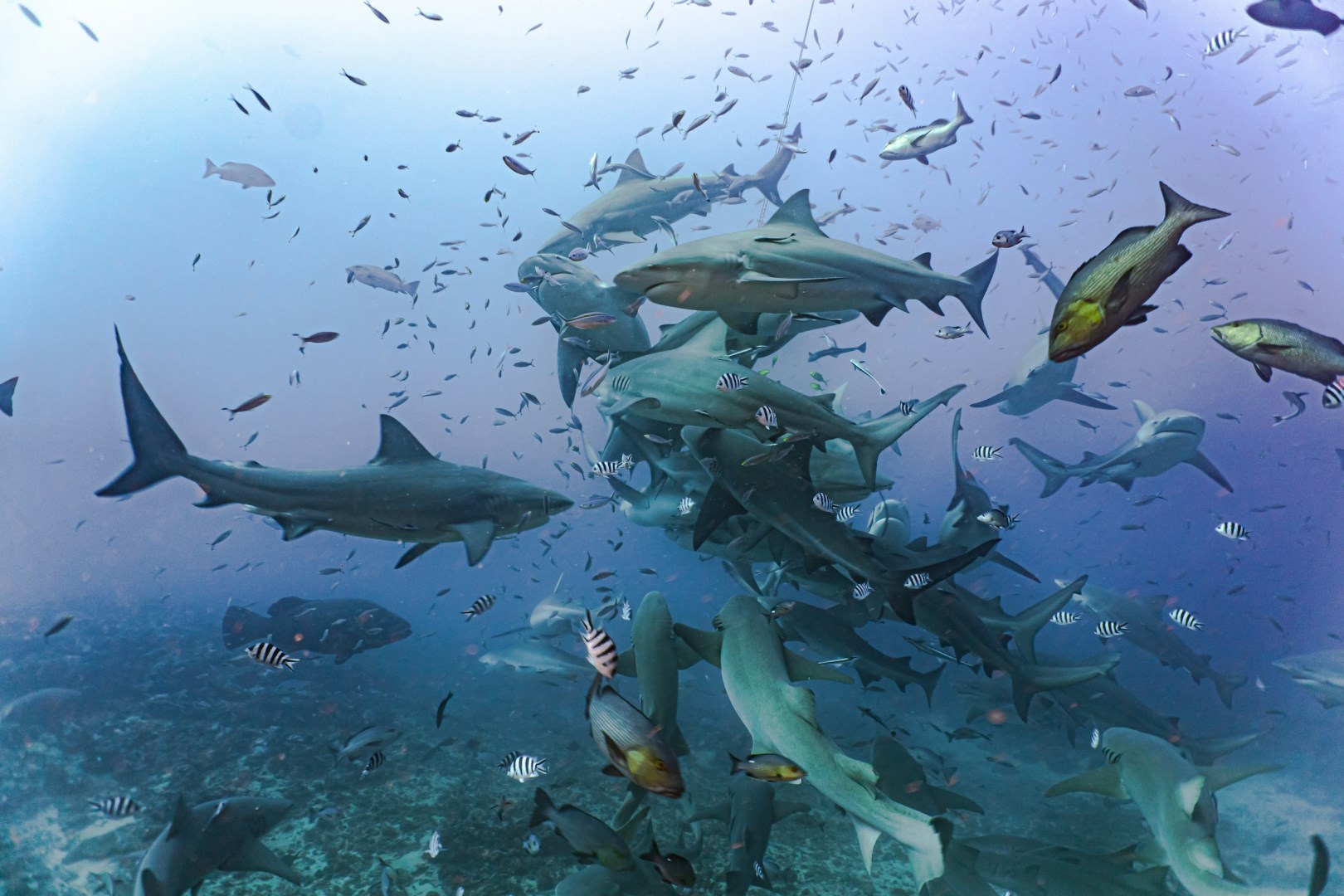
Pacific Harbour
Pacific Harbour, located on the southern coast of Viti Levu in Fiji, is known as the country’s “Adventure Capital.” Once envisioned as a luxury resort community, it has evolved into a dynamic destination that blends tropical relaxation with outdoor excitement.

Bernkastel
Timbered homes and winemaking are some of the defining characteristics of Bernkastel-Kues.