Agropoli
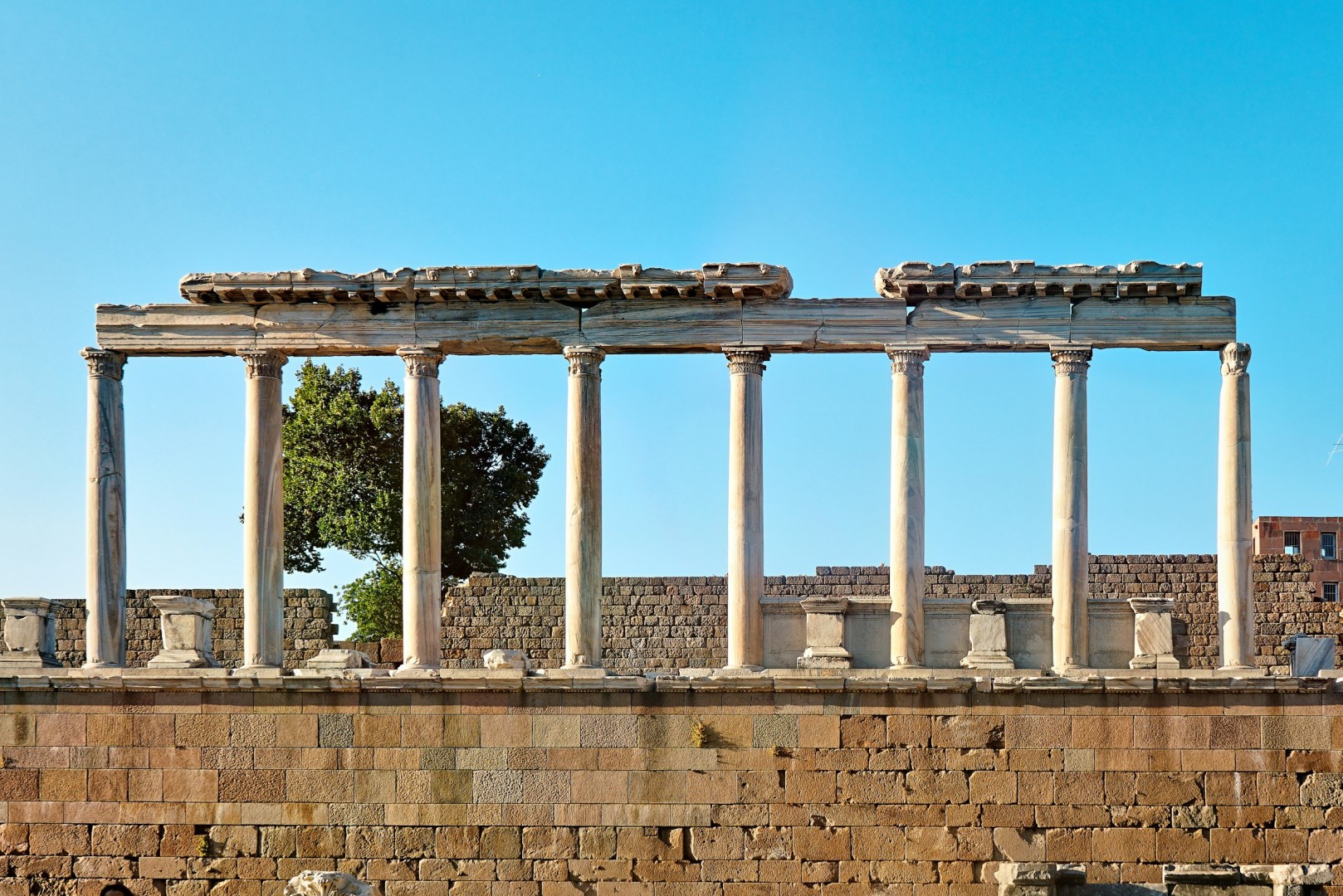
Agropoli is a coastal town in Campania’s Cilento area, built around a rocky promontory overlooking the Tyrrhenian Sea. Its historic center rises above the waterfront and is reached through the Porta di Agropoli, a stone gateway leading into a network of narrow lanes and steps. The town combines a working harbor and beaches with an elevated old quarter, creating a landscape shaped by both maritime activity and hilltop settlement.
Oklahoma
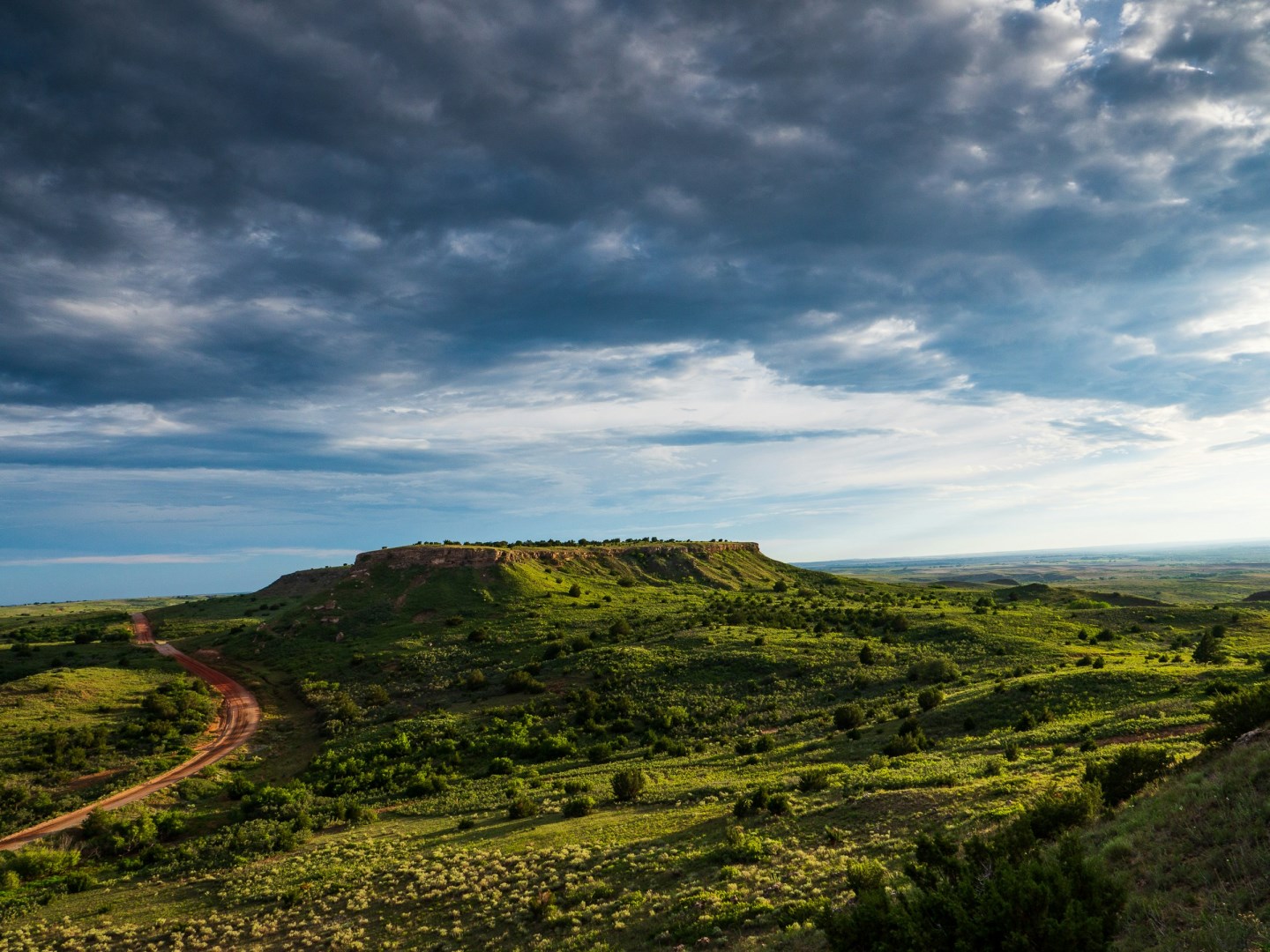
Oklahoma offers a deep, unexpected travel experience shaped by wide-open skies, rich tribal history, and a music legacy that runs through jukeboxes and dance halls. In Oklahoma City, the National Cowboy & Western Heritage Museum showcases the art, artifacts, and grit of the American West. At Mount Scott, visitors can drive to the summit for panoramic views or spot bison grazing below. It’s a place where the sound of the wind and the crunch of gravel underfoot replace the noise of daily life.

Jodhpur
Jodhpur, often called the "Blue City" of India, is located on the edge of the Thar Desert in the state of Rajasthan. The city is famous for the blue-painted houses in its old quarter, which create a striking contrast against the golden hue of the desert landscape.
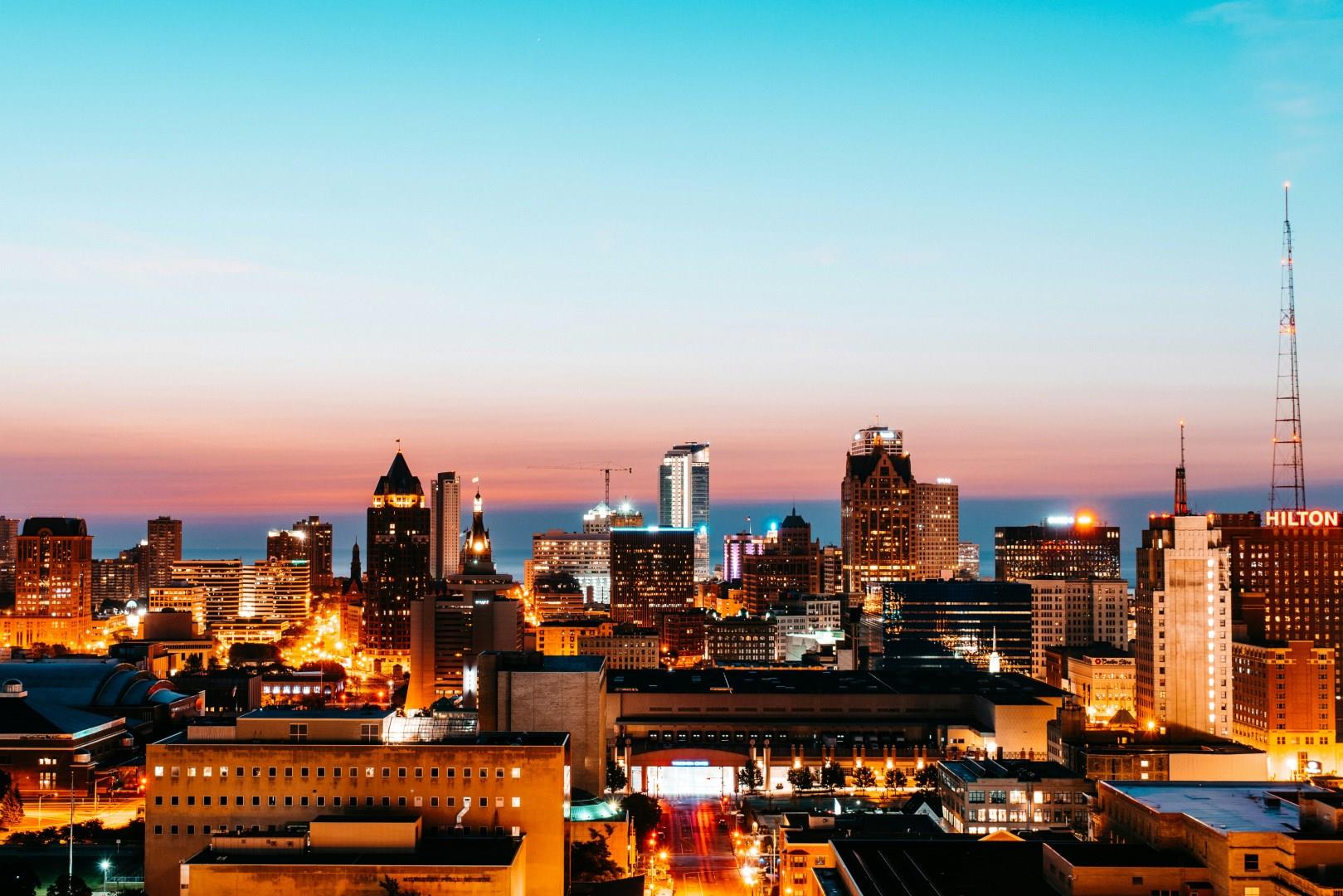
Milwaukee
Milwaukee is a city where the echoes of its brewing past mingle with vibrant arts and cultural scenes today. Known worldwide for its beer heritage, visitors can explore the Harley-Davidson Museum and then head to the historic breweries that shaped the city’s identity. The Milwaukee Public Market offers a lively food hall experience with fresh local fare, from artisanal cheeses to inventive craft beers, capturing the city’s deep-rooted love for bold flavors and innovation.

Dawson City
Located in the western part of the Yukon Territory Province of Canada, this area is on the Yukon River and famous as the gold mining area of the great Gold Rush. It is still an active mining area and also a popular tourist attraction as it has retained much of the look from the gold rush era.