United Arab Emirates
The United Arab Emirates rolls history and invention into a seamless experience. In Abu Dhabi, the Sheikh Zayed Grand Mosque stands out with its reflective pools, marble columns inlaid with floral patterns, and the world’s largest hand-knotted carpet beneath domes that glow by night. On Saadiyat Island, the Louvre Abu Dhabi shelters art that spans civilizations, all beneath a dome designed to scatter sunlight like palm fronds.
Ko Lipe
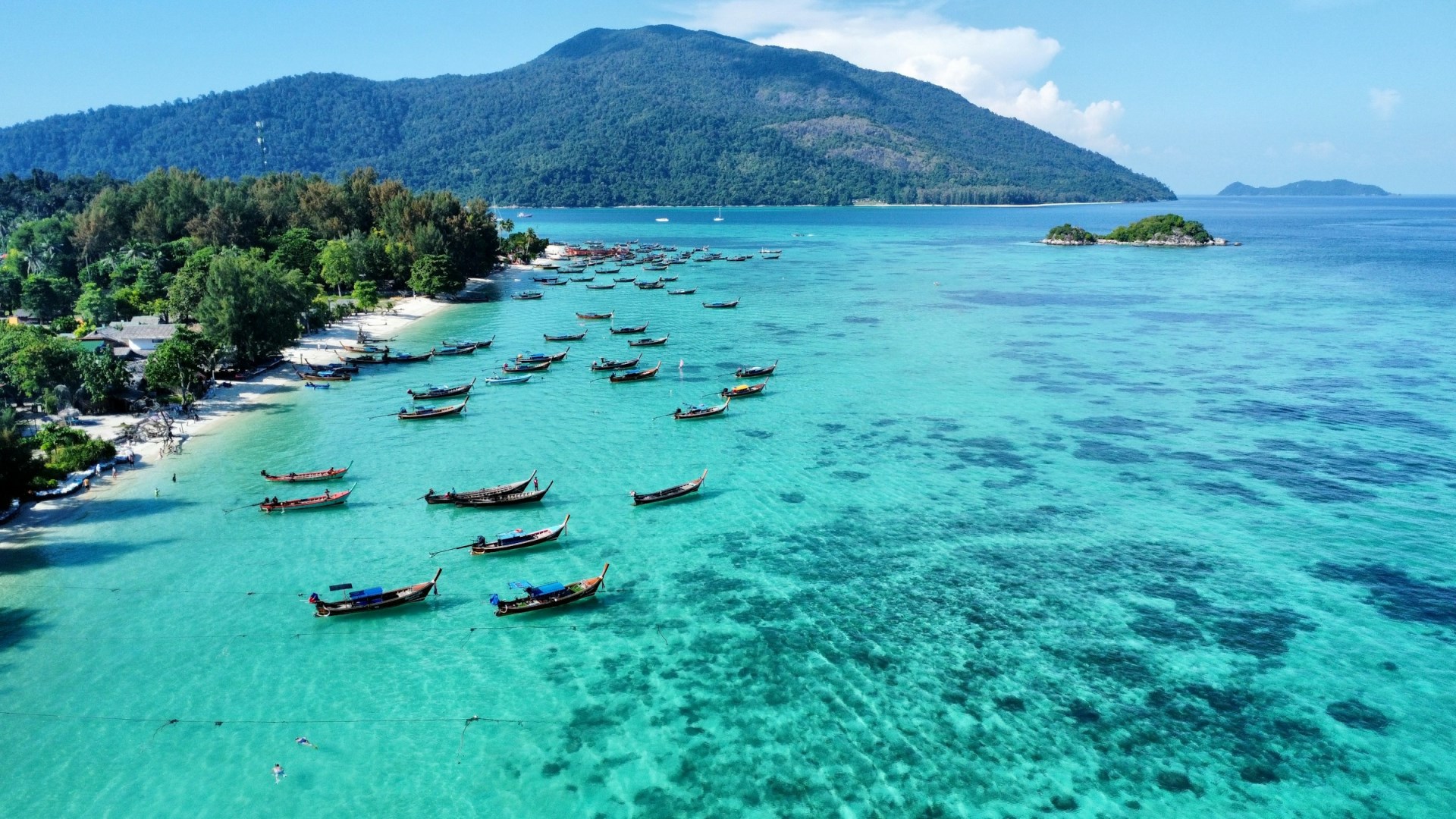
Koh Lipe is a small island in Satun Province in southern Thailand, located in the Andaman Sea near the Malaysian border. It forms part of the Tarutao National Marine Park and is surrounded by clear coastal waters, coral reefs, and smaller islands. The island is known for its sandy beaches, shallow bays, and compact village area, where most places can be reached on foot.
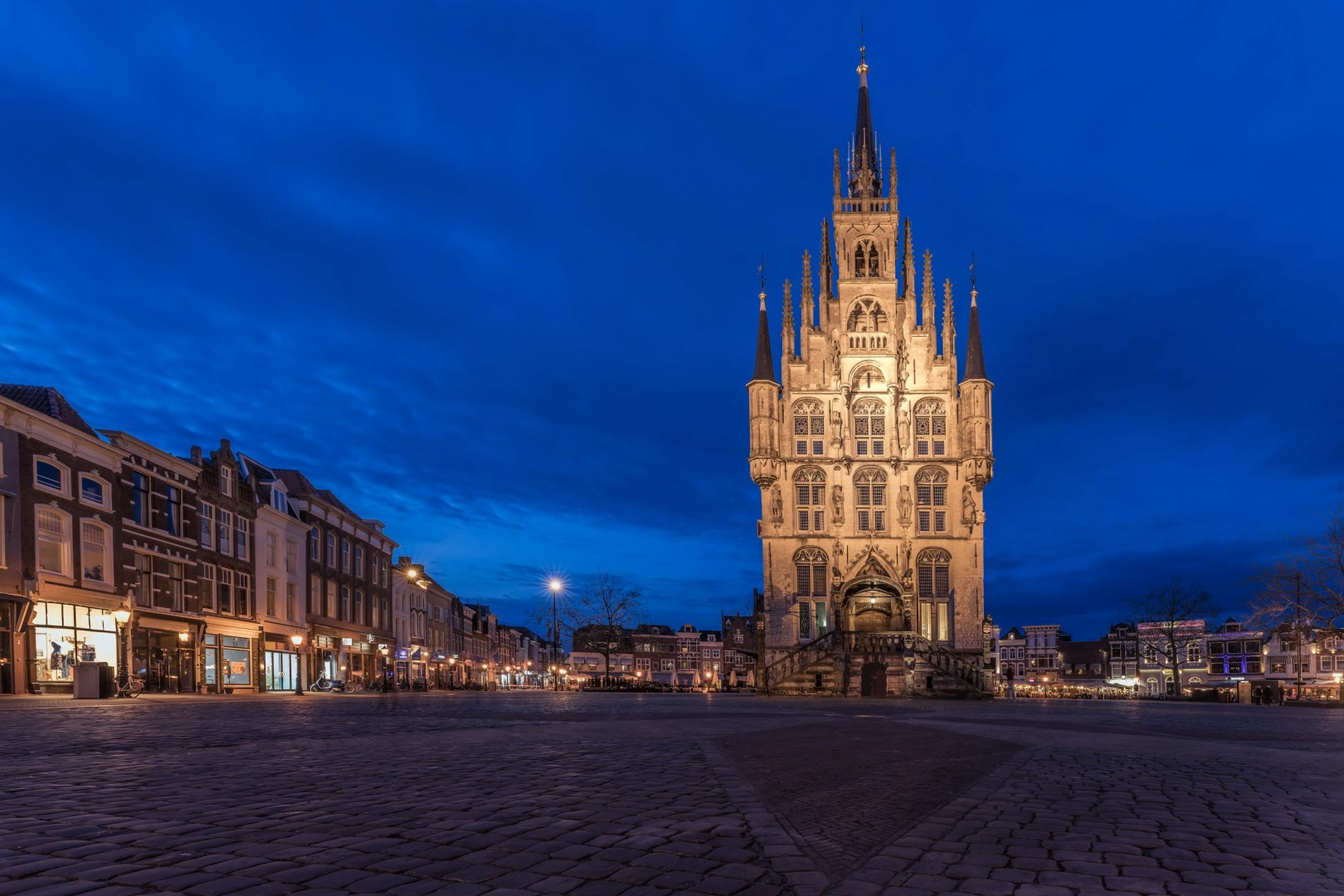
Gouda
Gouda is a historic city in South Holland, situated where the Gouwe and Hollandse IJssel waterways meet. Its compact center is known for canals, brick houses, bridges, and a network of narrow streets surrounding the Markt, one of the Netherlands’ largest historic town squares. The Gothic St. John’s Church dominates the square and is particularly notable for its extensive collection of stained-glass windows.
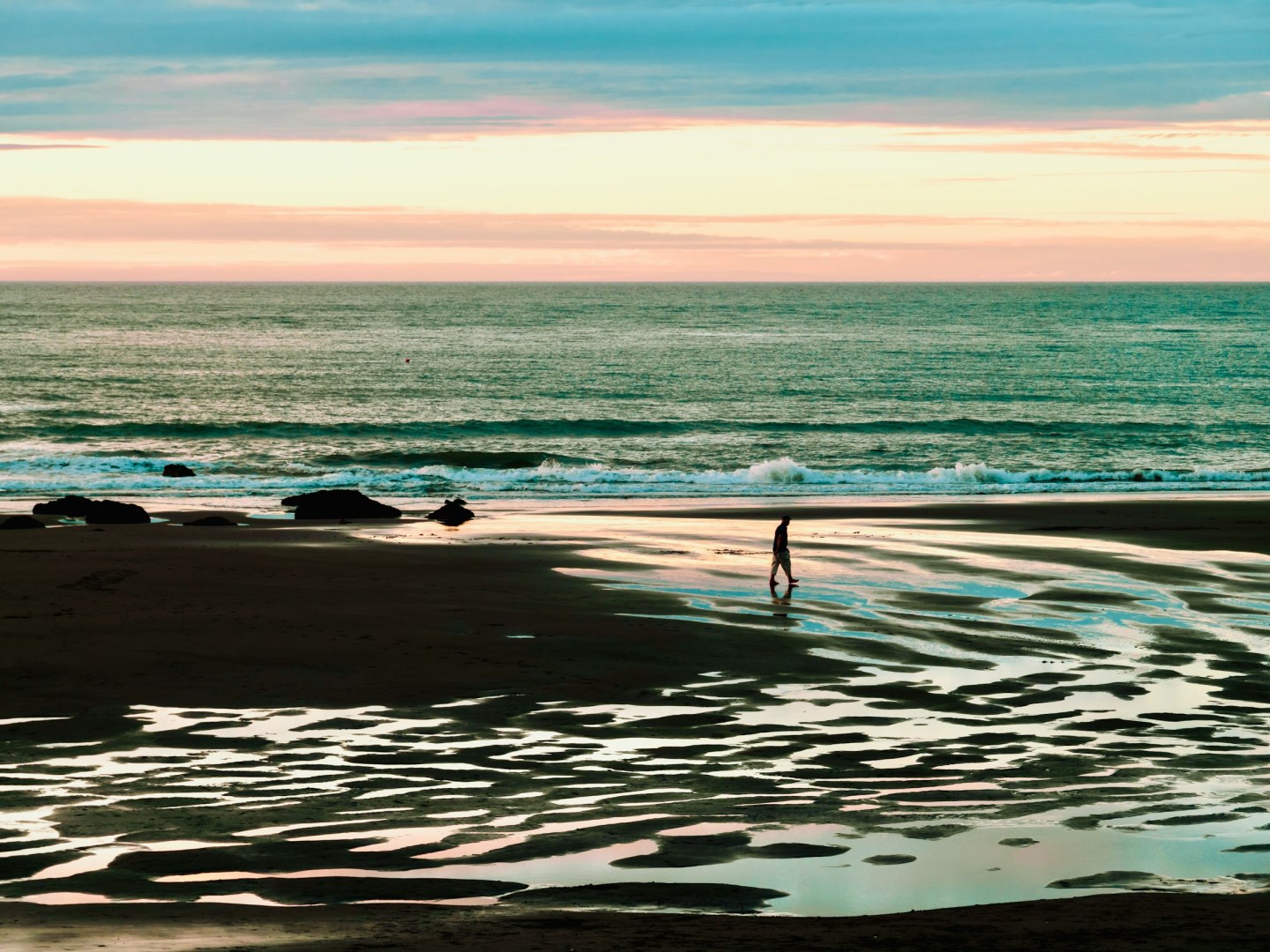
New Plymouth
New Plymouth is a coastal city on the western side of New Zealand’s North Island, facing the Tasman Sea beneath the volcanic cone of Taranaki Maunga.
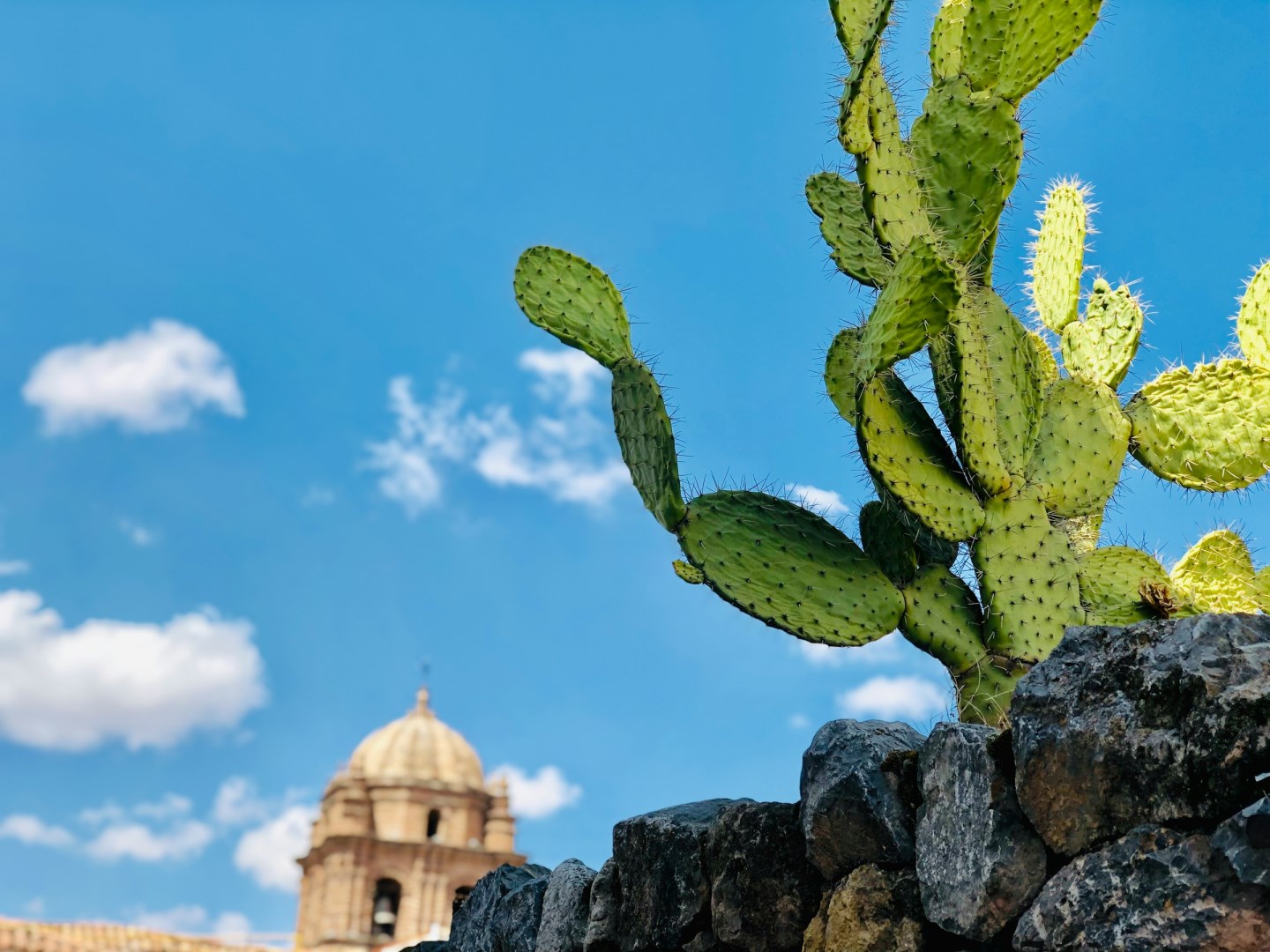
Cusco
Cusco once served as the heart of the Inca Empire, and that legacy still shapes every corner of the city even as it serves as a gateway to Machu Picchu. Outside the historic center, the ruins of Sacsayhuamán overlook the city from a nearby hilltop. This ceremonial complex is best known for its massive zigzag stone walls, some weighing over 100 tons. During the Inti Raymi festival in June, thousands gather here to reenact ancient Andean rituals.