Canmore
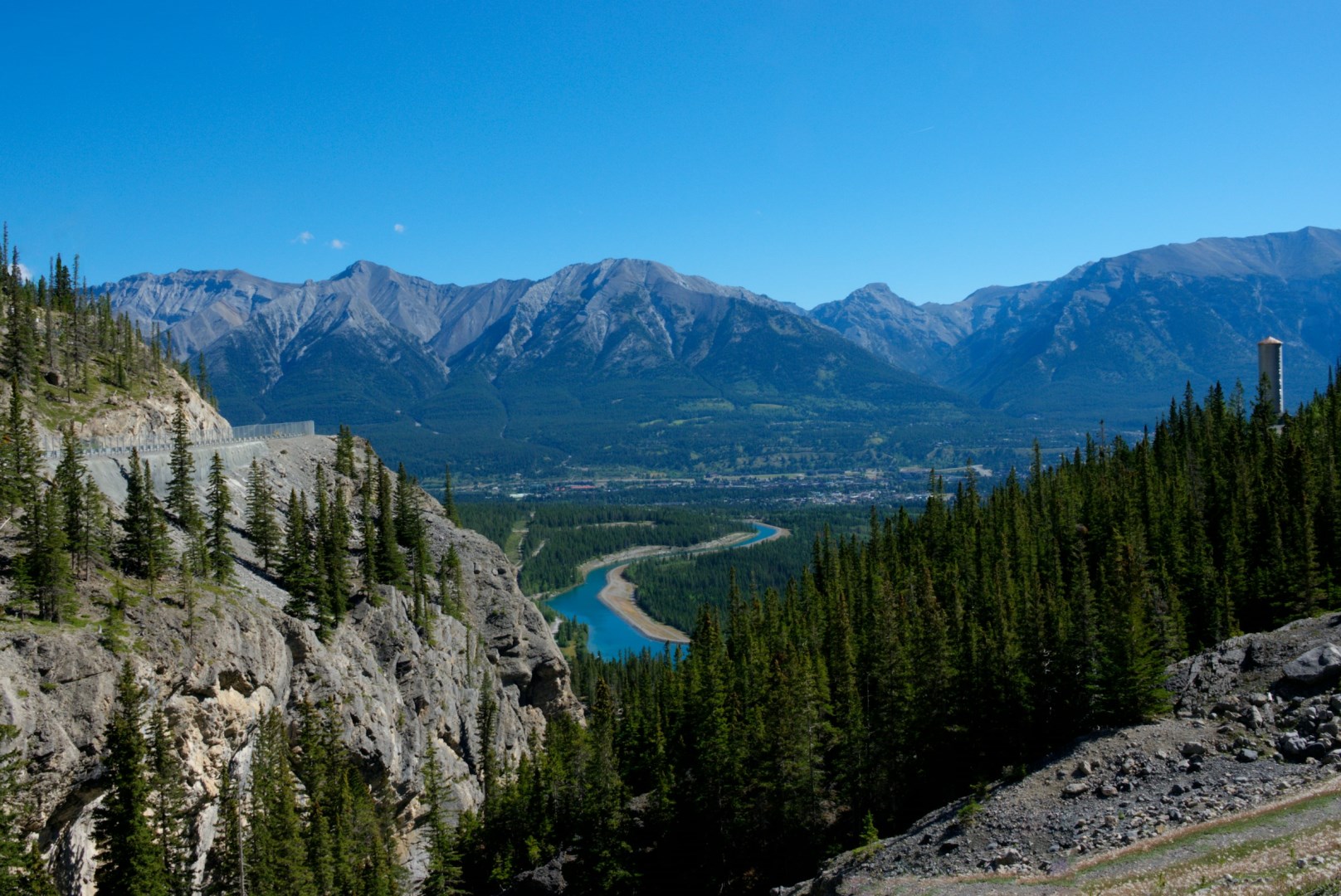
Canmore is a mountain town in Alberta’s Bow Valley, surrounded by the peaks of the Canadian Rockies and located just outside Banff National Park. The town sits beside the Bow River, with the Three Sisters, Ha Ling Peak, and Mount Lawrence Grassi forming prominent landmarks around the valley. Canmore developed from a coal-mining and railway community into a center for outdoor recreation, arts, and local business.
Arugam Bay Beach
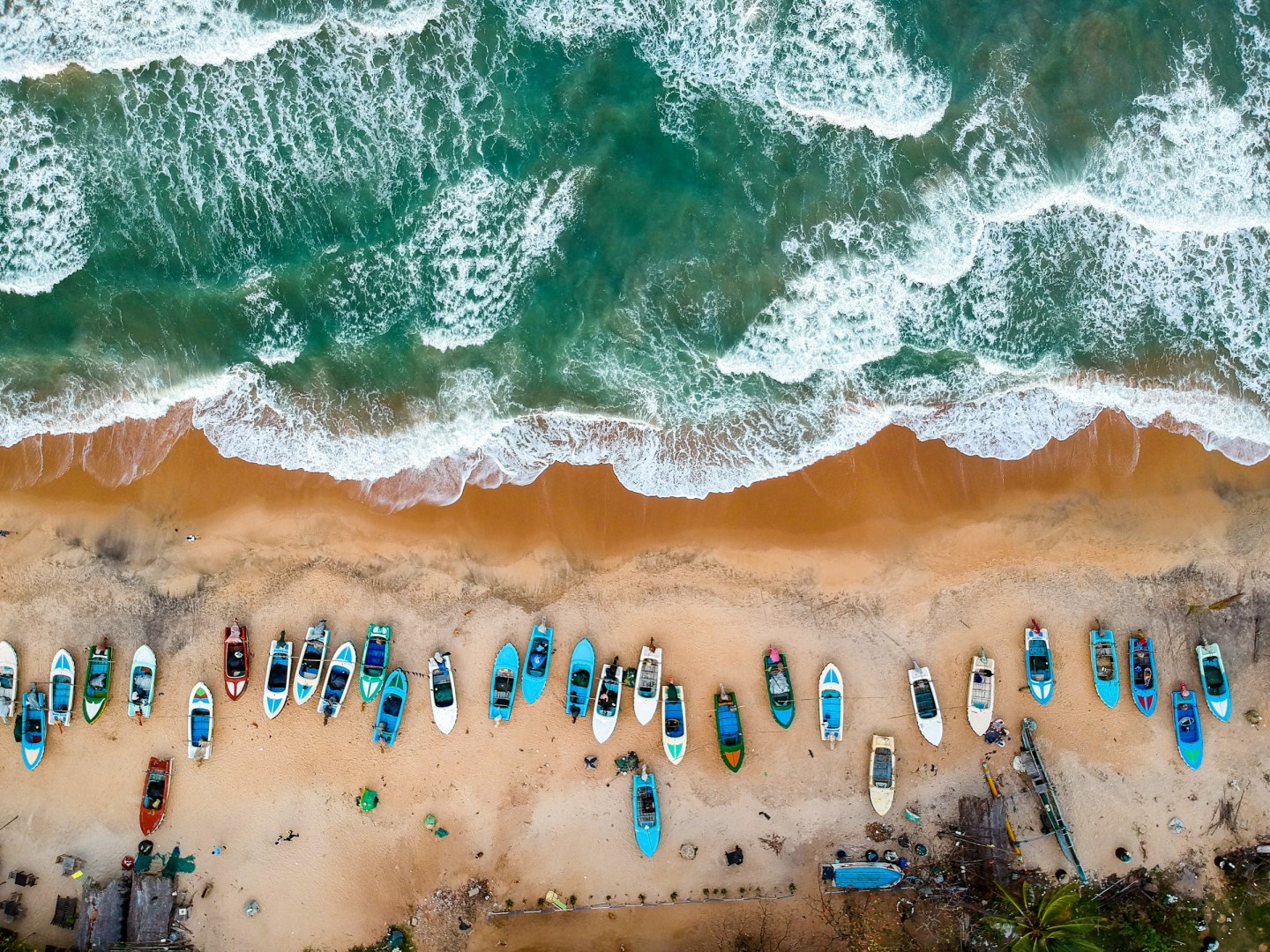
Arugam Bay Beach is a coastal destination on Sri Lanka’s eastern shore, near the town of Pottuvil. Its wide sandy beach curves around a sheltered bay, with low vegetation, lagoons, and wetlands extending inland. Arugam Bay is best known for surfing, particularly for its long right-hand waves and the main break commonly called Main Point. The coastline has a more relaxed, low-rise character than many of Sri Lanka’s developed beach areas, with small hotels, cafés, surf schools, and guesthouses spr

Concepción
The capital of Bio Bio Province, it was founded in 1550 and is Chile's third largest city. It is a major industrial and rail center.

Innsbruck
Located in western Austria, Innsbruck is a charming European destination on the banks of the Inn River. A popular stop for skiing, Innsbruck is nestled within the Alps and offers a variety of cable cars to whisk you to the mountains for outdoor sports and spectacular views of the Innsbruck below.
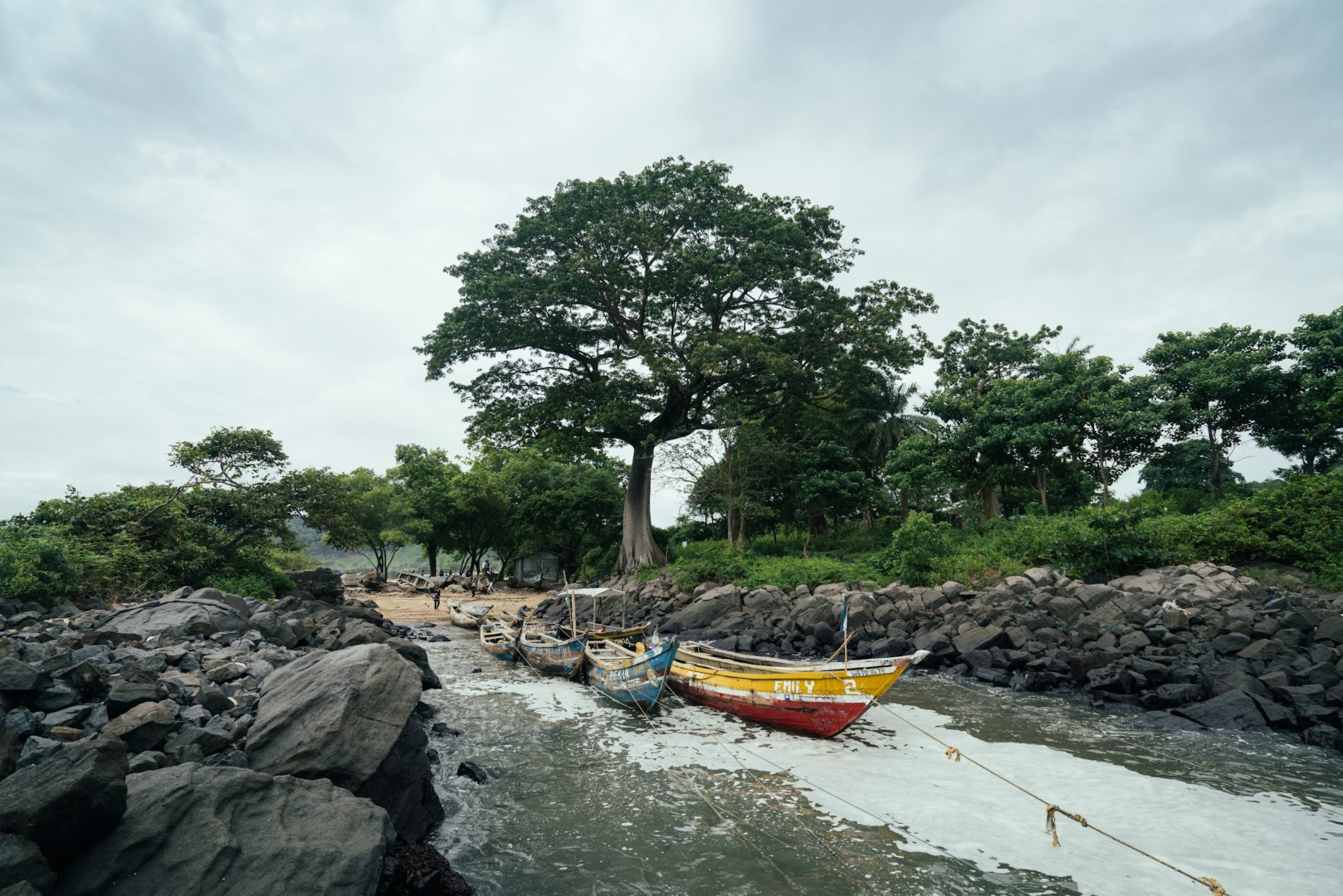
Banana Islands
The Banana Islands are a small group of three islands off the coast of Yawri Bay, southwest of Sierra Leone’s Freetown Peninsula. Dublin and Ricketts are connected by a stone causeway, while smaller Mes-Meheux is uninhabited. The islands combine sandy beaches, tropical forest, fishing settlements, and quiet coastal waters.