Rimouski
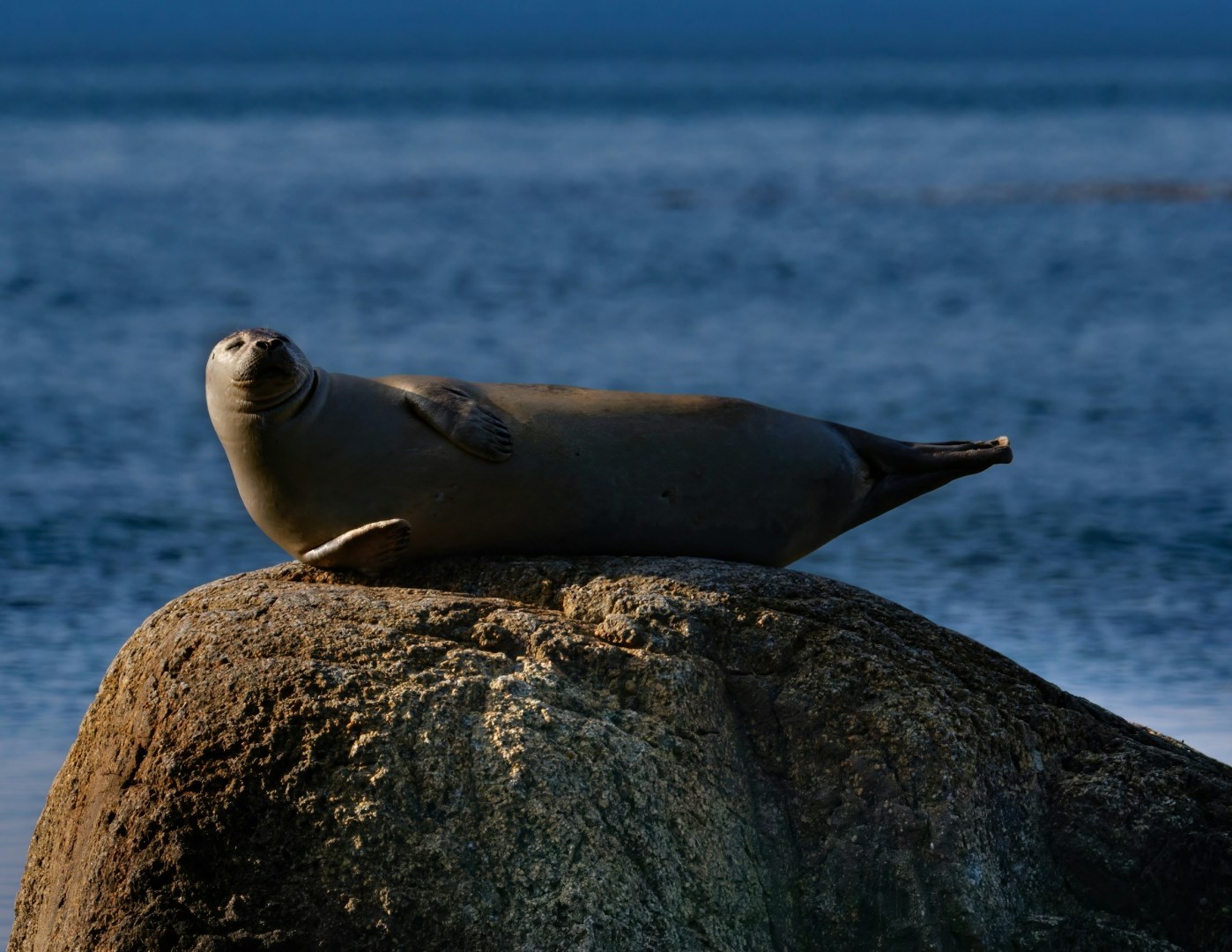
Rimouski is a regional centre on the south shore of the St. Lawrence River in Quebec's Bas-Saint-Laurent region. The city stretches along the river from the Le Bic district to Pointe-au-Père, combining an urban centre with rural landscapes, coastal areas, and forested hills. Its location gives Rimouski a strong maritime character, while nearby parks and waterways provide access to a varied natural environment.
Malolo Island
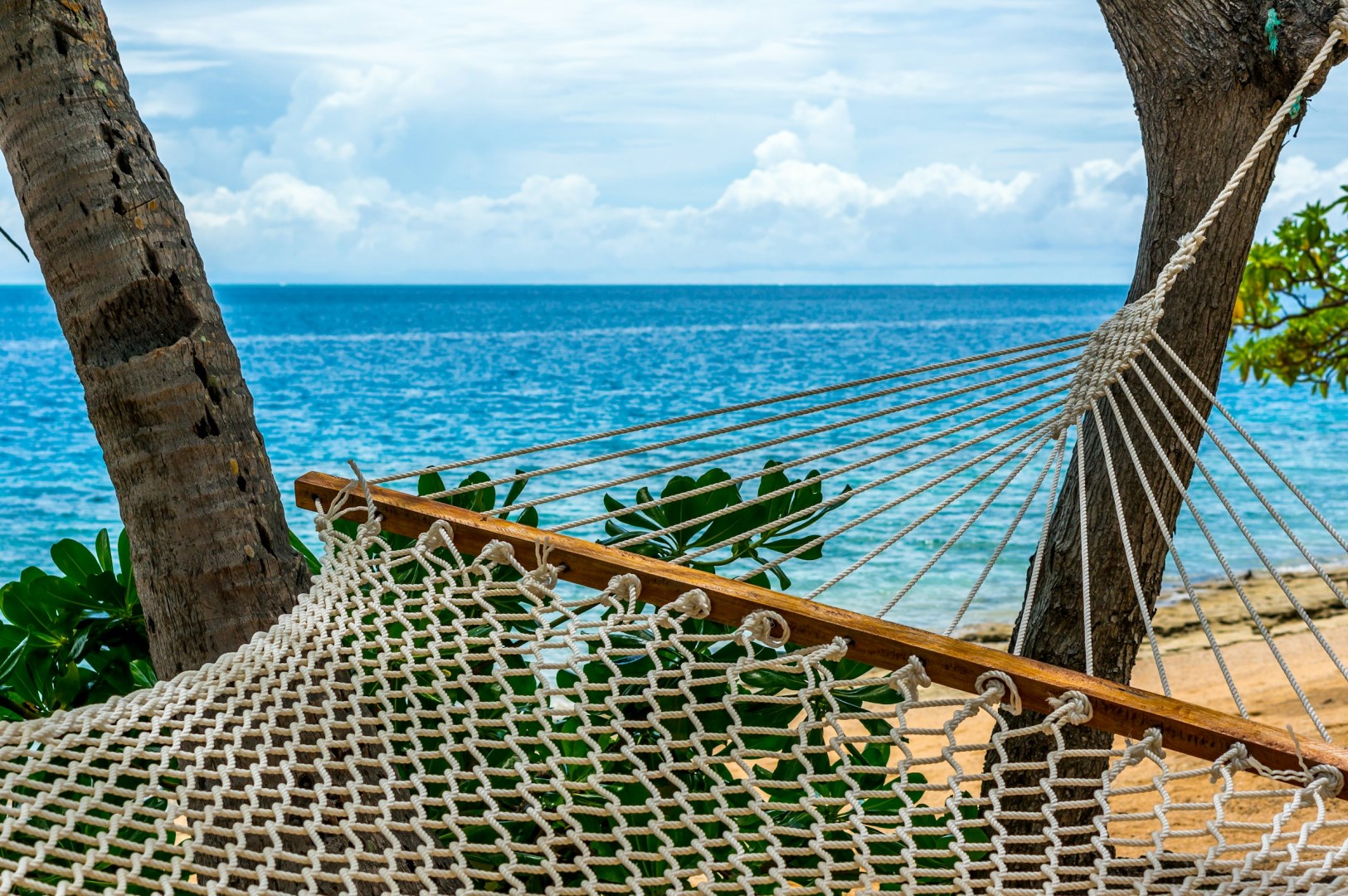
Set among Fiji’s Mamanuca Islands, Malolo Island combines a lush, hilly interior with palm-fringed beaches, clear lagoons, and coral-rich waters. Visitors can spend their days swimming, snorkelling, kayaking, or sailing before settling into the island’s unhurried pace.
Estonia
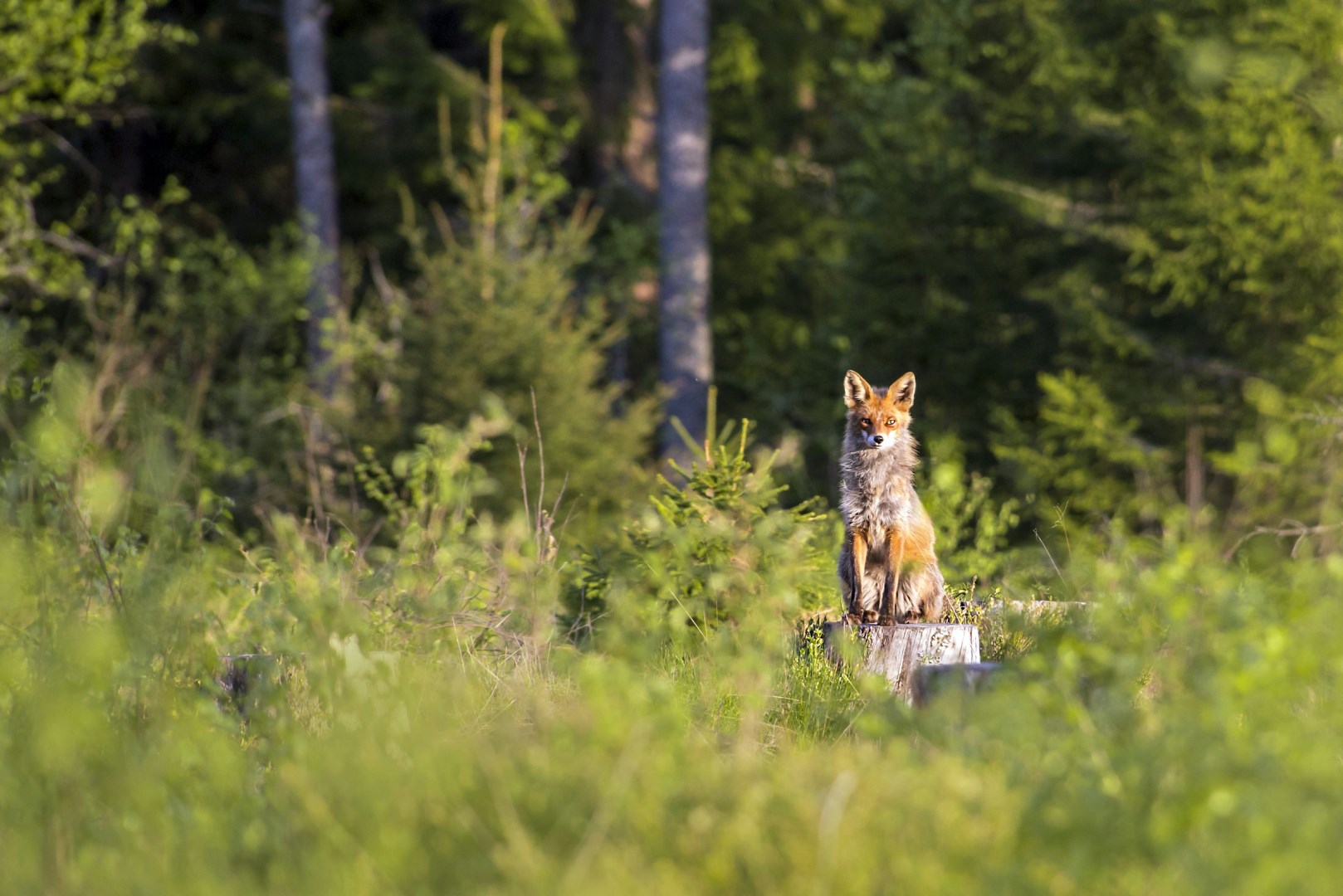
>Estonia, a hidden gem in Northern Europe, boasts a fascinating mix of medieval charm and modern vibrancy. The capital city, Tallinn, is renowned for its well-preserved medieval Old Town, a UNESCO World Heritage Site. Wander through the cobbled streets of the Old Town, where you’ll encounter stunning Gothic architecture, including the impressive Alexander Nevsky Cathedral and the Town Hall, with its ornate spire and charming square.
San Pedro
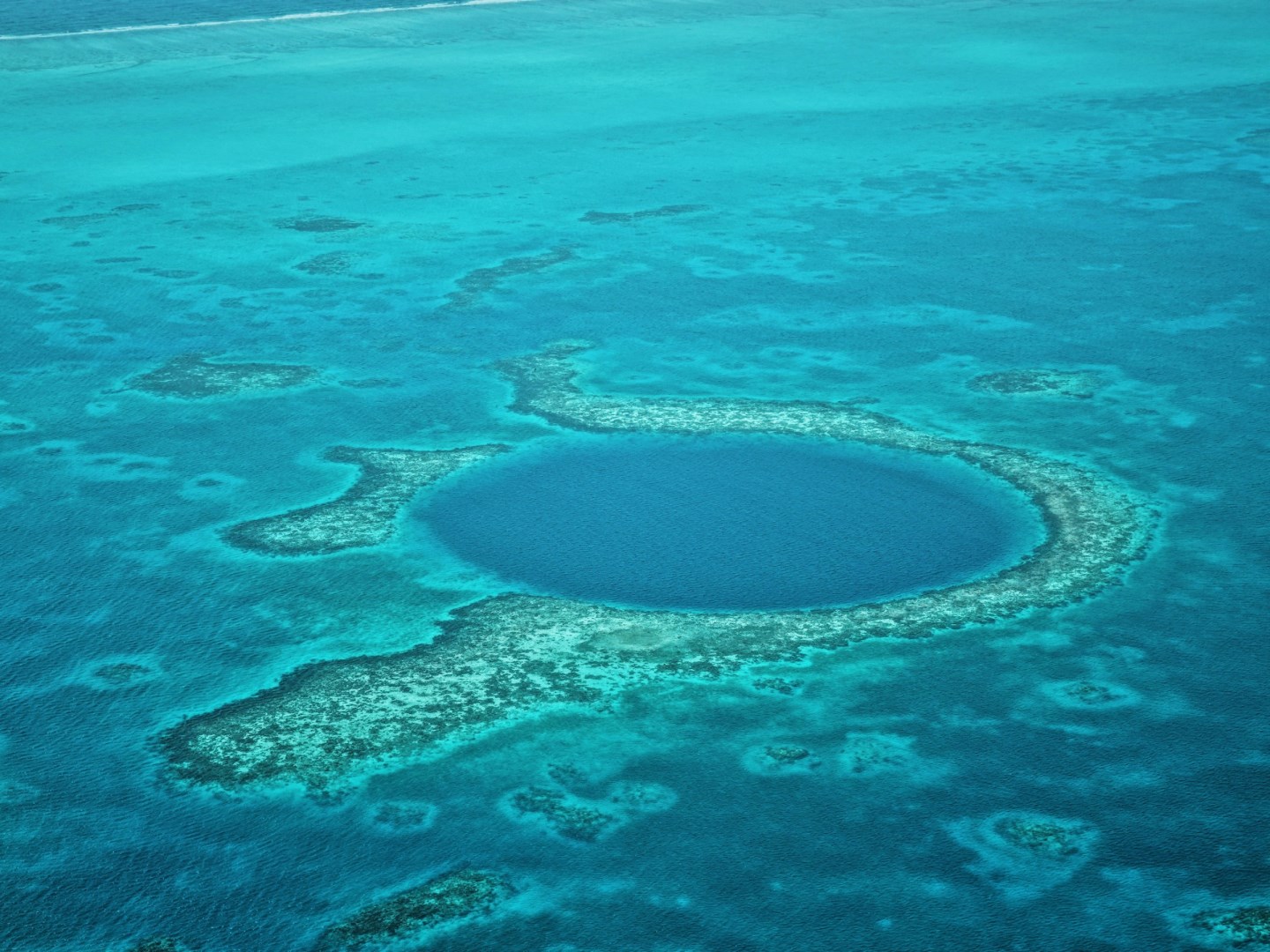
San Pedro is located on the Ambergris Caye and is fifteen minutes by air from Belize City. The are a variety of restaurants, shops and entertainment in San Pedro.
Baños de Agua Santa
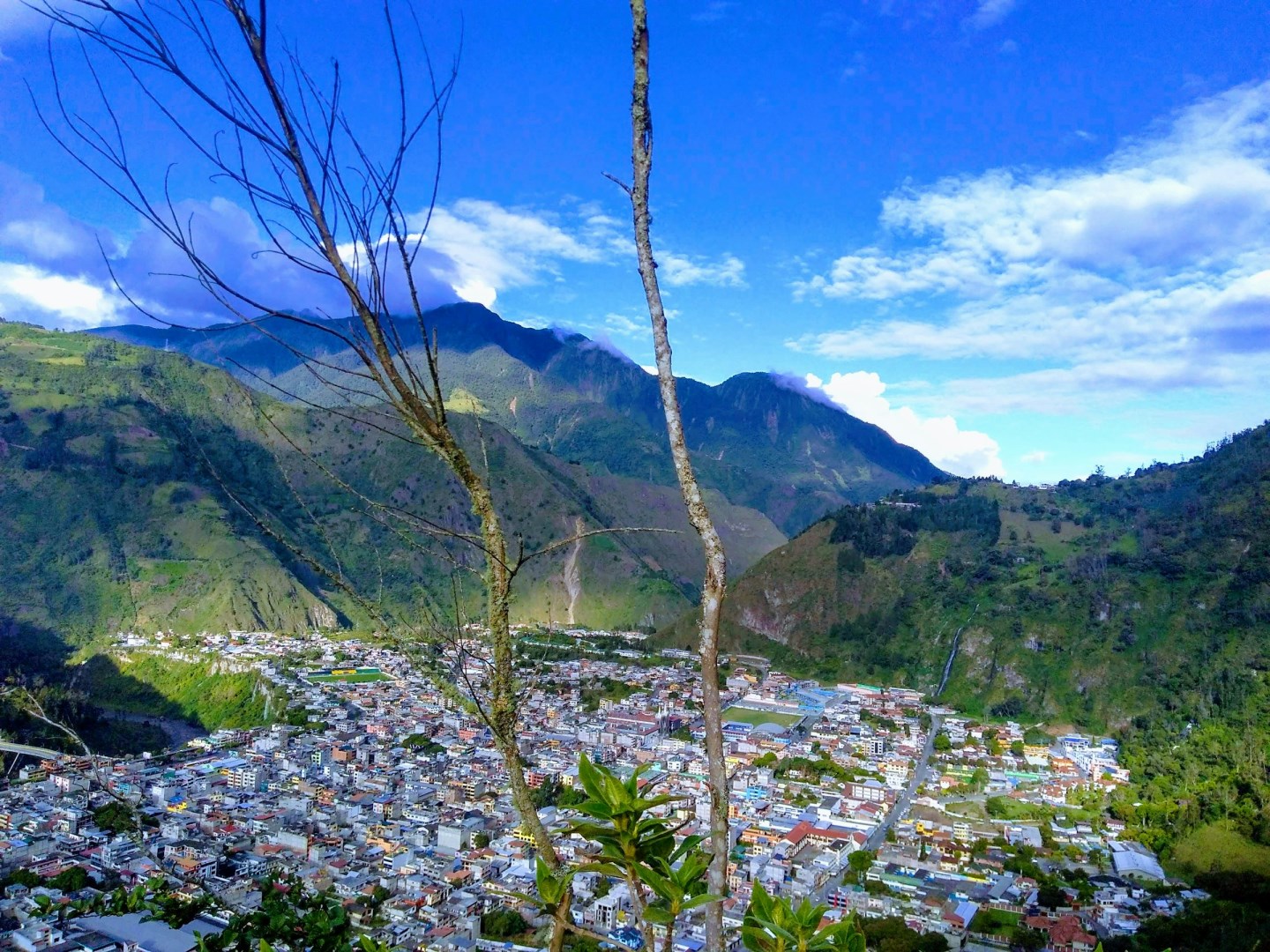
Baños de Agua Santa is a small city in Ecuador's Tungurahua Province, set in a narrow valley on the eastern slopes of the Andes. The city sits beneath the active Tungurahua volcano and is surrounded by steep, green mountains, waterfalls, and forested hills. Its full name refers to the thermal springs that have long been associated with the town. Baños also marks a transition between the high Andes and the warmer Amazon basin, giving the surrounding landscape a mixture of mountain and subtropical