Katmai National Park and Preserve lies along Alaska’s remote Pacific coast, shaped by volcanism, glaciers, and deep time. The area gained prominence after the 1912 Novarupta eruption, one of the largest volcanic events of the 20th century, which transformed the landscape and led to the creation of the Valley of Ten Thousand Smokes.
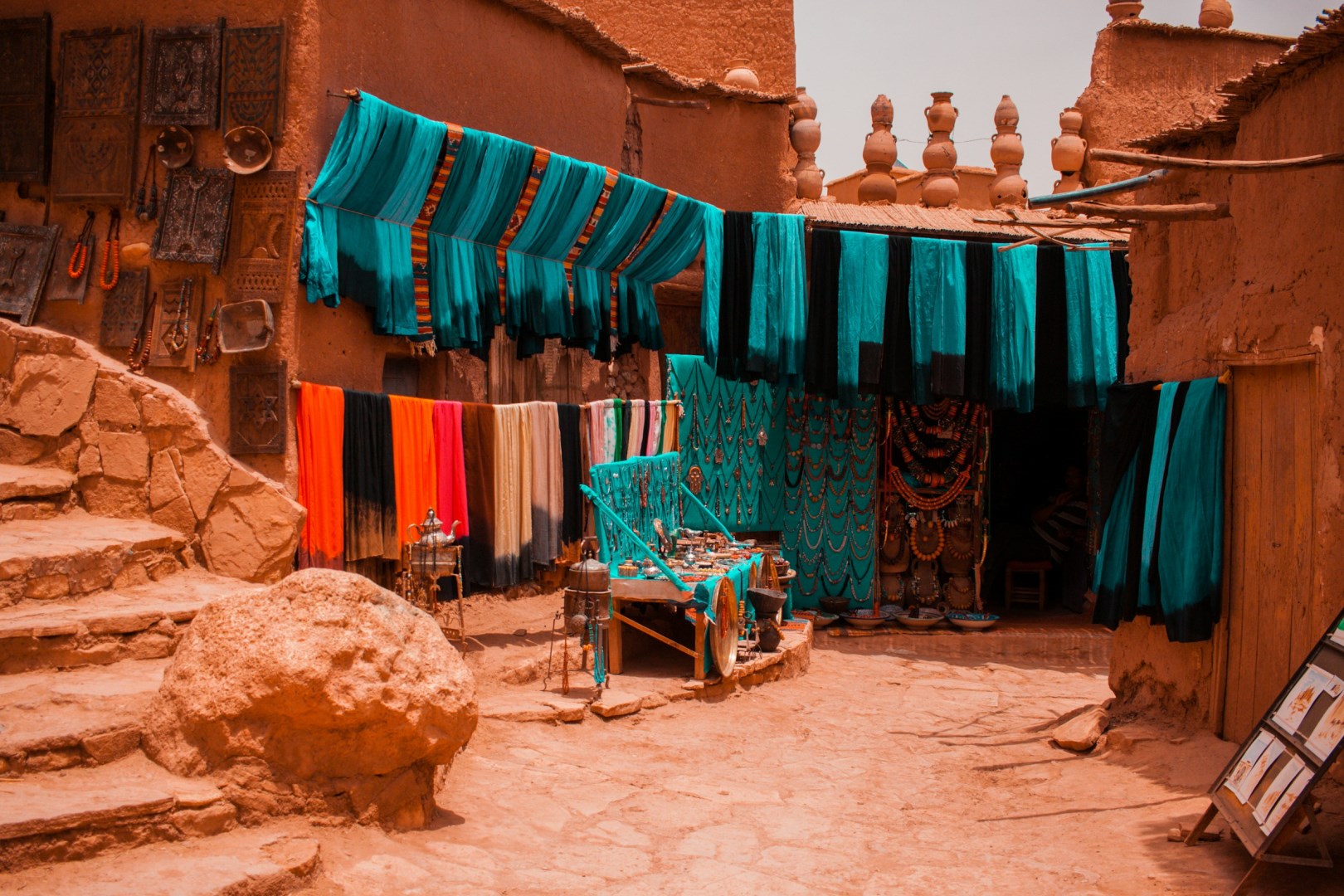
Aït Benhaddou, located in southern Morocco along the former caravan route between the Sahara and Marrakesh, is one of the country’s most iconic historic sites. This fortified village, or ksar, is recognized as a UNESCO World Heritage Site and is admired for its striking earthen clay architecture that rises dramatically from the desert landscape.
Chiang Mai, located in northern Thailand, is a city where ancient walls surround over 30 historic temples, and daily life continues just steps away from centuries-old rituals. Founded in 1296 as the capital of the Lanna Kingdom, the city still reflects its origins through distinctive architecture, moats, and cultural practices. Wat Phra Singh and Wat Chedi Luang are two of the most visited temples within the Old City, offering a chance to see traditional Lanna-style design.
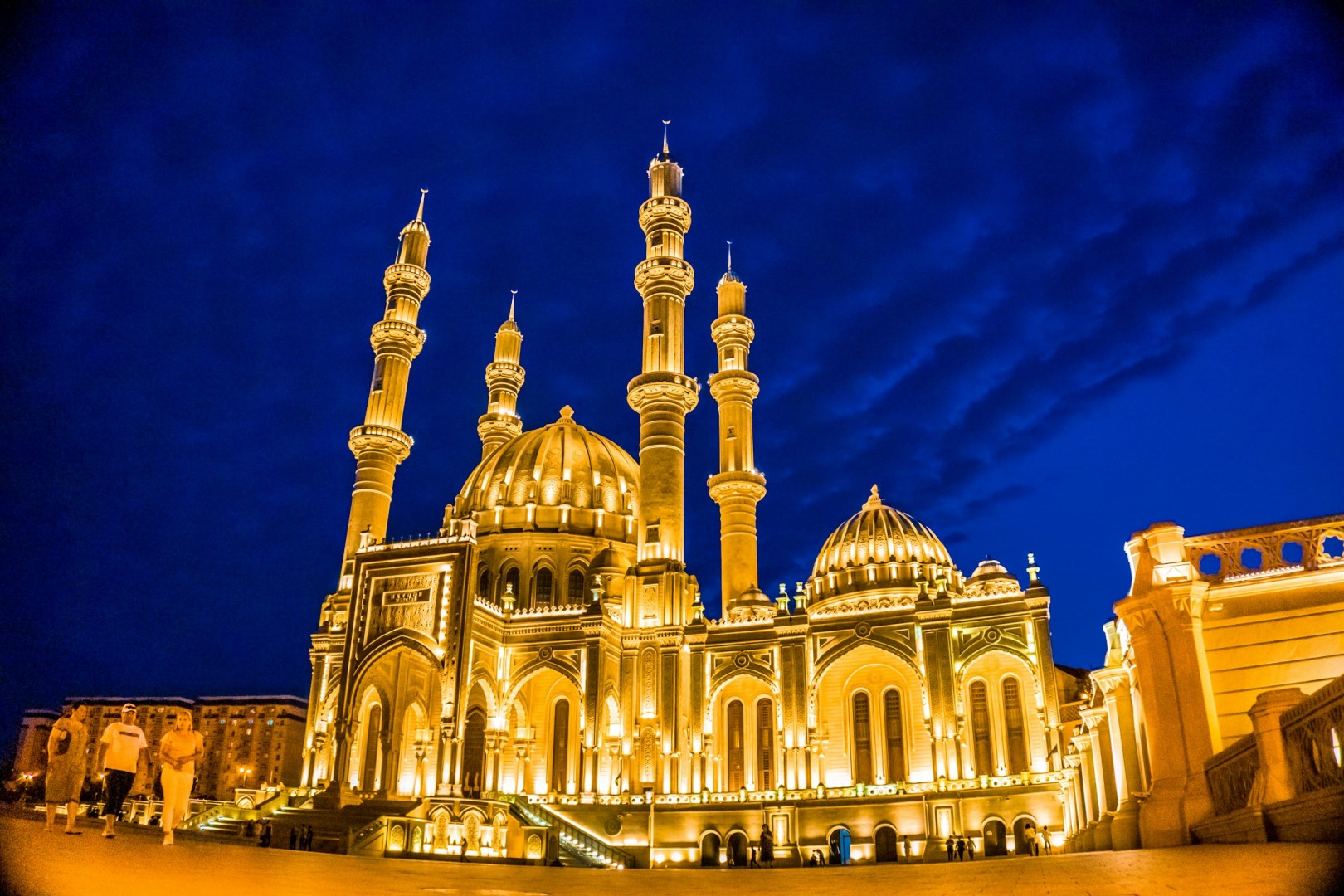
Baku, the capital of Azerbaijan, rises on the shores of the Caspian Sea as a city of striking contrasts. Its futuristic skyline, defined by the Flame Towers, glows each evening in waves of light, while the UNESCO-listed Old City preserves centuries of history within its fortified walls.
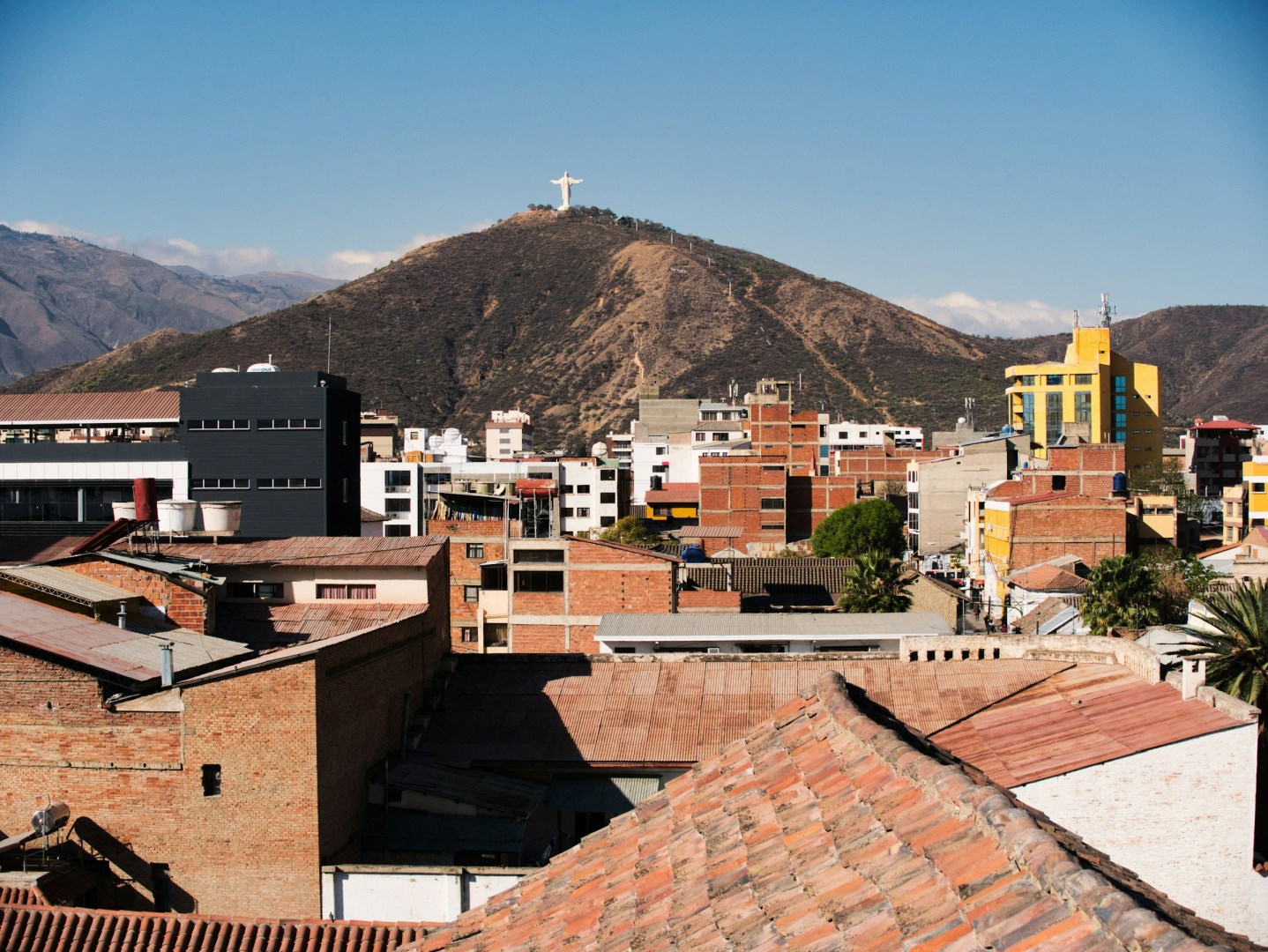
Bolivia's third largest city, it lies high in the valley of Cordillera Oriental. It is an agricultural hub of the country, especially for grains. Founded in 1574 by a conquistador, it is the home of an excellent archeological museum.
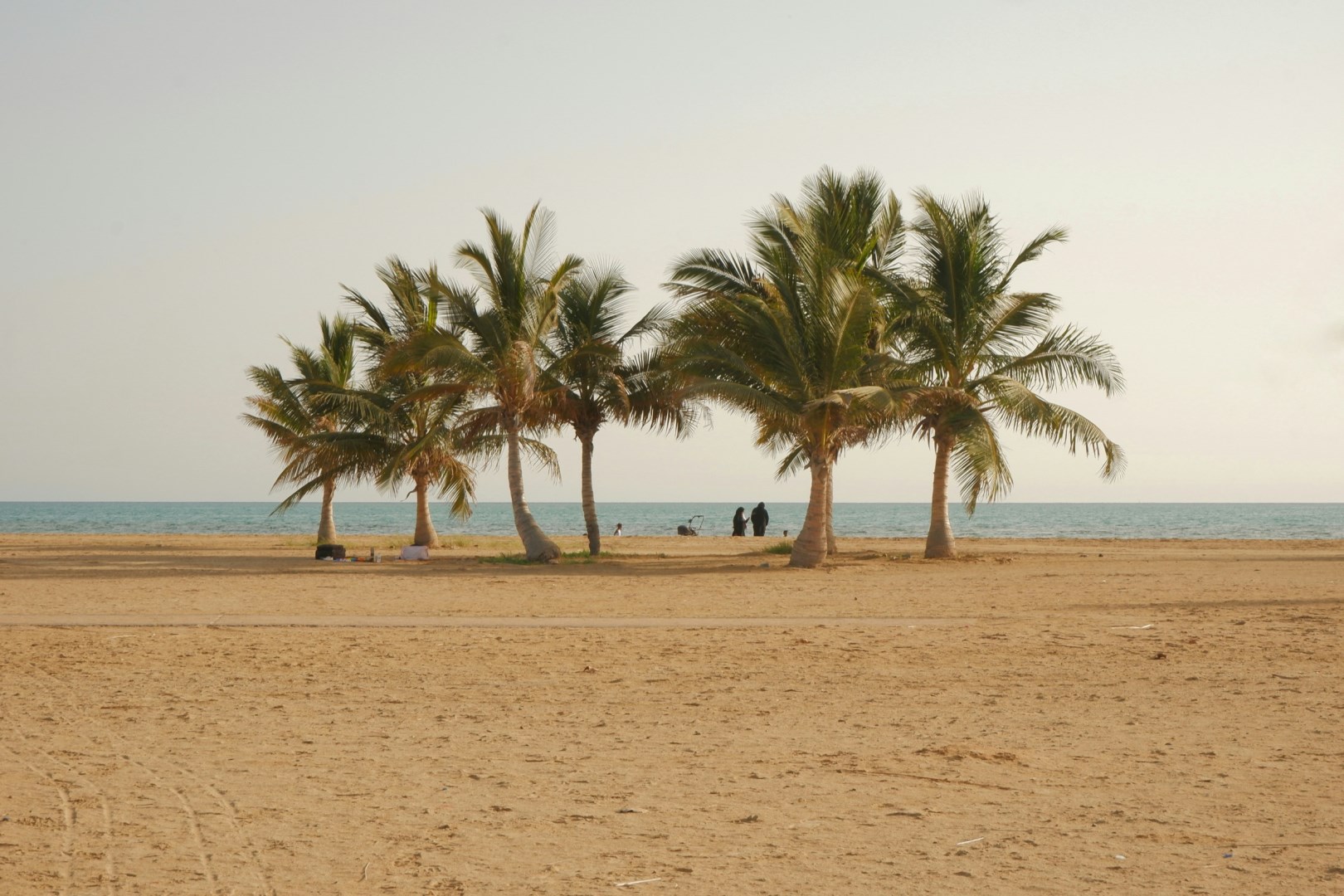
Yanbu, located on the Red Sea coast of Saudi Arabia, is a city where ancient history meets modern allure. As one of Saudi Arabia’s oldest port cities, Yanbu has a rich maritime heritage that is evident in its well-preserved historical sites. A visit to the Yanbu Historic Area reveals charming traditional architecture and the vibrant local culture. Stroll through the old town and explore the old souks, where you can experience traditional Arabic crafts and spices that have been traded for centuries.
The city's coastline offers a different kind of adventure. Yanbu is renowned for its pristine beaches and clear waters, making it a hotspot for diving and snorkeling enthusiasts. The Yanbu Corniche provides a scenic waterfront promenade ideal for leisurely walks or family picnics. The nearby Yanbu Diving Center offers guided underwater excursions to explore the diverse marine life of the Red Sea, including colorful coral reefs and exotic fish species.
For a glimpse into Saudi Arabia’s natural beauty, visit the Yanbu Lake, a serene spot perfect for relaxing or taking a boat ride. This artificial lake is surrounded by landscaped gardens and walking paths, making it a popular spot for both locals and visitors seeking a peaceful retreat. The lake’s creation was part of a broader initiative to enhance the city’s recreational spaces and offer new experiences for tourists.
A fun fact about Yanbu is its historical role as a gateway for the incense trade, historically linking the Arabian Peninsula with the ancient world. This legacy is still celebrated in local festivals and cultural events, offering visitors a unique blend of ancient traditions and modern-day hospitality. Whether you're exploring historical sites, enjoying the coastal beauty, or diving into the Red Sea's underwater wonders, Yanbu promises an enriching and memorable experience.
Other Popular Destinations in Saudi Arabia
Jeddah
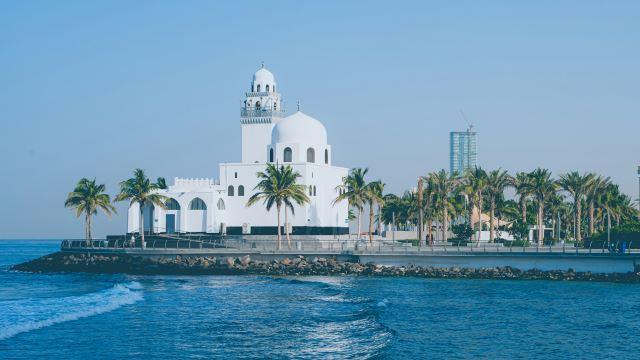
Jeddah sits along Saudi Arabia’s Red Sea coast and has long served as a gateway between the Arabian Peninsula and the wider world. For centuries, merchants, pilgrims, and travelers passed through its port on the way to Mecca, shaping a city known for openness and exchange.
Riyadh
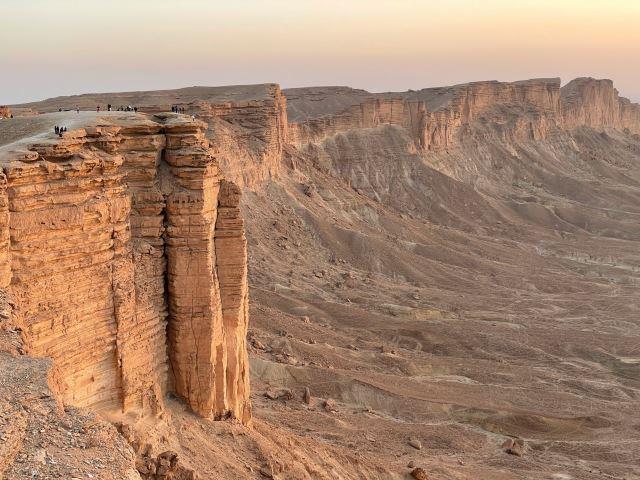
Riyadh blends stories from centuries with modern splendor. At its core stands Al Masmak Fortress, built of clay and mud-brick in the 19th century. It was the site that set the stage for the unification of Saudi Arabia. Today, it’s a museum that preserves weapons, historical displays, and accounts of that pivotal moment. Adjacent to the fortress, the Souq Al-Zal offers spices, traditional jewelry, and handmade crafts, connecting visitors to the city’s past through its alleyways.