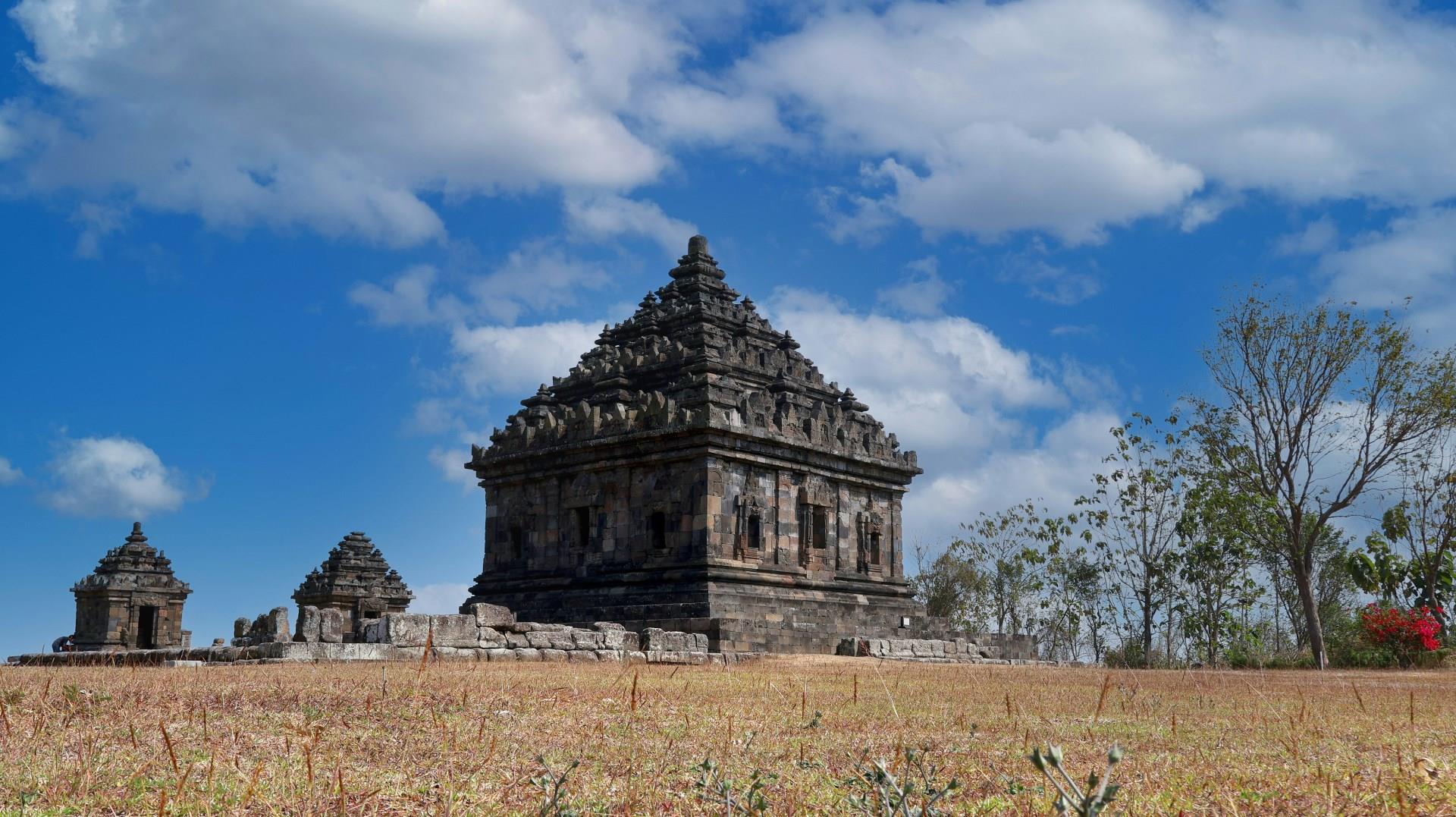
Yogyakarta, on the island of Java, is often described as Indonesia’s cultural capital, a reputation grounded in living tradition rather than nostalgia. It remains the seat of a functioning sultanate, and the royal palace, or kraton, anchors the city’s identity through ceremonies, crafts, and court arts that continue to shape everyday life. The city also played a key role in Indonesia’s struggle for independence, giving it a strong sense of civic pride and historical awareness.
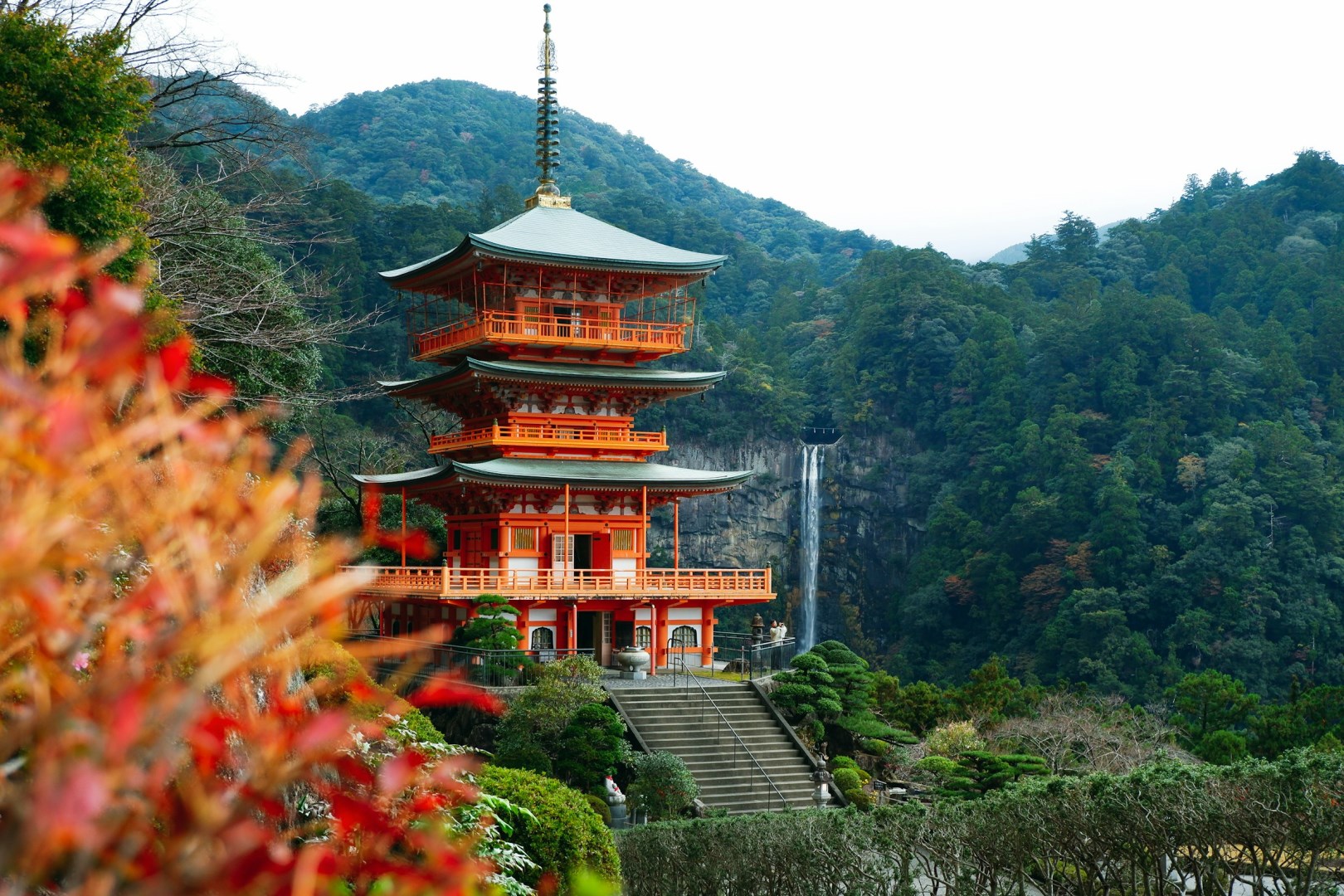
Wakayama is a coastal city in western Japan and the capital of Wakayama Prefecture, located on the Kii Peninsula beside Wakayama Bay. Its setting combines the sea with wooded hills and nearby mountain country, while the city itself has developed around a historic castle town. Wakayama Castle stands on Mount Torafusu near the city center, overlooking the surrounding streets, mountains, and Kii Channel.
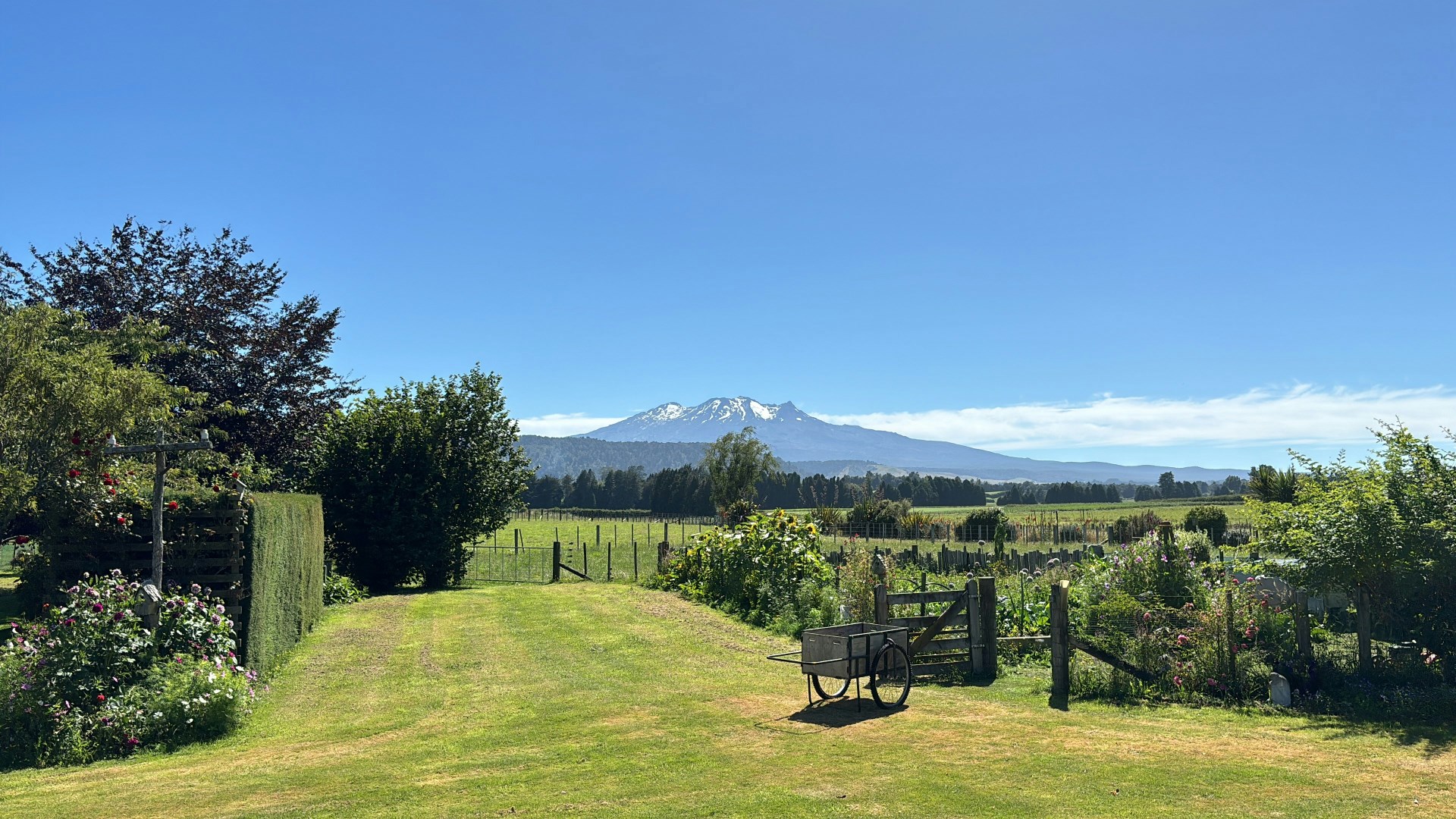
Ōhakune is a small town in New Zealand’s North Island, located at the southern edge of Tongariro National Park. It sits near the base of Mount Ruapehu, one of the country’s most active volcanoes, and serves as a gateway to alpine landscapes.
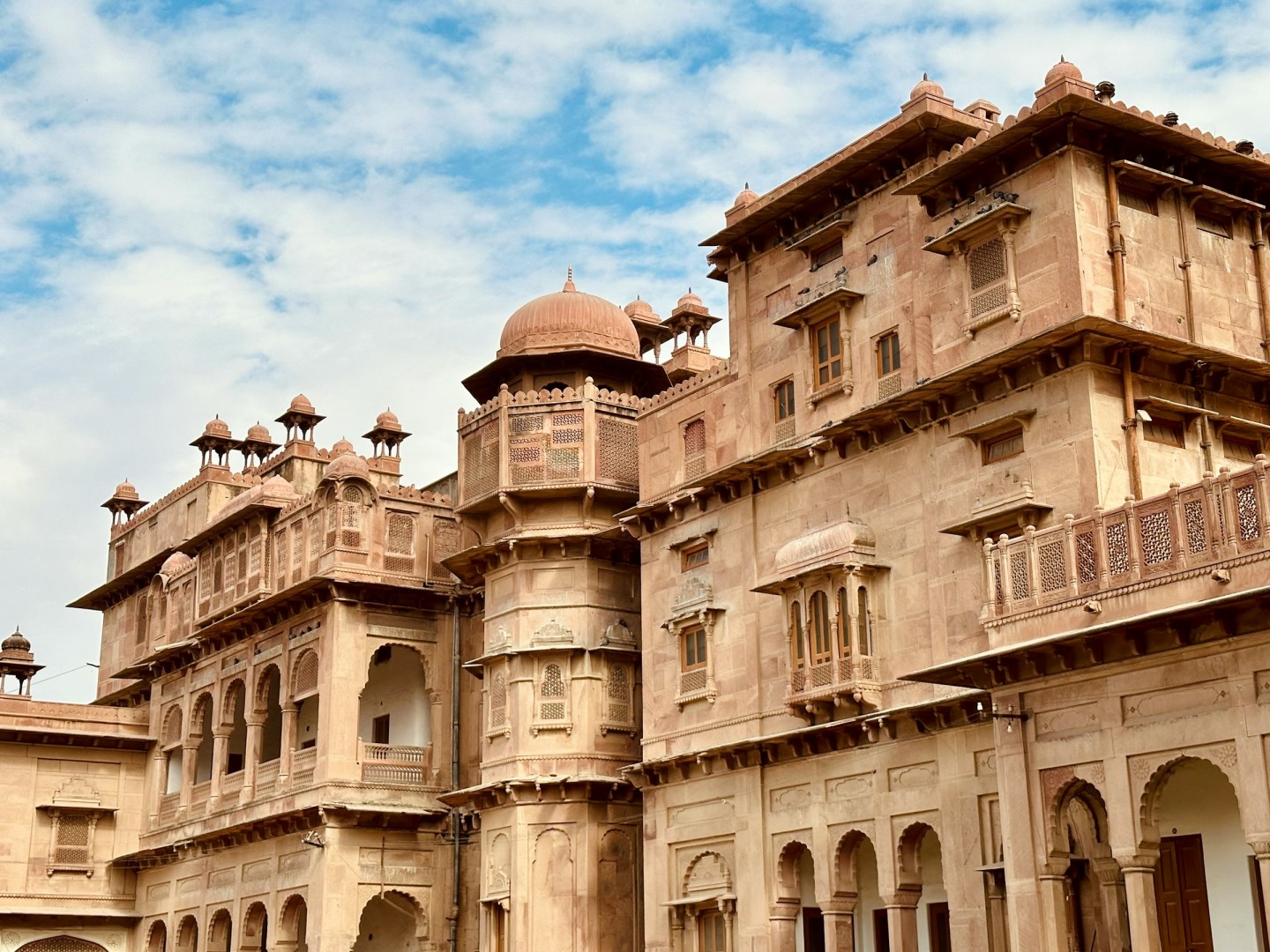
Bikaner is a historic city in Rajasthan, set on the edge of the Thar Desert in northwestern India. Its landscape is characterized by sandy plains, sparse vegetation, and hardy desert crops, while the city itself is known for its fortified walls, ornate havelis, temples, and busy bazaars. Bikaner developed as an important trading center on desert routes, and its architecture reflects the wealth created through commerce. Today, the city remains closely associated with desert culture, camel breedin

Page, Arizona, offers a gateway to some of the most breathtaking landscapes in the American Southwest. Nestled near the northern border of Arizona, this city is a perfect base for exploring natural wonders such as Antelope Canyon, a slot canyon renowned for its stunning light beams and swirling sandstone formations. Visitors can take guided tours to witness the canyon’s otherworldly beauty, which has been shaped by centuries of erosion and natural forces.
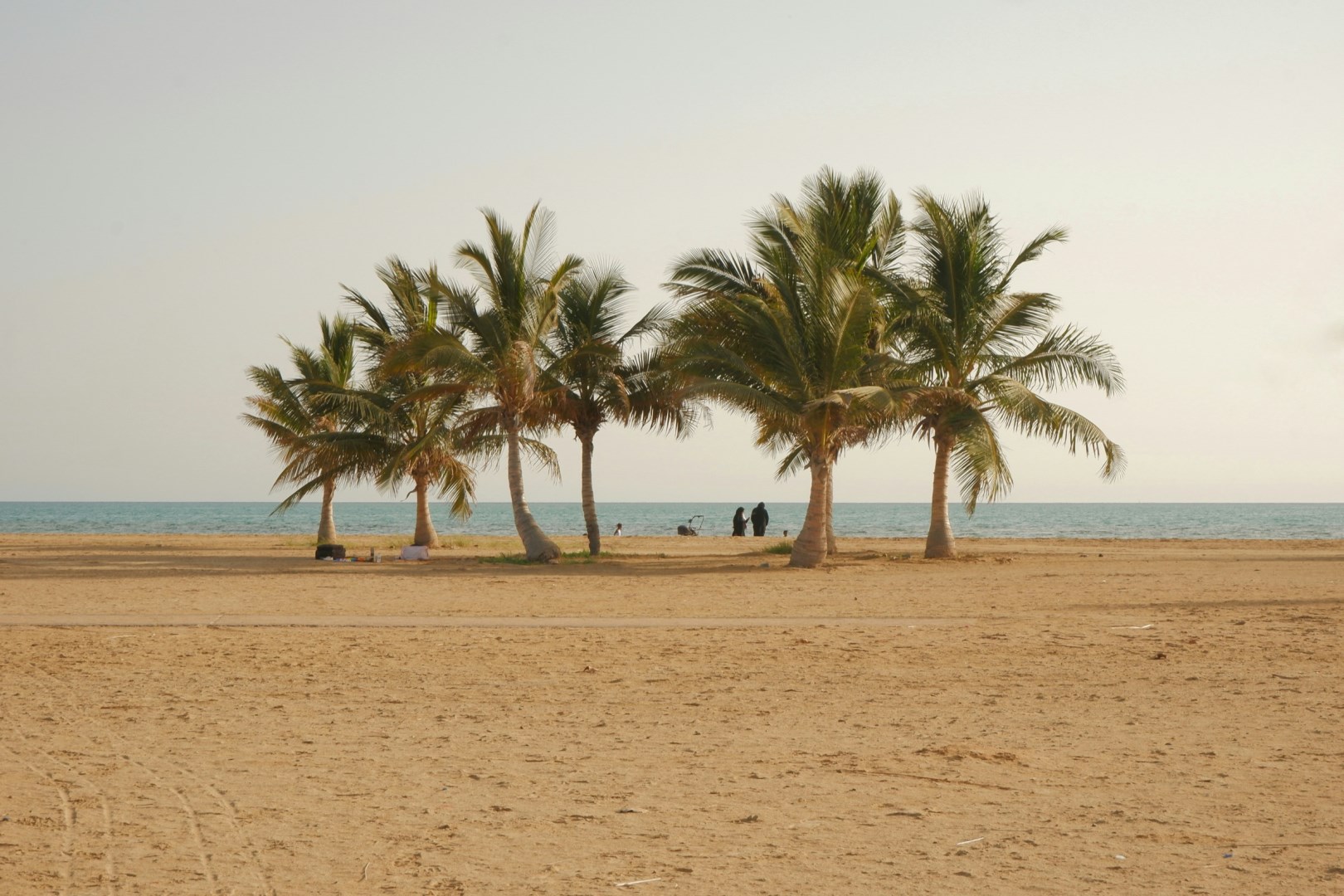
Yanbu, located on the Red Sea coast of Saudi Arabia, is a city where ancient history meets modern allure. As one of Saudi Arabia’s oldest port cities, Yanbu has a rich maritime heritage that is evident in its well-preserved historical sites. A visit to the Yanbu Historic Area reveals charming traditional architecture and the vibrant local culture. Stroll through the old town and explore the old souks, where you can experience traditional Arabic crafts and spices that have been traded for centuries.
The city's coastline offers a different kind of adventure. Yanbu is renowned for its pristine beaches and clear waters, making it a hotspot for diving and snorkeling enthusiasts. The Yanbu Corniche provides a scenic waterfront promenade ideal for leisurely walks or family picnics. The nearby Yanbu Diving Center offers guided underwater excursions to explore the diverse marine life of the Red Sea, including colorful coral reefs and exotic fish species.
For a glimpse into Saudi Arabia’s natural beauty, visit the Yanbu Lake, a serene spot perfect for relaxing or taking a boat ride. This artificial lake is surrounded by landscaped gardens and walking paths, making it a popular spot for both locals and visitors seeking a peaceful retreat. The lake’s creation was part of a broader initiative to enhance the city’s recreational spaces and offer new experiences for tourists.
A fun fact about Yanbu is its historical role as a gateway for the incense trade, historically linking the Arabian Peninsula with the ancient world. This legacy is still celebrated in local festivals and cultural events, offering visitors a unique blend of ancient traditions and modern-day hospitality. Whether you're exploring historical sites, enjoying the coastal beauty, or diving into the Red Sea's underwater wonders, Yanbu promises an enriching and memorable experience.
Other Popular Destinations in Saudi Arabia
Jeddah
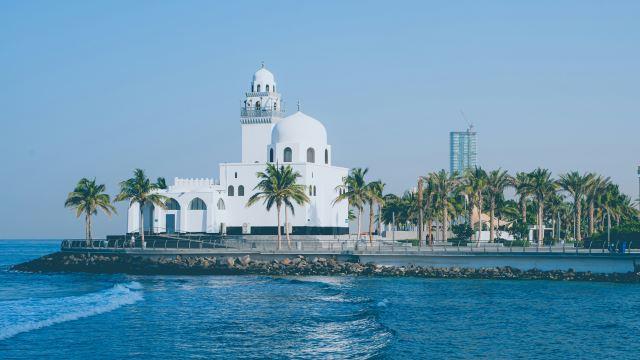
Jeddah sits along Saudi Arabia’s Red Sea coast and has long served as a gateway between the Arabian Peninsula and the wider world. For centuries, merchants, pilgrims, and travelers passed through its port on the way to Mecca, shaping a city known for openness and exchange.
AlUla
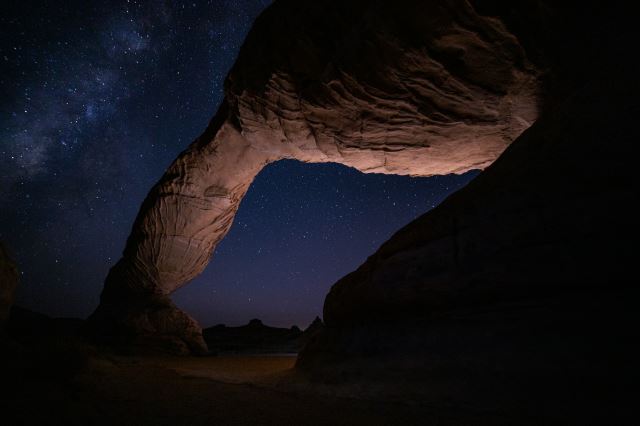
AlUla is an oasis region in northwestern Saudi Arabia, surrounded by sandstone mountains, desert valleys, and cultivated palm groves. Its landscape has been shaped by the presence of water, with the AlUla oasis supporting date palms, citrus trees, and other crops within an otherwise arid setting. The area is particularly known for its combination of archaeological sites and unusual rock formations.