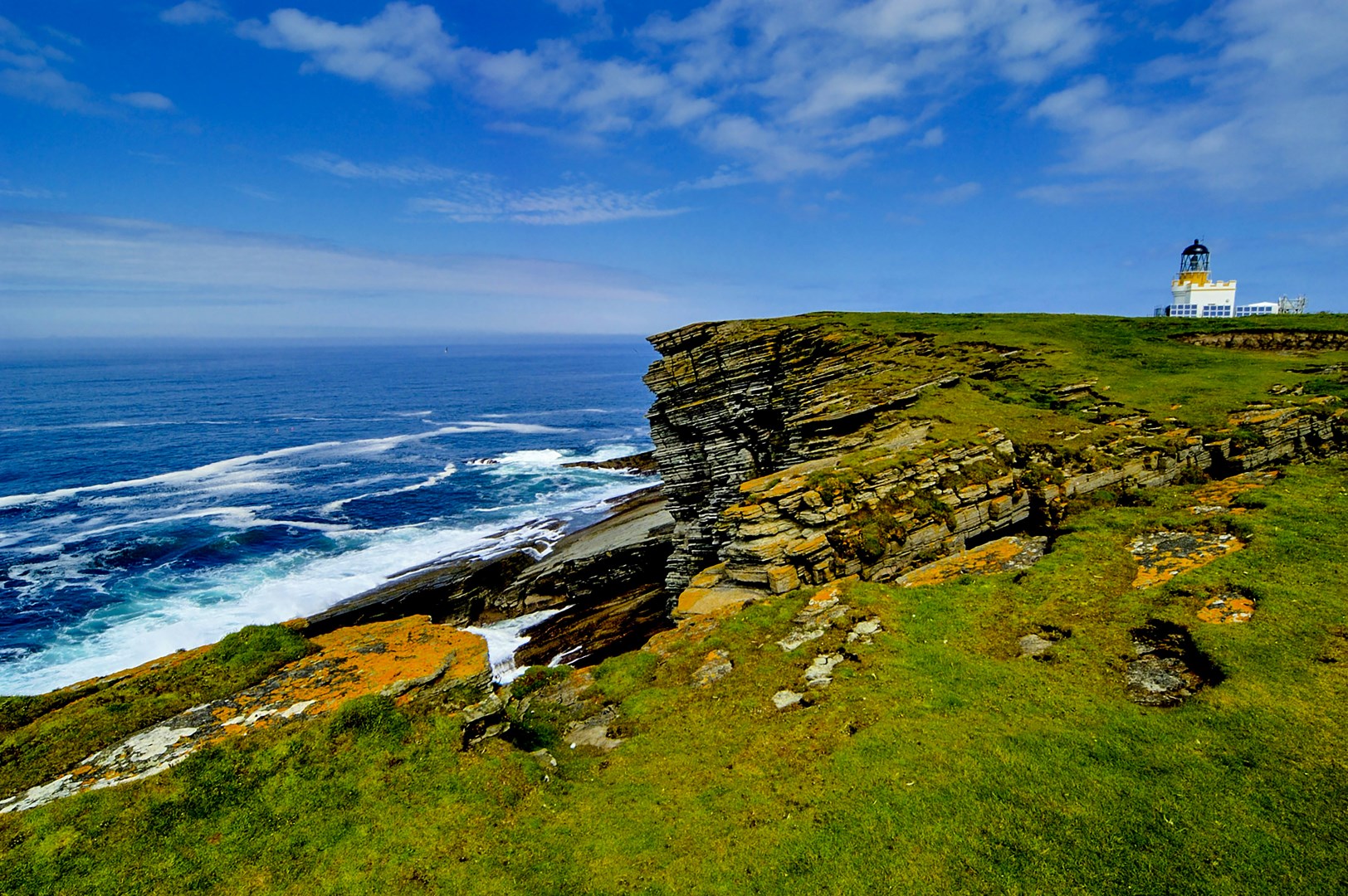
The Orkney Islands sit just off the northern coast of Scotland. This group of around seventy islands offers wide horizons, quiet roads, and coastlines shaped by wind and waves where visitors often arrive expecting rugged scenery and leave talking about the sense of space from the long beaches to the steep cliffs and sea stacks rising straight from the water. One striking example is the Old Man of Hoy, a tall sea stack that draws photographers and climbers alike.
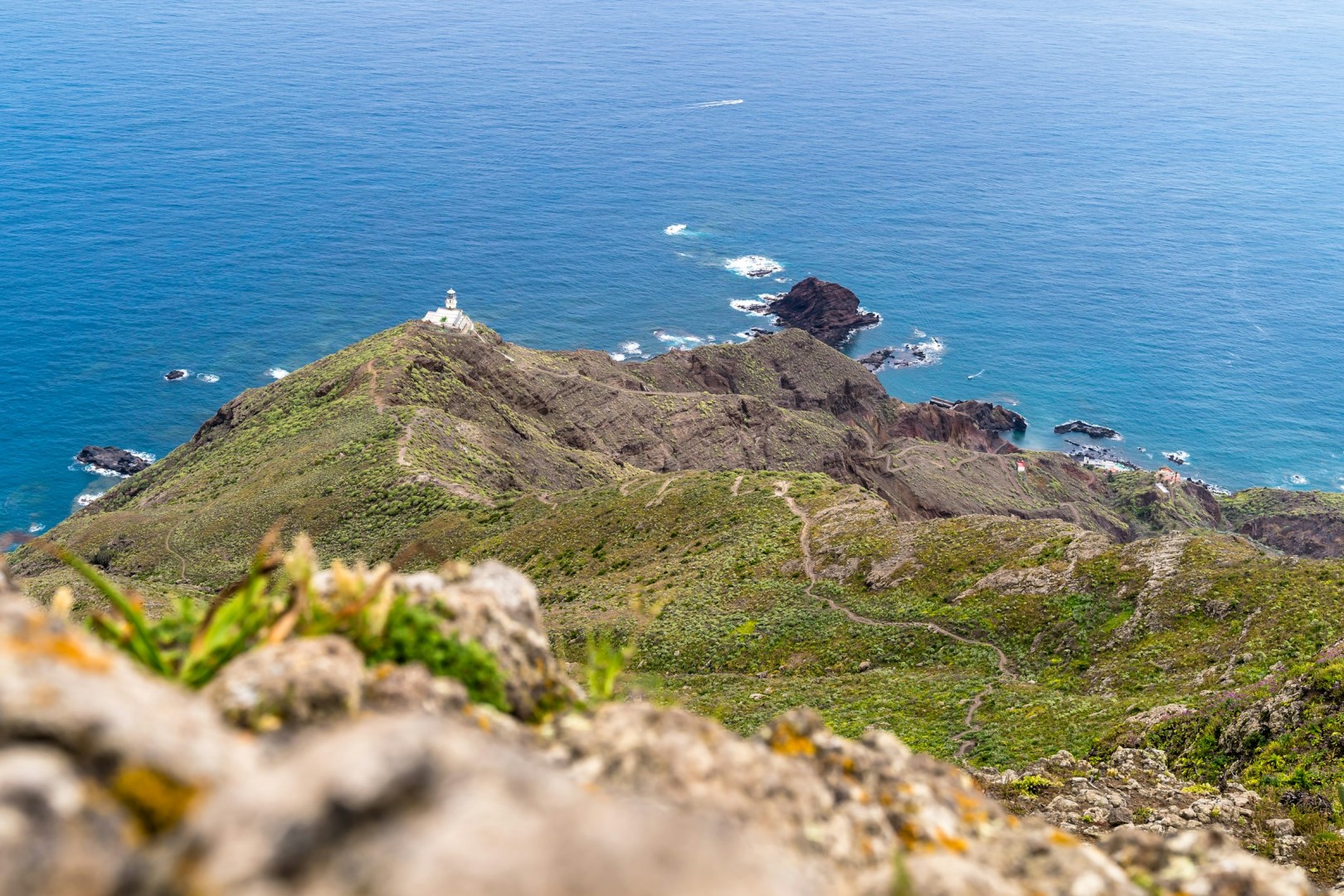
The city of Santa Cruz De Tenerife, located on the island of Tenerife, is a favorite stop for Transatlantic voyagers. Tenerife is both the largest and most populated of the seven Canary Islands and of Spain itself. As the island's main city, Santa Cruz De Tenerife is home to almost half of the island's population.
With its captivating blend of ancient history, sun-drenched beaches, and vibrant Andalusian culture, Cádiz, Spain, stands as one of Europe’s oldest continually inhabited cities. Founded over 3,000 years ago by the Phoenicians, this coastal gem in southern Spain offers a rich tapestry of historical sites and modern charms. The old city of Cádiz is a labyrinth of narrow cobblestone streets, whitewashed houses, and hidden plazas that evoke the city’s Moorish past.

Adak Island lies in the central Aleutian Islands of southwest Alaska, where steep volcanic mountains meet the North Pacific. The community of Adak occupies a sheltered harbor on the island and is one of the few remote Aleutian locations accessible by commercial airline. Much of the island consists of open tundra, rugged slopes, coastal wetlands, and rocky shorelines shaped by strong winds and frequent rain.
Bequia, the largest of the Grenadines, is a hidden gem in the Caribbean Sea that captivates visitors with its unspoiled beauty and warm, welcoming atmosphere. Often described as the "island in the clouds," Bequia (pronounced "Bek-way") offers a tranquil escape where turquoise waters meet lush green hills. The island's charm lies in its simplicity—no sprawling resorts or crowded beaches, just a peaceful haven where time seems to stand still.
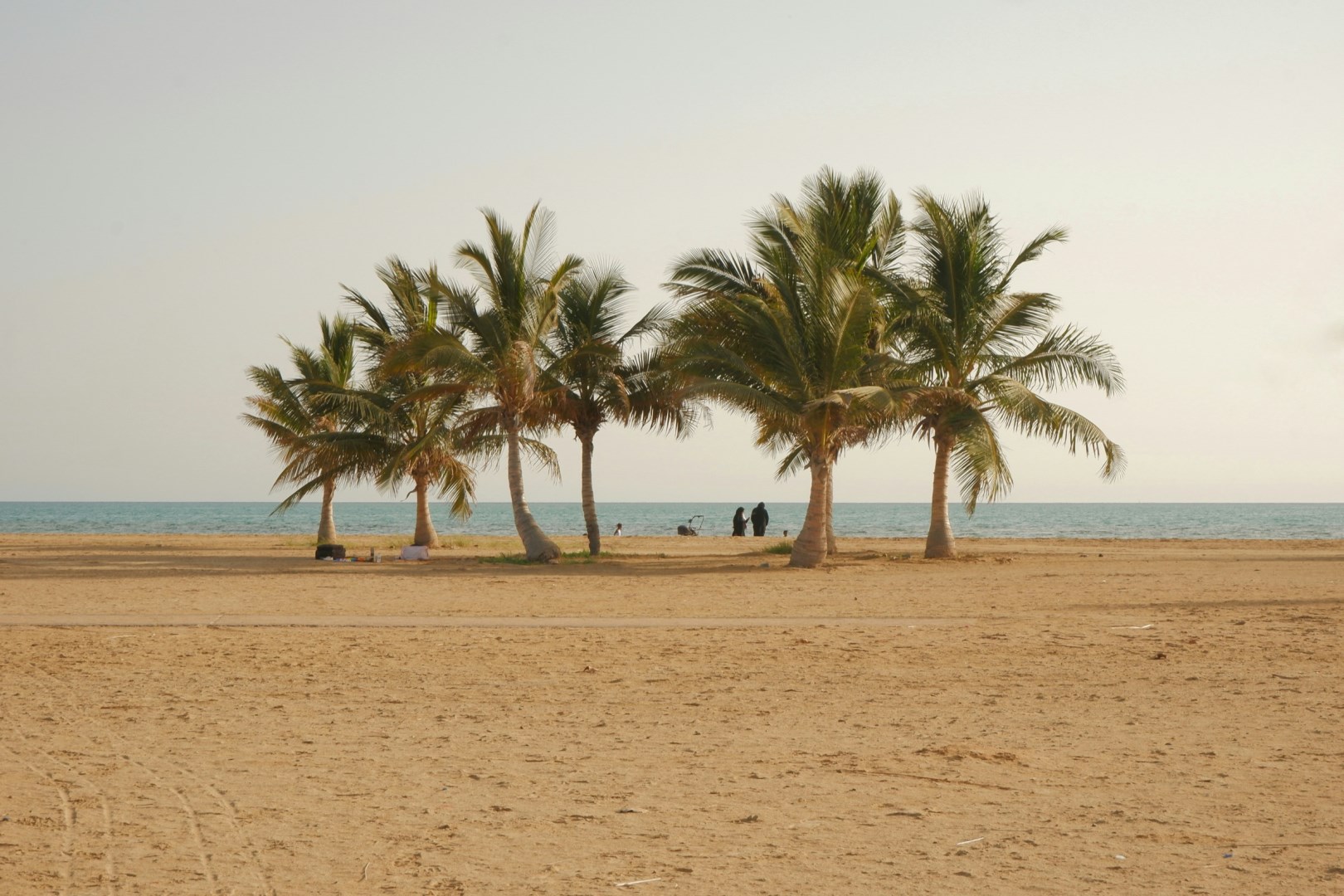
Yanbu, located on the Red Sea coast of Saudi Arabia, is a city where ancient history meets modern allure. As one of Saudi Arabia’s oldest port cities, Yanbu has a rich maritime heritage that is evident in its well-preserved historical sites. A visit to the Yanbu Historic Area reveals charming traditional architecture and the vibrant local culture. Stroll through the old town and explore the old souks, where you can experience traditional Arabic crafts and spices that have been traded for centuries.
The city's coastline offers a different kind of adventure. Yanbu is renowned for its pristine beaches and clear waters, making it a hotspot for diving and snorkeling enthusiasts. The Yanbu Corniche provides a scenic waterfront promenade ideal for leisurely walks or family picnics. The nearby Yanbu Diving Center offers guided underwater excursions to explore the diverse marine life of the Red Sea, including colorful coral reefs and exotic fish species.
For a glimpse into Saudi Arabia’s natural beauty, visit the Yanbu Lake, a serene spot perfect for relaxing or taking a boat ride. This artificial lake is surrounded by landscaped gardens and walking paths, making it a popular spot for both locals and visitors seeking a peaceful retreat. The lake’s creation was part of a broader initiative to enhance the city’s recreational spaces and offer new experiences for tourists.
A fun fact about Yanbu is its historical role as a gateway for the incense trade, historically linking the Arabian Peninsula with the ancient world. This legacy is still celebrated in local festivals and cultural events, offering visitors a unique blend of ancient traditions and modern-day hospitality. Whether you're exploring historical sites, enjoying the coastal beauty, or diving into the Red Sea's underwater wonders, Yanbu promises an enriching and memorable experience.
Other Popular Destinations in Saudi Arabia
Jeddah
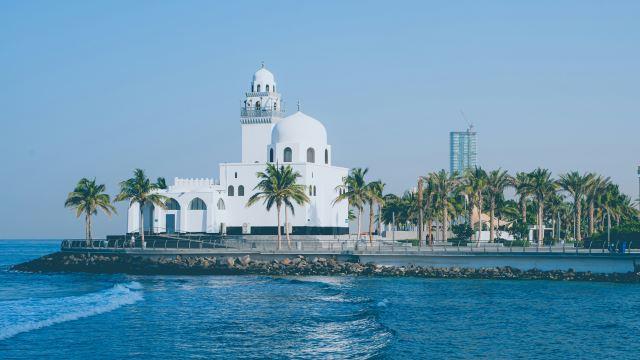
Jeddah sits along Saudi Arabia’s Red Sea coast and has long served as a gateway between the Arabian Peninsula and the wider world. For centuries, merchants, pilgrims, and travelers passed through its port on the way to Mecca, shaping a city known for openness and exchange.
AlUla
AlUla is an oasis region in northwestern Saudi Arabia, surrounded by sandstone mountains, desert valleys, and cultivated palm groves. Its landscape has been shaped by the presence of water, with the AlUla oasis supporting date palms, citrus trees, and other crops within an otherwise arid setting. The area is particularly known for its combination of archaeological sites and unusual rock formations.