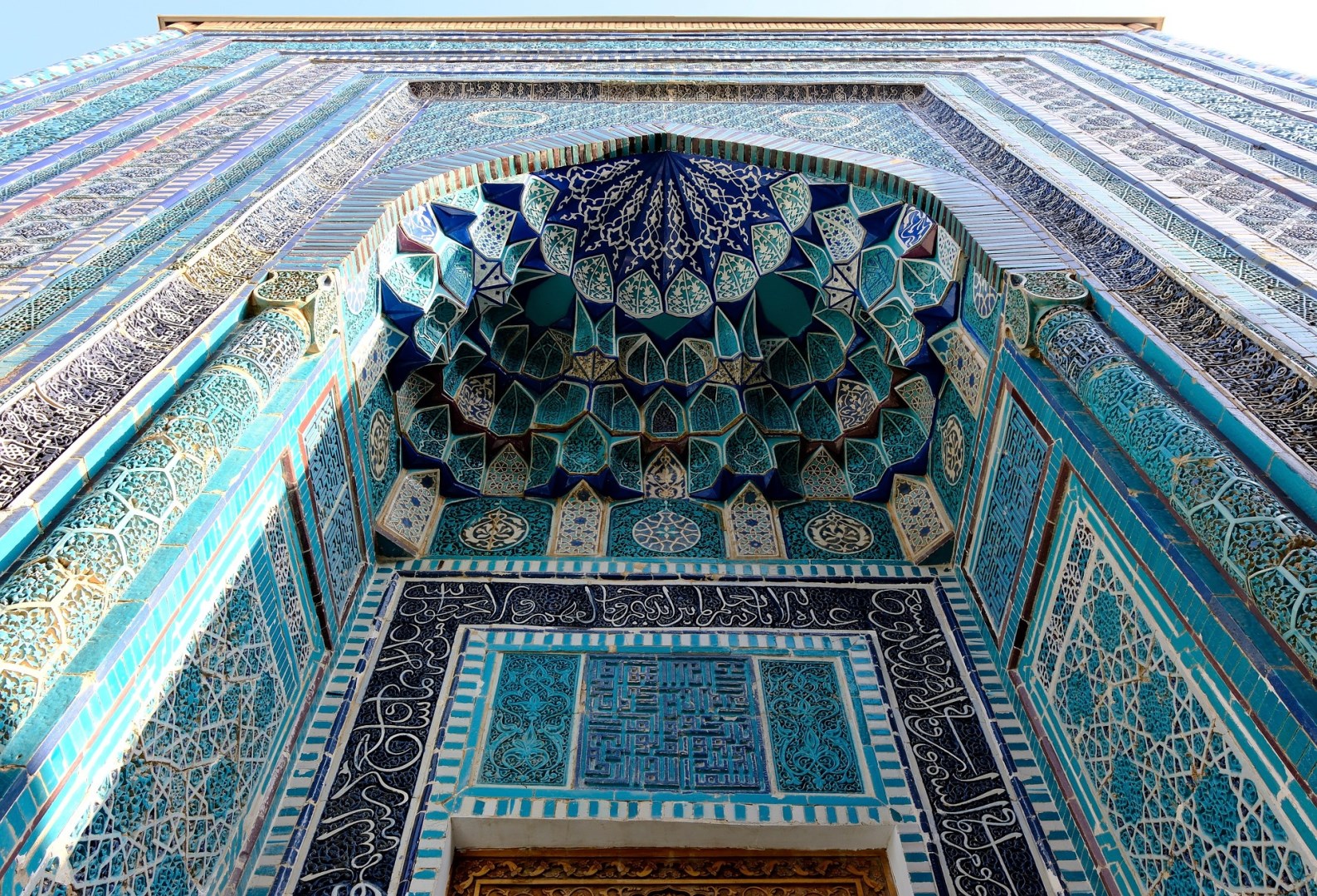
Tashkent, the capital of Uzbekistan, lies at the crossroads of Central Asia and has long been a hub of culture, trade, and political life. Its history stretches back over two millennia, shaped by Persian, Mongol, and Russian influences.
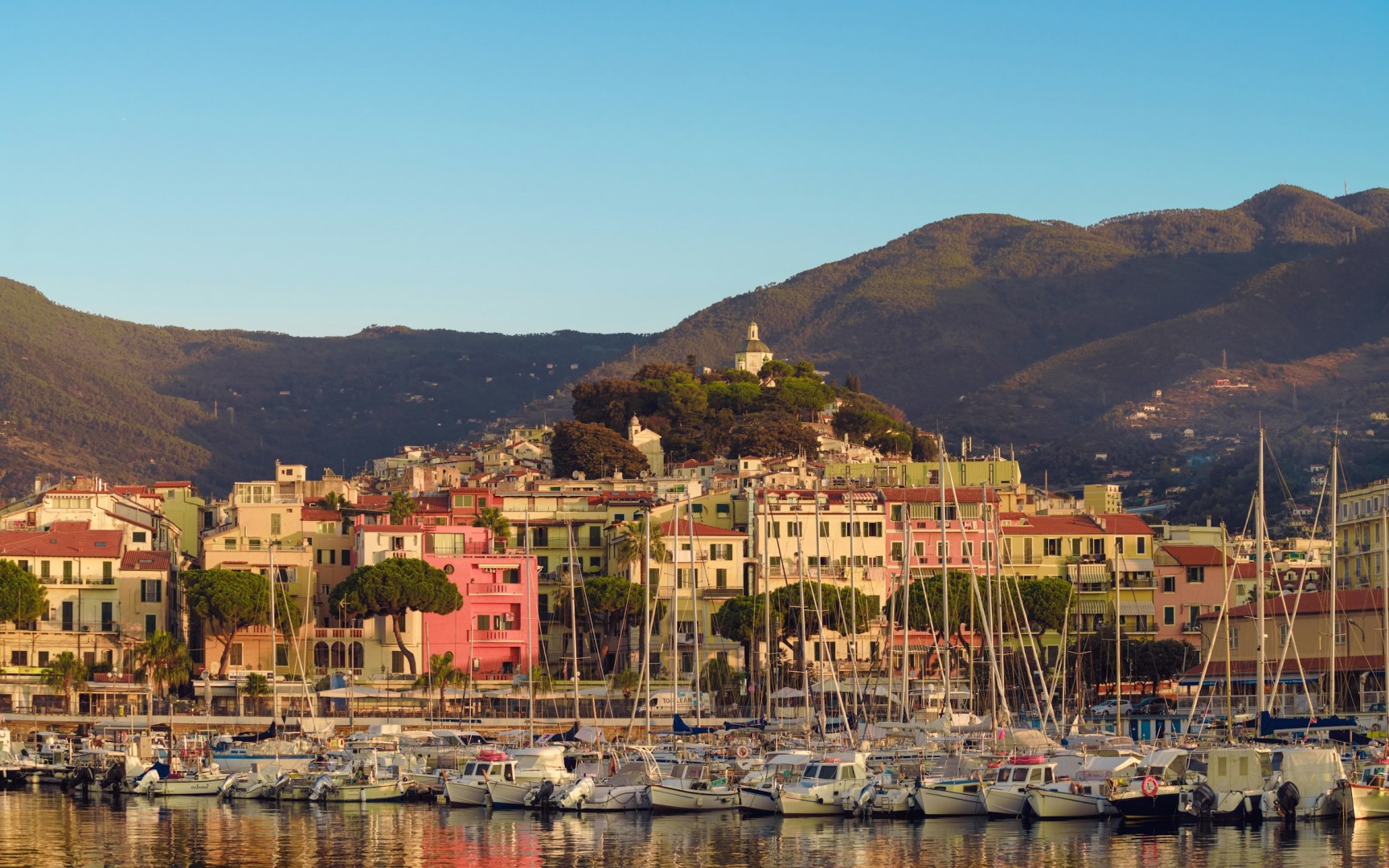
Sanremo is a coastal city in northwestern Italy. Its green spaces include the park of Villa Ormond, with a Japanese garden, palm trees and ancient olive groves.
Silistra, a charming city located on the southern bank of the lower Danube River in Bulgaria, is a hidden gem that seamlessly blends ancient history with natural beauty. Founded by the Romans as Durostorum, Silistra is one of Bulgaria’s oldest cities, offering a wealth of historical sites that transport visitors back to the Roman Empire. The Silistra Roman Tomb, with its well-preserved frescoes, stands as a testament to the city’s rich past and is a must-visit for history enthusiasts.
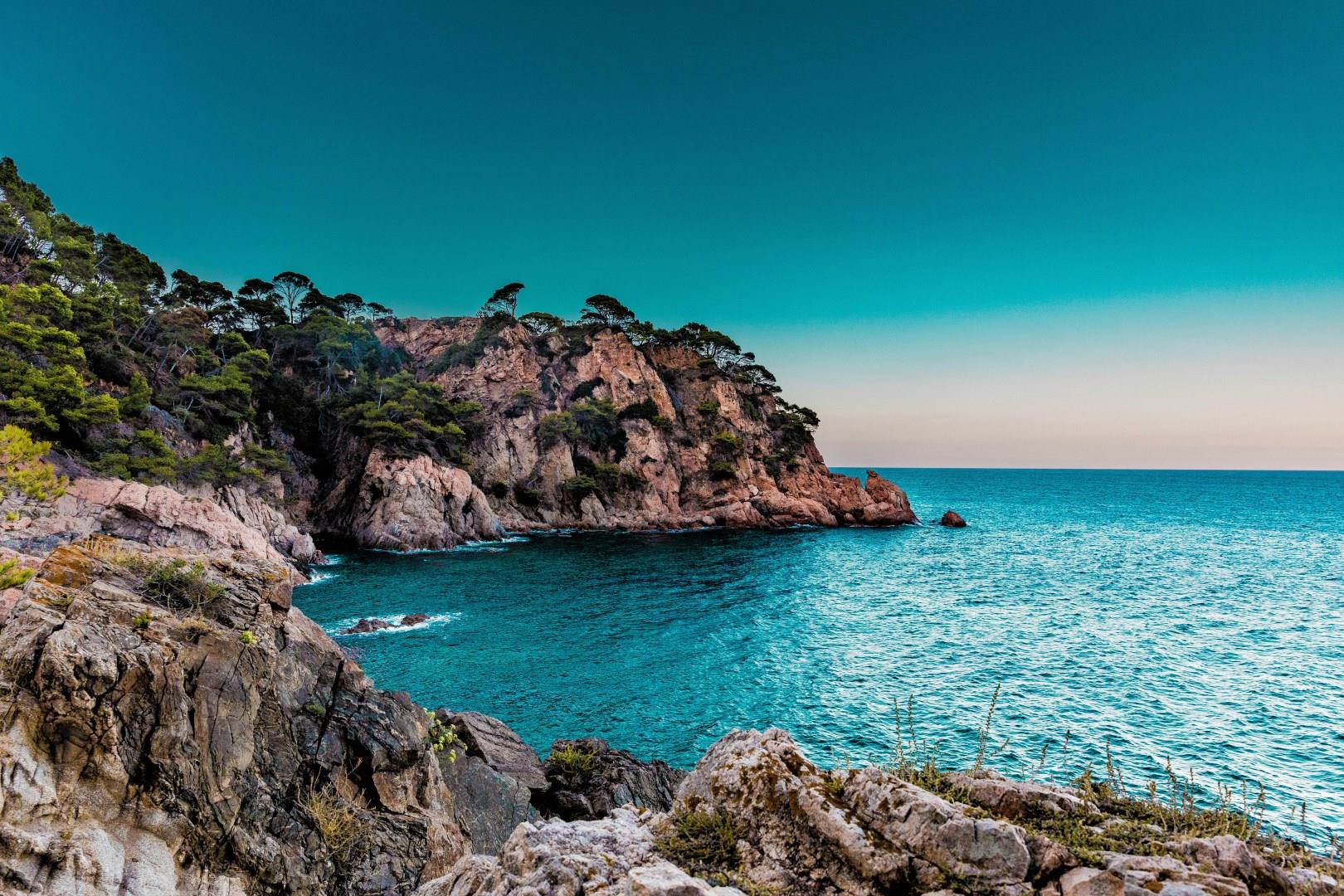
Marbella, located between the Mediterranean Sea and the Sierra Blanca mountains, is often associated with its luxury resorts and famous marina, Puerto Banús. But beyond the polished storefronts and designer yachts, the city has a layered past. Its old town, known as Casco Antiguo, is a well-preserved network of narrow streets built during Moorish rule, with whitewashed buildings, flower-filled balconies, and hidden plazas like Plaza de los Naranjos, which dates back to the 15th century.
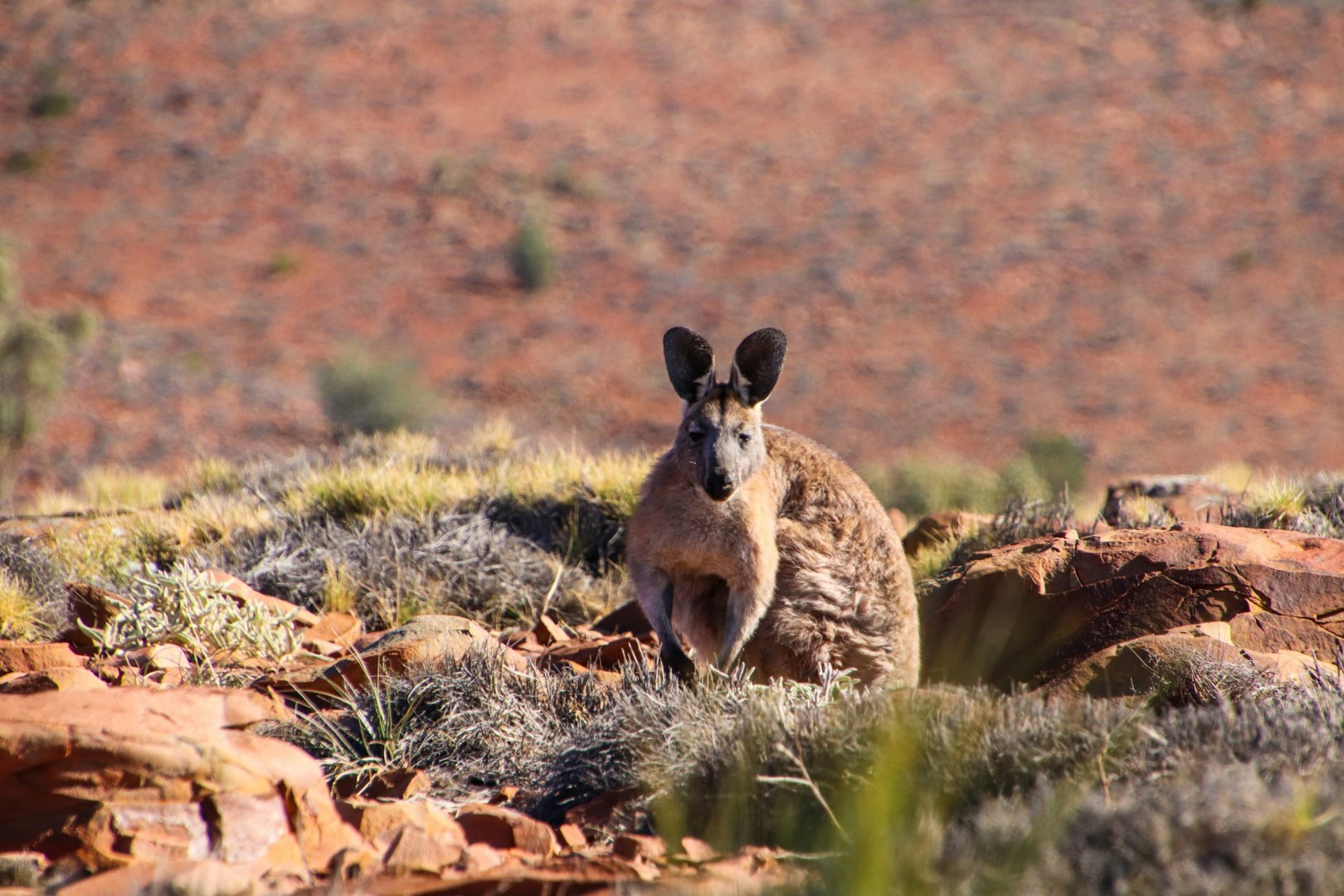
Ikara-Flinders Ranges National Park lies in South Australia’s Flinders Ranges, covering about 95,000 hectares of rugged mountains, dry valleys, rocky gorges, and semi-arid plains. Its most recognizable feature is Ikara, also known as Wilpena Pound, a vast natural amphitheatre enclosed by quartzite ranges. The park also contains the Heysen Range and the Brachina and Bunyeroo gorges, creating a landscape shaped by erosion and exposed geological layers.
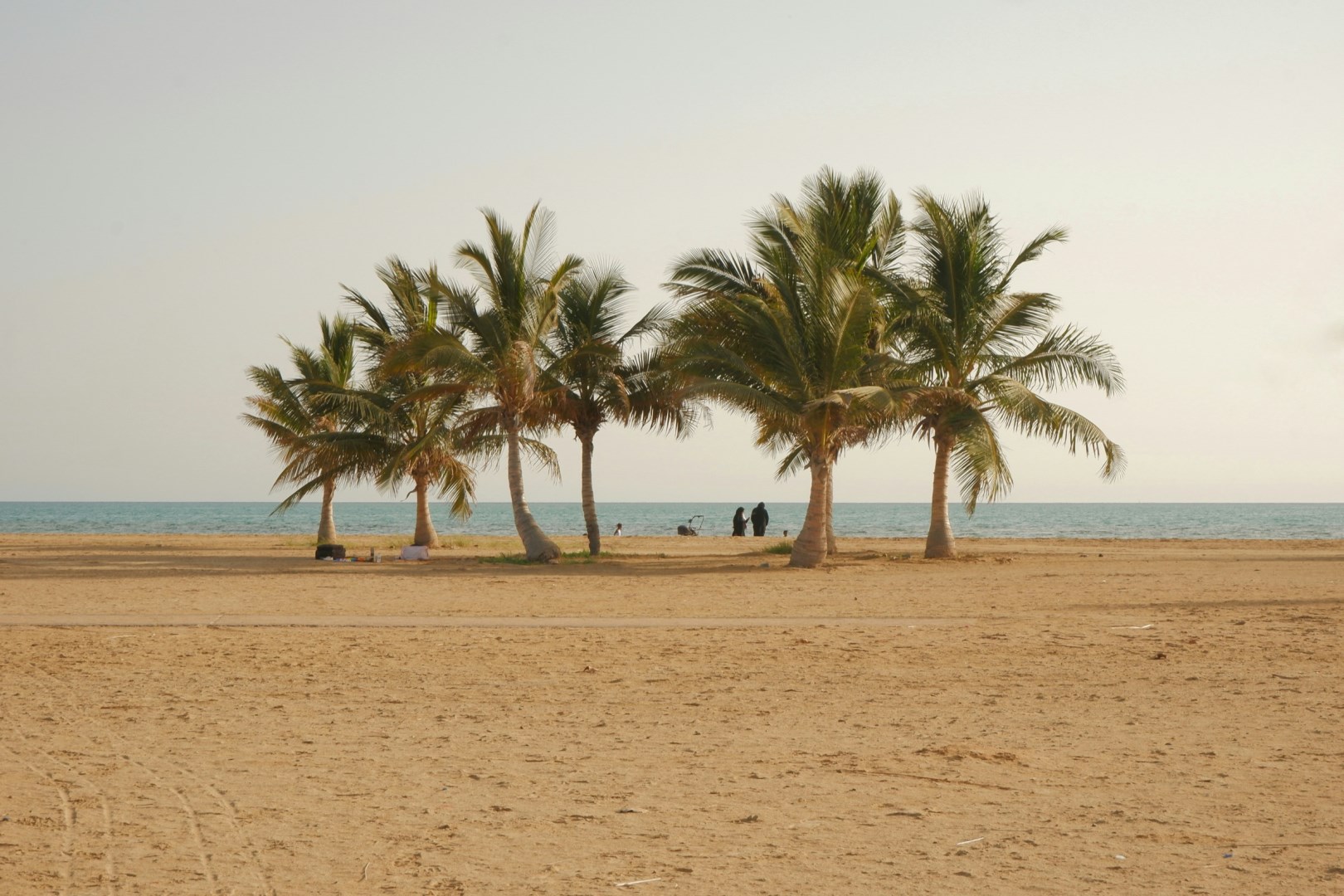
Yanbu, located on the Red Sea coast of Saudi Arabia, is a city where ancient history meets modern allure. As one of Saudi Arabia’s oldest port cities, Yanbu has a rich maritime heritage that is evident in its well-preserved historical sites. A visit to the Yanbu Historic Area reveals charming traditional architecture and the vibrant local culture. Stroll through the old town and explore the old souks, where you can experience traditional Arabic crafts and spices that have been traded for centuries.
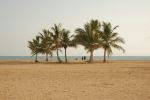
The city's coastline offers a different kind of adventure. Yanbu is renowned for its pristine beaches and clear waters, making it a hotspot for diving and snorkeling enthusiasts. The Yanbu Corniche provides a scenic waterfront promenade ideal for leisurely walks or family picnics. The nearby Yanbu Diving Center offers guided underwater excursions to explore the diverse marine life of the Red Sea, including colorful coral reefs and exotic fish species.
For a glimpse into Saudi Arabia’s natural beauty, visit the Yanbu Lake, a serene spot perfect for relaxing or taking a boat ride. This artificial lake is surrounded by landscaped gardens and walking paths, making it a popular spot for both locals and visitors seeking a peaceful retreat. The lake’s creation was part of a broader initiative to enhance the city’s recreational spaces and offer new experiences for tourists.
A fun fact about Yanbu is its historical role as a gateway for the incense trade, historically linking the Arabian Peninsula with the ancient world. This legacy is still celebrated in local festivals and cultural events, offering visitors a unique blend of ancient traditions and modern-day hospitality. Whether you're exploring historical sites, enjoying the coastal beauty, or diving into the Red Sea's underwater wonders, Yanbu promises an enriching and memorable experience.
Other Popular Destinations in Saudi Arabia
Jeddah
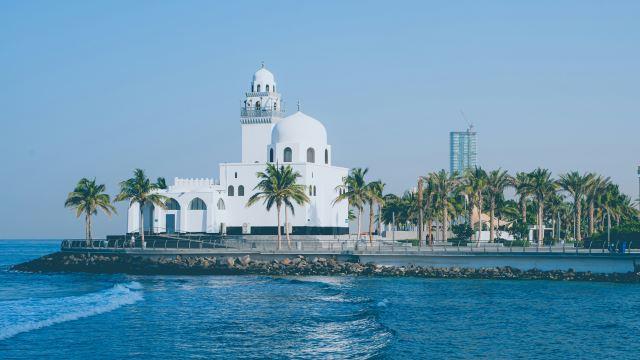
Jeddah sits along Saudi Arabia’s Red Sea coast and has long served as a gateway between the Arabian Peninsula and the wider world. For centuries, merchants, pilgrims, and travelers passed through its port on the way to Mecca, shaping a city known for openness and exchange.
AlUla
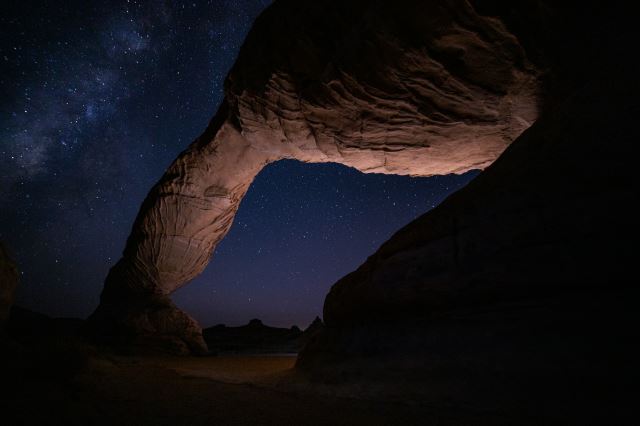
AlUla is an oasis region in northwestern Saudi Arabia, surrounded by sandstone mountains, desert valleys, and cultivated palm groves. Its landscape has been shaped by the presence of water, with the AlUla oasis supporting date palms, citrus trees, and other crops within an otherwise arid setting. The area is particularly known for its combination of archaeological sites and unusual rock formations.