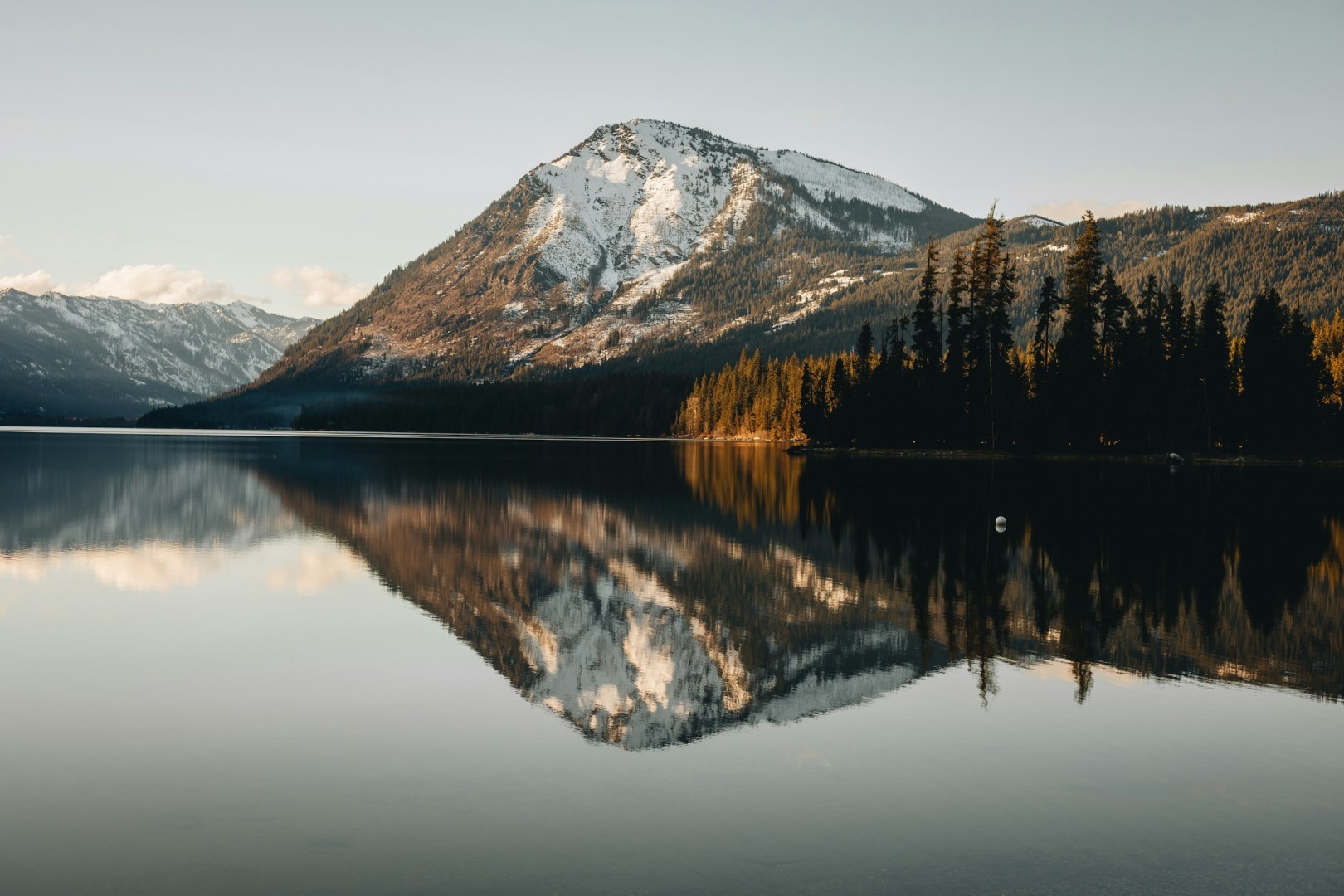
Wenatchee
Our mountains are high with lush forest and pristine alpine lakes hidden from the too casual viewer. Wildlife abound along the rippling streams that feed the wild waters of the Wenatchee River, finally merging with the mighty Columbia. King salmon fighting to return to their birthplace can be viewed from the Rocky Reach Dam. Nature is at its unspoiled best

Corner Brook
The Corner Brook region is one of eastern Canada's top four season vacation destinations and offers a wide variety of experiences from relaxing scenic drives to high adventure in the wilds of the backcountry.
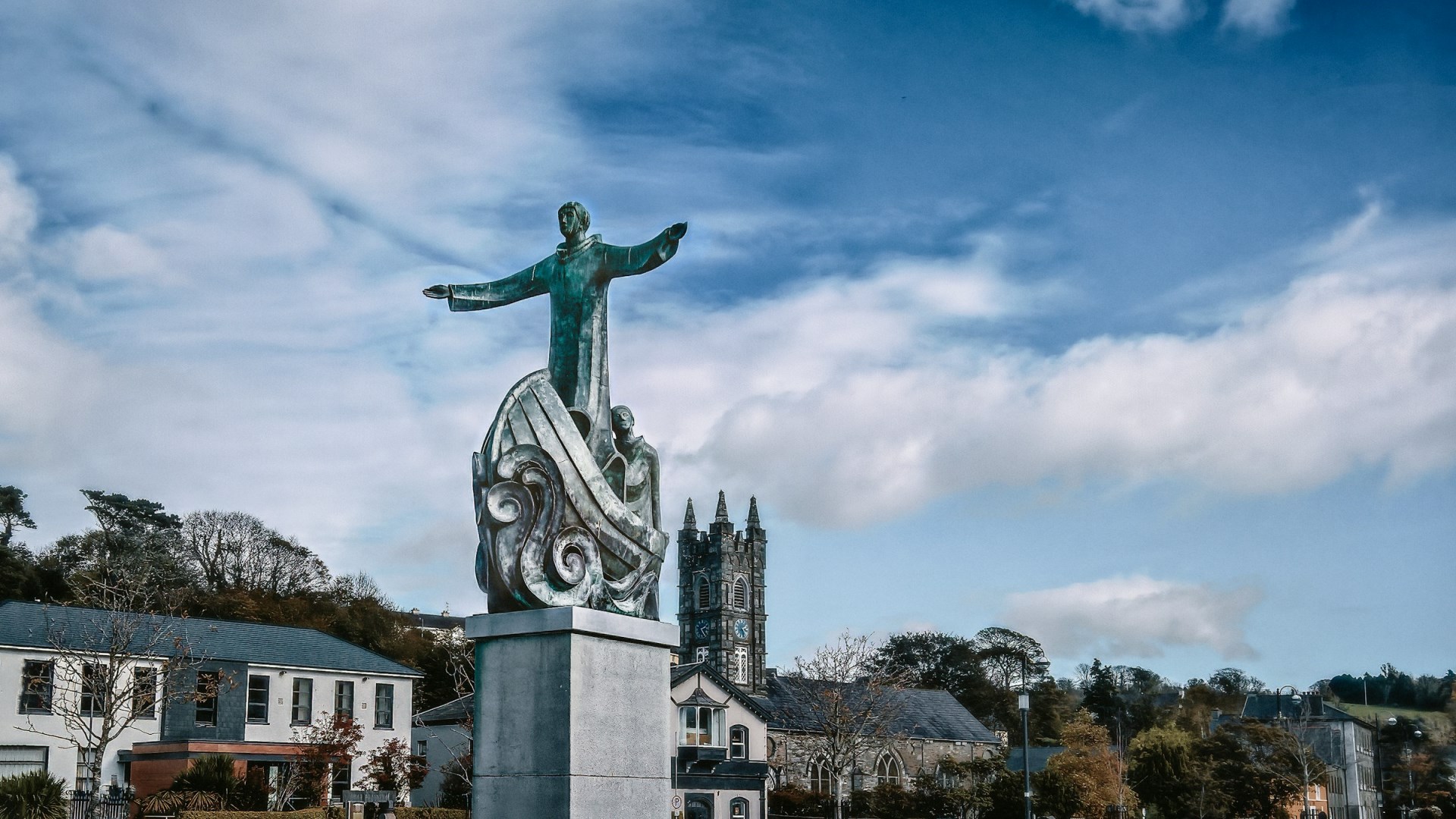
Bantry
Bantry is a market town on the northern shore of Bantry Bay in County Cork, where the coast opens toward the Atlantic Ocean. The town is surrounded by wooded hills, farmland, and a sheltered bay dotted with islands and peninsulas. Its harbor remains an important feature, while the main square and streets contain shops, cafés, pubs, and other local businesses serving the surrounding communities.
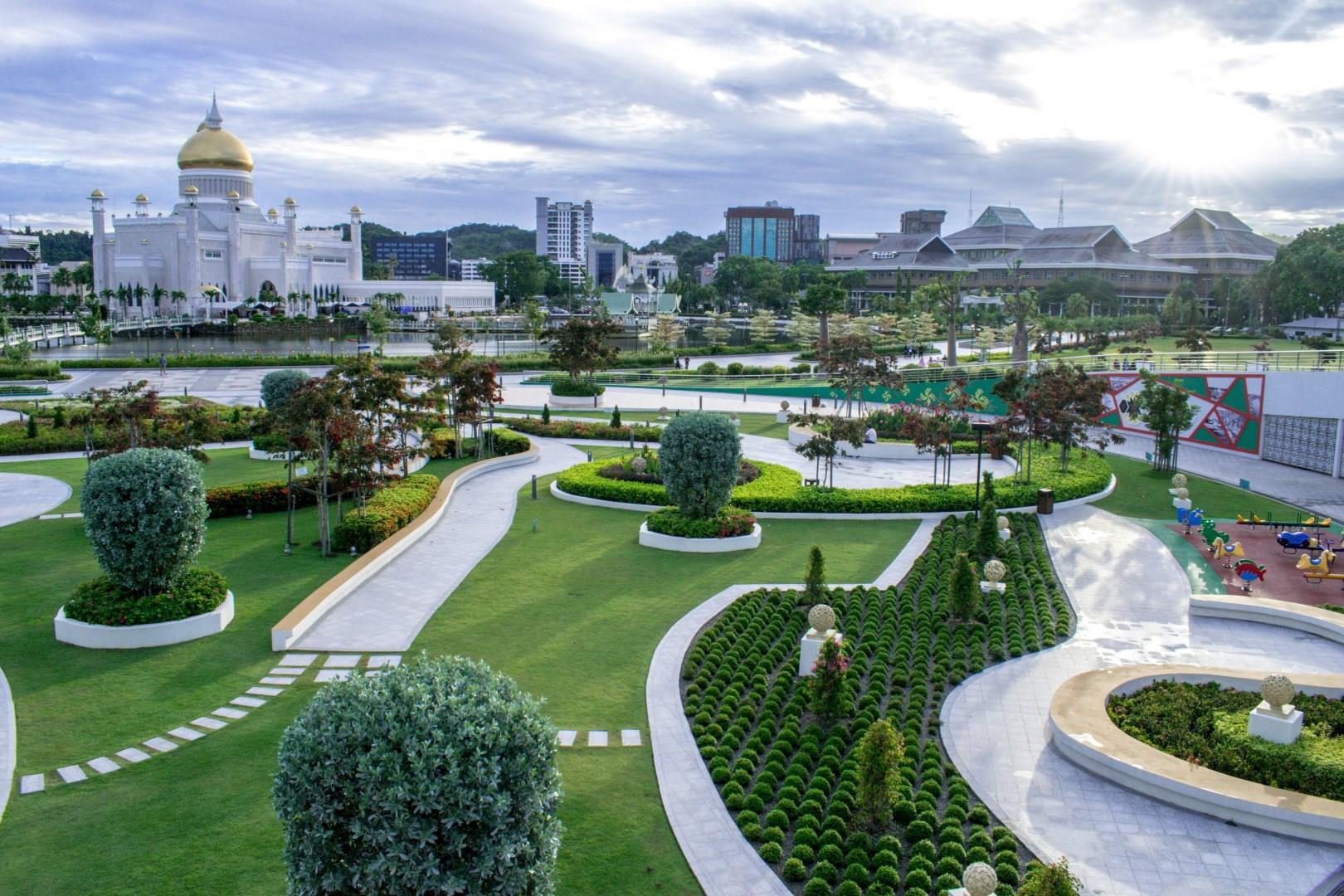
Brunei
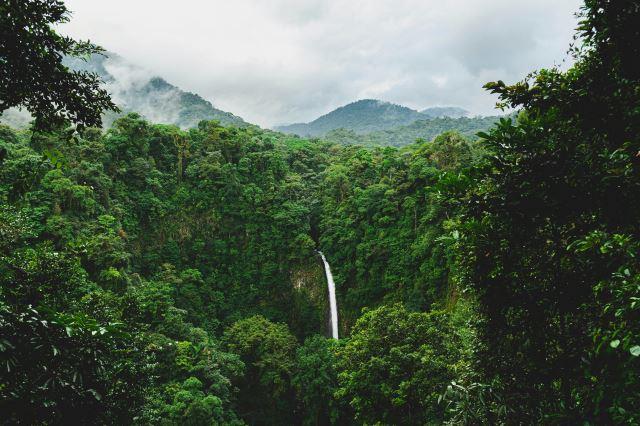
Brunei is a small country on the island of Borneo known for its wealth, tropical rainforests, and rich cultural heritage. The country’s landscapes are a mix of dense jungles, rivers, and coastal mangroves, offering a peaceful environment where nature remains largely intact.
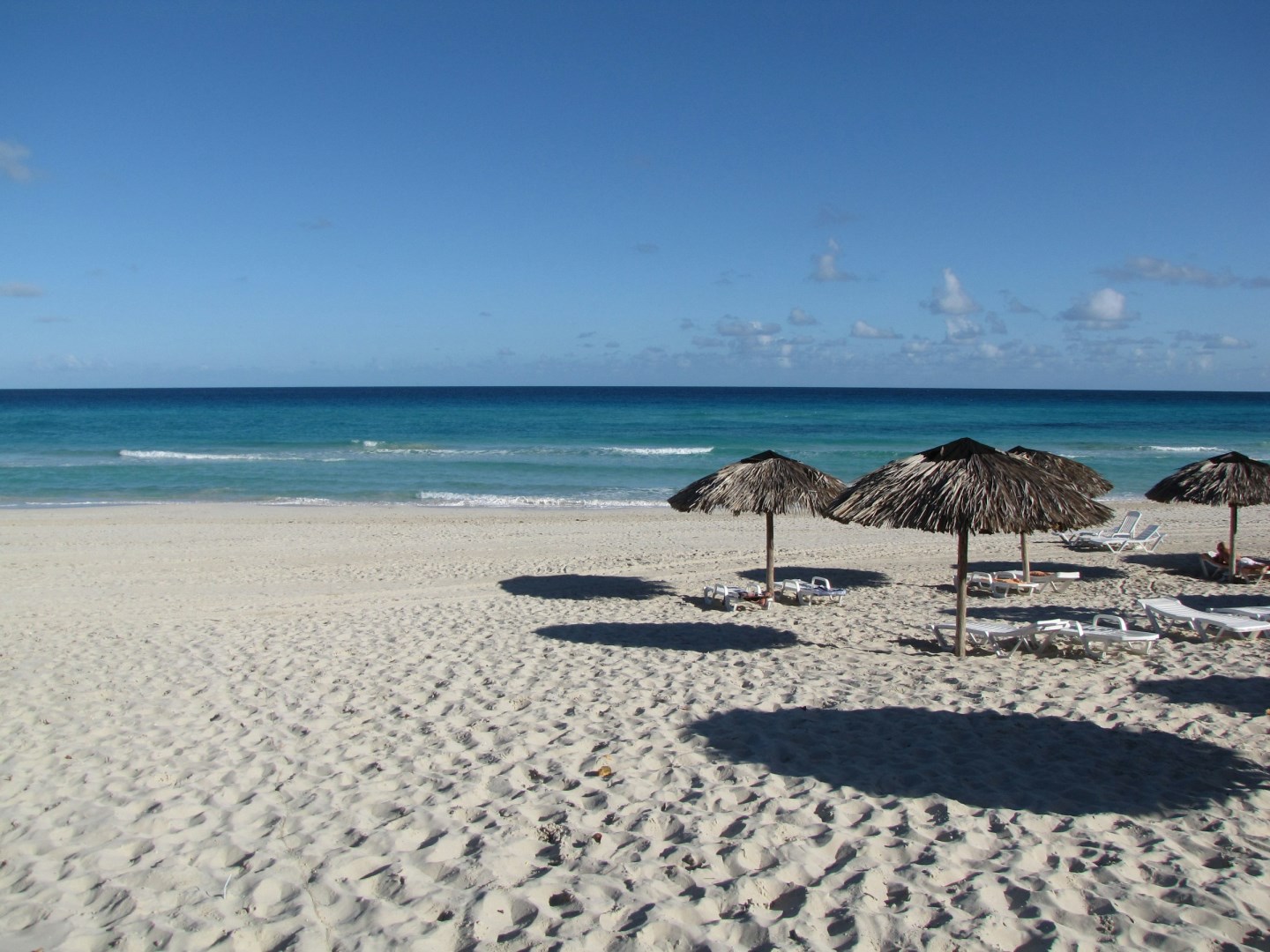
Varadero
Varadero, set along Cuba’s Hicacos Peninsula, is one of the Caribbean’s most renowned beach destinations. Its 20 kilometers of powdery white sand and clear turquoise waters have made it a favorite for relaxation, water sports, and resort stays.