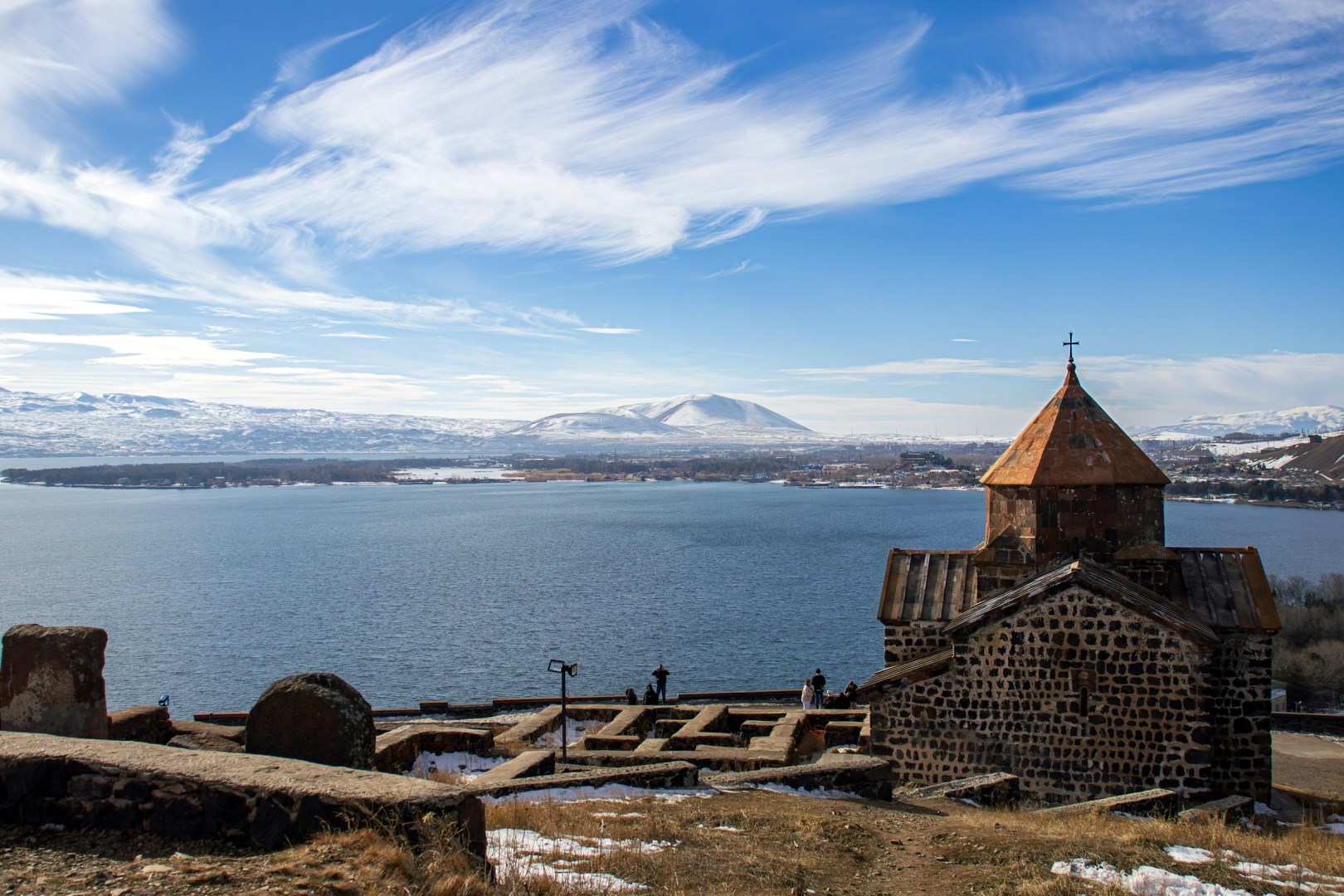
Sevan
Sevan is a town in Armenia's Gegharkunik Province, located beside Lake Sevan, one of the largest high-altitude freshwater lakes in the Caucasus. The town sits at more than 1,900 meters above sea level, with the lake extending across a broad basin surrounded by mountains. Sevan's landscape combines open water, grassy hills, rocky shores, and cultivated areas, while the cool climate distinguishes it from Armenia's lower valleys.
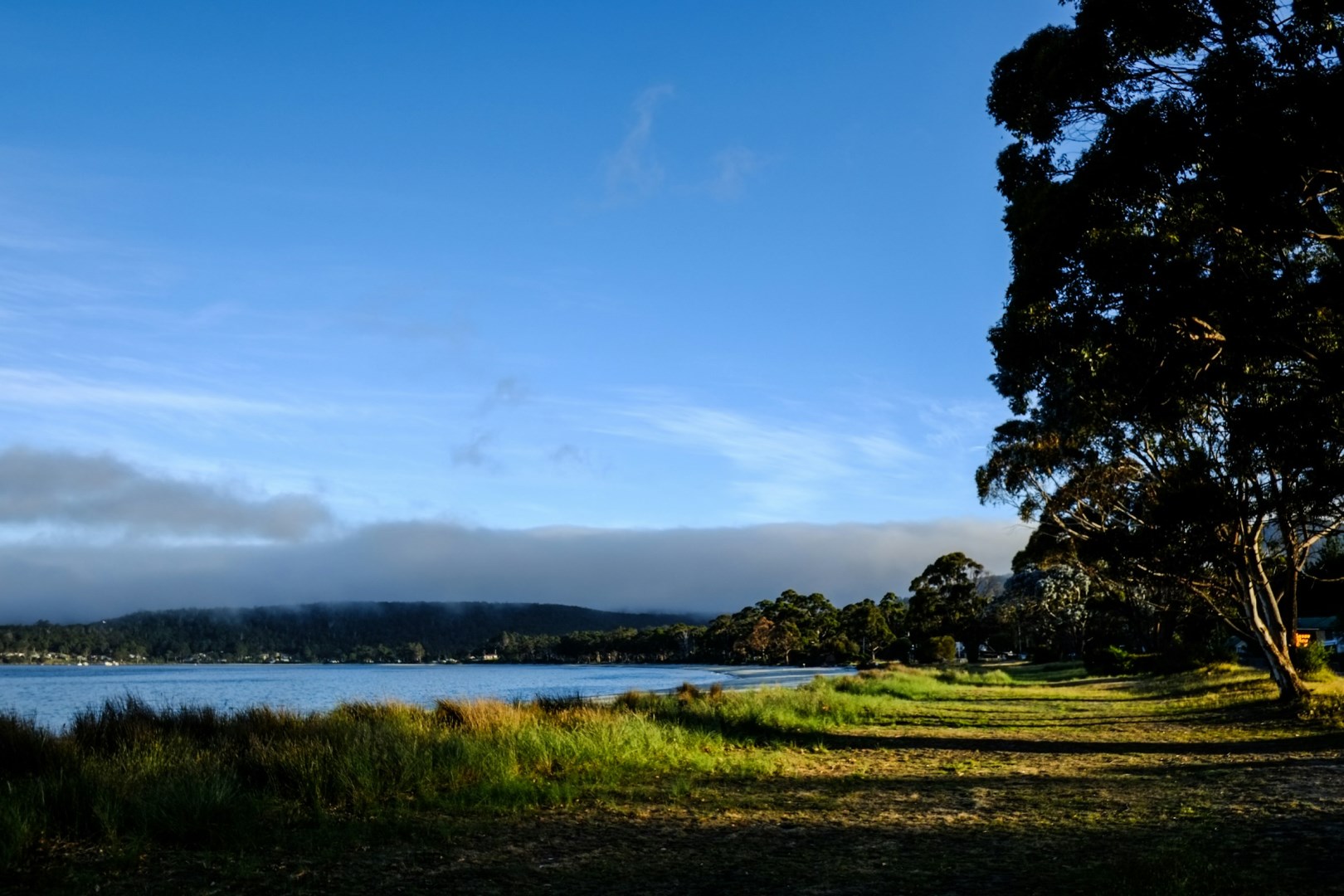
Bruny Island
Bruny Island is an island destination off the south-east coast of Tasmania, separated from the mainland by the D’Entrecasteaux Channel and reached by a short vehicle ferry from Kettering. The island consists of North Bruny and South Bruny, connected by a narrow isthmus known as The Neck. Its landscape includes beaches, sheltered bays, forests, farmland, cliffs, and coastal heath.
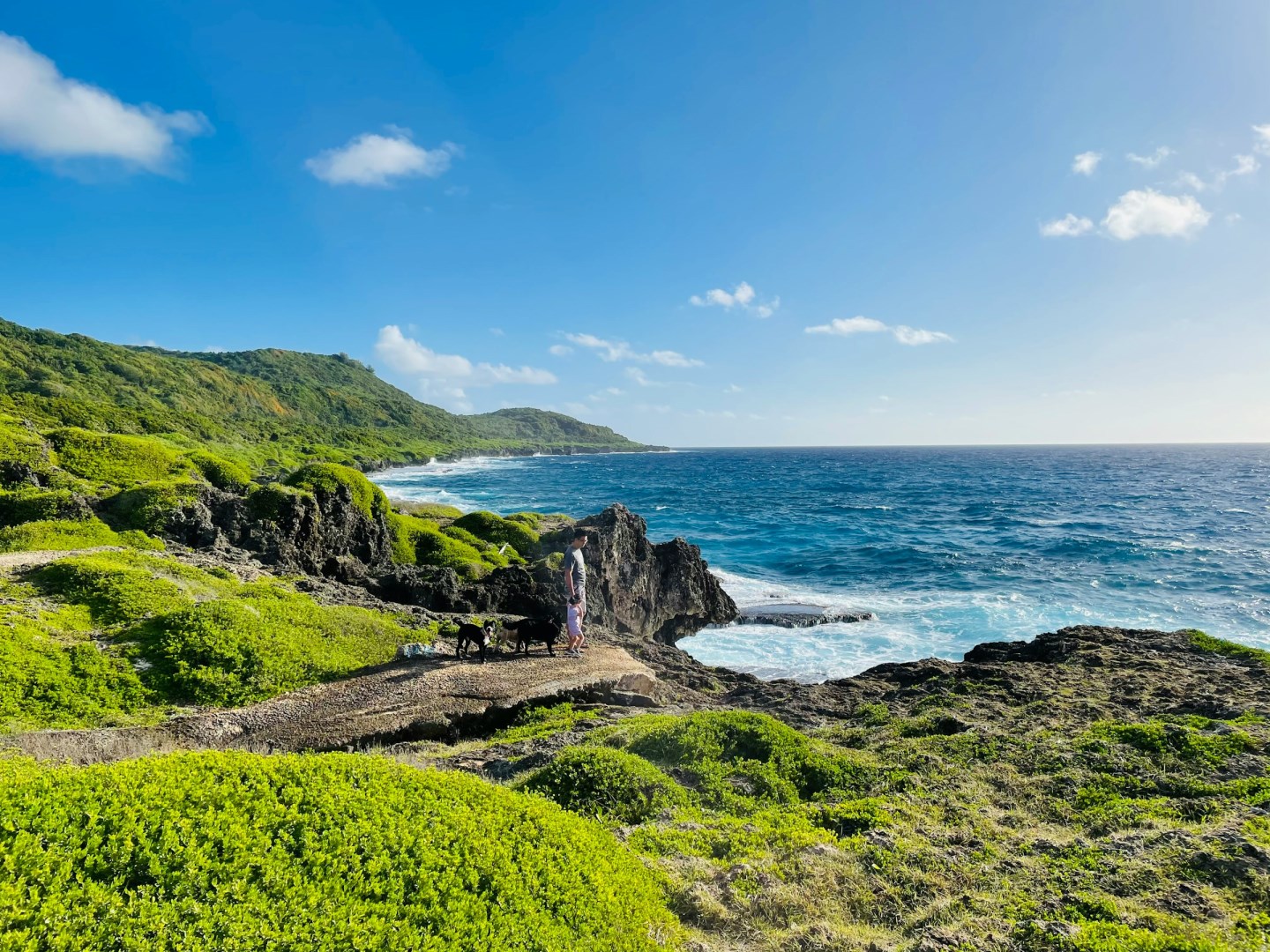
Pagat
Pagat is a historic village area on Guam's northeastern coast, known for its archaeological remains, limestone cliffs, caves, and coastal trails. The area lies within Guam's rugged northern landscape, where dense vegetation covers limestone terraces above the Pacific Ocean. Pagat is particularly significant because it preserves evidence of ancient CHamoru settlement, including stone structures, pottery fragments, and remnants of traditional village life.
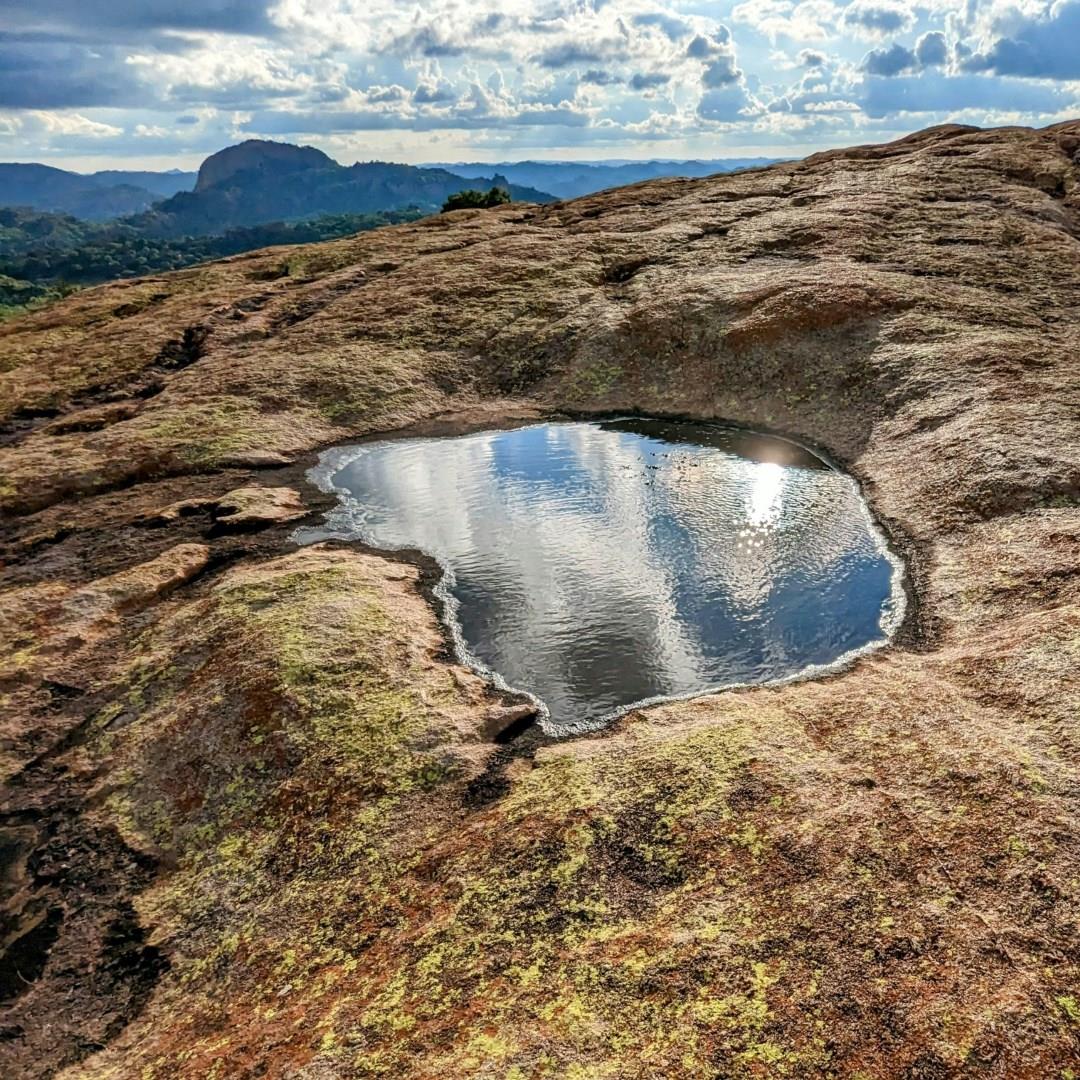
Matobo National Park
Matobo National Park sits in the rolling hills of southern Zimbabwe stands as one of the country’s most remarkable landscapes. Its granite domes, balancing rocks and wooded valleys have formed over more than two billion years, creating a setting that feels both ancient and alive. As a UNESCO World Heritage cultural site, the park preserves a landscape that has shaped human life here for millennia, drawing travelers to explore its unusual terrain and storied past.
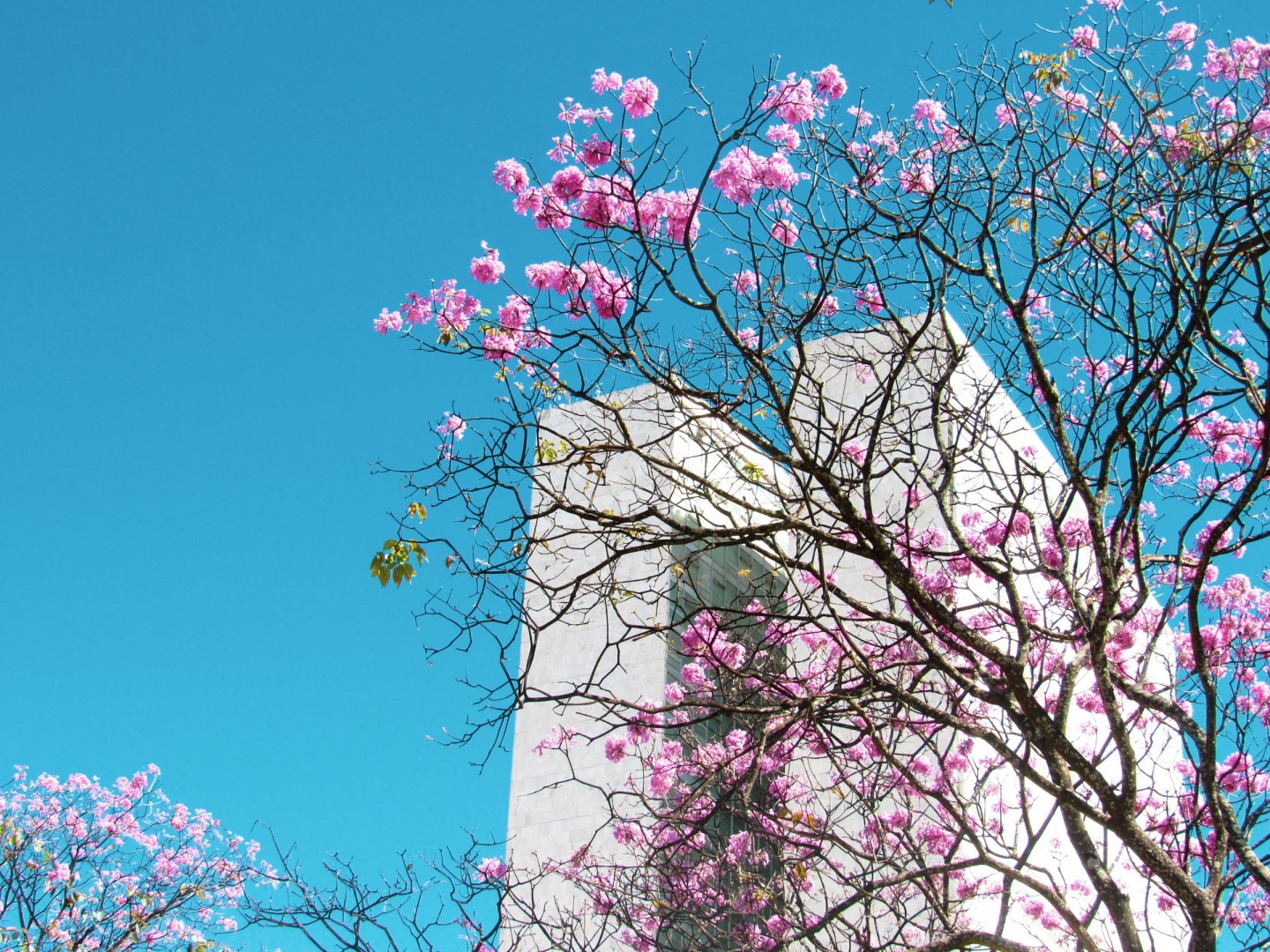
Brasília
Brasília may be a World Heritage Site, but it is only of interest to town planning and architecture students, and those keen to witness the folly of man on a metropolitan scale. It must have looked good on paper, and still looks good in photos, but in the flesh, forget it. Designed by architect Oscar Niemeyer, urban planner Lucio Costa, and landscape architect Burle Marx, the city was built in an incredible three years between 1957 and 1960.