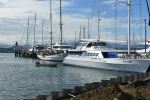
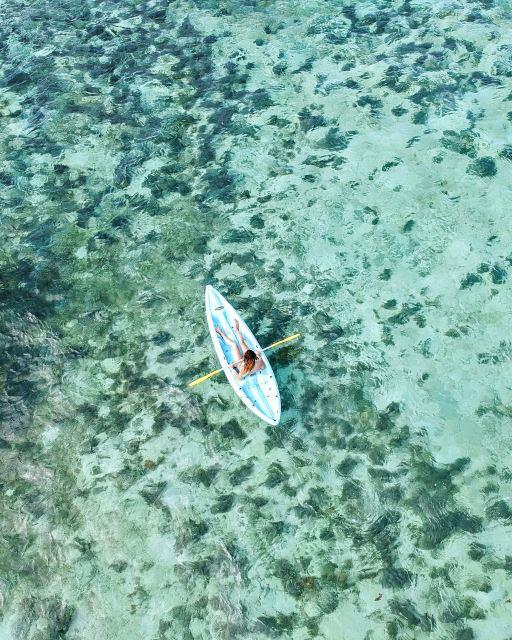
The Island of Mozambique, a UNESCO World Heritage Site, is a historical gem nestled off the northern coast of Mozambique. This small island, which was once a pivotal trading post, boasts a rich tapestry of history and culture. The island's main attraction is the Fort São Sebastião, an imposing 16th-century fortress built by the Portuguese to protect their trading interests.
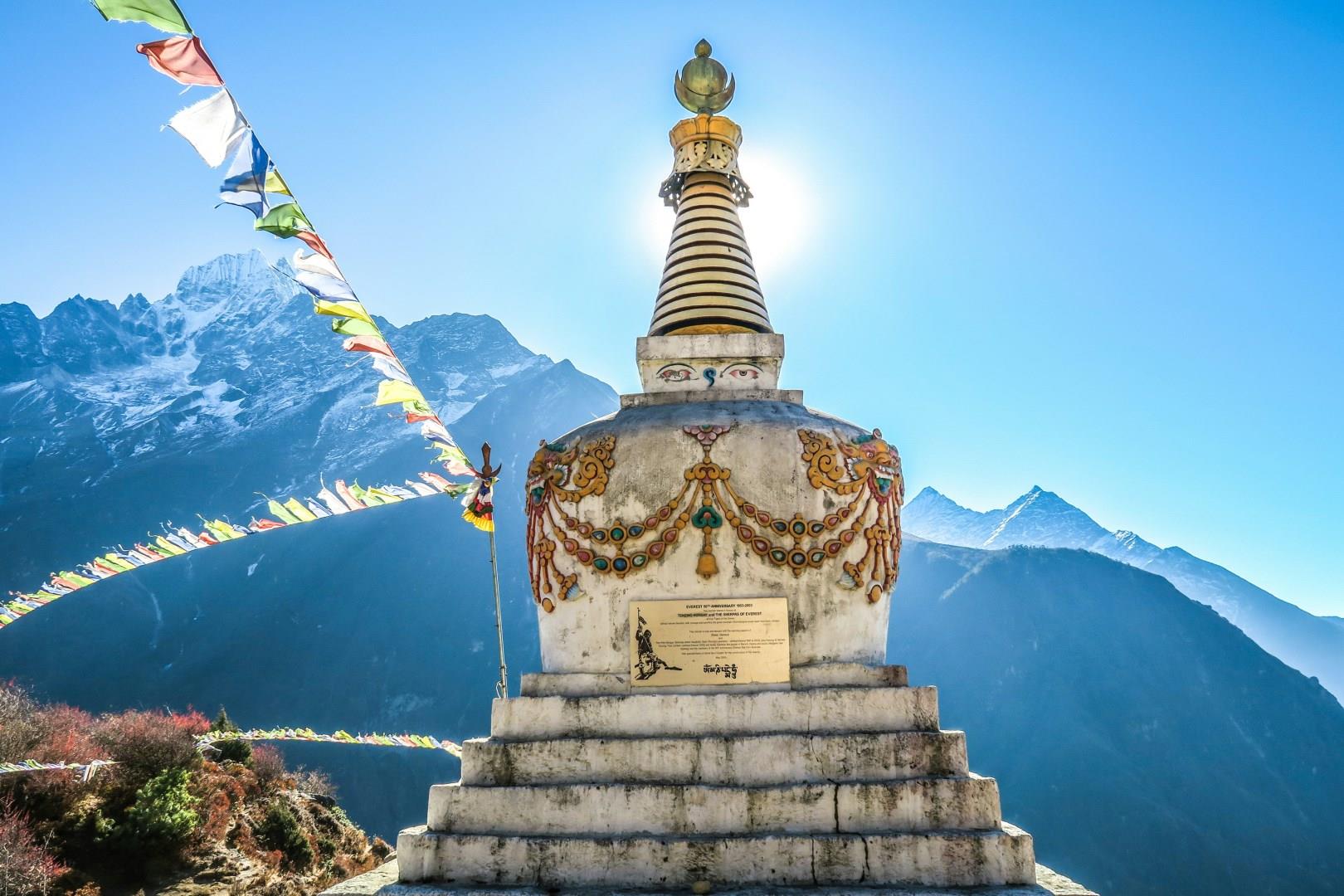
Namche Bazaar, perched at 3,440 meters in the Khumbu region of Nepal, is often called the gateway to Everest, but it’s far more than a rest stop on the way to Base Camp. Once a trading post between Tibetan and Nepali merchants, Namche has developed into a small mountain town where yak caravans and Wi-Fi cafes exist side by side. Despite its remote location, it has a Saturday market that continues to bring traders and trekkers together, just as it did centuries ago.
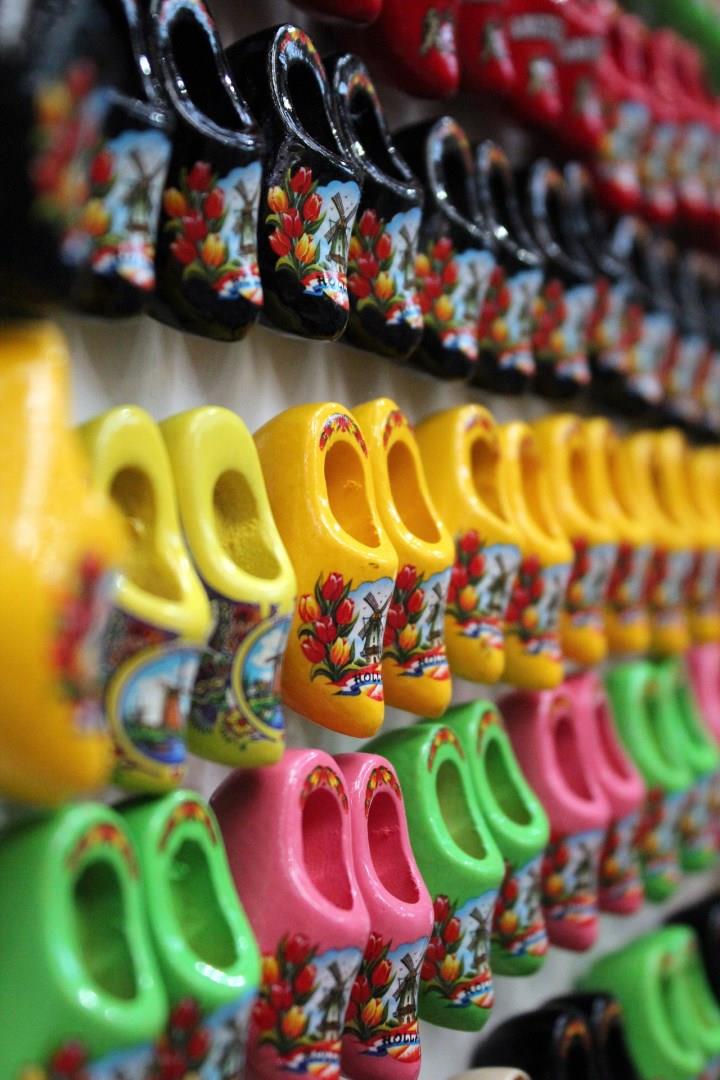
The Netherlands offers travelers a landscape where innovation and tradition intersect. In cities like Amsterdam, visitors can explore centuries-old canal networks and Golden Age architecture while also encountering contemporary art installations and sustainable urban design. The Rijksmuseum houses masterpieces by Rembrandt and Vermeer, while a short walk away, the Van Gogh Museum brings visitors closer to one of history’s most studied painters.
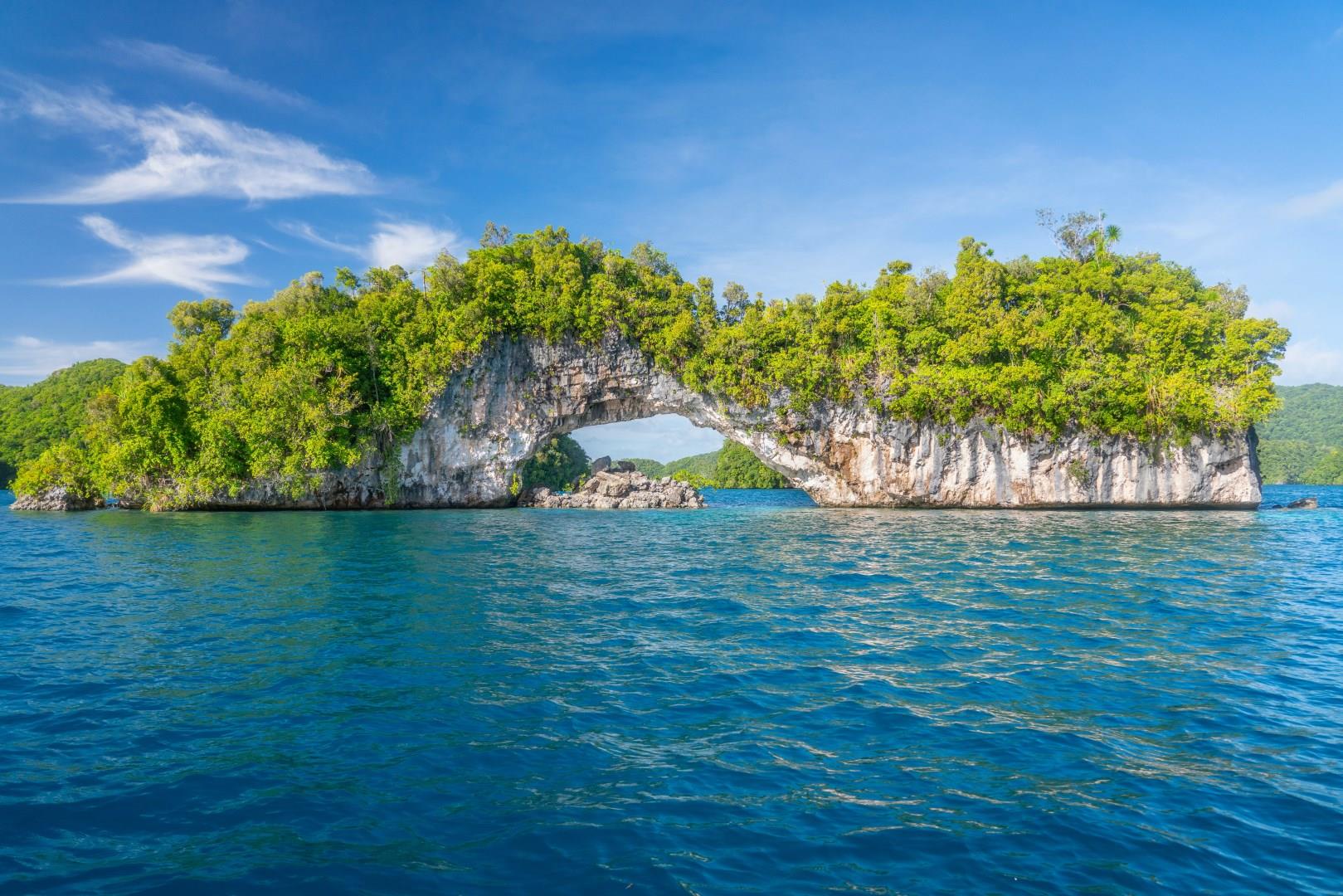
Palau, a Pacific island nation made up of over 500 islands, offers a one-of-a-kind experience for travelers who want to discover something both ancient and alive. Located between the Philippines and Guam, this small country is known for its otherworldly seascapes, but its appeal runs far deeper than its turquoise waters.
Phuket, Thailand’s largest island, has long served as a cultural and trade crossroads in the Andaman Sea. Centuries ago, it was a stopover for merchants trading tin, spices, and textiles, with influences from Chinese, Portuguese, Indian, and Malay travelers still reflected in the island’s architecture and cuisine. Inland, the Khao Phra Thaeo Wildlife Sanctuary protects rainforest habitat home to gibbons, civets, and exotic birds.
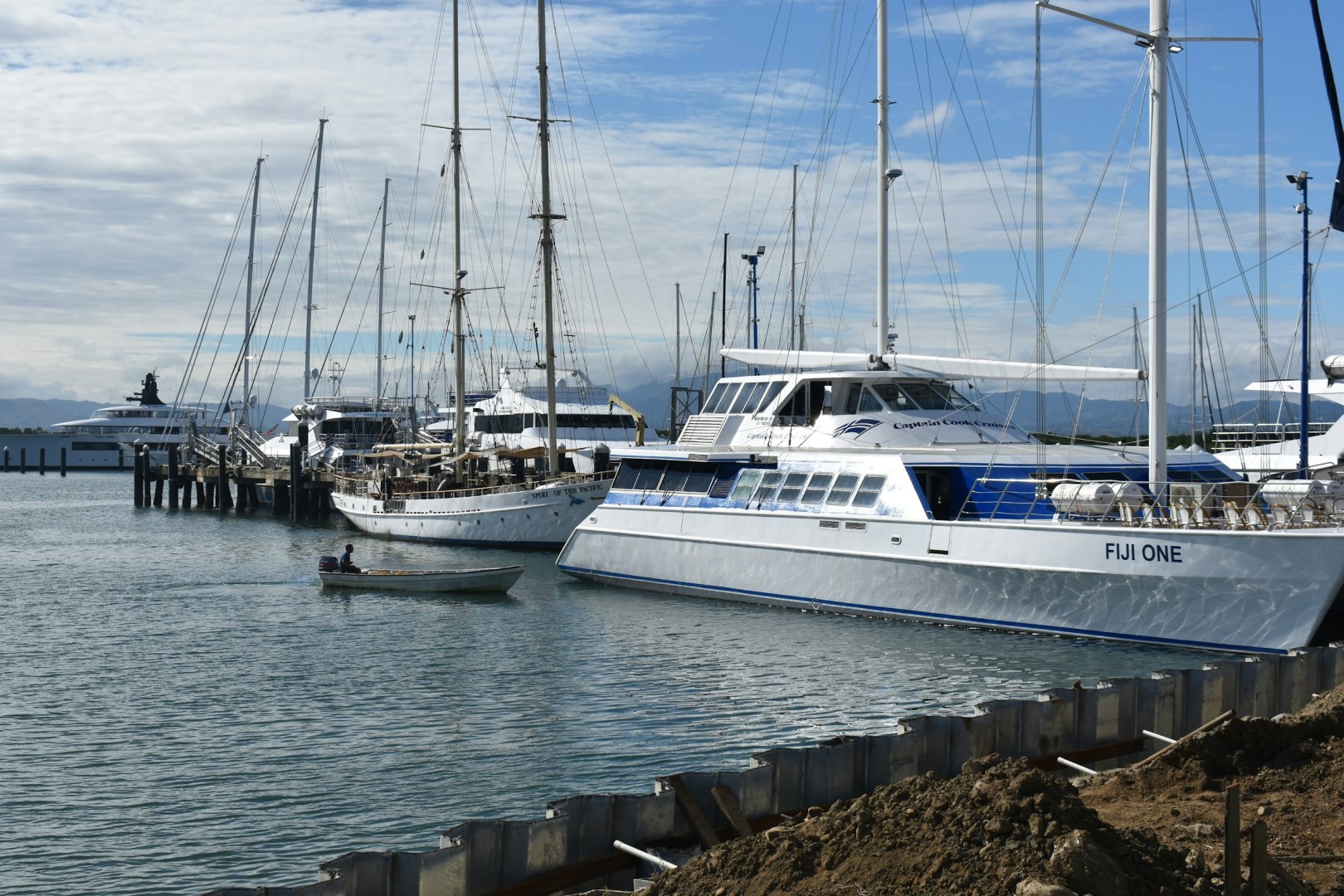
Port Denarau, Fiji, is a luxurious gateway to the tropical wonders of the South Pacific. Situated on Denarau Island, just a short drive from Nadi International Airport, Port Denarau serves as the main hub for visitors seeking to explore Fiji's pristine islands and vibrant marine life. The port itself is a bustling marina filled with yachts and catamarans, offering daily excursions to the Mamanuca and Yasawa Islands, where you can snorkel in crystal-clear waters, dive among colorful coral reefs, or simply relax on white sandy beaches.
The marina is surrounded by a lively precinct, home to a variety of upscale resorts, restaurants, and shops. Stroll along the boardwalk and enjoy a meal with a view, as the sun sets over the Pacific Ocean, casting a golden glow across the harbor. For those interested in local culture, Port Denarau is also a great place to experience Fijian hospitality, with traditional music and dance performances regularly held in the area.
Beyond the marina, Denarau Island boasts an 18-hole championship golf course, where golfers can play a round while taking in stunning ocean views. The island’s spa facilities offer a perfect opportunity to unwind and indulge in rejuvenating treatments inspired by ancient Fijian rituals. For families, the nearby Big Bula Waterpark provides a fun day out, with its giant inflatable slides and wave pools.
Fun Fact: Port Denarau is the largest integrated resort in the South Pacific, seamlessly blending luxury accommodations with access to some of the world's most beautiful natural landscapes .
Other Popular Destinations in Fiji
Nadi
Nadi, a vibrant city on Fiji's western coast, offers a gateway to some of the South Pacific's most enchanting experiences. Known for its bustling markets and lively atmosphere, Nadi is a hub of culture and activity. A must-see is the Sri Siva Subramaniya Temple, the largest Hindu temple in the Southern Hemisphere, renowned for its intricate Dravidian architecture and colorful frescoes. The temple’s vibrant and spiritual ambiance provides a glimpse into Fiji's rich Indian heritage.
Coral Coast
The Coral Coast stretches along the southern edge of Fiji’s main island of Viti Levu, beginning around 15 km south of Nadi and continuing toward Suva. This 80 km shoreline is dotted with beaches that widen at low tide, bays set against green hills, and a series of small townships that feel welcoming and down to earth. Sigatoka, often called the gateway to the Coral Coast, sits beside the winding Sigatoka River, where local markets brim with fresh tropical fruit and handmade crafts.