Samoa
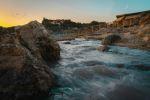
Samoa, a stunning island nation in the South Pacific, invites travelers with its rich cultural traditions and breathtaking landscapes—stunning rainforests, towering waterfalls, and dramatic coastlines that seem to stretch endlessly into the horizon. Made up of two main islands, Upolu and Savaii, along with seven smaller islands, Western Samoa is a vibrant hub of Polynesian culture.
Ben Tre
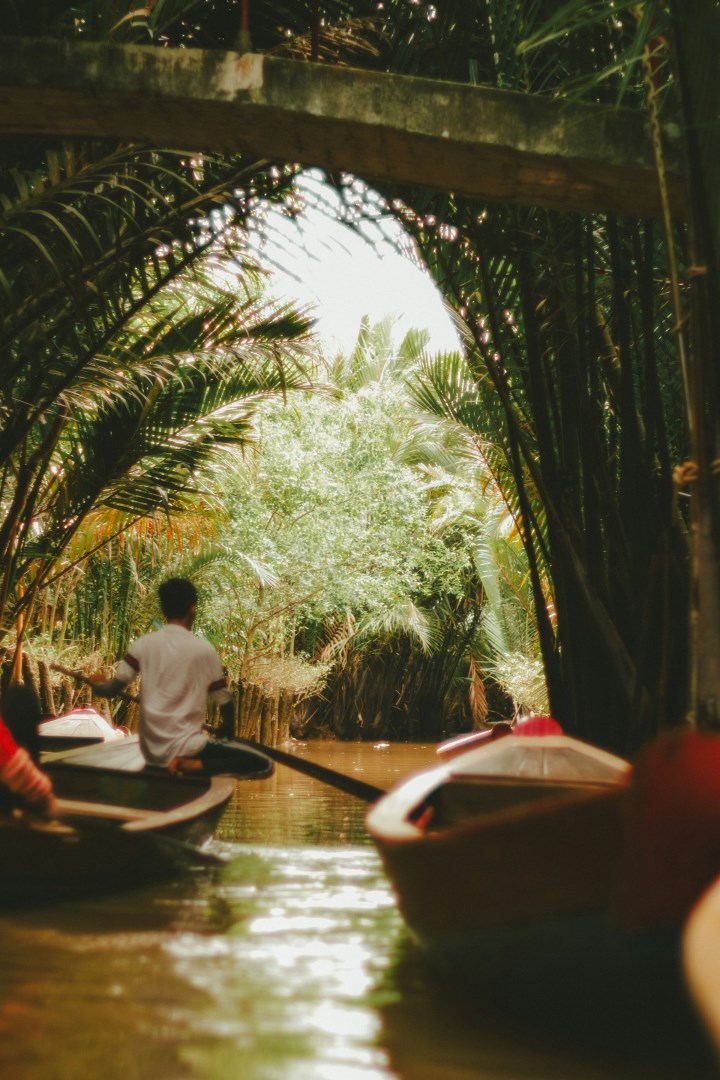
As the capital of the Ben Tre Province, the city of Ben Tre is located in southern Vietnam on the Mekong Delta. Connected to other provinces by a network of bridges, the town draws less tourist traffic than nearby My Tho and Tra Vinh.
Angers
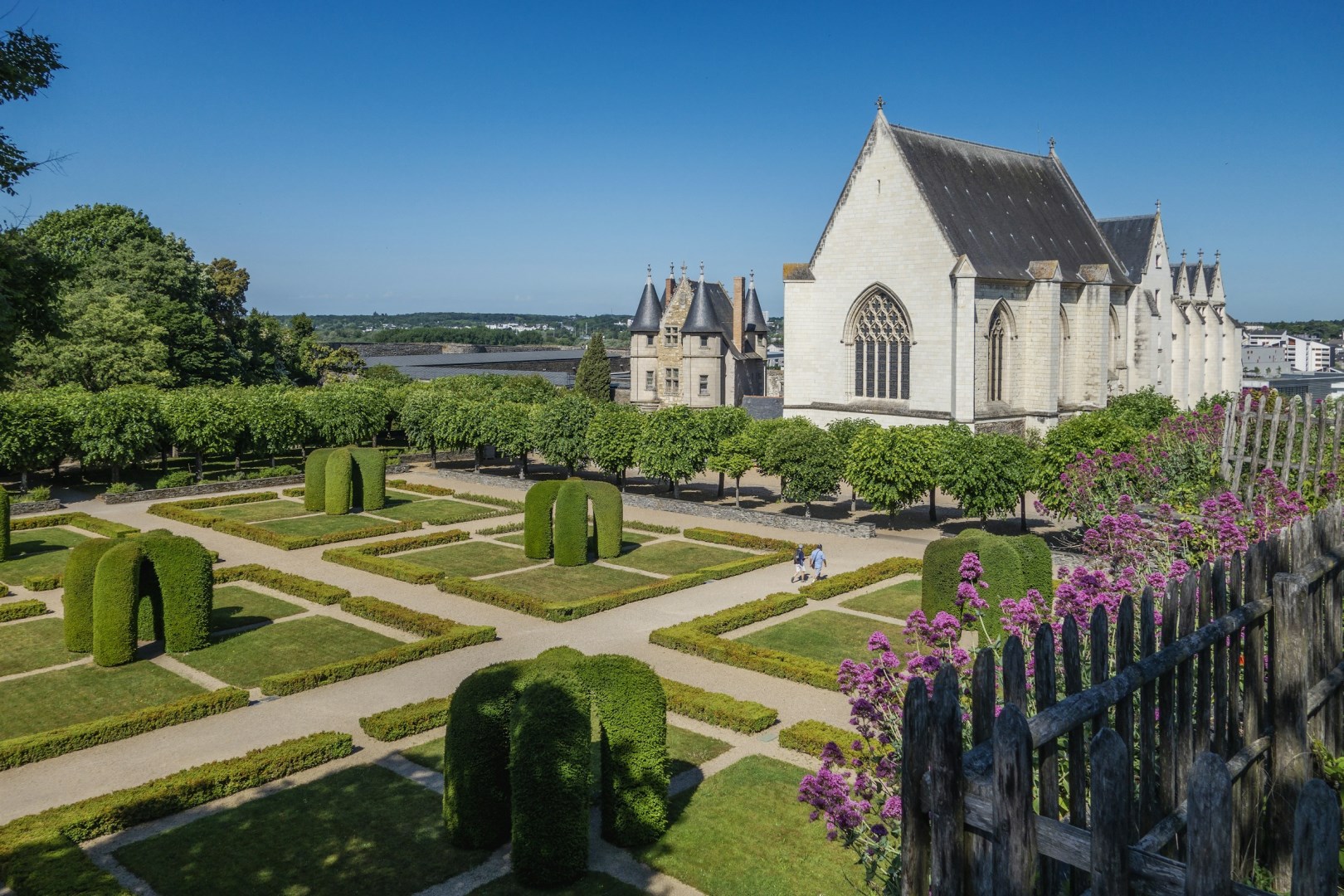
Angers is a city in western France, situated along the Maine River in the Loire Valley and surrounded by the vineyards and countryside of Anjou. Its historic centre combines medieval streets, elegant townhouses, and gardens with a lively university and cultural scene. The Château d'Angers is the city's defining landmark, with massive slate-coloured defensive walls overlooking the river and historic districts.
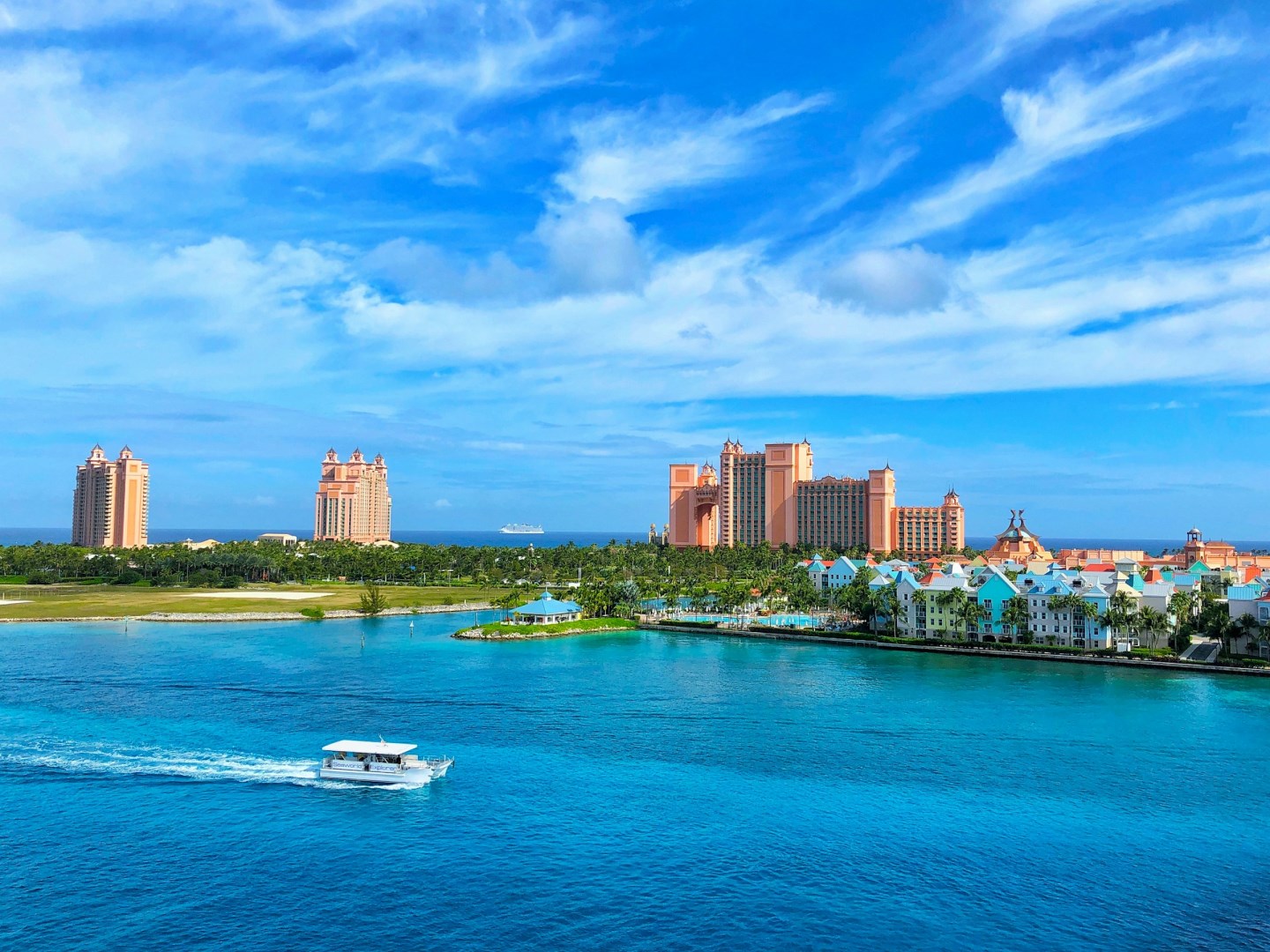
Paradise Island
For a unique exciting vacation explore Paradise, with resorts, casinos and exciting nightlife on an island formerly called "Hog." Its transformation is not unlike Cinderella's putting on the glass slipper. For years the island stood completely undeveloped, its beaches and tropical splendor unnoticed by the world. Suddenly, with the addition of luxurious hotels and a sparkling casino, it was transformed into one of the most glamorous and celebrated resort centers in the world.
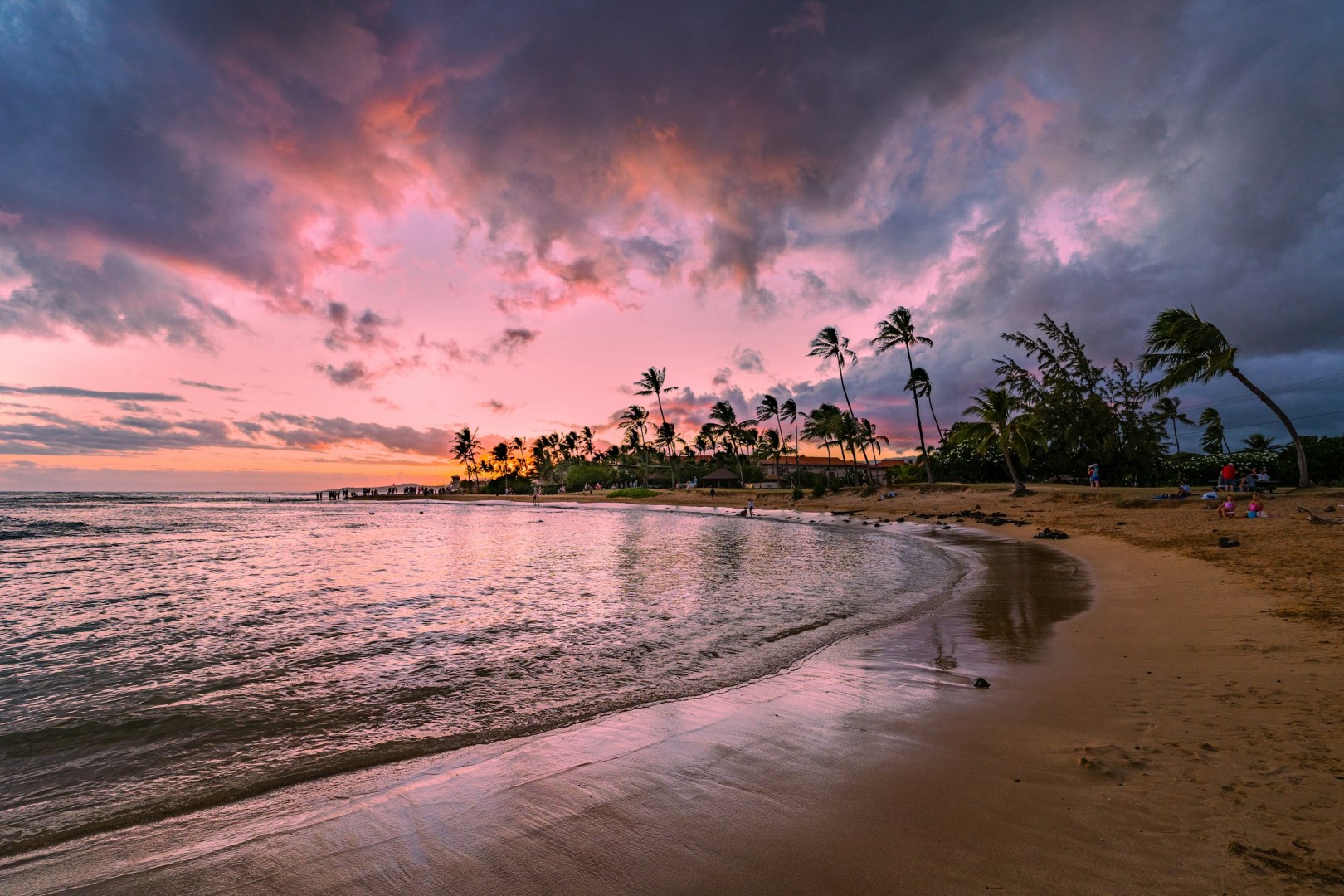
Poʻipū
Poʻipū is a coastal community on the southern shore of Kauaʻi, known for sunny weather, sandy beaches, and access to the island’s sheltered southern coastline. Its landscape includes beaches, lava-rock formations, palm-lined resorts, residential neighborhoods, and open coastal areas. Poʻipū Beach Park is the main public gathering place, with several connected sandy areas and shallow water that can be suitable for swimming when ocean conditions allow.