

Albany
Albany is the oldest European settlement in Western Australia and was a major whaling station, and coal shipping port. There are fantastic views over the town of Albany, and the fantastic coastal scenery from the top of both Mt Clarence and Mt Melville.
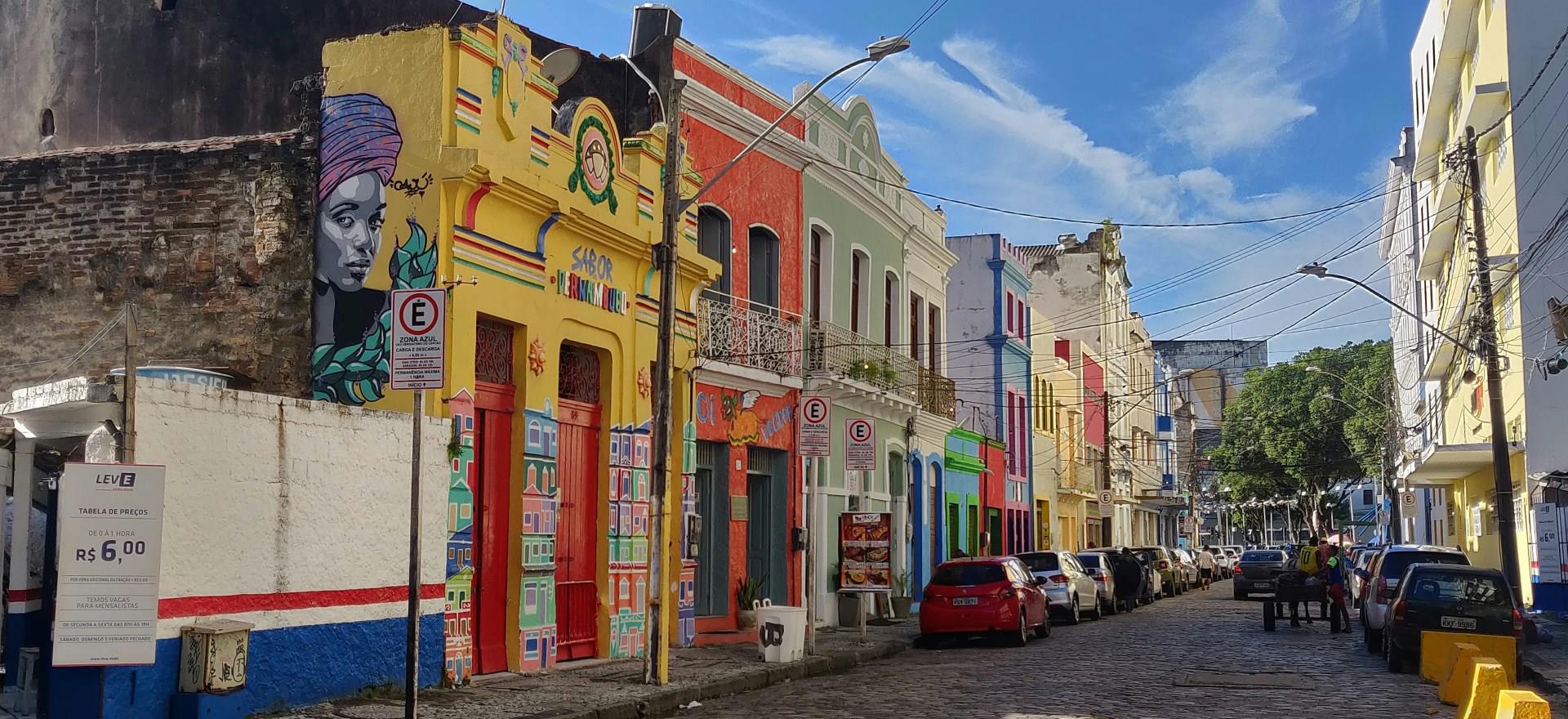
Recife
Recife spreads across a low-lying coastline in northeastern Brazil, shaped by rivers, bridges, and a long history of Atlantic exchange. Founded by the Portuguese and later occupied by the Dutch in the 17th century, the city carries layered influences visible in its street layout, fortifications, and religious buildings.
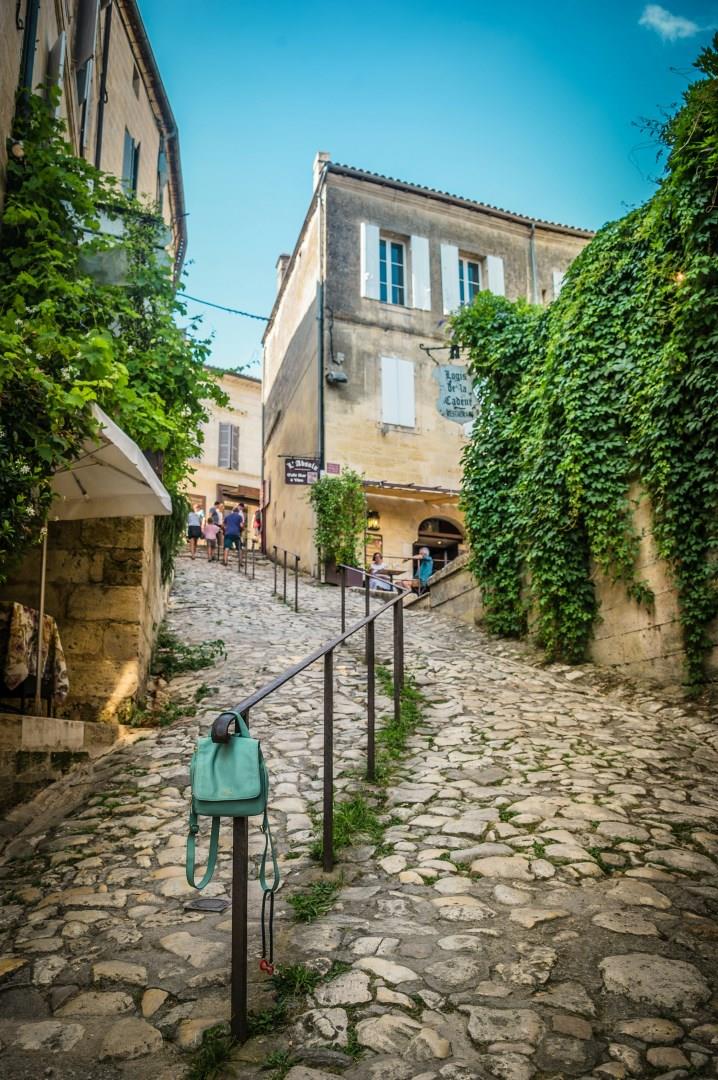
Saint-Émilion
Saint-Émilion, nestled in the heart of southwest France, is a living monument to centuries of craftsmanship, faith, and wine-making. Recognized as a UNESCO World Heritage Site since 1999, this medieval town sits on a limestone plateau surrounded by vineyards that date back to Roman times. Visitors can explore cobbled streets that wind past centuries-old stone houses, descend into underground catacombs carved by monks, and visit the astonishing Monolithic Church.

Caribbean
The Caribbean is a region of vibrant cultures, sunlit shores, and a rich blend of traditions shaped by centuries of history. Scattered across turquoise waters, its islands each offer a unique personality, some bustling with colorful markets and lively music, others known for tranquil beaches and unspoiled nature.

Turks and Caicos Islands
The Turks and Caicos Islands, a British Overseas Territory in the Atlantic, are celebrated for their luminous turquoise waters and powder-soft beaches. Grace Bay on Providenciales is the most famous stretch of sand, consistently ranked among the world’s best, where calm seas and vibrant reefs invite both relaxation and adventure.


