Cyprus
In Cyprus, travelers are immersed in a culture that draws on Europe, the Middle East, and 9000 years of constant invasion. Crusader castles rub shoulders with ancient vineyards, frescoed monasteries overlook citrus orchards, and sandy, sun-soaked feet tread Roman mosaic floors.

Chong Mek
Chong Mek is a small border town in Sirindhorn District of Ubon Ratchathani Province in northeastern Thailand, situated near the crossing into Laos. Its location at the edge of the Dong Phayayen–Khao Yai forest region and close to the Mekong basin gives the area a mix of wooded hills, agricultural land, and cross-border commerce.
Karlstad
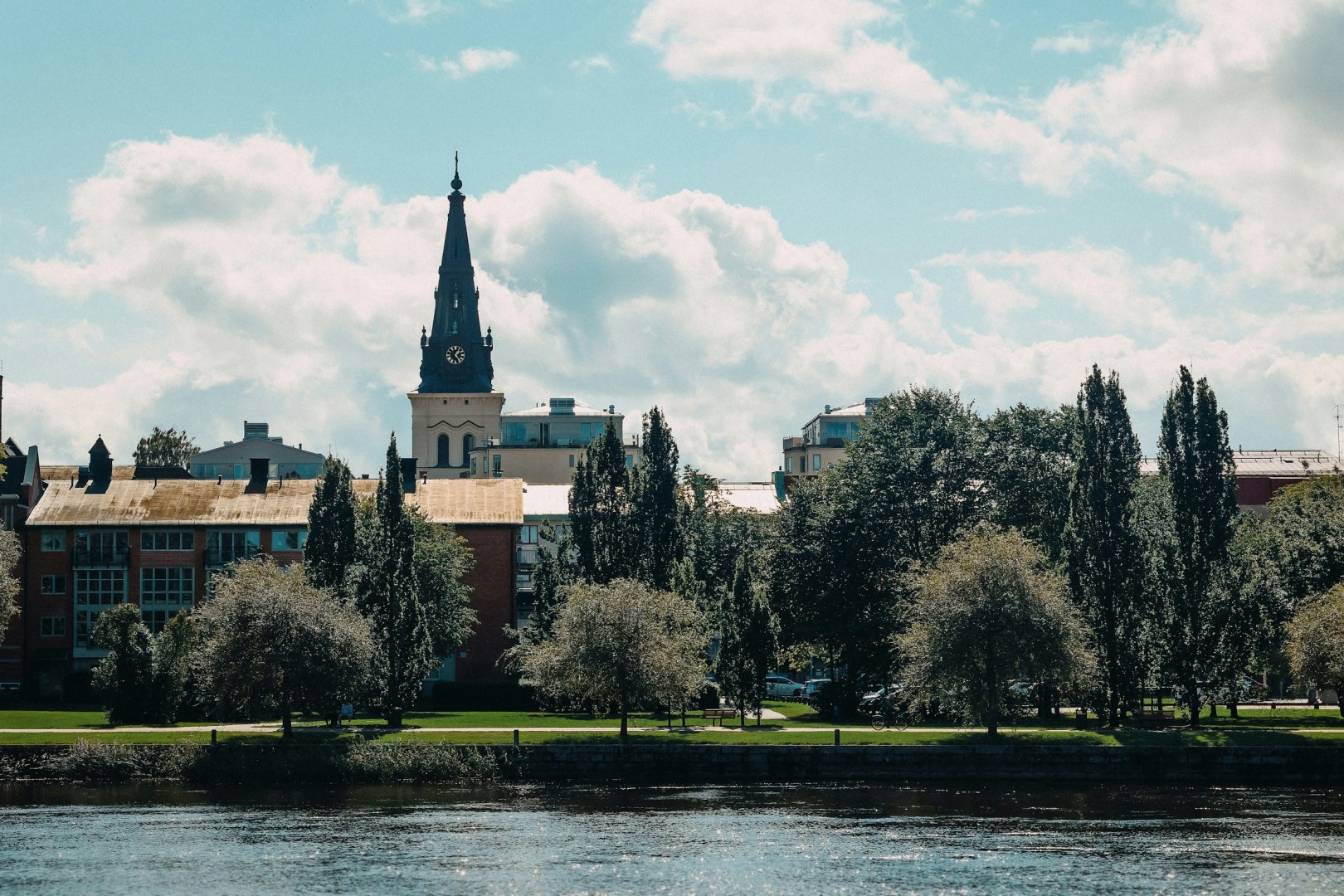
Karlstad, Sweden, is a city that elegantly combines natural beauty with cultural charm. Situated on the banks of Lake Vänern, Sweden’s largest lake, Karlstad is renowned for its picturesque waterfront and abundant sunshine. The city’s Värmlands Museum provides an enriching experience with its exhibits on local history, art, and the region's unique cultural heritage.
Crown Point
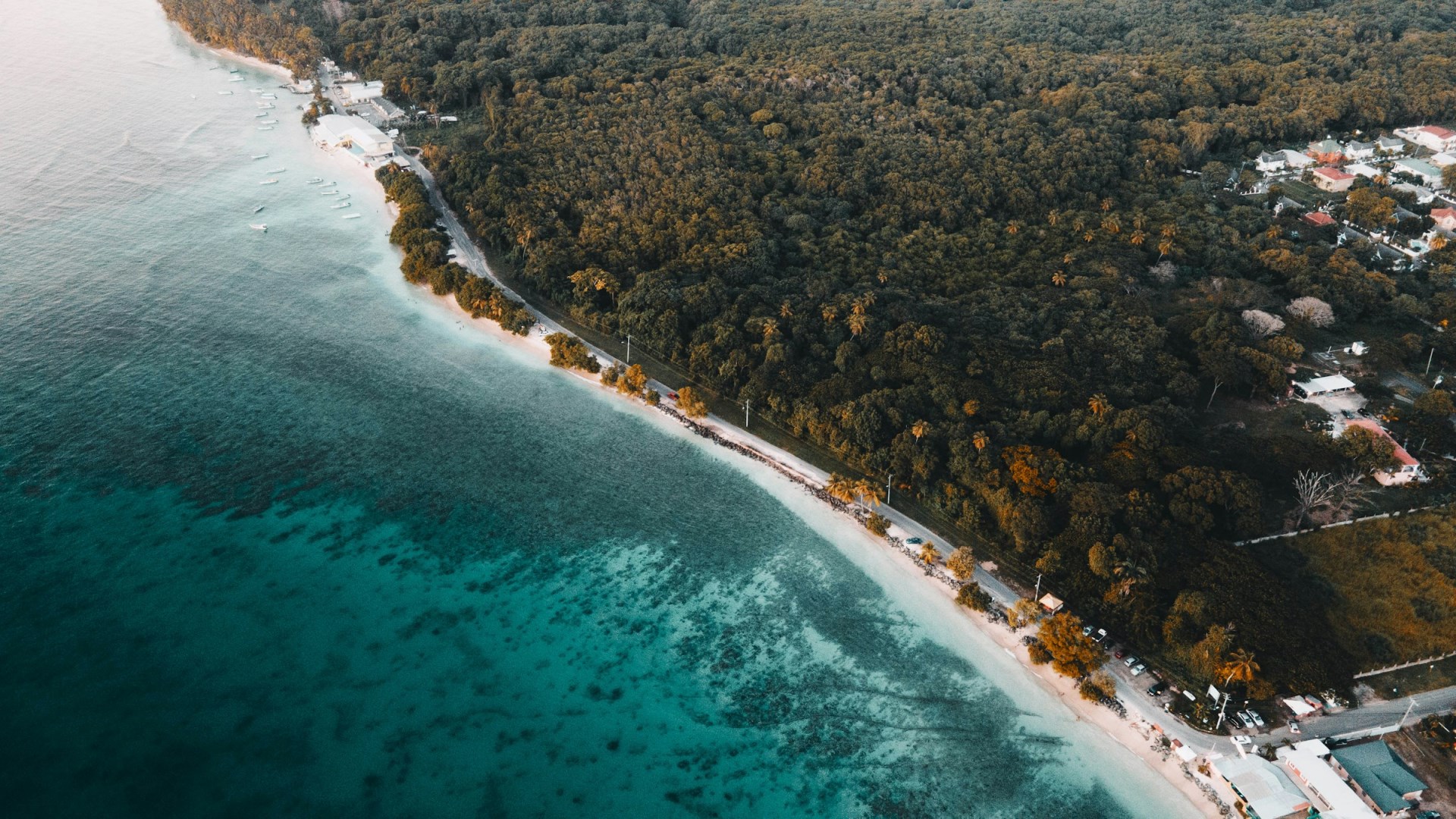
Crown Point is a coastal area at the southwestern tip of Tobago, known for sandy beaches, shallow Caribbean waters, and its proximity to the island’s main airport. The area sits between Store Bay and the shoreline around Pigeon Point, with low hills and tropical vegetation extending inland. Crown Point forms part of Tobago’s main visitor district, with hotels, guesthouses, restaurants, shops, and small businesses spread through the surrounding communities.
Cuiabá
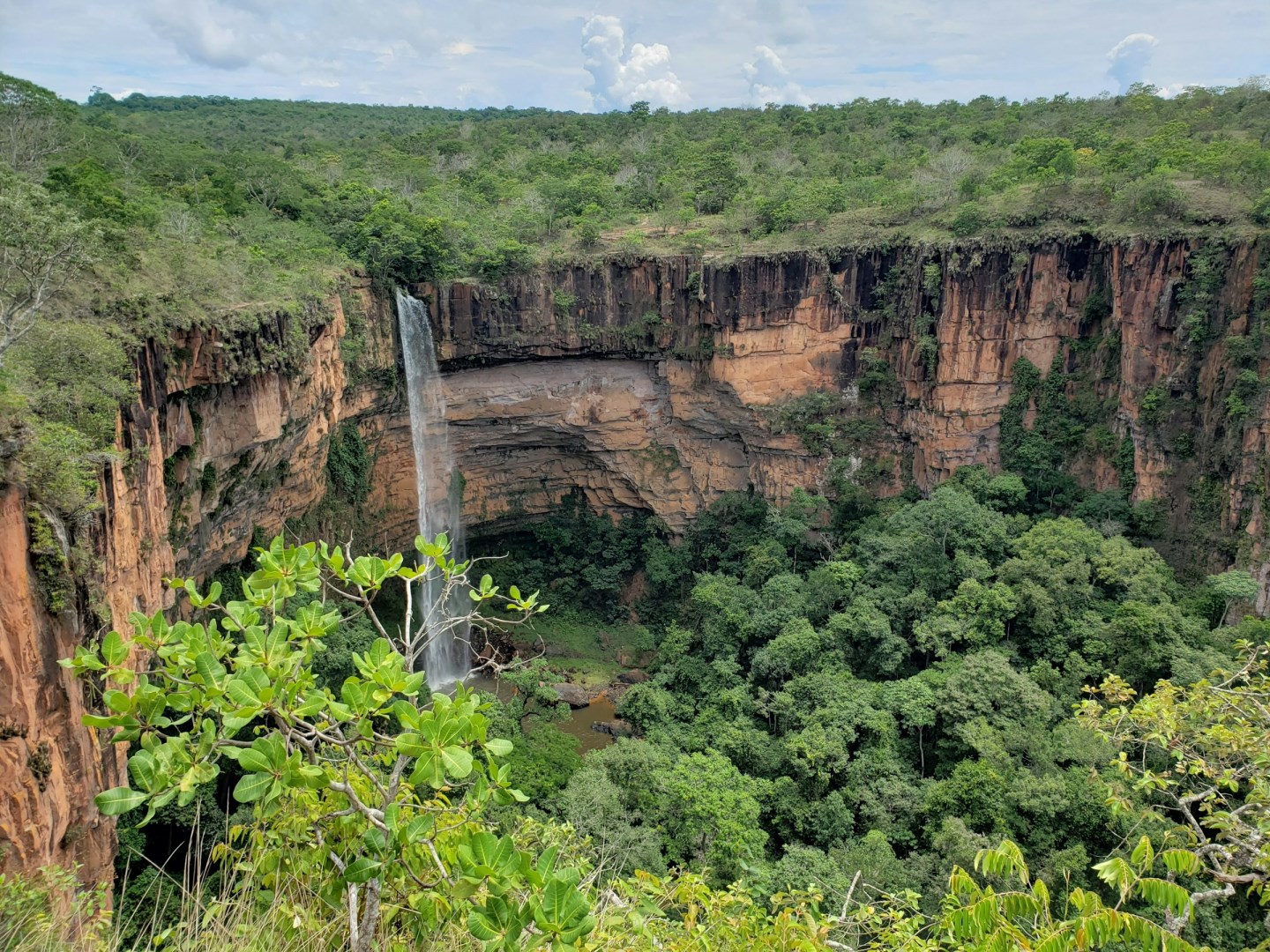
Cuiabá is the capital of Mato Grosso in central-western Brazil and an important gateway to the Pantanal, Chapada dos Guimarães, and other natural areas of the state. The city developed around gold mining and later became an important regional center along the Cuiabá River. Its historic center contains colonial churches, traditional houses, and public squares, while newer districts extend well beyond the old city.