

Umbria
Nestled in the heart of Italy, Umbria is often called the "Green Heart of Italy" due to its lush landscapes and rolling hills. This region offers visitors a tranquil escape from the bustling cities, with medieval hilltop towns, rich history, and exceptional cuisine. Perugia, Umbria's capital, is a cultural hub known for its well-preserved Etruscan history, including the Etruscan Well and Arco Etrusco, a gateway dating back to the third century BC.
West Virginia
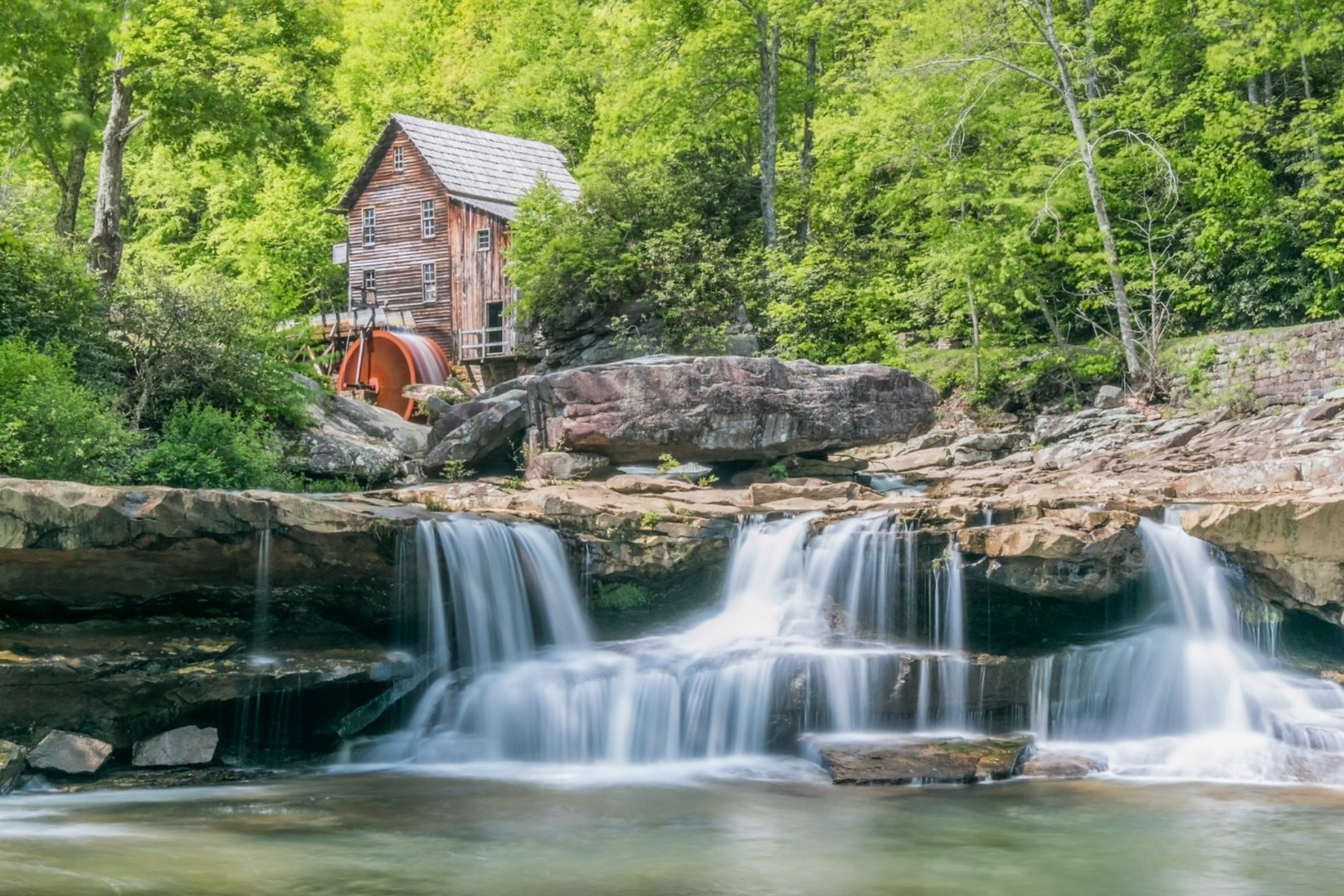
West Virginia offers a travel experience shaped by mountain traditions, surprising culinary finds, and deep historical roots. Today, towns like Harpers Ferry preserve that legacy. Perched at the confluence of the Potomac and Shenandoah rivers, Harpers Ferry feels like a living museum with 19th-century buildings, historical reenactments, and trails that lead directly into the Appalachian Mountains.
Angra dos Reis
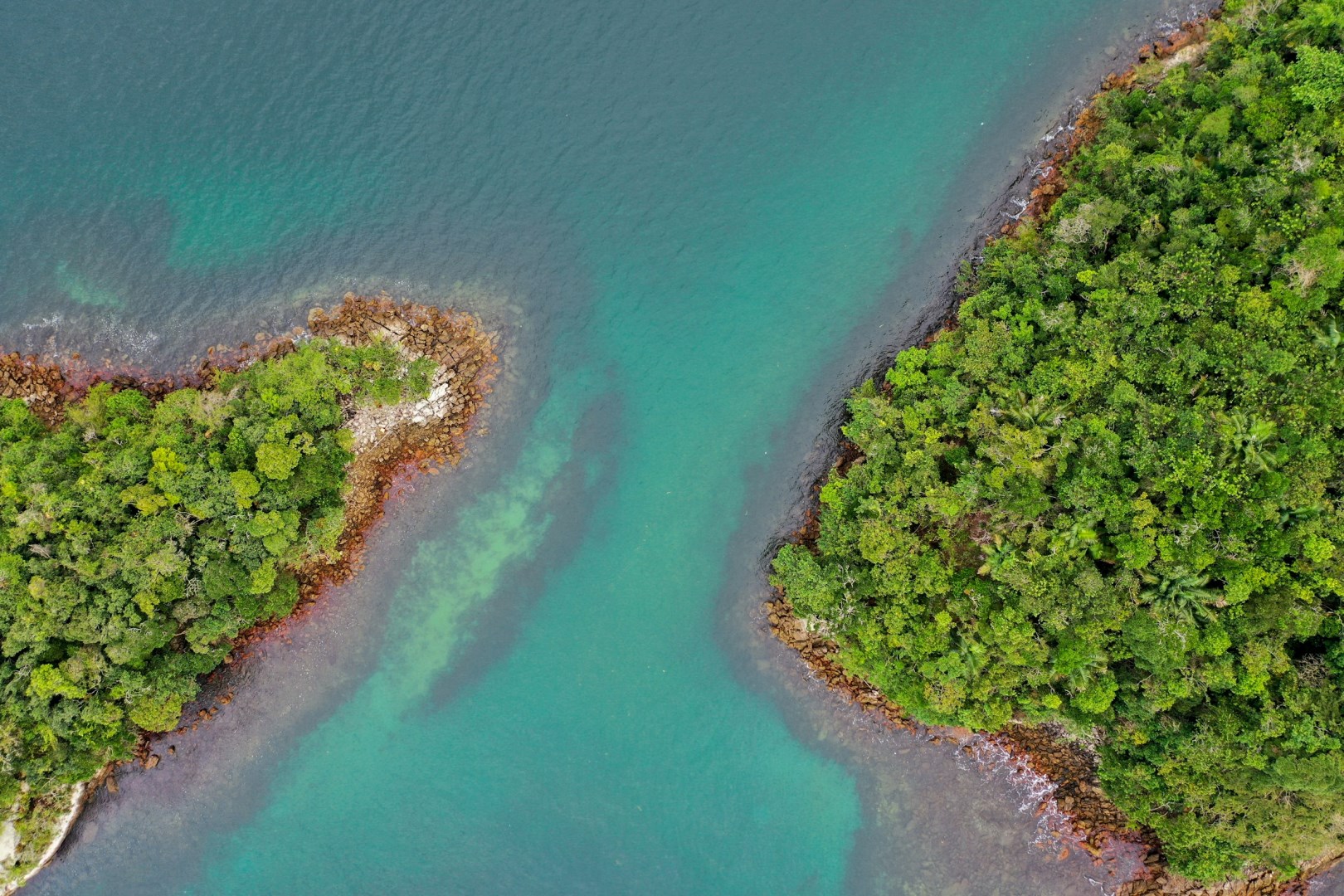
Angra dos Reis is a great destination for nautical relaxation with thousands of beaches and 365 islands. This brilliant landscape is surrounded by the calm, crystal-clear waters. Angra is in the center of Costa Verde in the state of Rio de Janeiro, one of the most beautiful regions of the country.

Málaga
Not only is Malaga the birthplace of famous Spanish artist Pablo Picasso but it offers beaches, hiking, architectural sites, art museums, excellent shopping and cuisine. Not only is Malaga the birthplace of famous Spanish artist Pablo Picasso but it offers beaches, hiking, architectural sites, art museums, excellent shopping and cuisine. The climate is a pleasant warm Mediterranean climate with dry and warm, long summers with short, mild winters.
Kaikōura
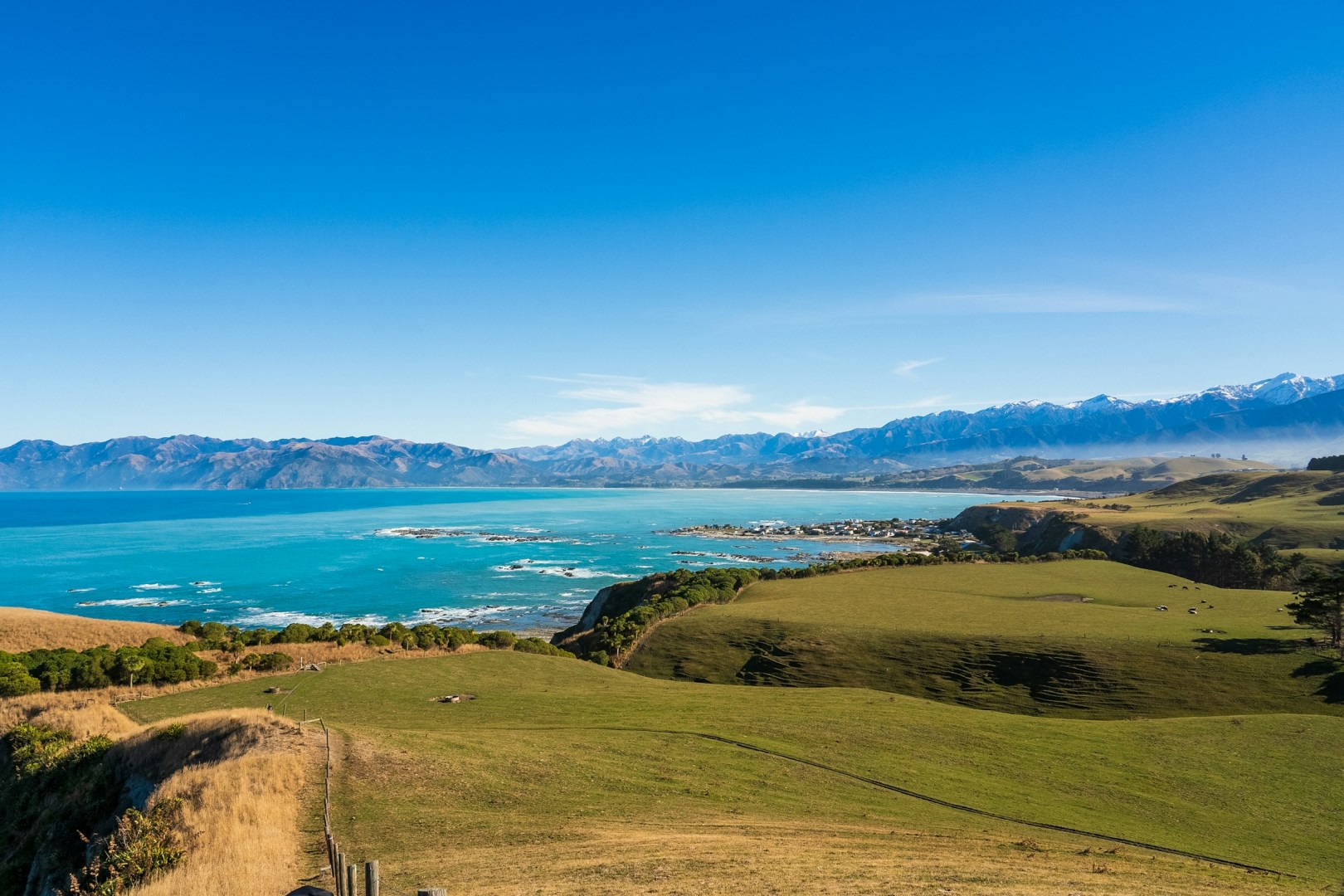
What sets Kaikōura apart are the extraordinary marine encounters that begin just off the shoreline. The Kaikōura Canyon, an underwater gorge that plunges to great depths close to land, creates currents rich with nutrients that attract a remarkable array of sea life year-round. Sperm whales are a common sight here and are frequently spotted on local boat tours. Dusky dolphins twist and leap in large pods, and colonies of New Zealand fur seals laze on rocky outcrops along the coast.


